Uncover Ancient Climate and Modern Toxins in Bears Ears
0% complete
$5,495 raised of $10K
52 donations
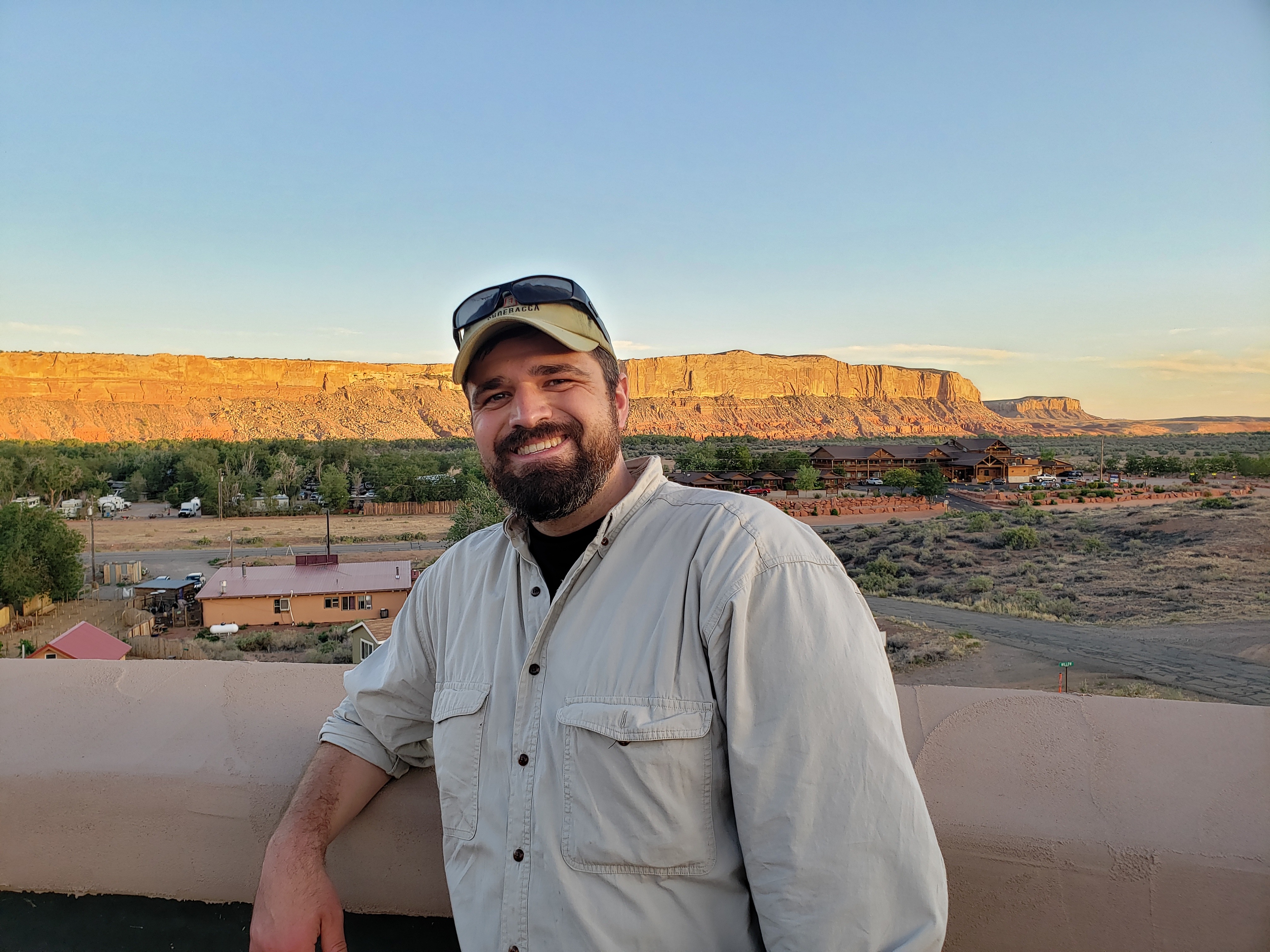
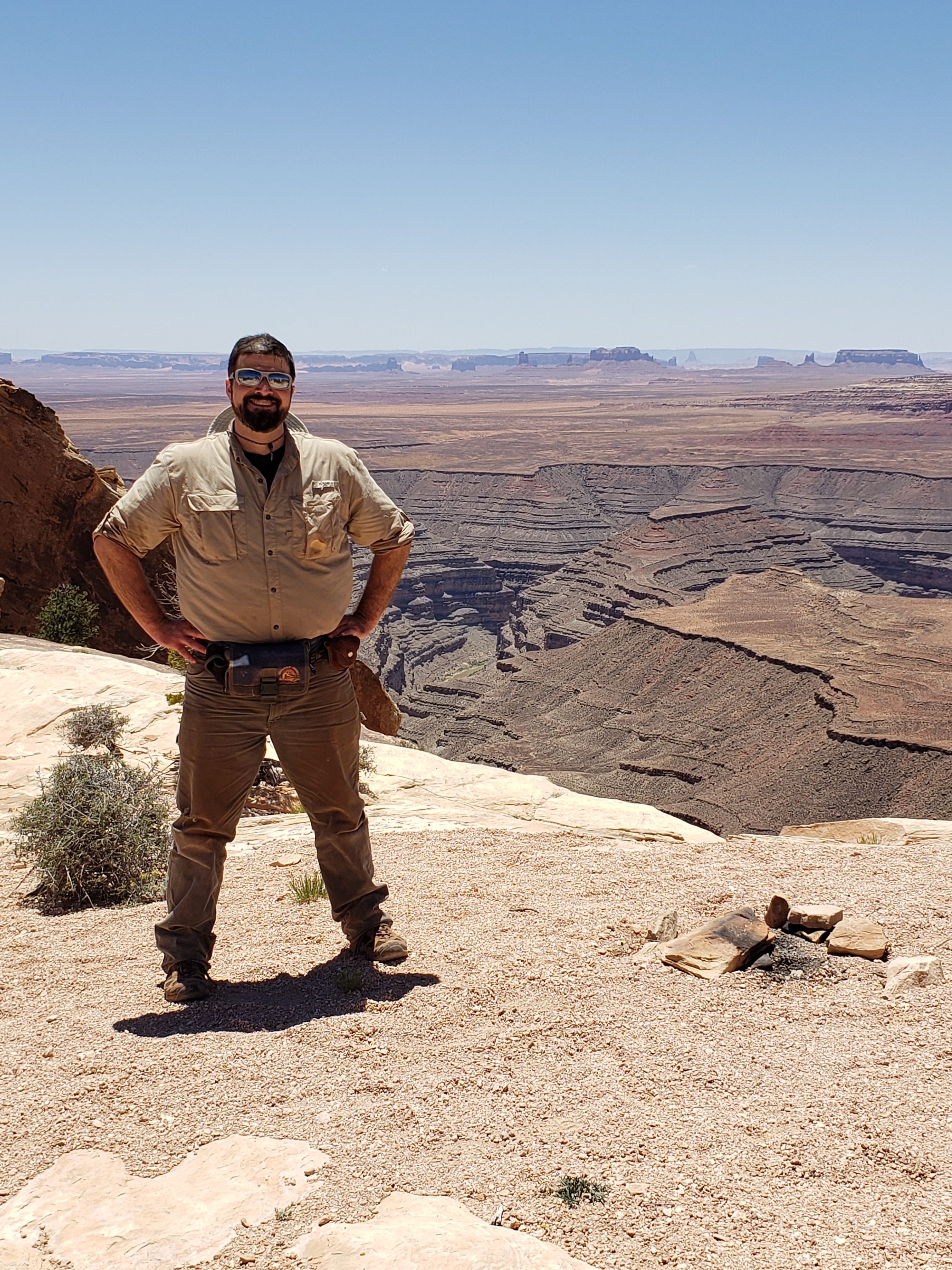
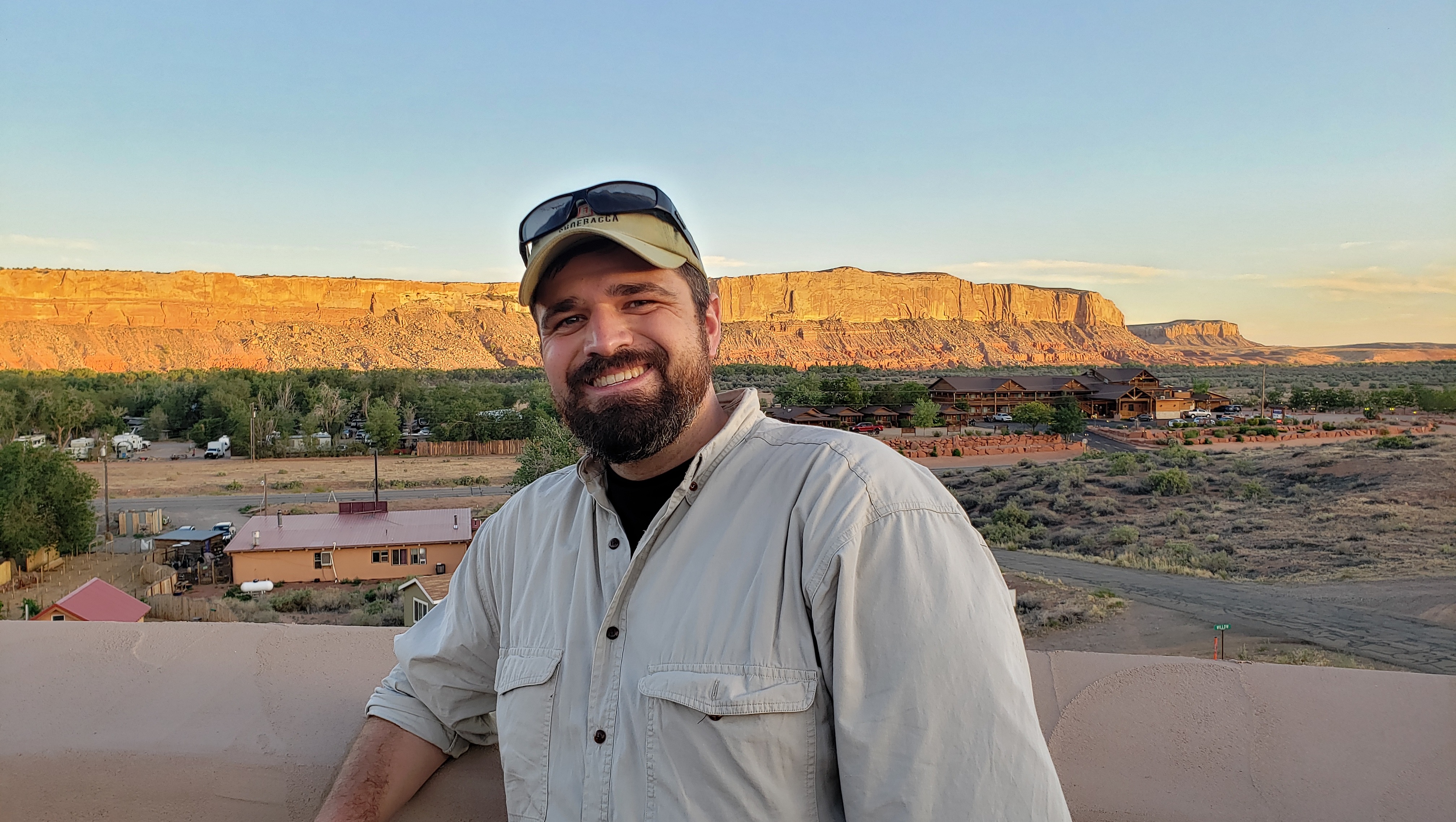
I am Dr. Jonathan Stine, a postdoctoral researcher at the University of Minnesota-Twin Cities and a recent PhD graduate in Earth Sciences from the University of Texas at Dallas.
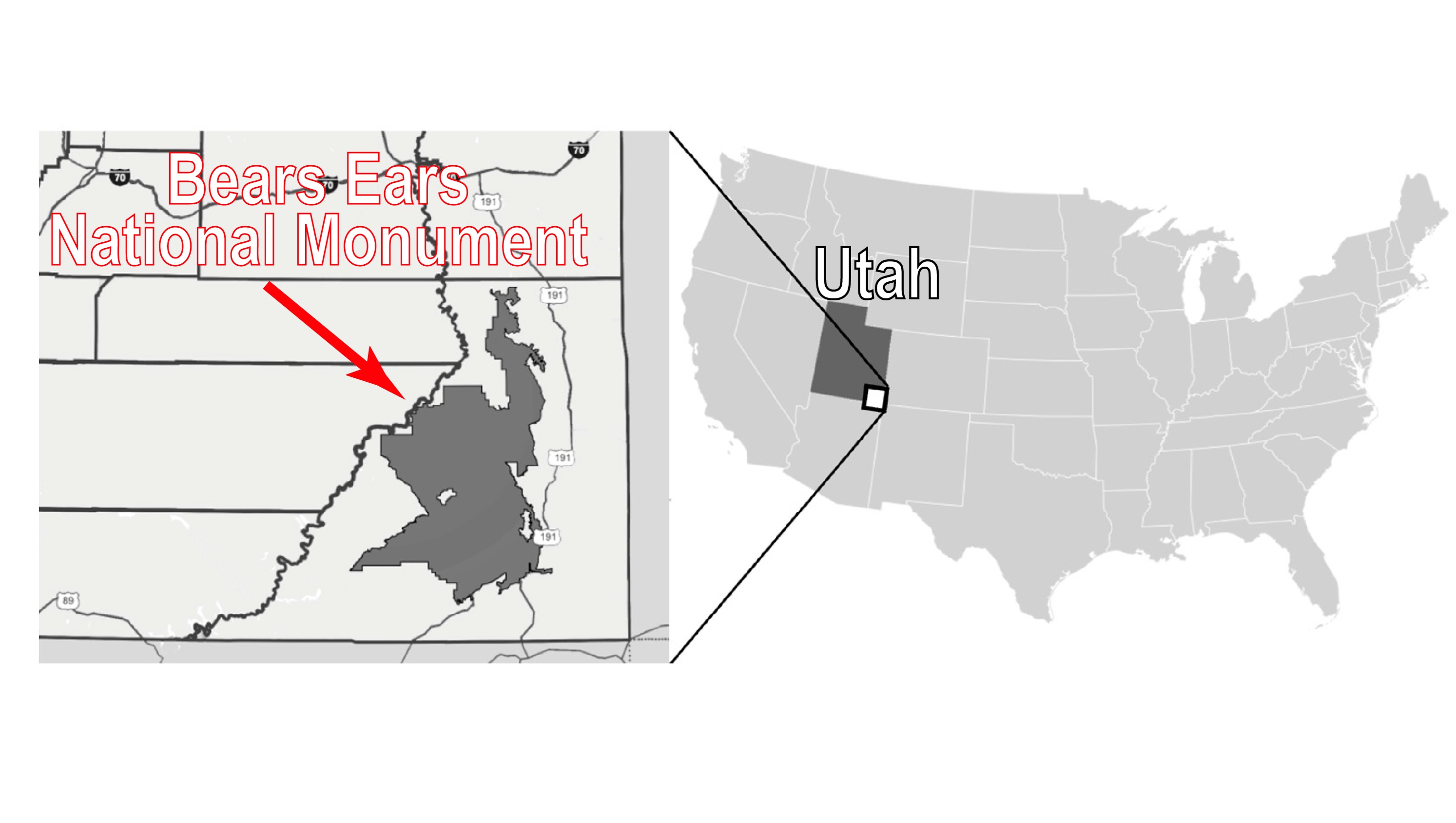
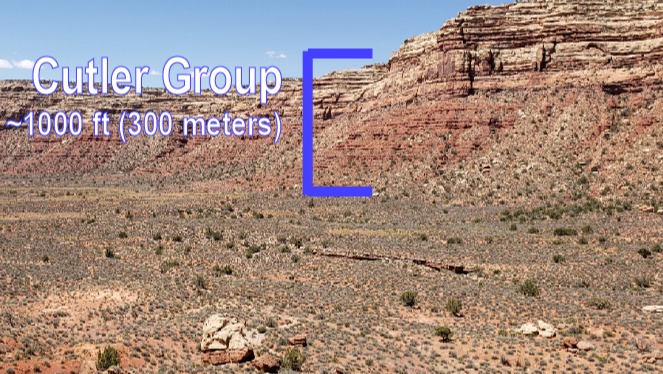
My research centers on a collection of red sedimentary rocks called the Cutler Group, which were deposited almost 300 million years ago, during the last major icehouse-to-greenhouse climate transition in Earth history. And which are now exposed in Bears Ears National Monument in Utah.
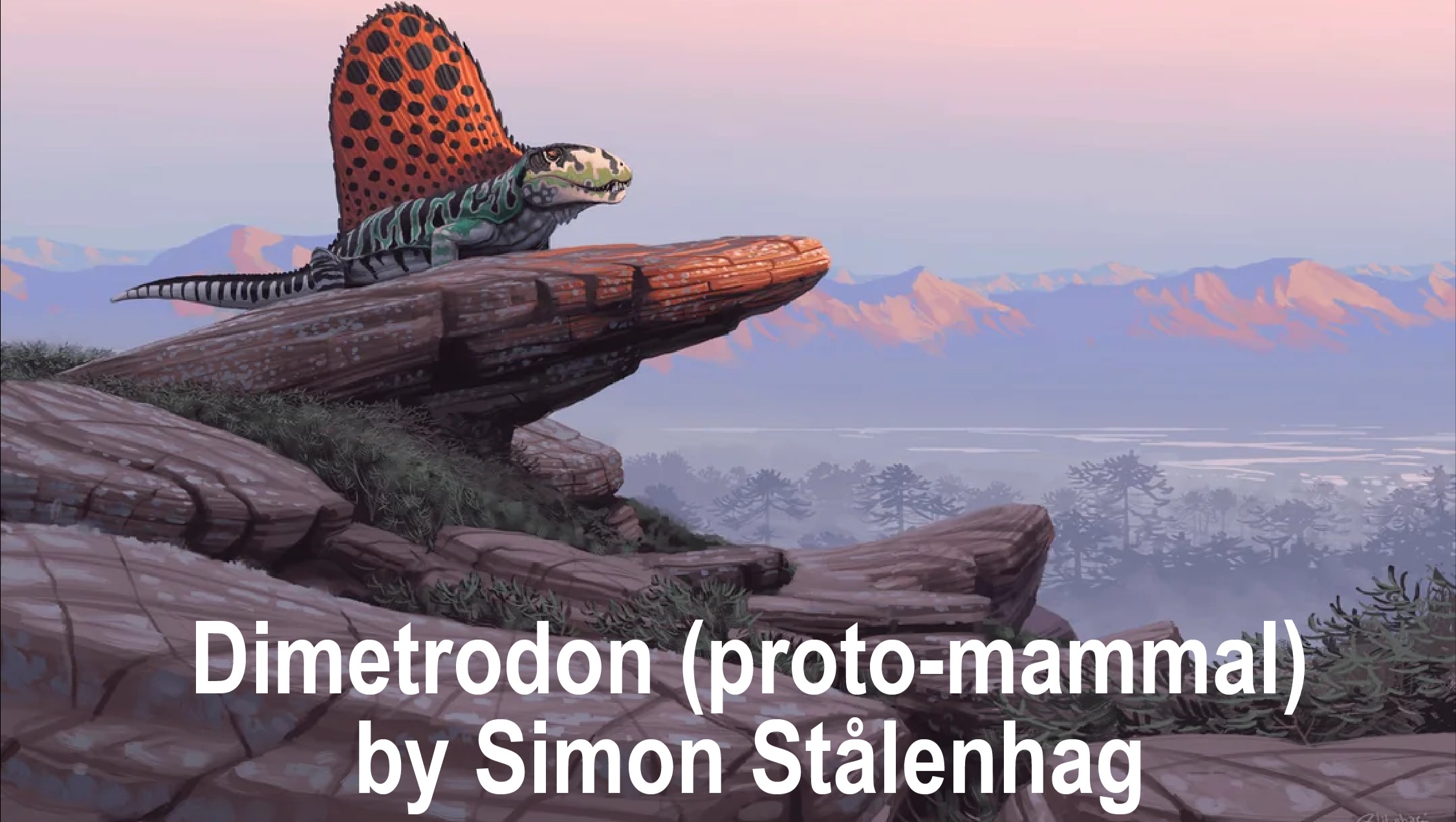
This formation is incredibly important because it hosts many fossils of life which existed ~100 million years before the dinosaurs such as the famous sail backed Dimetrodon. An animal which was actually closer related to mammals than it was to reptiles.
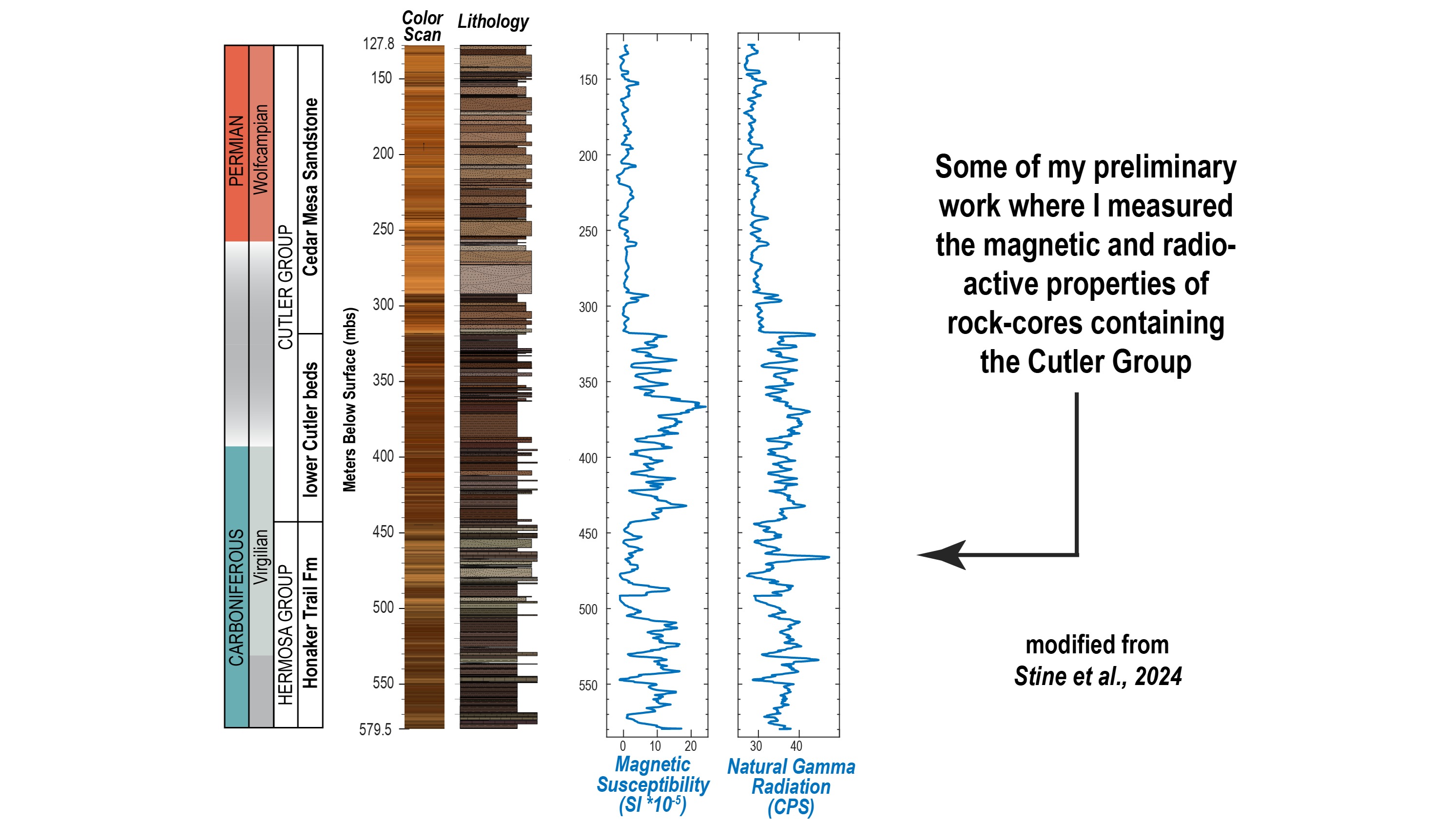
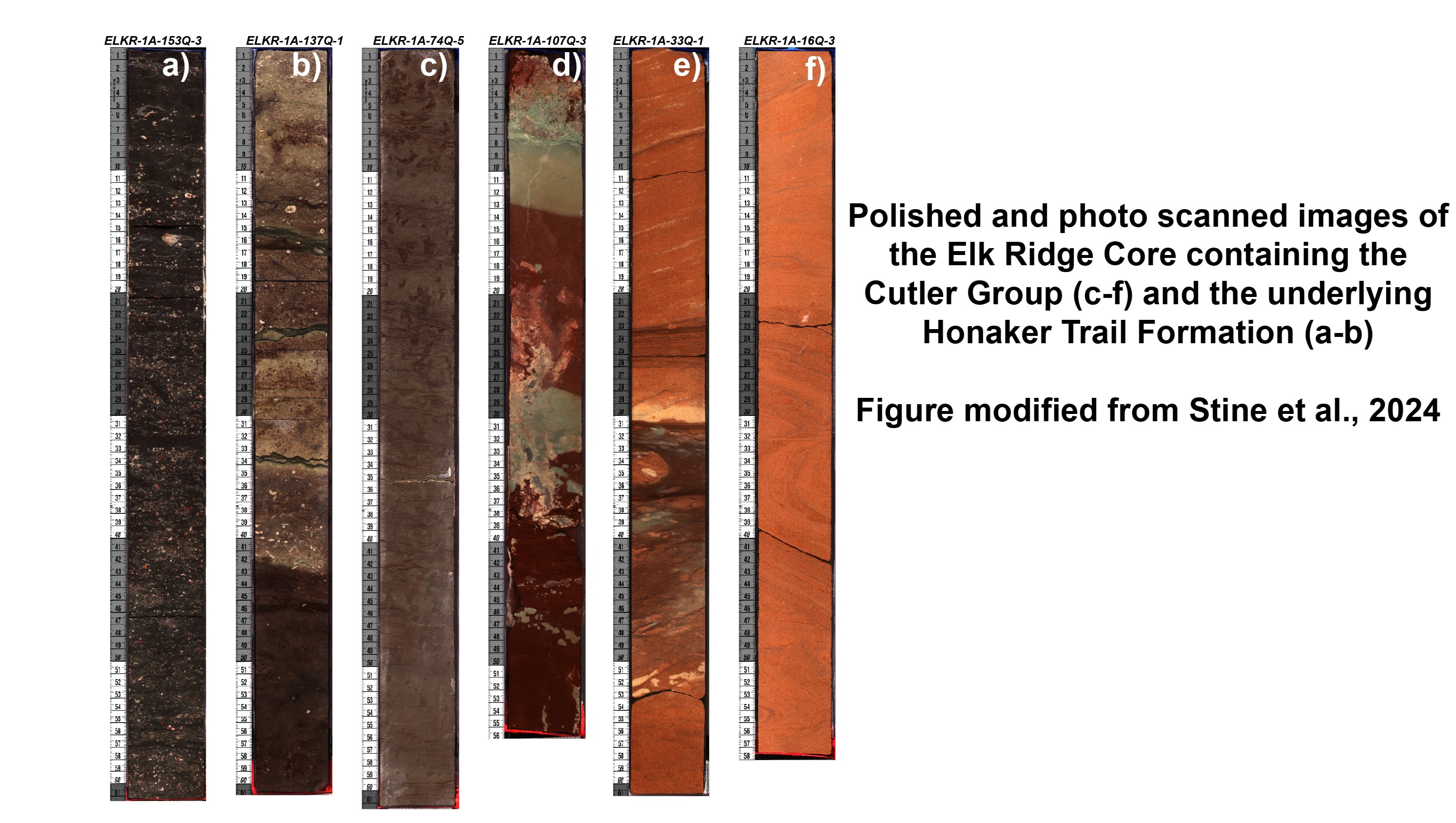
As part of my research, I am studying the magnetic, radioactive, and chemical properties of the Cutler Group. This will allow me to reconstruct the ancient climate and thus better understand how their environment influenced evolution of prehistoric life. So far, I have split, photographed, and measured the magnetic and radioactive properties of ~500 m (~1640 ft) of these ancient sediments in historic rock core (e.g., the Elk Ridge Core) as well as in outcrop exposures in Bears Ears.
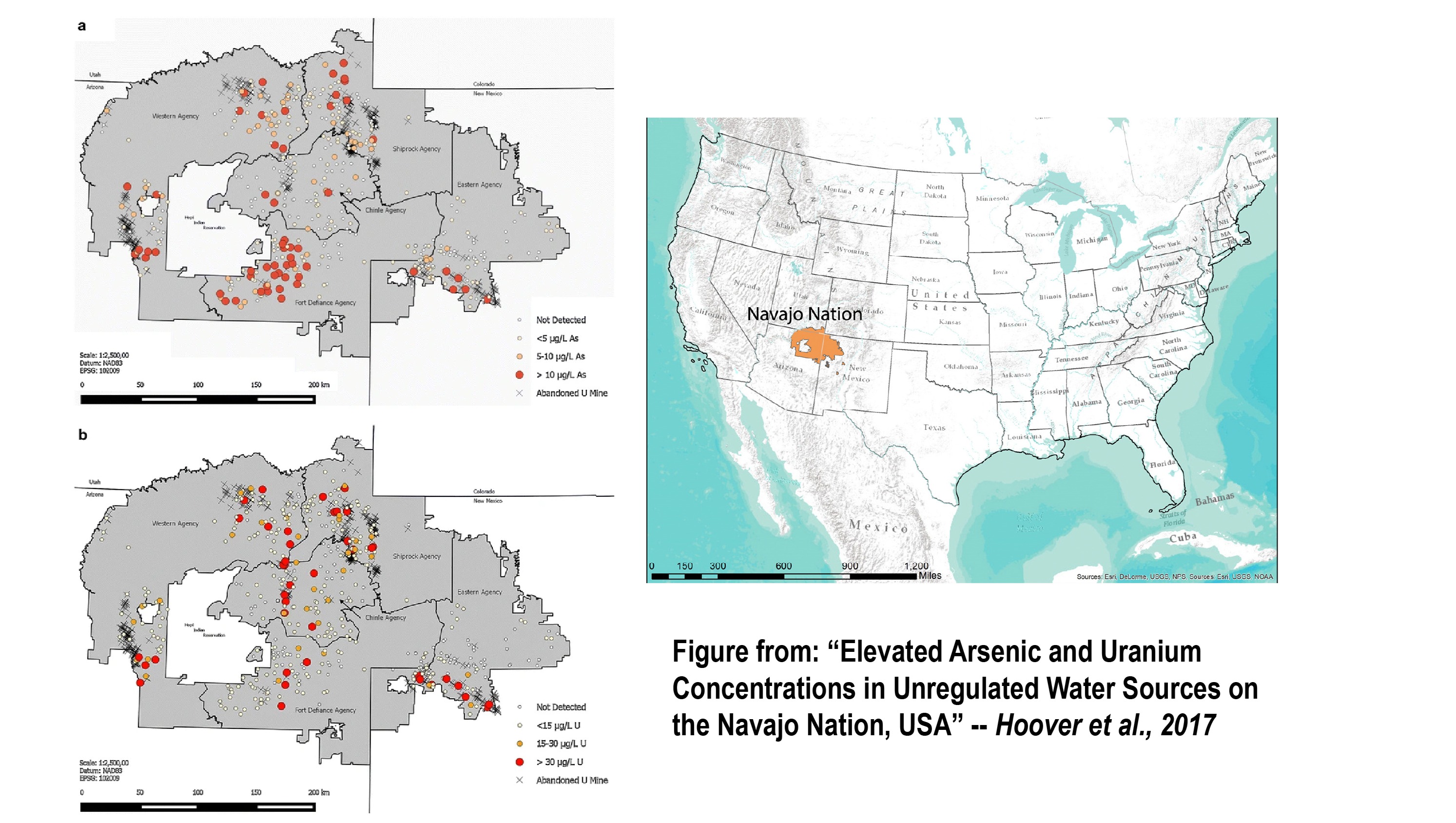
The next critical step is to analyze the chemical composition of the core using X-ray scanners. These analyses will identify a range of elements, some of which will reveal clues about ancient climate change. While others can uncover the presence of potentially harmful contaminants such as Uranium, Thorium, and Arsenic. These elements are already known to be present in harmful concentrations not too far south in Arizona (see figure below from Hoover et al., 2017).
Considering that the Cutler group is a primary water-aquifer for many of the communities in San Juan County, this study serves as a unique opportunity to see if these contaminants are also present locally.
Why Your Support Matters
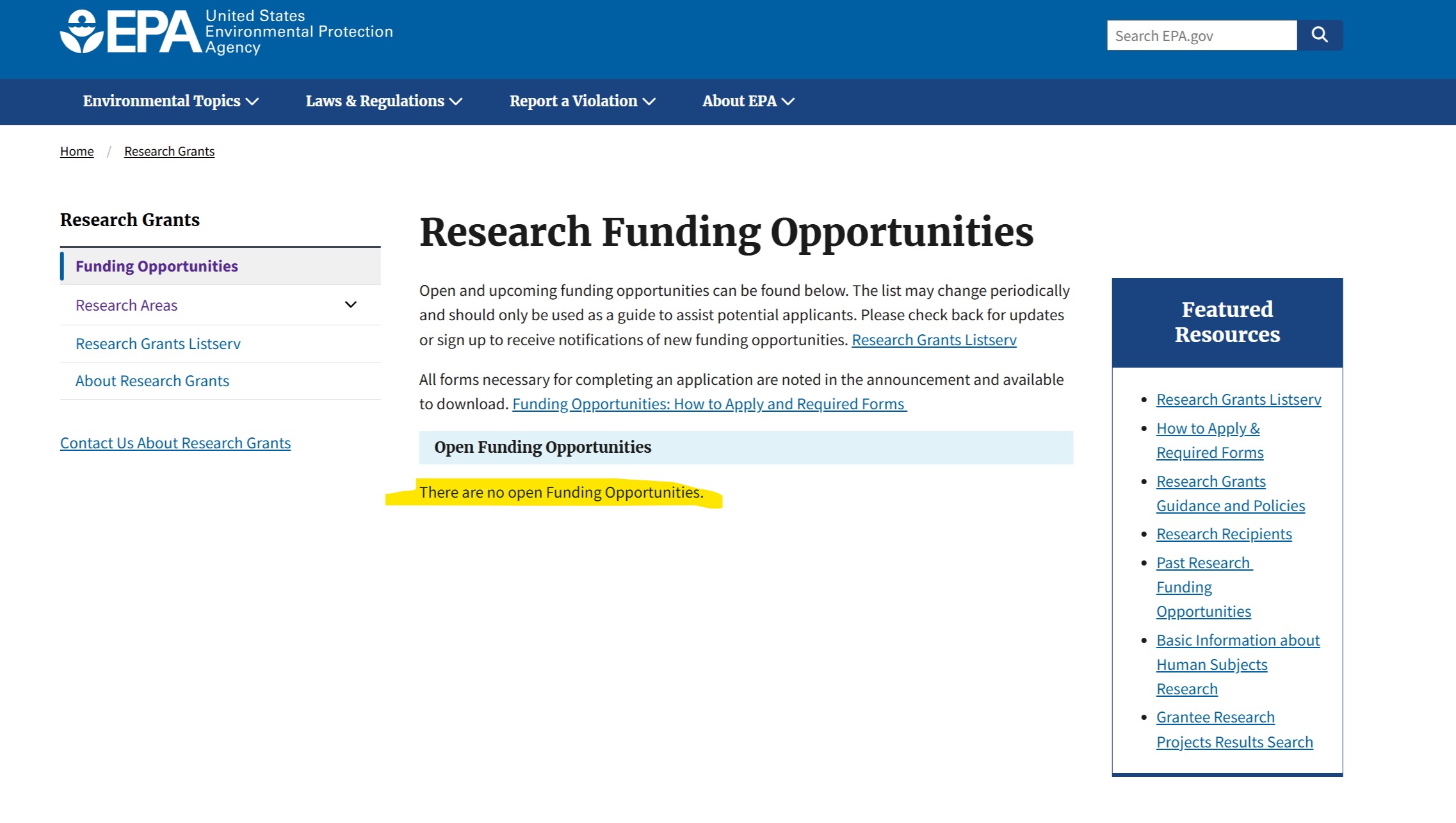
As a postdoctoral appointment, I have what is called a “soft-money” position. Which means I need to raise my own funds to pay for lab work, living expenses, supplies, and overhead. To fund a project such as this, I would have typically applied to federal agencies such as the National Science Foundation (NSF). Unfortunately, due to the current political climate and deep cuts to science funding, many federal research programs I would have relied on are no longer available and may not return for years.
This has left my project—and the vital data it could produce—at serious risk.
To complete this project and ensure all necessary analyses and overhead are covered, I will need a total of $150,000. But if I can raise as much as $30,000 then that should be enough to bridge the gap while I apply for even more grants. Anything you are willing to give to help me reach this goal will be appreciated even if it is only $1.00
To break down the costs I need:
~$10,000 -- $15,000 to ship and measure the elemental concentrations of the core
Plus an additional $5,000 and $12,000 for lab-overhead and living expenses respectively.
Thus totaling ~$30,000
With your donations, I will be able to complete my research and publish my data—making all findings publicly available through the OSF database as well as in academic journals.
Your support is essential to advancing both scientific understanding and public knowledge about the Cutler Group’s paleoclimatic and environmental significance.
Your contribution will help preserve this unique scientific opportunity and ensure that important research continues despite the challenging funding landscape. Thank you for supporting science that matters—for our past, our present, and our future.

Organizer