Standing With Tom and Kerri as They Face FTD
0% complete
$210,485 raised of
820 donations
IMPORTANT DONOR INFORMATION
If you choose to donate, please review GoFundMe's donation process carefully. They have auto and default settings we are unable to control, specifically related to tipping and monthly settings. It is important we communicated this information first to all donors, so each gift is given exactly how you intend.
Tom's story and why this fund was created
Tom (51) has been diagnosed with behavioral variant frontotemporal dementia (bv-FTD), a rare and fatal neurological disease with no cure. (5–7 year prognosis)
In July of 2025, Tom lost his position as a CFO due to symptoms of the disease before a diagnosis had been confirmed. With that came the loss of the family’s sole income, health insurance and the sense of security Kerri and Tom had built together.
In the months that followed, they had no choice but to sell the home they'd owned for years. They needed to access the equity to navigate the immediate future while planning for years of uncertain care costs ahead.
Without income, they are now facing $600,000+ in escalating professional care needs and life sustaining essentials that insurance does not cover.
We are raising funds to support Tom and Kerri as they navigate this disease, with a primary focus on professional care, comfort, and the ability to make thoughtful decisions as Tom’s needs increase.
Understanding bvFTD
Behavioral variant frontotemporal dementia attacks the frontal and temporal parts of the brain responsible for:
● Judgement and decision making
● Personality and impulse control
● Awareness of danger and consequences
● Emotional awareness
As the disease progresses, Tom has lost the ability to assess risk, recognize consequences, manage money, and care for himself safely. This goes far beyond memory issues. Individuals with bvFTD lose empathy and awareness of their own limitations. Everyday situations can become unsafe without supervision.
Tom can no longer drive and cannot be left alone for extended periods. Tasks such as managing finances, navigating public spaces, dressing appropriately for weather, or responding to emergencies now require oversight. Over time, he will need increasing levels of support for personal care, safety, and daily functioning.
One of the cruelest aspects of bvFTD is that the person experiencing it often does not recognize what is happening. Tom believes he will return to work and resume life as it once was. He cannot understand the reality of his conditions or the years of care ahead and the challenges his family will face.
There is no cure. There is no treatment that slows progression. While Tom’s physical strength may remain for years, his cognitive and functional abilities will continue to decline, creating a long and demanding caregiving journey. Life expectancy is typically five to seven years from diagnosis.
The Financial Reality
Tom and Kerri planned carefully for the future. What no plan can fully account for is the sudden loss of income and no longer having the ability to work combined with years of progressive disability and escalating professional care.
When Tom lost his job, his income and health insurance disappeared along with the final decade and a half when compound growth and peak earnings would have transformed their retirement security.
Kerri is now suddenly managing:
● Navigating finances
● Healthcare systems
● Disability services
● Insurance decisions
● Long-term care planning
● Full-time caregiving for Tom
This campaign exists to help bridge that gap so decisions can be made thoughtfully rather than under constant financial strain.
How Your Support Helps
We’re asking for funds to cover the costs that insurance won’t pay and that Tom and Kerri’s savings cannot sustain. Here’s exactly where your donations will go:
Housing Transition and Adaptation: $260,000
As Tom's disease progresses, their housing needs will evolve. This fund provides flexibility to:
• Secure and modify his living spaces for safety
• Transition to specialized housing when Tom's needs require it
• Ensure proximity to family who can provide daily support and respite care
• Adapt to changing mobility and safety requirements as the disease advances
• Secure one-level living when stairs become dangerous
Professional In-Home Care (Years 1-3): $90,000
• In-home care aides (20-40 hours/week at $25-35/hour). Hours will increase each year
• Supervision to keep Tom safe from wandering, accidents, and dangerous decisions
• Assistance with daily activities as his function declines
• Allowing Kerri to remain his primary caregiver while getting professional support
Memory Care Facility Gap (Years 4-5): $180,000
• When in-home care is no longer sufficient, Tom will need specialized memory care
• These facilities cost $120,000-200,000 per year
• This fund helps bridge the gap between their depleted savings and his ongoing needs
Respite Care & Caregiver Wellness: $25,000
• Professional respite care so Kerri can rest without Tom being alone
• Counseling and support for Kerri as she faces this trauma
• Allowing her to maintain her own health and wellbeing
• Time with her children and family away from constant caregiving
Medical Equipment, Home Modifications & Emergency Needs: $10,000
• Safety modifications (monitoring systems, secure access)
• Medical equipment not covered by insurance
• Specialized supplies as his needs change
• Emergency medical expenses that arise
Every dollar goes directly to Tom’s care and Kerri’s ability to maintain her health to be the best caretaker for Tom.
Supporting Kerri’s Role as a Caregiver and Wife
Kerri has carried an extraordinary weight with faith, resilience, and resolve.
She has honored her vows through sickness and in health in the most literal and demanding way. She has taken on responsibilities that once belonged to two people while managing the emotional reality of watching her husband change before her eyes.
She is learning complex medical systems, managing finances, advocating for care, coordinating support, and ensuring Tom’s safety every day. Caregiving at this level takes a significant physical and emotional toll. Without support, it can compromise the caregiver’s own health.
This campaign will, in large part, protect Kerri as she continues to care for Tom, ensuring she has the help, rest, and resources needed to sustain this journey.
Their Children
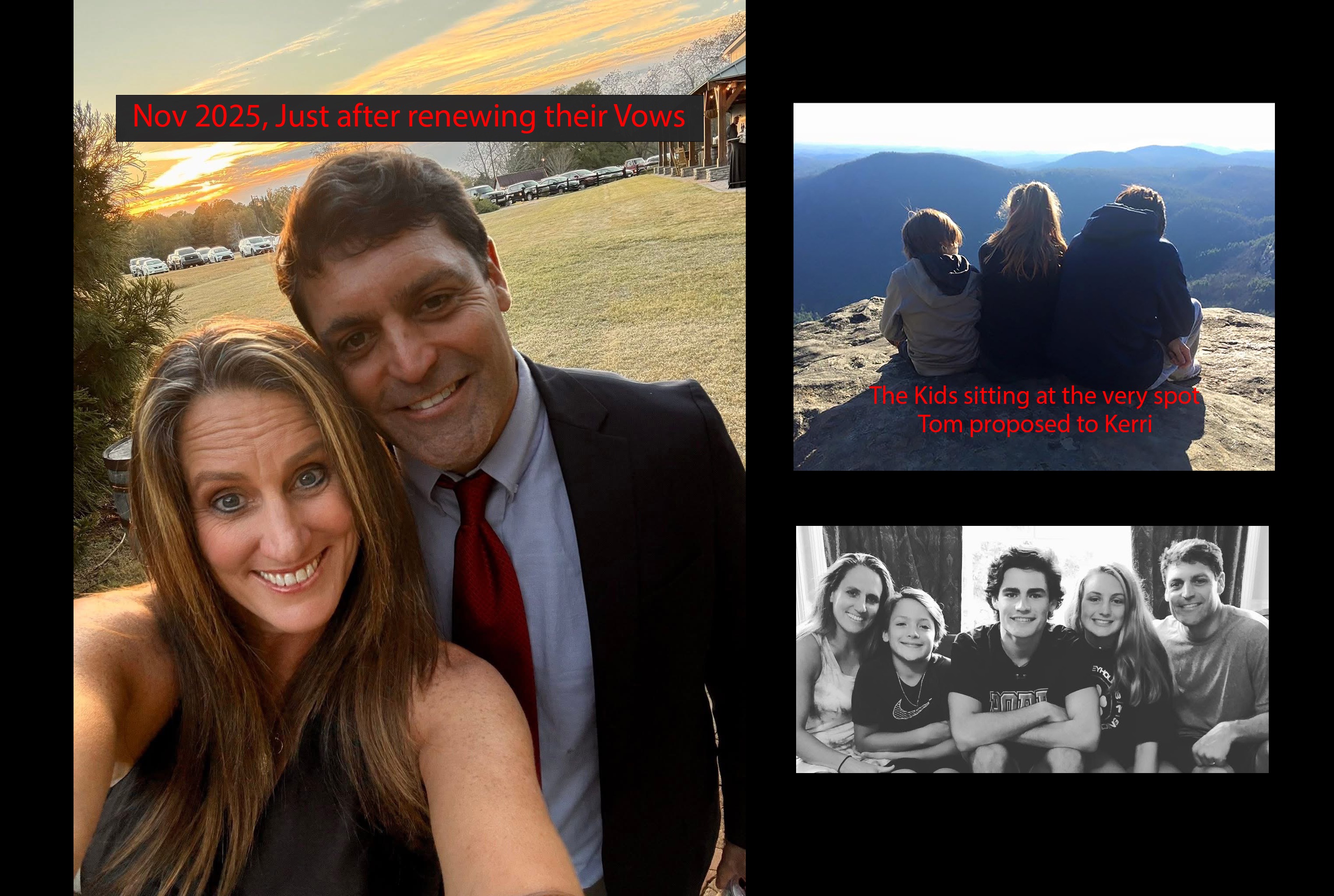
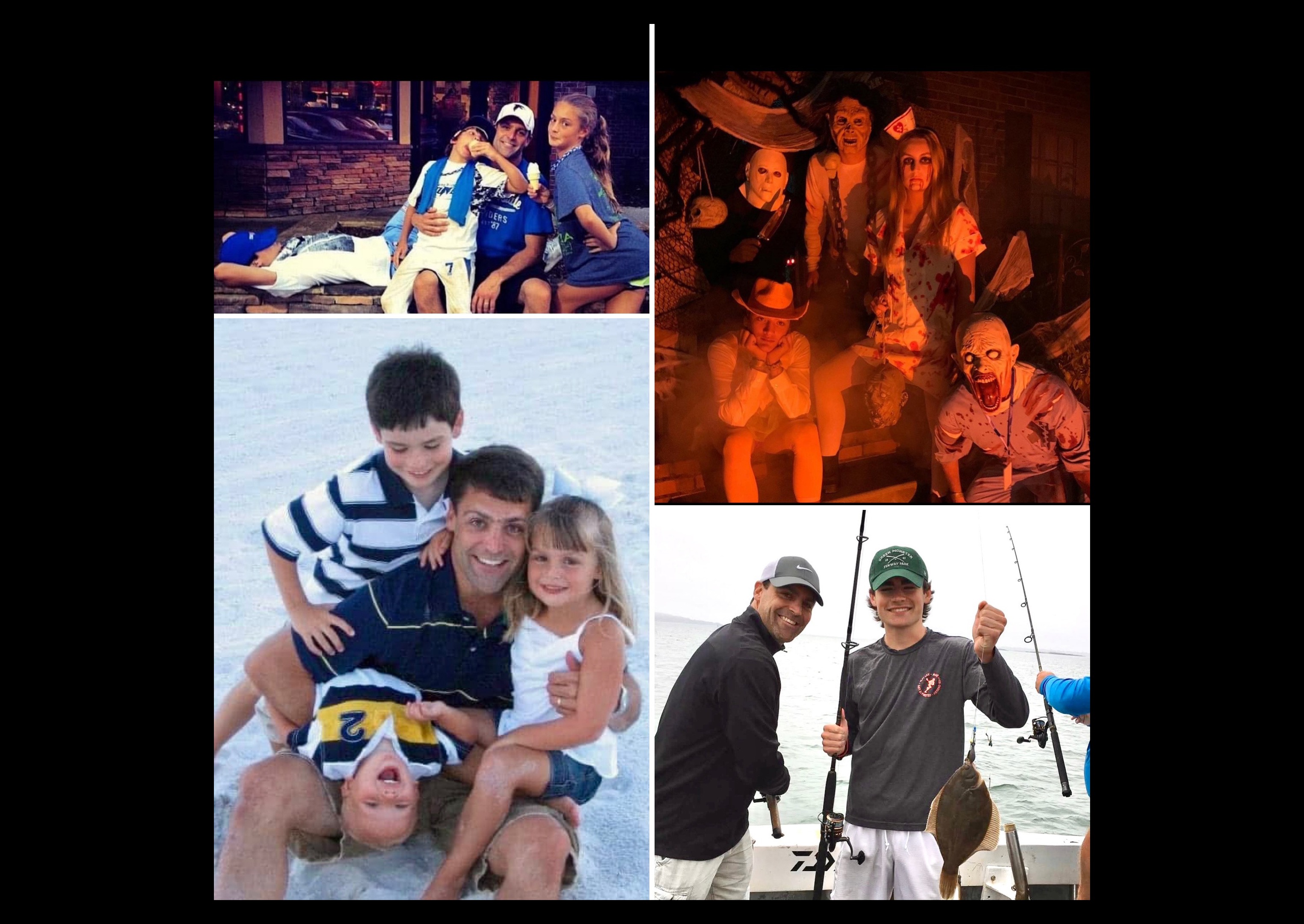
Tom and Kerri’s greatest legacy is their three children. Ryan (26), Katelynn (23), and John (20).
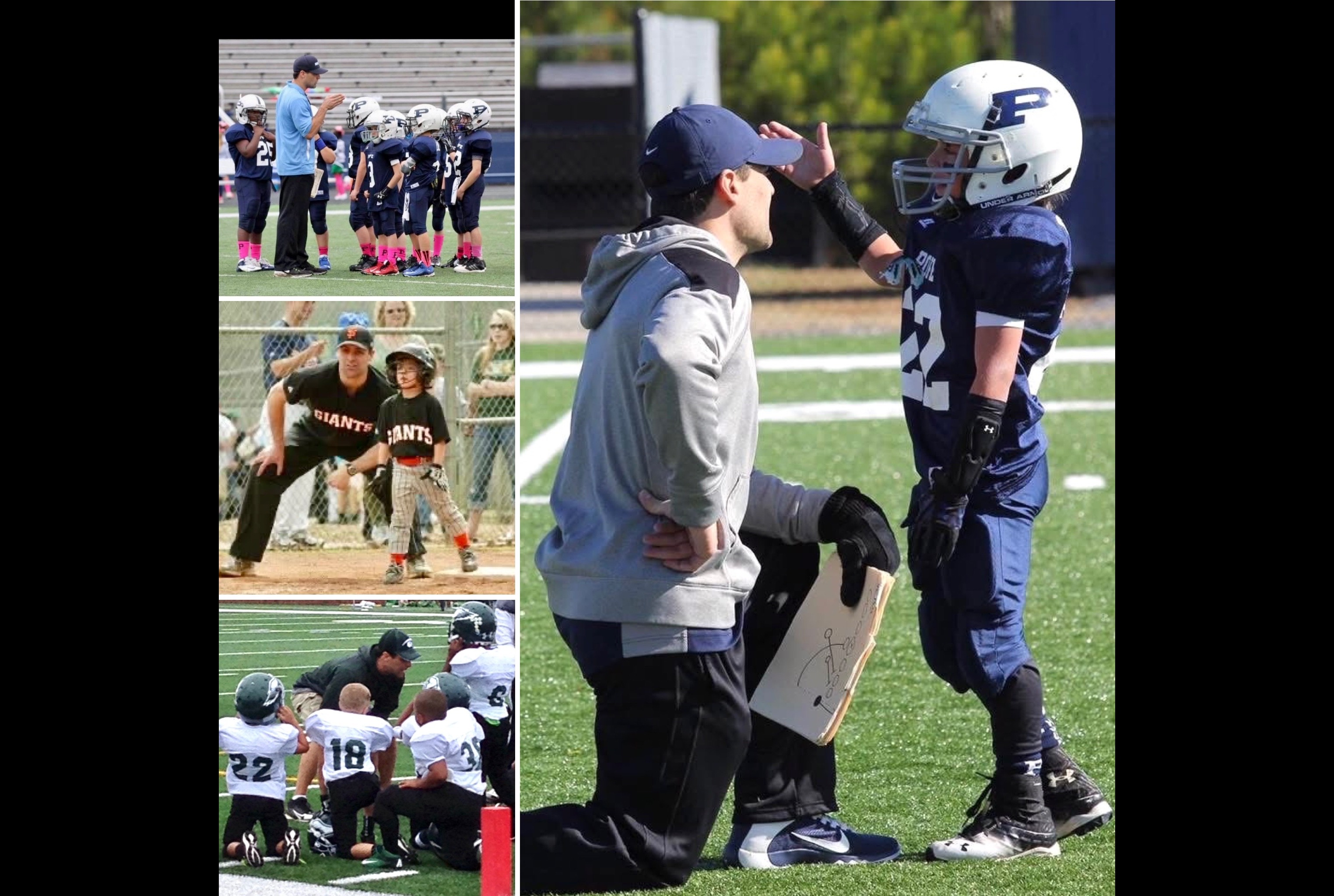
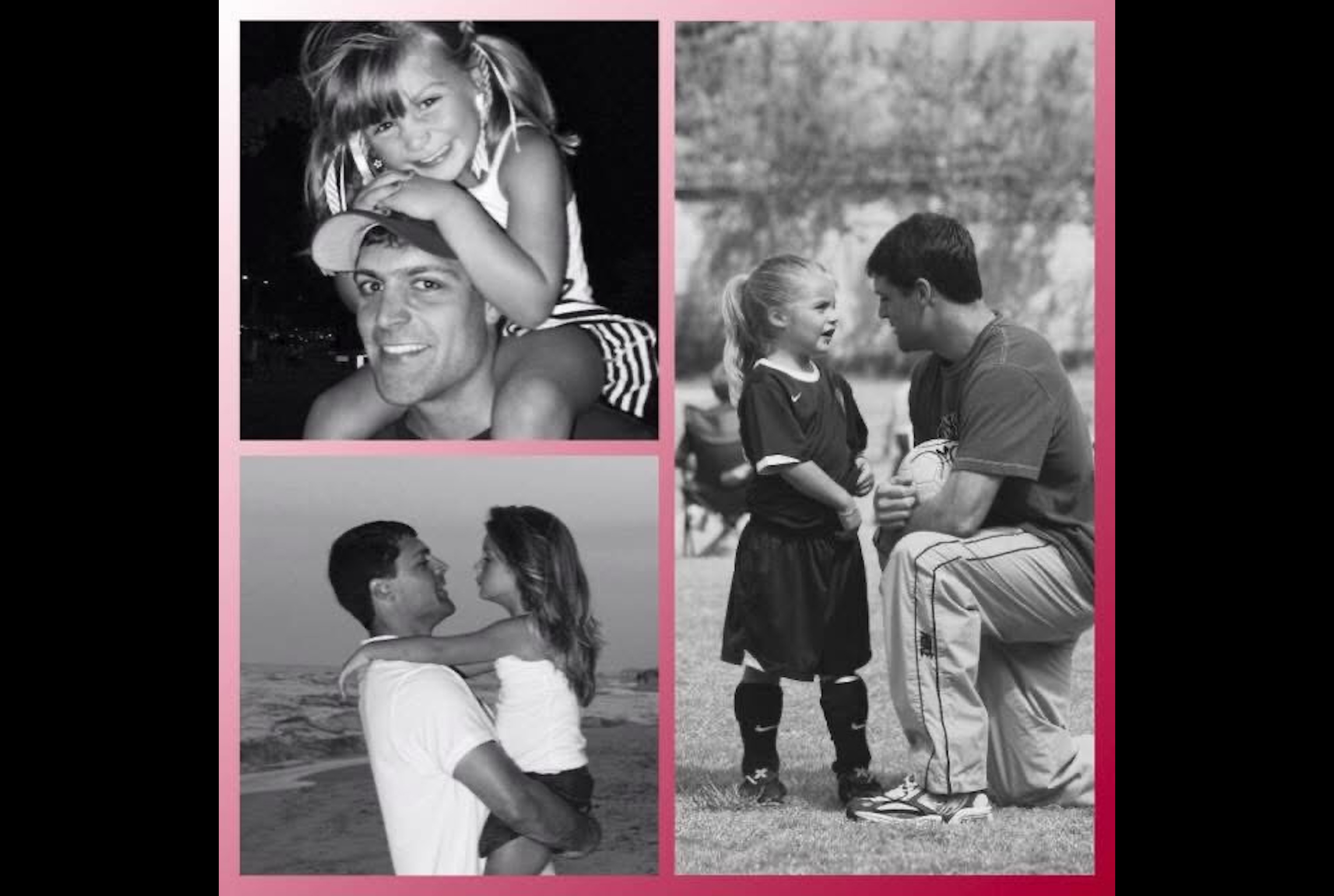
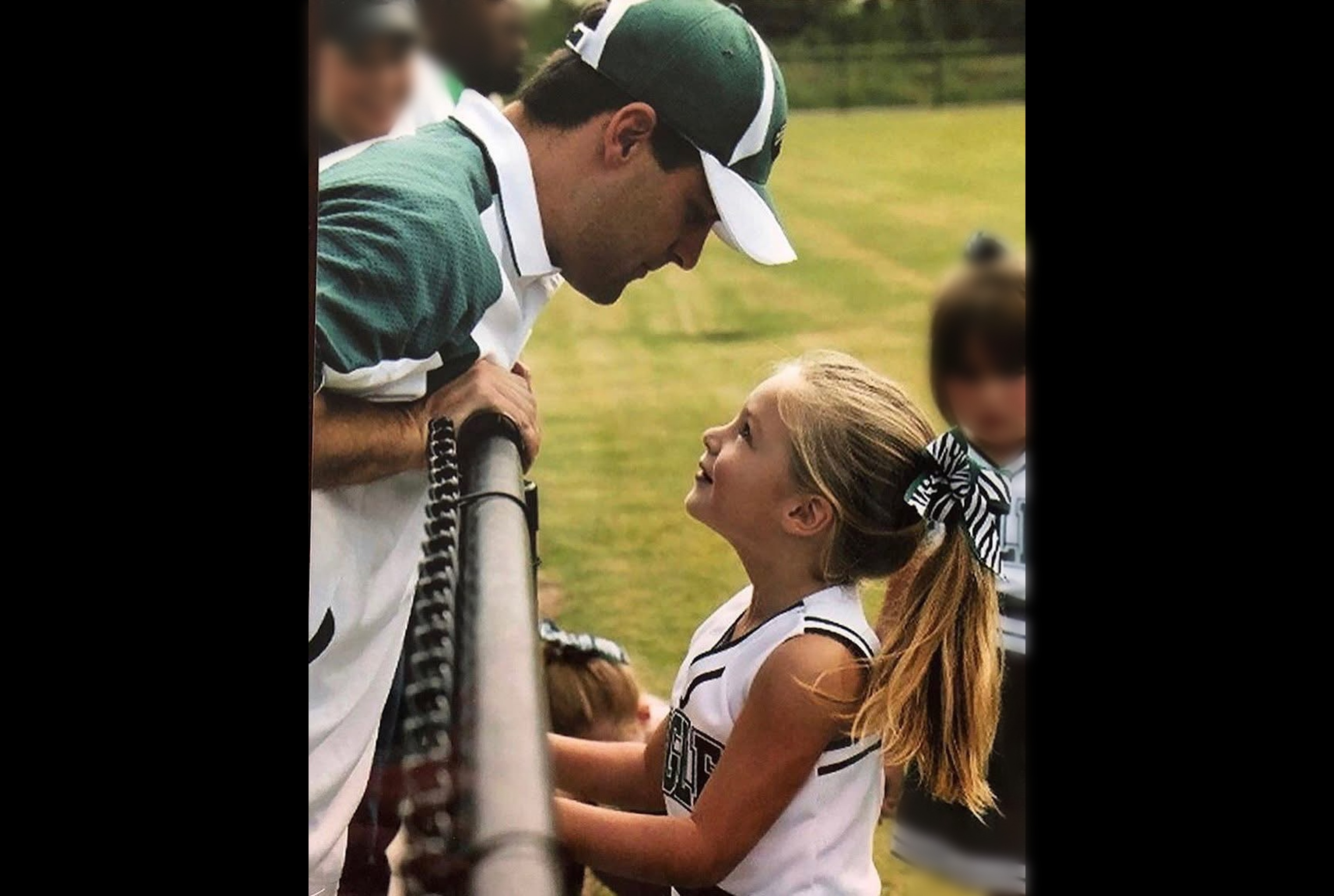
As a father and husband, Tom has been present, loving, and deeply engaged. He coached, painted toenails, encouraged, showed up, and led by example. His children grew up knowing they were supported and believed in.
As the disease has progressed, the children have stepped into roles no young adults expect to carry so early. They help manage finances, schedules, appointments, research, and daily logistics. They advocate for their father, support their mother, and share responsibility for navigating the roadmap ahead, all while working and building their own lives.
Their strength is steady and rooted in the values Tom and Kerri spent decades instilling.
The Communities That Shaped This Family
Tom’s life has always been rooted in connection, leadership, and a deep commitment to the people around him.
Tom played football at Wake Forest University, following in the footsteps of his father, who also played at Wake Forest. He carried the discipline, brotherhood, and values he learned there into every season that followed. His presence and legacy within the Wake Forest community continue to matter deeply to those who played with him and knew him.
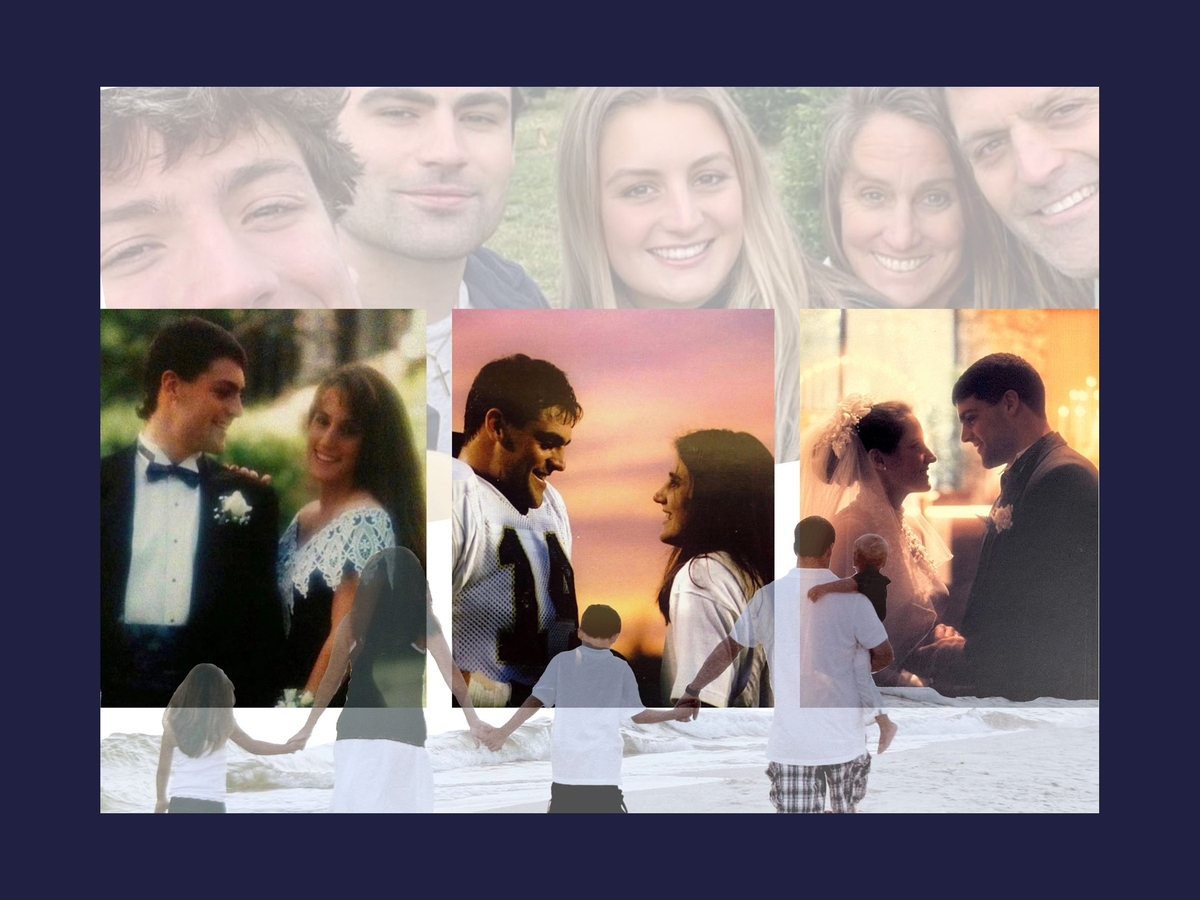
Before Wake Forest, Tom went to Dunwoody High School with Kerri and began building the foundation of the life they would share. Dunwoody was where their story truly began, both on and off the field.
Long after his own playing days ended, Tom gave back by coaching countless young athletes, mentoring teammates, and showing up for families and kids who needed steady leadership. Kerri stood alongside him in every season, creating a home that was always open, welcoming, and full of warmth. Their house was a gathering place where people felt seen, supported, and cared for.
Together, they were the kind of people others wanted to be around. At work, Tom was respected not only for his ability, but for his integrity and presence. In their everyday lives, Tom and Kerri were consistent, kind, and deeply invested in the people around them.
One of the hardest truths to accept is that Tom has been the healthiest person we’ve known. He never drank, never smoked, exercised regularly, ate well, and took pride in taking care of his body. There were no warning signs. bvFTD begins gradually and unforeseen. It arrives without regard for how carefully a life has been lived.
Tom & Kerri’s Story
I will never forget the first time I saw these two amazing souls' eyes connect and witnessed a beautiful love story beginning. They were 13, at Murphy Candler Park at the major league field. It wasn't childhood love; it was the divine plan God had for them, so strong it could not be denied.
They never looked back after that and began their journey to build an amazing life. After high school, they attended different colleges. Kerri graduated from Clemson with her master's in landscape architecture, and Tom attended Wake Forest as a Division I football player and graduated with his master's in accounting. Their love only grew with each weekend visit, she traveled every weekend in the fall to watch him play, and he visited her in his off-season.
Tom proposed to Kerri after graduation atop Sapphire Mountain in North Carolina. They were married in December 1997. They always dreamed of their future little family and were blessed with three amazing children. Every moment, decision, and action were to better their life and provide a solid foundation for them to rest on.
Tom and Kerri built their life in East Cobb (GA), where Tom coached countless kids and Kerri became the beloved neighborhood mom who made Halloween extra fun with a haunted house kids loved each year. Tom built a successful CFO career while Kerri ran their home as Chief Family Officer. Anyone who had the privilege of walking through their doors immediately felt the love held in that home.
And now they're navigating the most difficult chapter of that love story with the same strength, faith, and commitment that has defined them over three decades.
Turning This Journey Into Purpose
From the moment of diagnosis, Kerri and the children made a deliberate decision that this disease would not be faced passively.
They are actively working with the Emory Brain Health Center where Tom has been enrolled in clinical research studies, contributing his data and experience to help researchers better understand bvFTD and move closer to effective treatments. They have spent countless hours learning about the disease, asking questions, and engaging with experts, not only for Tom’s care, but to help advance broader understanding.
Their hope is that Tom’s journey will matter beyond their own family. By participating in research, sharing their story, and committing to future advocacy, they want to help ensure that other families facing this diagnosis are met with more answers, more resources, and more support than exists today.
Early symptoms of bv-FTD are easily mistaken as normal behavioral changes as one ages and diagnosis is often delayed 3-6 years. No family can prepare for it. But through research, awareness, and continued advocacy, they hope to be part of the effort to bring this disease out of the shadows and into clearer understanding.
Help this Family Survive FTD With Dignity
We are asking for help because bvFTD is a disease that reshapes every part of life, even for families who planned carefully and lived responsibly.
If you can donate, no amount is too small. Every $25 provides an hour of professional care. Every $100 helps with a week of groceries. Every $1,000+ brings them closer to safer living and securing long-term care.
If you can't donate, please share. Tom and Kerri's network is vast, and every share reaches people who may want to help but don't yet know the need exists.
If you have crossed paths with Tom or Kerri through family, friendship, work, faith, community, or if you simply believe that people should not face a disease like this alone, your support means more than words can say.
For decades, Tom and Kerri have shaped and supported the lives of so many. Now we have an opportunity to come together to support their family during a time of need.
Thank you for taking the time to read their story, sharing it, and helping this family continue forward with strength, faith, and dignity.
Any form of support, kind words, love and prayer is always appreciated.
With immense gratitude,
Karen
Co-organizers10
Kerri Stuetzer
Beneficiary