- w
- E
- C
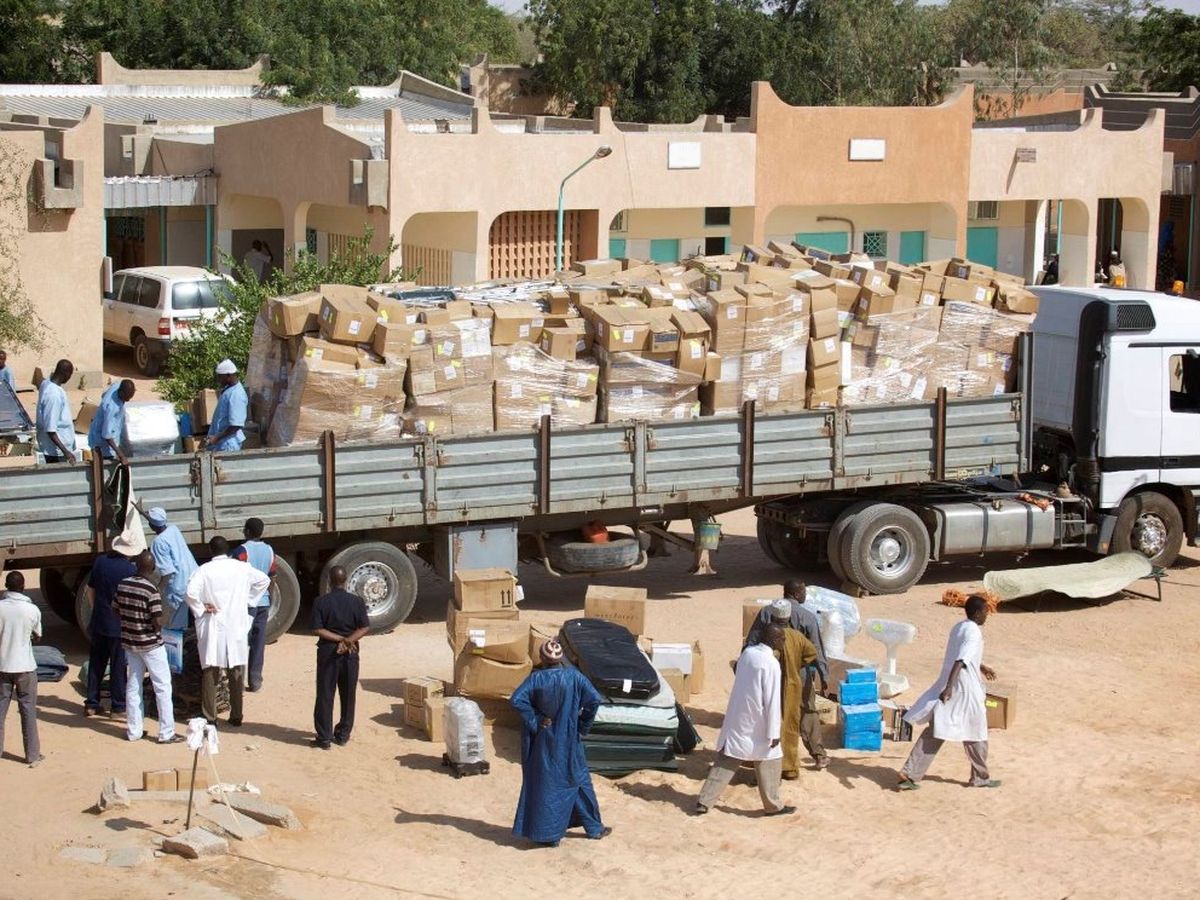
The Opportunity: Please donate today to SHIPMENTS OF HOPE -- medicines, medical supplies, equipment, books, food supplements --for Nigeriens helping refugees from Boko Haram. Help us raise the $20,000 needed to leverage $25 million worth of supplies to improve the lives of the people of Niger, one of the poorest countries in the world, challenged by poverty and terrorism, and the refugees from Boko Haram they have so generously welcomed.
Shipments of Hope is a joint campaign of two non-governmental organizations (NGO's), the US-based KAMRA and the Nigerien Kirker Foundation, working in tandem to find and deliver medicines and medical supplies to hospitals, and food and books to schools in the regions of Niger hardest hit by the recent terrorist threats and the influx of refugees from neighboring countries. Since 2012, more than 60,000 refugees from Mali have entered western Niger, and since 2013, reports of 130,000 to 300,000 refugees from Boko Haram have crossed the border from northern Nigeria to the Diffa Region in southeastern Niger, the poorest region of this very poor country. Refugees are often taken in by extended family members, or live in tents along the national highway. They challenge the health and education resources in these poor communities, yet they are welcomed by the people of Niger.
Since 2007, KAMRA and the Kirker Foundation have arranged for 15 shipments of antibiotics, vitamins, and other needed medicines valued at over $110 million, and four shipments of surgical supplies, sterile gloves, syringes, beds, IV equipment, neonatal incubators, and ultrasounds valued at over $1 million to hospitals in the Diffa Region and elsewhere in Niger. These Shipments of Hope are provided by MAP International and MedShare, with the support of private foundations. KAMRA and the Kirker Foundation finance local costs for clearing shipments through customs and provide the gasoline needed by volunteer truckers to transport these critical supplies to the locations in Niger where they are most needed. Each shipment, generally worth $11 million to $15 million, requires about $3,500 to $6,000 to cover these local costs. Everyone, staff in the NGOs to truckers in Niger, works on a volunteer basis and all distribution and local arrangements are made by Nigeriens.
Recognizing the continuing needs, the mounting refugee crisis, and the outstanding work done by KAMRA and the Kirker Foundation, MAP International and MedShare have offered new Shipments of Hope in 2018. Along with the medicines and medical supplies, these new shipments include mobility carts adapted for disabled children in sandy environments and birthing kits that can be used in community health centers to provide safe obstetric care for women. KAMRA has recently been in contact with two new partners. Books for Africa and Rise Against Hunger have both offered their support with shipments of books for schools, and packets of high-protein food for use in hospital and school feeding programs.
But to make these Shipments of Hope possible, KAMRA must raise at least $20,000 in 2018 to cover the costs of bringing these shipments into the country and arranging transport to the hospitals where they can be used.
Your contribution to this effort will leverage millions of dollars' worth of medicines, medical supplies, books, and nutritious food for the people of Niger who have so generously welcomed thousands of refugees despite their own great needs.
The Need: The Republic of Niger ranks among the poorest countries in the world, second from the bottom on the United Nations Human Development Index. A landlocked country in West Africa with more than 65% of its territory in the Sahara Desert, its 21 million people reside mostly along the southern border with Nigeria and Benin and primarily engage in subsistence farming. Nigeriens face extreme poverty, environmental challenges such as droughts that threaten crops and livestock, lack of educational opportunities, high rates of infectious diseases, food insecurity, and traditional values that promote and sustain high rates of fertility. According to UN estimates, more than 50% of Niger's children under age five are undernourished, and rates of maternal, infant and child mortality are high. Added to these challenges are increased instability and threats from terrorism, and the influx of refugees stresses already weak and overwhelmed health and human services systems.
Boko Haram had made many raids into Niger and schools in the Diffa Region have had to close temporarily on several occasions due to terrorism threats. Furthermore, Niger is a partner in the Joint Multinational Force against Boko Haram, and currently has around 1,000 US military stationed in the country, most at a US drone center that covers North Africa and the Middle East.
The Response: In 2007, Dr. Bill Kirker and his wife Barbara returned to Maine-Soroa, a town in the Diffa Region, at the invitation of the Niger government to rebuild and expand the hospital. Bill and Barbara has served as Peace Corps Volunteers in Maine-Soroa, 1966-68, and now in their 70's they spent three years expanding the Maine-Soroa hospital from 42 to 142 beds. In addition, Barbara saw a need to reach children who had not been able to start primary school at the normal age, or who had dropped out for various reasons. She started the Second Chance School for children ages 8 to 13, allowing them to complete six years of the national curriculum in four years and move back into the national school system with their age peers. The Second Chance School currently has 100 Nigerien children and 100 refugee children enrolled. The Maine-Soroa hospital serves not only people from Niger, but also from Nigeria, Chad and Cameroon who come in search of medical care.
The Kirkers and friends established a US-based 501 (c) 3, the Kirker African Medical Relief Association (KAMRA) to help support hospitals in the Diffa Region. KAMRA's work is facilitated by the Kirker Foundation, a Niger-based NGO founded by a group of elders and prominent Diffa citizens. The Kirker Foundation coordinates with Niger's Ministry of Health to determine the medicines and supplies that can best be used to meet the country's needs, to secure clearances of the shipments, storage in a secure warehouse, and to arrange transport to the hospitals throughout the country where these critical supplies are used. In 2017, 75-80 percent of the medicines provided through this effort went to three hospitals (Maine-Soroa, Diffa City and N'Guigmi), and accounted for half of the medicines used in the Diffa Region. As we increase shipments of medicines in 2018, a larger percentage will go to other Niger hospitals that also have great need.
Please help us with your donation today to SHIPMENTS OF HOPE so we can reach our goal of $20,000 to leverage $25 million dollars' worth of critical medicines, medical supplies, books and nutritious food delivered to a generous and welcoming people in desperate need of this assistance.
Shipments of Hope is a joint campaign of two non-governmental organizations (NGO's), the US-based KAMRA and the Nigerien Kirker Foundation, working in tandem to find and deliver medicines and medical supplies to hospitals, and food and books to schools in the regions of Niger hardest hit by the recent terrorist threats and the influx of refugees from neighboring countries. Since 2012, more than 60,000 refugees from Mali have entered western Niger, and since 2013, reports of 130,000 to 300,000 refugees from Boko Haram have crossed the border from northern Nigeria to the Diffa Region in southeastern Niger, the poorest region of this very poor country. Refugees are often taken in by extended family members, or live in tents along the national highway. They challenge the health and education resources in these poor communities, yet they are welcomed by the people of Niger.
Since 2007, KAMRA and the Kirker Foundation have arranged for 15 shipments of antibiotics, vitamins, and other needed medicines valued at over $110 million, and four shipments of surgical supplies, sterile gloves, syringes, beds, IV equipment, neonatal incubators, and ultrasounds valued at over $1 million to hospitals in the Diffa Region and elsewhere in Niger. These Shipments of Hope are provided by MAP International and MedShare, with the support of private foundations. KAMRA and the Kirker Foundation finance local costs for clearing shipments through customs and provide the gasoline needed by volunteer truckers to transport these critical supplies to the locations in Niger where they are most needed. Each shipment, generally worth $11 million to $15 million, requires about $3,500 to $6,000 to cover these local costs. Everyone, staff in the NGOs to truckers in Niger, works on a volunteer basis and all distribution and local arrangements are made by Nigeriens.
Recognizing the continuing needs, the mounting refugee crisis, and the outstanding work done by KAMRA and the Kirker Foundation, MAP International and MedShare have offered new Shipments of Hope in 2018. Along with the medicines and medical supplies, these new shipments include mobility carts adapted for disabled children in sandy environments and birthing kits that can be used in community health centers to provide safe obstetric care for women. KAMRA has recently been in contact with two new partners. Books for Africa and Rise Against Hunger have both offered their support with shipments of books for schools, and packets of high-protein food for use in hospital and school feeding programs.
But to make these Shipments of Hope possible, KAMRA must raise at least $20,000 in 2018 to cover the costs of bringing these shipments into the country and arranging transport to the hospitals where they can be used.
Your contribution to this effort will leverage millions of dollars' worth of medicines, medical supplies, books, and nutritious food for the people of Niger who have so generously welcomed thousands of refugees despite their own great needs.
The Need: The Republic of Niger ranks among the poorest countries in the world, second from the bottom on the United Nations Human Development Index. A landlocked country in West Africa with more than 65% of its territory in the Sahara Desert, its 21 million people reside mostly along the southern border with Nigeria and Benin and primarily engage in subsistence farming. Nigeriens face extreme poverty, environmental challenges such as droughts that threaten crops and livestock, lack of educational opportunities, high rates of infectious diseases, food insecurity, and traditional values that promote and sustain high rates of fertility. According to UN estimates, more than 50% of Niger's children under age five are undernourished, and rates of maternal, infant and child mortality are high. Added to these challenges are increased instability and threats from terrorism, and the influx of refugees stresses already weak and overwhelmed health and human services systems.
Boko Haram had made many raids into Niger and schools in the Diffa Region have had to close temporarily on several occasions due to terrorism threats. Furthermore, Niger is a partner in the Joint Multinational Force against Boko Haram, and currently has around 1,000 US military stationed in the country, most at a US drone center that covers North Africa and the Middle East.
The Response: In 2007, Dr. Bill Kirker and his wife Barbara returned to Maine-Soroa, a town in the Diffa Region, at the invitation of the Niger government to rebuild and expand the hospital. Bill and Barbara has served as Peace Corps Volunteers in Maine-Soroa, 1966-68, and now in their 70's they spent three years expanding the Maine-Soroa hospital from 42 to 142 beds. In addition, Barbara saw a need to reach children who had not been able to start primary school at the normal age, or who had dropped out for various reasons. She started the Second Chance School for children ages 8 to 13, allowing them to complete six years of the national curriculum in four years and move back into the national school system with their age peers. The Second Chance School currently has 100 Nigerien children and 100 refugee children enrolled. The Maine-Soroa hospital serves not only people from Niger, but also from Nigeria, Chad and Cameroon who come in search of medical care.
The Kirkers and friends established a US-based 501 (c) 3, the Kirker African Medical Relief Association (KAMRA) to help support hospitals in the Diffa Region. KAMRA's work is facilitated by the Kirker Foundation, a Niger-based NGO founded by a group of elders and prominent Diffa citizens. The Kirker Foundation coordinates with Niger's Ministry of Health to determine the medicines and supplies that can best be used to meet the country's needs, to secure clearances of the shipments, storage in a secure warehouse, and to arrange transport to the hospitals throughout the country where these critical supplies are used. In 2017, 75-80 percent of the medicines provided through this effort went to three hospitals (Maine-Soroa, Diffa City and N'Guigmi), and accounted for half of the medicines used in the Diffa Region. As we increase shipments of medicines in 2018, a larger percentage will go to other Niger hospitals that also have great need.
Please help us with your donation today to SHIPMENTS OF HOPE so we can reach our goal of $20,000 to leverage $25 million dollars' worth of critical medicines, medical supplies, books and nutritious food delivered to a generous and welcoming people in desperate need of this assistance.
Co-organizers4

Kirker African Medical Relief Association
Beneficiary