- B
- S
- P
Hudson has Diplegic Spastic Cerebral Palsy and can benefit greatly by having SDR surgery to improve his mobility, independence, and safety.
Hudson's Story
Hudson was carried full term without any complications, but during delivery his blood pressure continued to drop resulting to delivery via an emergency c-section. He went home on time without any complications and seemed to be normal up until he started to stand on his own. We noticed his body would jerk/spasm causing him to fall back on his head when there was sudden loud noise or loss of balance. At 18 months he was not walking, sitting up, or standing on his own as his same age peers. We started seeking answers from doctor to doctor, test and more tests until they finally diagnosed him with Spastic Diplegic Cerebral Palsy.
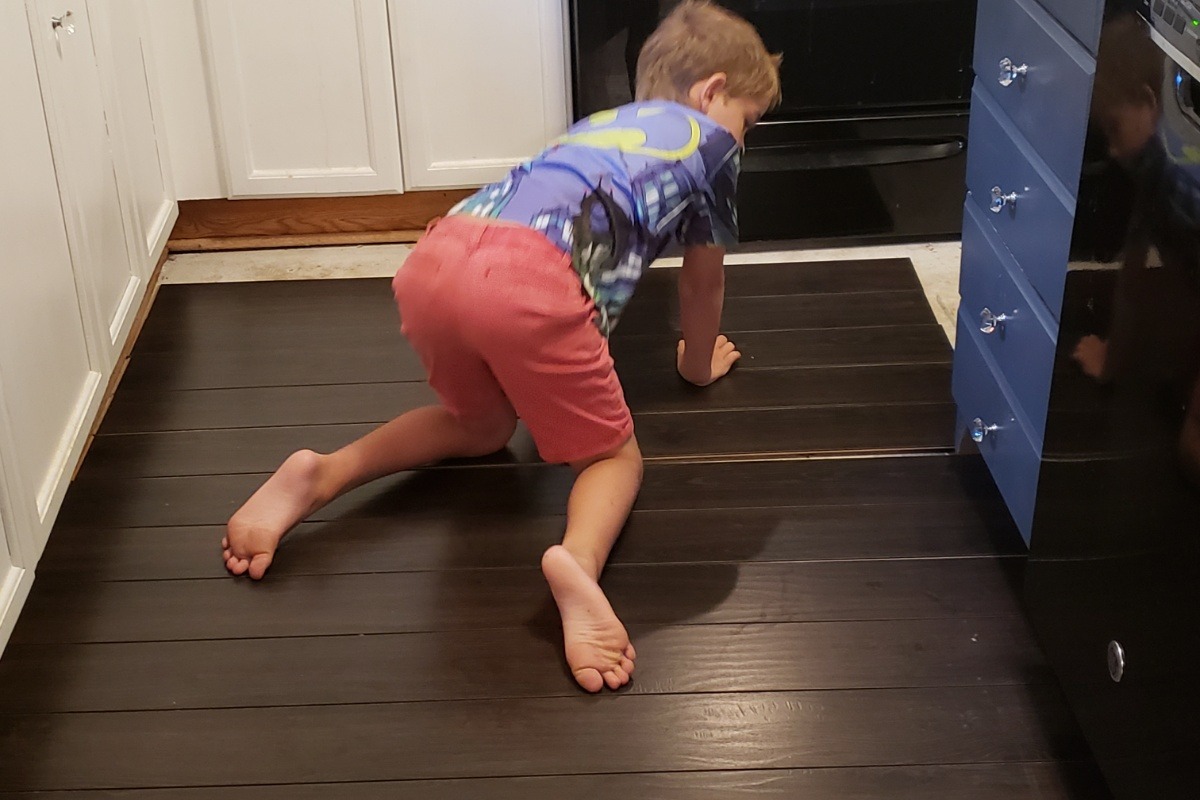
CP only affects his lower extremities causing him difficulty with walking, standing, and balance while continuing to get worse as he gets older. He is unable to sit straight with his legs out in front of him without leaning back on his hands to hold him up. He uses his hands to pull up his legs to put on his shoes and socks. He swings his legs back and forth to get them high enough to catch the top step on the bus or vehicle because he doesn't have the strength to lift them.
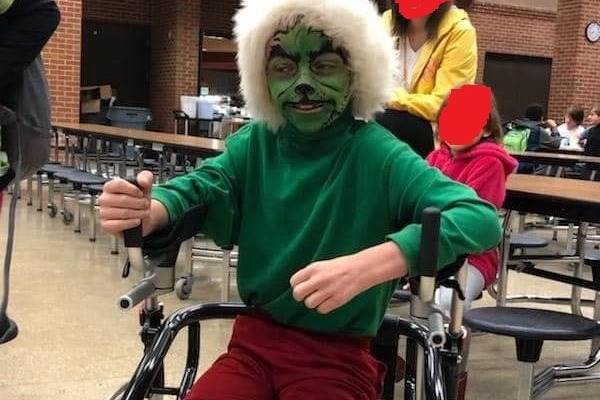
Hudson takes medication to relax his muscles and wears AFO's to help stretch the muscles but despite this, his muscles are often tight and painful which affects his balance and coordination and he falls often. He fatigues a lot so he uses a walker to get around and wheelchair for long distances.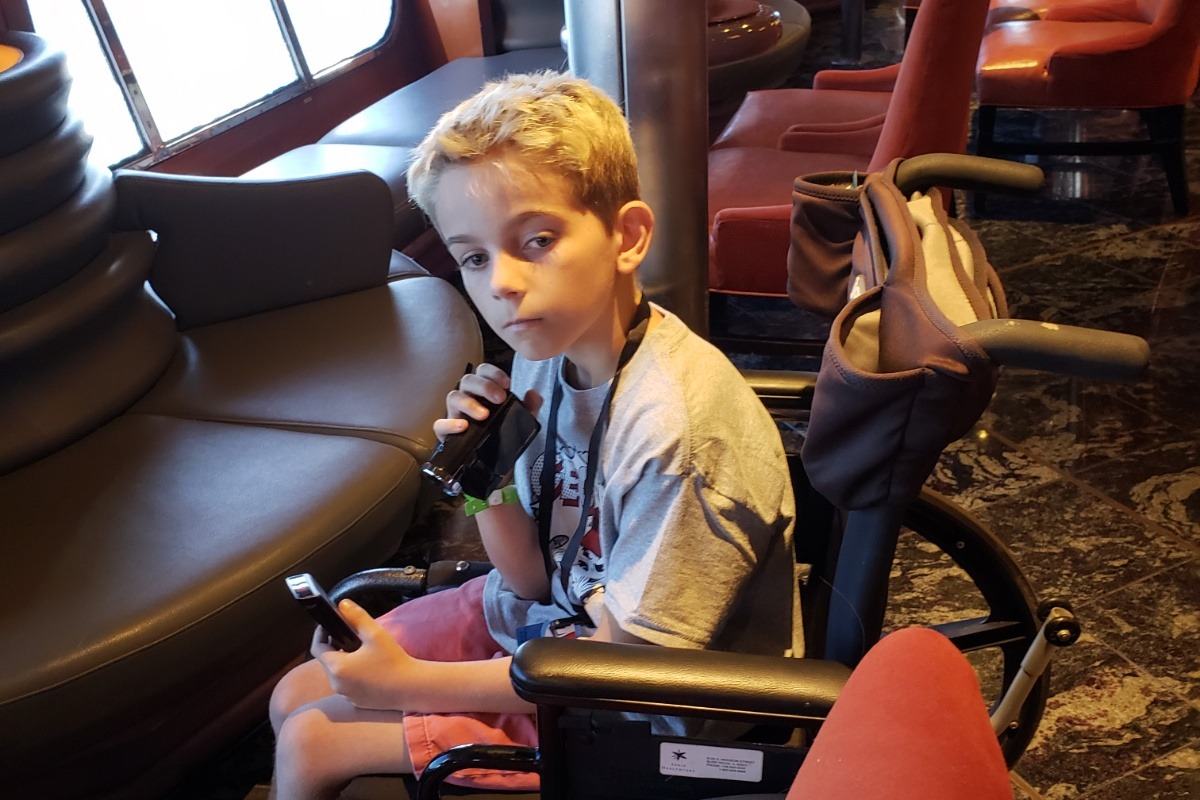
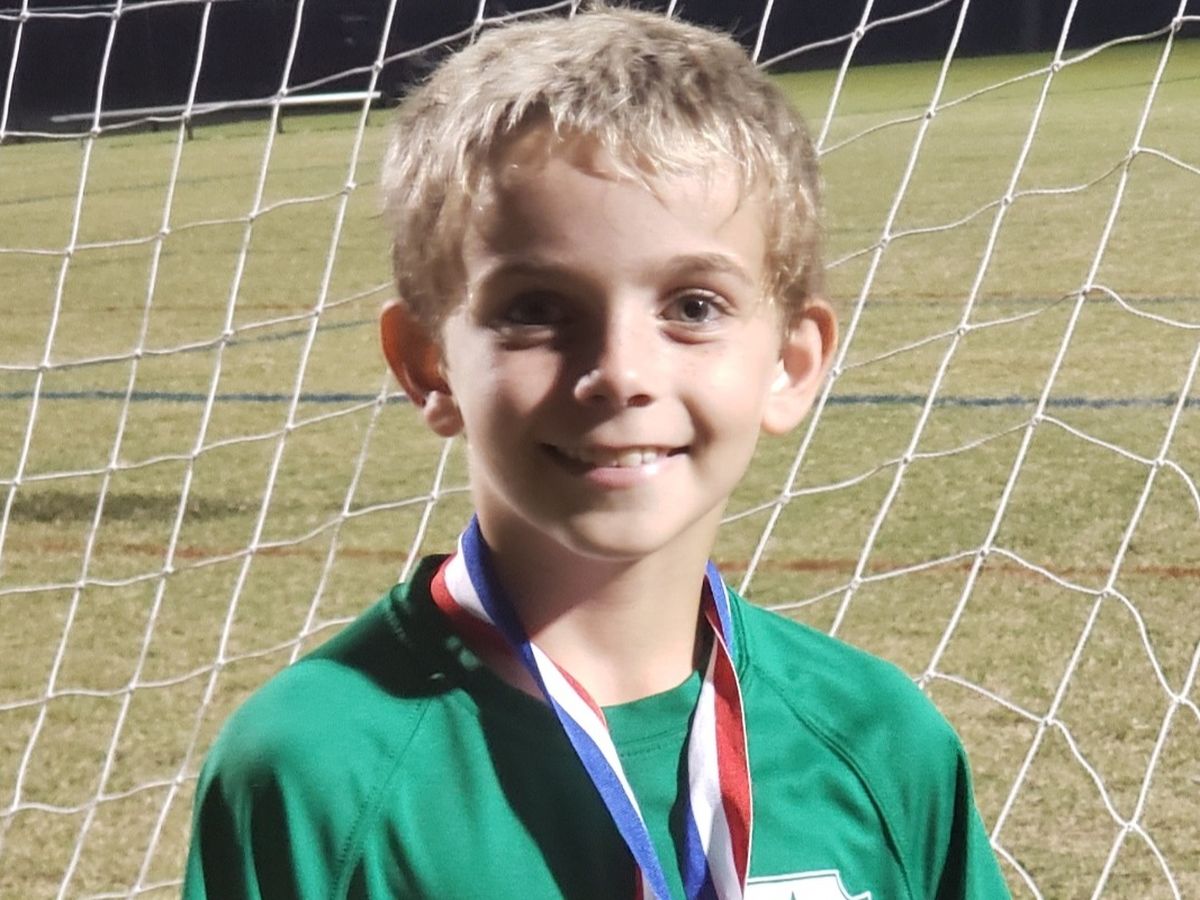
It is Hudson's dream to play sports with his peers and feel confident he can keep up or utilize the new golf clubs he got for his birthday. He often makes up stories of him playing football and running touchdowns when I ask him how his day was at school. He would like to be able to carry his own lunch tray and book bag instead of depending on someone else to carry it. He is not looking for perfection, just more in-dependency and improvement.
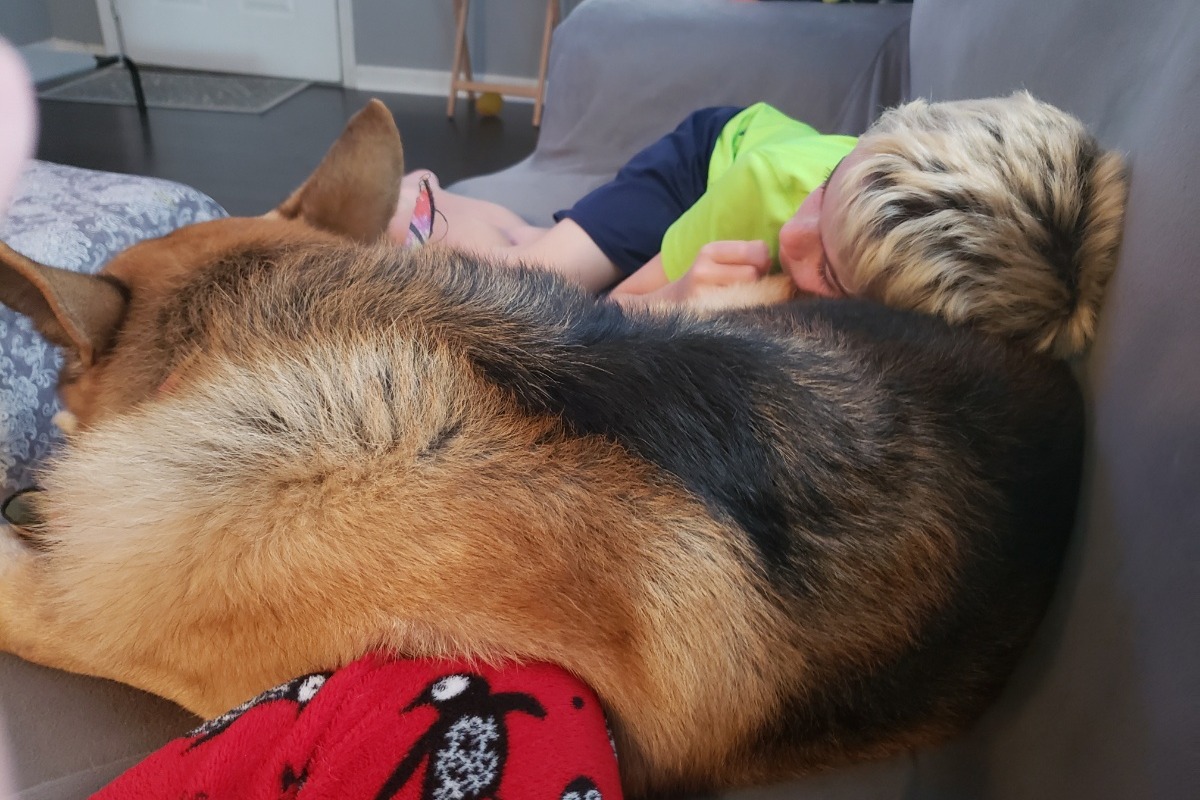
The Spasticity and muscle tightness will not go away and will only get worse without treatment. Other than medication and AFOs, he gets occasional botox and ethanal injections with leg casting, along side weekly physical therapy.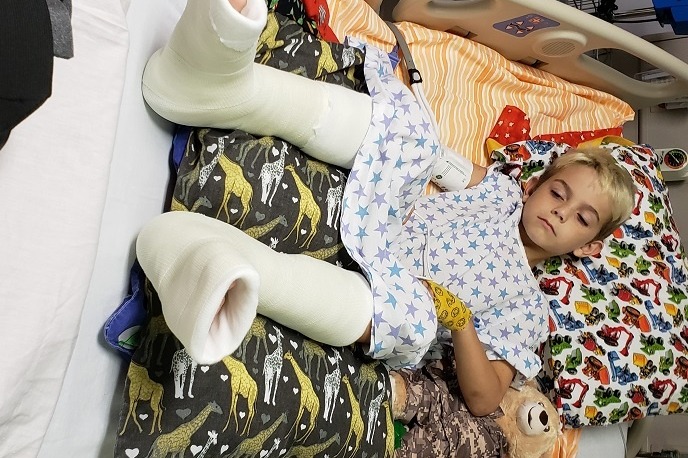
I was scrolling the internet late one night and happened upon a surgery for Spasticity called Selective Dorsal Rhizotomy (SDR) to reduce spasticity. I began researching the procedure and reading awesome success stories. I joined several SDR groups to get more first hand information. I looked up places that performed SDR, which are few, and contacted the one most recommended at the St. Louis Children's Hospital.
I approached Hudson's doctor about the procedure and he gave his approval and helped with getting documentation for the packet to send in for final approval.
Hudson was approved for the surgery. The procedure involves probing and cutting some of the misfiring nerves in the spinal cord that contribute to spasticity in his legs. Enough healthy nerves are left intact so that he will be able to walk more easily.
Preparing for Surgery
Although we have employer-provided health insurance, it will not cover everything and the maximum-out-of-pocket must be met. The plan will not cover all of the intensive therapy Hudson will require after the procedure to retrain his “new legs” to walk. We are also anticipating travel costs, as well as income lost from time I will need to take off in order to attend to him until he is able to return to school.
 Choosing elective spine surgery for Hudson has felt at times like an impossible decision to make. But we are confident that it will dramatically improve his life for decades to come.
Any help you can give Hudson to get the treatment he needs will be greatly appreciated. Thank you all so much.
 The Science
Selective Dorsal Rhizotomy surgery is a permanent way of reducing spasticity. The surgery for children with CP was pioneered by Dr T.S. Park and has been practiced at Saint Louis Children’s Hospital for over 30 years with almost 4,000 children receiving this precious gift since its inception.
Dr. Park will open up a 1-2 inch incision along his spine and, during a 4-hour surgery, go nerve-by-nerve to test and cut only the nerve rootlets that cause the spasticity in his legs. The ideal time to do this surgery is by age 10 before any permanent damage is done to bone structure and muscle. Hudson will be 10 in September and since we just recently gained knowledge about the surgery, we are pushing to get it done as soon as possible. We have selected the best facility in the world for this type of surgery in St. Louis, MO and at this point we are hopping to get a surgery date for January 2020, which would give us time to prepare for the trip and procedure.
Hudson will remain in the hospital for one week in St. Louis, and we are also exploring staying on through the end of the second week for additional physio-therapy with the St. Louis team before we return home.
Once back home, Hudson will be recovering at home. He will need to relearn how to use his "new legs" and body. Physio-therapy is very important post-surgery: 4-5x weekly for the first 6 months, 3-4x weekly for the next 6 months and then 1-2x weekly for the next year or two after that.
Since the SDR surgery is permanent and will remove most (if not all) of the excess spasticity, Hudson will have improved gait function, balance and endurance. Oxygen studies show how much additional oxygen and energy children with CP consume to keep up with their peers on a daily basis, which leaves them more tired for physical and mental activities. SDR should help alleviate this for Hudson as well.
As you can understand, we are extremely nervous and extremely excited to take this giant step into the unknown. We have been fortunate to speak with many parents who have had children undergo SDR. None have expressed any regret for their decision, and have urged us to be brave and do whatever it takes to provide Hudson with the surgery and rehabilitation.
The Future
In the future, with SDR having relieved the spasticity, Hudson may need to undergo further orthopedic surgery for tendon lengthening to ensure that his muscles and tendons are sufficiently long to ensure full movement after all of the years of tightness. This can take place in the hamstring, achilles tendon and gastroc muscle depending on each individual’s requirements. He will also need to return for post check-up to review progress.
Information about Surgery and Dr. Park:
'Do not give up' – meet the doctor giving hope to children with spastic cerebral palsy
About Selective Dorsal Rhizotomy (SDR)
St. Louis Children's Hospital
Hudson's Story
Hudson was carried full term without any complications, but during delivery his blood pressure continued to drop resulting to delivery via an emergency c-section. He went home on time without any complications and seemed to be normal up until he started to stand on his own. We noticed his body would jerk/spasm causing him to fall back on his head when there was sudden loud noise or loss of balance. At 18 months he was not walking, sitting up, or standing on his own as his same age peers. We started seeking answers from doctor to doctor, test and more tests until they finally diagnosed him with Spastic Diplegic Cerebral Palsy.
CP only affects his lower extremities causing him difficulty with walking, standing, and balance while continuing to get worse as he gets older. He is unable to sit straight with his legs out in front of him without leaning back on his hands to hold him up. He uses his hands to pull up his legs to put on his shoes and socks. He swings his legs back and forth to get them high enough to catch the top step on the bus or vehicle because he doesn't have the strength to lift them.
Hudson takes medication to relax his muscles and wears AFO's to help stretch the muscles but despite this, his muscles are often tight and painful which affects his balance and coordination and he falls often. He fatigues a lot so he uses a walker to get around and wheelchair for long distances.
It is Hudson's dream to play sports with his peers and feel confident he can keep up or utilize the new golf clubs he got for his birthday. He often makes up stories of him playing football and running touchdowns when I ask him how his day was at school. He would like to be able to carry his own lunch tray and book bag instead of depending on someone else to carry it. He is not looking for perfection, just more in-dependency and improvement.
The Spasticity and muscle tightness will not go away and will only get worse without treatment. Other than medication and AFOs, he gets occasional botox and ethanal injections with leg casting, along side weekly physical therapy.
I was scrolling the internet late one night and happened upon a surgery for Spasticity called Selective Dorsal Rhizotomy (SDR) to reduce spasticity. I began researching the procedure and reading awesome success stories. I joined several SDR groups to get more first hand information. I looked up places that performed SDR, which are few, and contacted the one most recommended at the St. Louis Children's Hospital.
I approached Hudson's doctor about the procedure and he gave his approval and helped with getting documentation for the packet to send in for final approval.
Hudson was approved for the surgery. The procedure involves probing and cutting some of the misfiring nerves in the spinal cord that contribute to spasticity in his legs. Enough healthy nerves are left intact so that he will be able to walk more easily.
Preparing for Surgery
Although we have employer-provided health insurance, it will not cover everything and the maximum-out-of-pocket must be met. The plan will not cover all of the intensive therapy Hudson will require after the procedure to retrain his “new legs” to walk. We are also anticipating travel costs, as well as income lost from time I will need to take off in order to attend to him until he is able to return to school.
Choosing elective spine surgery for Hudson has felt at times like an impossible decision to make. But we are confident that it will dramatically improve his life for decades to come. Any help you can give Hudson to get the treatment he needs will be greatly appreciated. Thank you all so much.
The ScienceSelective Dorsal Rhizotomy surgery is a permanent way of reducing spasticity. The surgery for children with CP was pioneered by Dr T.S. Park and has been practiced at Saint Louis Children’s Hospital for over 30 years with almost 4,000 children receiving this precious gift since its inception.
Dr. Park will open up a 1-2 inch incision along his spine and, during a 4-hour surgery, go nerve-by-nerve to test and cut only the nerve rootlets that cause the spasticity in his legs. The ideal time to do this surgery is by age 10 before any permanent damage is done to bone structure and muscle. Hudson will be 10 in September and since we just recently gained knowledge about the surgery, we are pushing to get it done as soon as possible. We have selected the best facility in the world for this type of surgery in St. Louis, MO and at this point we are hopping to get a surgery date for January 2020, which would give us time to prepare for the trip and procedure.
Hudson will remain in the hospital for one week in St. Louis, and we are also exploring staying on through the end of the second week for additional physio-therapy with the St. Louis team before we return home.
Once back home, Hudson will be recovering at home. He will need to relearn how to use his "new legs" and body. Physio-therapy is very important post-surgery: 4-5x weekly for the first 6 months, 3-4x weekly for the next 6 months and then 1-2x weekly for the next year or two after that.
Since the SDR surgery is permanent and will remove most (if not all) of the excess spasticity, Hudson will have improved gait function, balance and endurance. Oxygen studies show how much additional oxygen and energy children with CP consume to keep up with their peers on a daily basis, which leaves them more tired for physical and mental activities. SDR should help alleviate this for Hudson as well.
As you can understand, we are extremely nervous and extremely excited to take this giant step into the unknown. We have been fortunate to speak with many parents who have had children undergo SDR. None have expressed any regret for their decision, and have urged us to be brave and do whatever it takes to provide Hudson with the surgery and rehabilitation.
The Future
In the future, with SDR having relieved the spasticity, Hudson may need to undergo further orthopedic surgery for tendon lengthening to ensure that his muscles and tendons are sufficiently long to ensure full movement after all of the years of tightness. This can take place in the hamstring, achilles tendon and gastroc muscle depending on each individual’s requirements. He will also need to return for post check-up to review progress.
Information about Surgery and Dr. Park:
'Do not give up' – meet the doctor giving hope to children with spastic cerebral palsy
About Selective Dorsal Rhizotomy (SDR)
St. Louis Children's Hospital