- S
- M
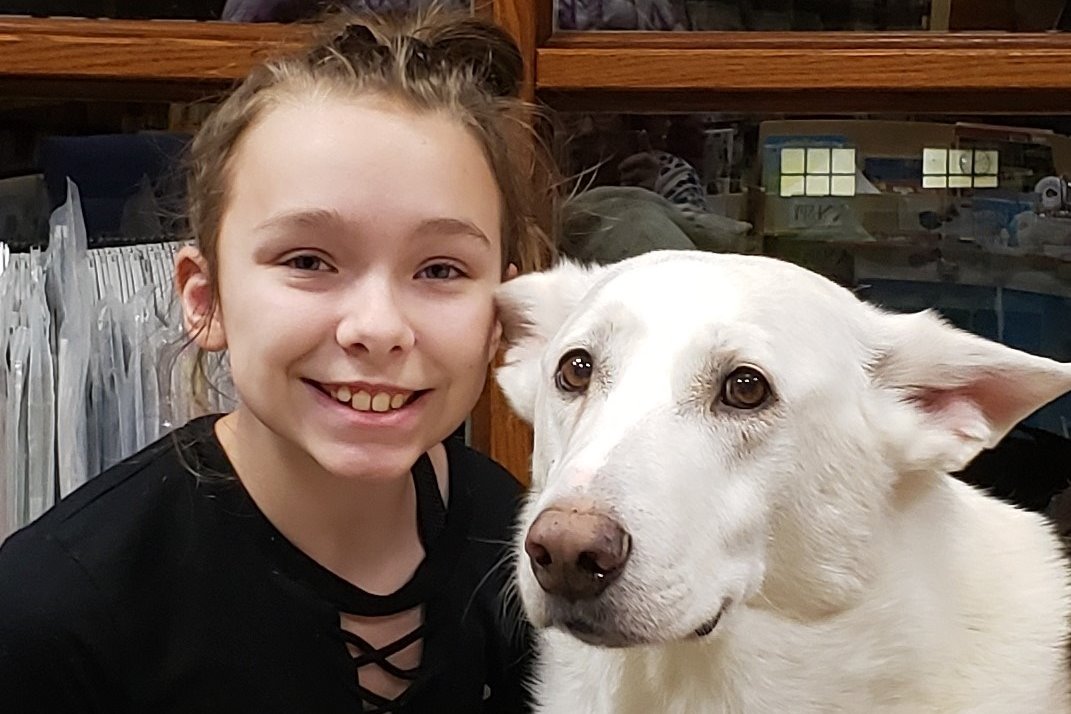
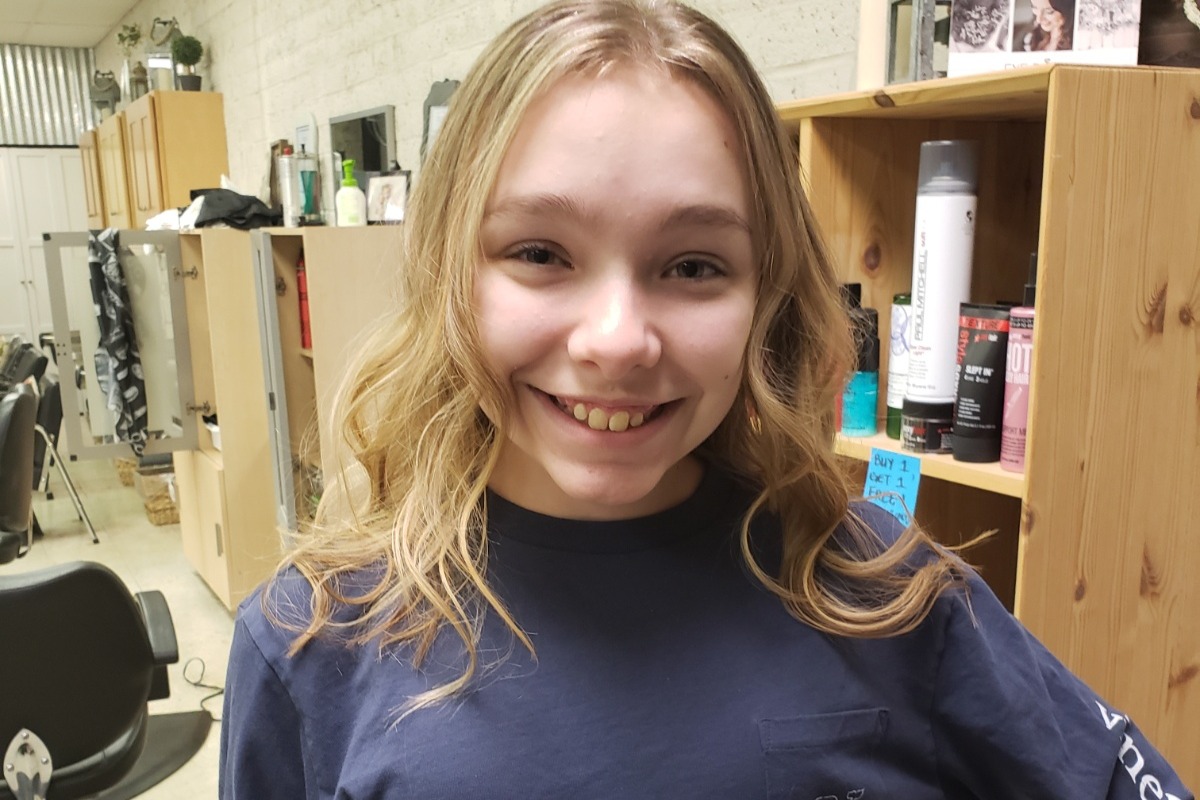 Our Daughter Emma, 14-year-old, was diagnosed with Epilepsy two years ago, and has been approved for a service dog. We are trying to raise money to get her a seizure service dog through Service Dogs of IL.
 She has a wonderful opportunity to have a more independent life with a service dog, but it comes with a steep price tag.
Prior to being diagnosed with epilepsy, Emma was a normal pre-teen, living a normal life. One day on the way home from Sunday school, all that changed. Emma had a tonic-clonic seizure (previously known as a grand-mal) in the car. We had never seen a seizure before. It was extremely frightening. She was was unaware of what was happening and stopped breathing at one point, and her lips turned blue. Luckily , paramedics arrived and told us all of these symptoms were part of seizures. Her seizure lasted approximately 3 1/2 minutes, which feels like an eternity to a parent.
We, as a family, did not know about seizure disorders or epilepsy. Within 48 hours we were in the care of a epilepsy nueroligist specialist, who helped us with testing, medication treatment, MRIs, blood work, EEG tests, and why Emma, was having seizures.
After she was officially diagnosed with epilepsy a few weeks later, her seizures still continued. We went through several different medications, at least 3, over several months, to try to get the seizures under control. This meant weaning her off one, and titrating her up on another, to find the right level trying stop seizures. Each medication would work for a bit, but then stop working, and we'd start the whole process over again. All the while Emma would be having various types of seizures, from 100's of absence (previously known as petite mal), to tonic-clonic, to partial myoclonic ones where just her arms would seize.
In addition to the seizures, she would have severe side effects from the medications. Some included severe and cycling mood swings, irritability, cripling anxiety and depression. We saw a drop in her confidence and self esteem. Currently we see insomnia and short term memory loss. Even with the best medication, breakthrough seizures still occur.
After almost two years since the diagnosis we thought things were starting to go smoothly, but her seizures, auras, and anxiety around fear of seizures affect every aspect of her life. She is starting to feel body awareness to impending seizures and auras. She notices absence seizures when she's already had them.
Her grades have suffered over the past 8 months, due to medication side effects, and some of the other side effects mentioned above, but with lots of effort, they are improving.
She had to quit the swim team, gymnastics, and other loved sports due to possible severe injury or death if a seizure occured. She felt could no longer go to the mall with her friends, see movies, or do normal teenager activities for fear of having a seizure and/or burdening friends with managing a seizure if it occurred. A parent accompanies Emma when she does go with friends or engaged in activities in case an emergency happens.
Personal time, and privacy are not a luxury for Emma. Bathing and showering have to be monitored due to a potential seizure. Typically Emma sings Broadway show tunes so mom can hear her even with the door open to the bathroom!
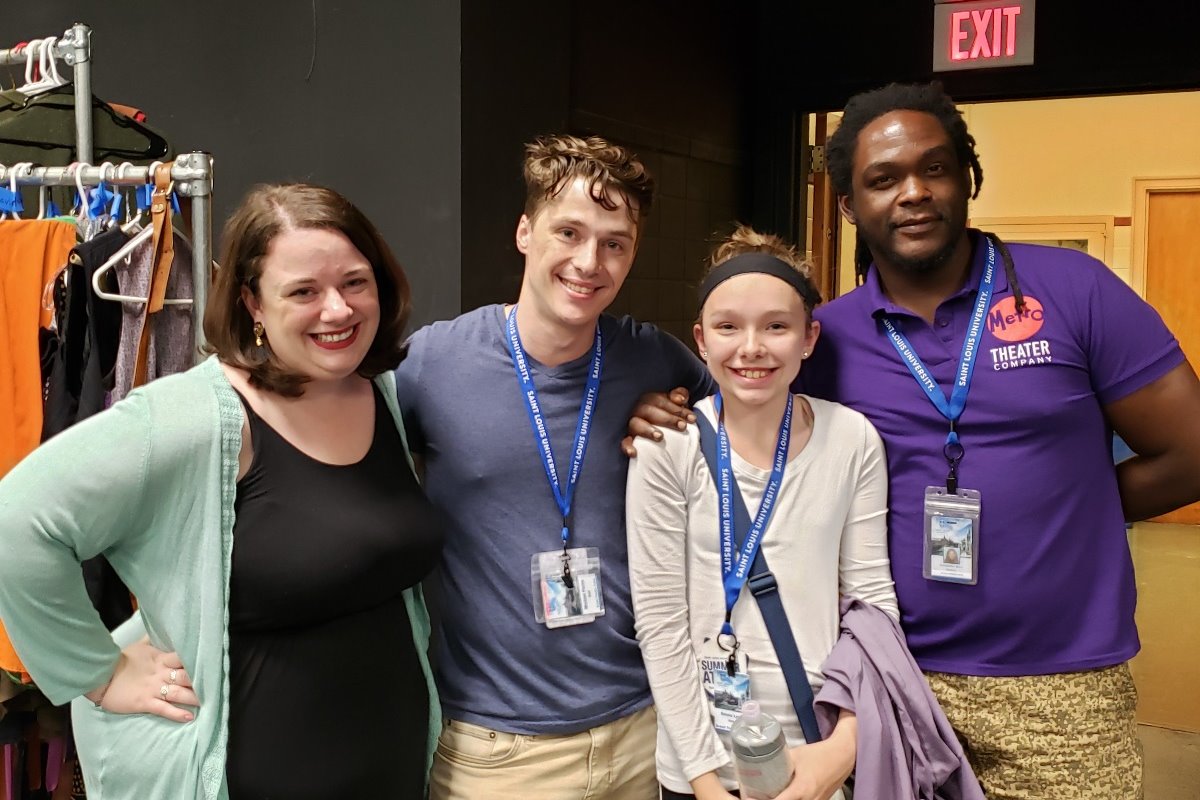
Major crowds and areas with lots of people and noise can trigger auras and anxiety, which can also be triggers for a seizure. This is difficult for Emma because she loves theater and singing. Her dream is to become a director/actress one day.
Simple things like sleepovers and field trips have become difficult due to the medication schedule. She takes medication in the morning and evening, both on a time schedule. If they are missed, or off by a certain amount of time, it could trigger a seizure.
She has never done a sleepover camp or sleep away camp due to her medication schedule. She struggles to be able to make it through the night at sleepovers since being diagnosed.
She has to be very rigid in her sleep cycle, and lack of sleep, stress, and bright lights can all trigger seizures. There are quite a few movies and even tv shows she is not able to see because of the strobe effects and seizure warnings.
Thinking about the future, Emma is concerned about going off to University alone, without parents. Her goal is to go to California and become an actor/director. She is worried about living on her own. If she were to fall during a seizure and hurt herself or in the road, or on the street? Whst if she was home alone, and injured herself.? Who would protect her or know what to do? Emma has concerns about driving, and potentially hurting others if she has a seizure. She thinks ahead into the future a lot and what it means for others, for her, and supporting those like her.
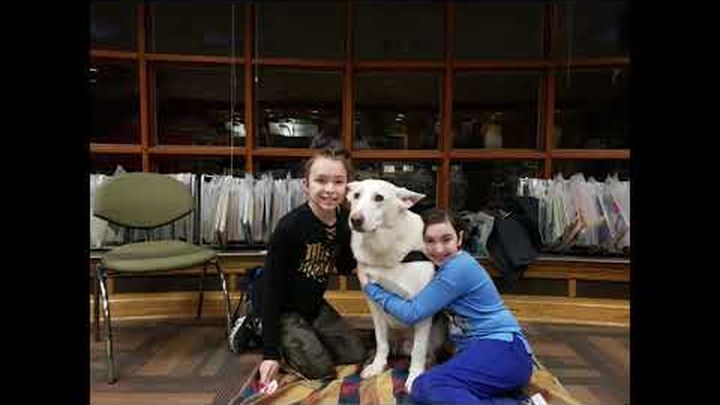
As parents, it is a relief to think about her having a service dog with her to comfort her, to protect her, to work with her when a seizure does occur. We worry constantly about Emma, when a seizure will occur, if today is a "good day" or if she will make it through a school day. It's a relief to think about the ways a service dog can enrich her life in ways we are not even aware of yet.
School days are very difficult for Emma as well. Many days out of the week she struggles with absence seizures and anxiety due to lack of sleep and stress. Due to insomnia (medication effects), she has several absence seizures in the morning before school, which make it nearly if not impossible for her to get to school. Her district is amazing and we have a plan in place to assist her. She is in therapy to help with anxiety and has attended a more intensive treatment program to help, but we are waiting until COVID-19 can allow us to get more answers from her Nuerology Team if there is another underlying epilepsy disorder or a new one developing.
We worry what her adult life will be like, living with epilepsy. We know 1 in 26 individuals have a seizure in their lifetime and epilepsy is more common than MS, and cerebral palsy combined in the US. It is not rare, but individuals do die from epilepsy. We do not want Emma to be one of these people.
She has been approved for a service dog through SIT Service Dogs of Illinois. They are one of the few providers in the country that train seizure service dogs. The total price of a service dog is over $30,000. We are trying to help raise money to pay for it. More information on their service dogs can be found here. https://www.sitservicedogs.com/
A seizure service dog can make a big difference in her life. Instead of having a parent with her at all times, she can learn to also trust in the service dog to assist her, when a parent is not there. It can give her independence when she goes off to University and eventually to live on her own as an adult. It can calm her fears, help regain her confidence, restore her hope.
We want to personally thank you for your donation. Please share our story, and together we can make epilepsy a little easier to deal with. We appreciate you taking the time to read our daughters story and share a bit of our life.