- M
- R
Ein Raum für Erinnerung und Zukunft – Schulbau für Sikuanis
0% complete
€3,158 raised of €4.5K
49 donations
**English and spanish version below**
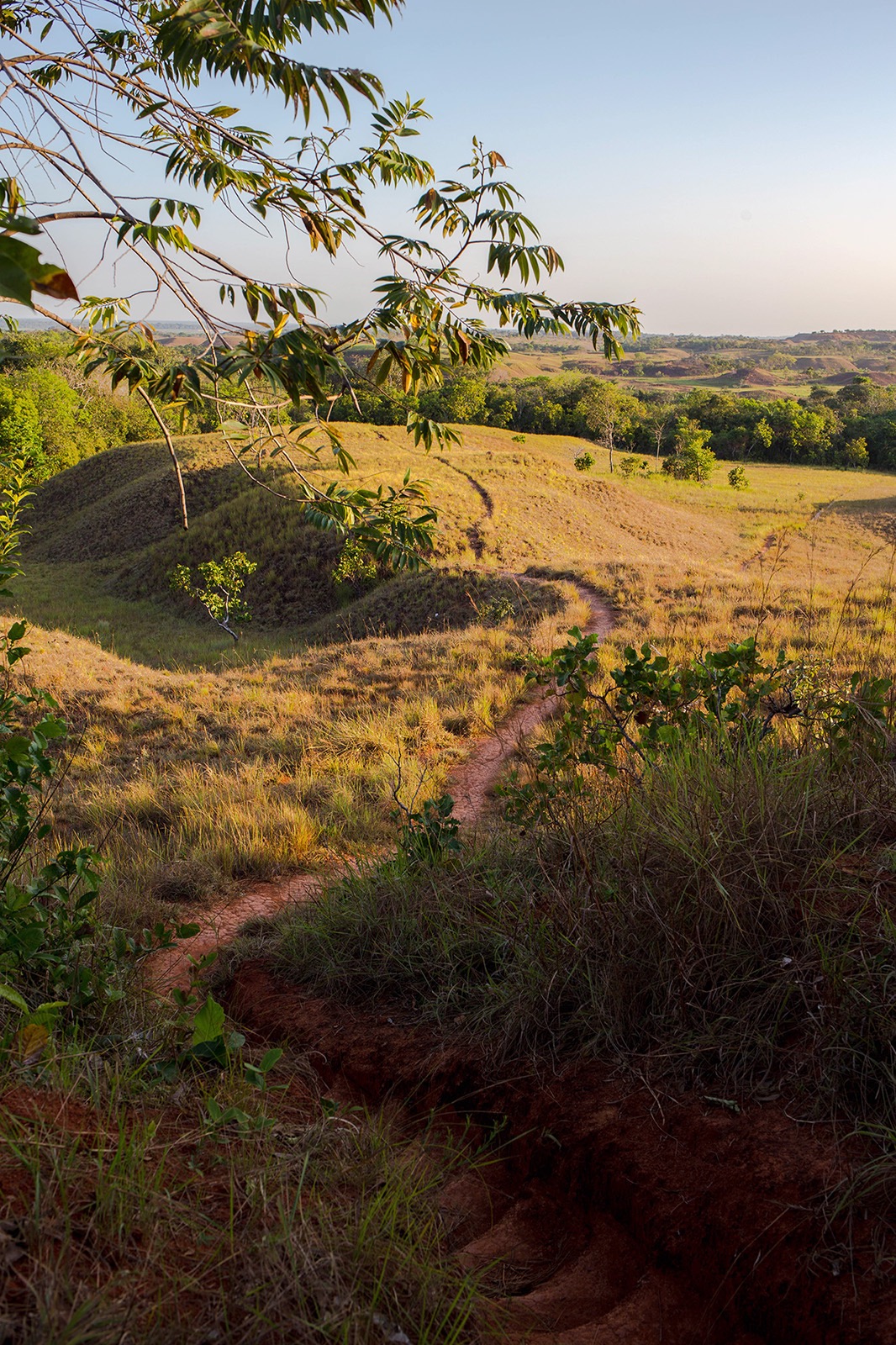
Vor fünf Jahren war ich zum ersten Mal bei den Sikuanis in den Llanos Orientales im Osten Kolumbiens. Ich war mit dem Fahrrad durch Südamerika unterwegs und wurde eingeladen, mehrere Wochen mit der Gemeinschaft zu leben. In dieser Zeit erzählten mir die Menschen vor Ort von einem Plan, der sie bereits seit längerem beschäftigte: einen Ort zu schaffen, an dem ihre eigene Kultur weitergegeben werden kann. Dieser Wunsch bestand damals schon, konnte jedoch aus praktischen und finanziellen Gründen nicht umgesetzt werden.
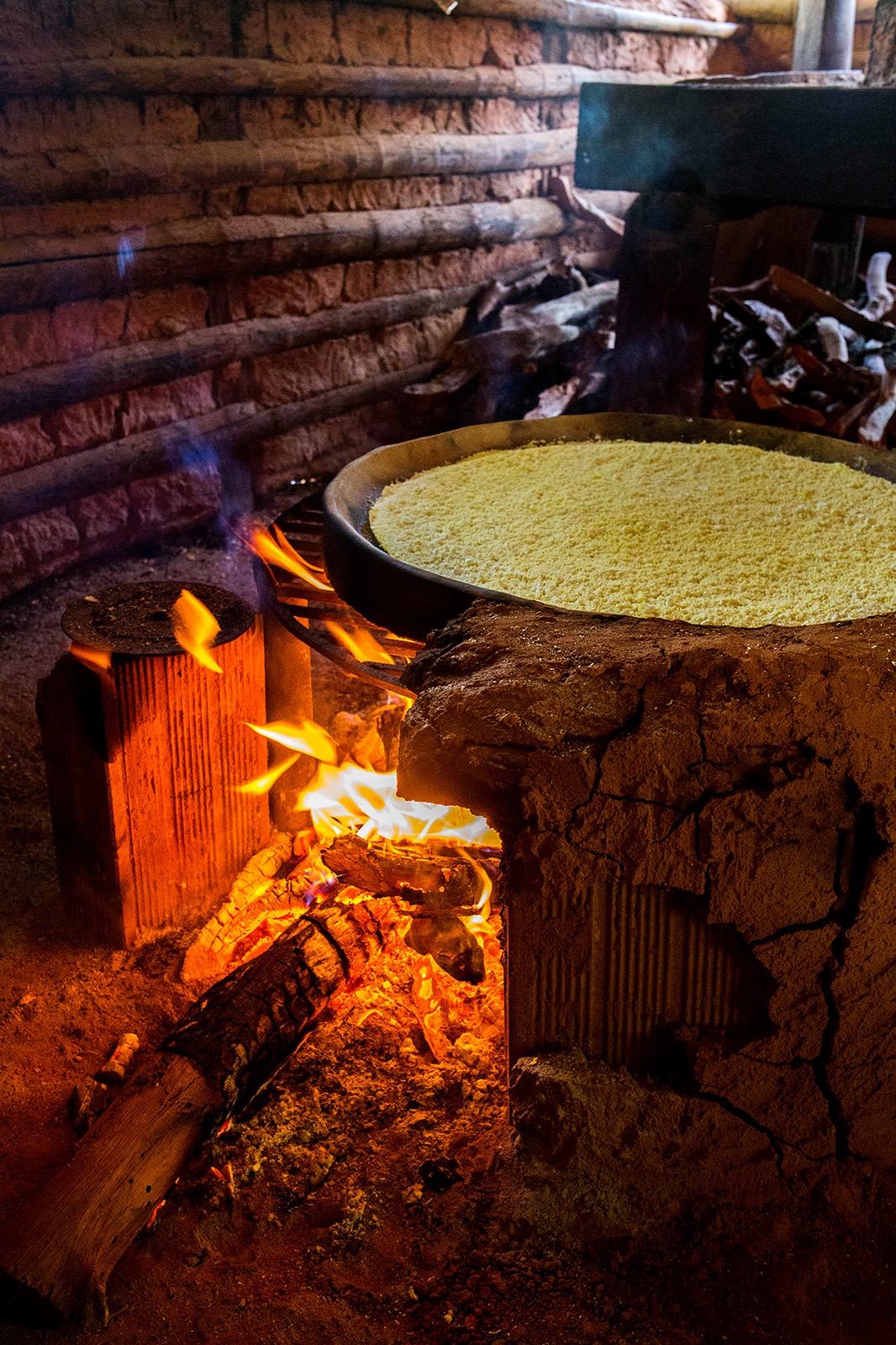
Die Kultur der Sikuanis lebt von mündlicher Überlieferung. Geschichten, Sprache, Wissen über Heilpflanzen und traditionelle Medizin, handwerkliche Techniken, Gesang, Tanz und Rituale werden von den Ältesten an Kinder und Heranwachsende weitergegeben. Dieses Wissen verschwindet nicht abrupt, sondern leise. Weltweit verlieren indigene Kulturen ihre Orte des Austauschs, weil äußere Einflüsse, digitale Medien und religiöse Missionierung den Alltag verändern. Was fehlt, sind Räume, in denen eigene Sprache, Geschichte und Identität selbstverständlich gelebt werden können.
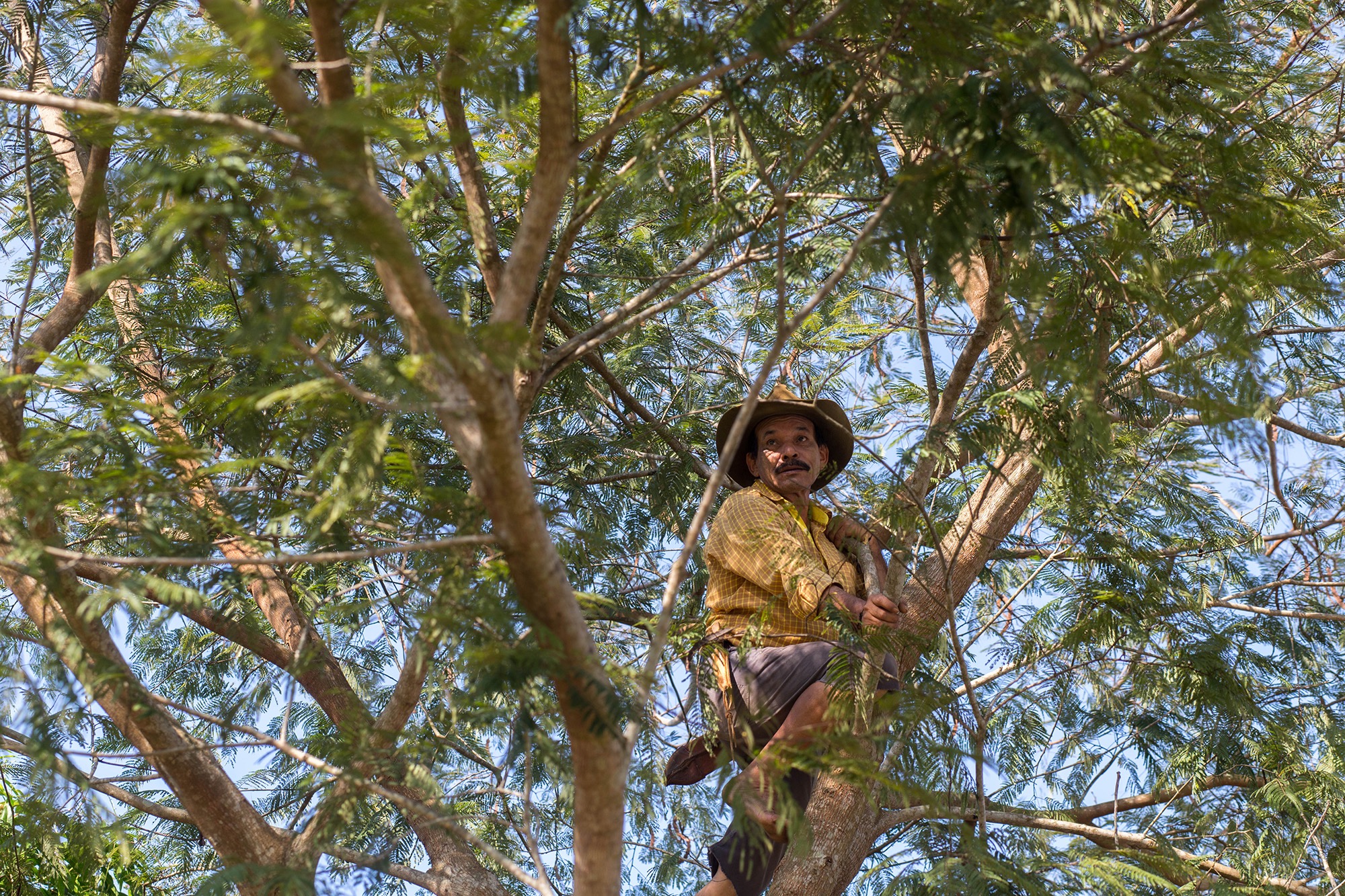
Bei den Sikuanis ist vieles davon noch lebendig. Ihre Kultur ist geprägt von einem tiefen Bezug zur Natur, von gemeinschaftlichem Handeln, gegenseitiger Verantwortung und einem Verständnis von Wissen als etwas, das geteilt und gelebt wird. Gleichzeitig war bereits vor fünf Jahren spürbar, wie fragil diese Weitergabe wird, wenn es keinen festen Ort dafür gibt. Der Plan für eine Schule entstand nicht von außen, sondern aus der Gemeinschaft selbst heraus, als Antwort auf diese Entwicklung. Seitdem wurde immer wieder nach Möglichkeiten gesucht, ihn umzusetzen, ohne dass die Gemeinschaft die dafür nötigen Mittel allein aufbringen konnte.
Heute, fünf Jahre später, komme ich erneut in diese Region. Ich bin Finn, fremd freireisender Zimmerer, inzwischen ausgebildet und auf traditioneller Wanderschaft. Diese Form des Reisens ermöglicht es mir, meine handwerkliche Arbeit dort einzusetzen, wo sie gebraucht wird. Gemeinsam mit meiner Partnerin Tamila werde ich während der gesamten Bauzeit vor Ort sein und das Projekt begleiten. Unterstützt von freiwilligen Handwerkerinnen und Handwerkern sowie von der Gemeinschaft der Sikuanis kann der Plan, der dort seit vielen Jahren besteht, nun gemeinsam umgesetzt werden.
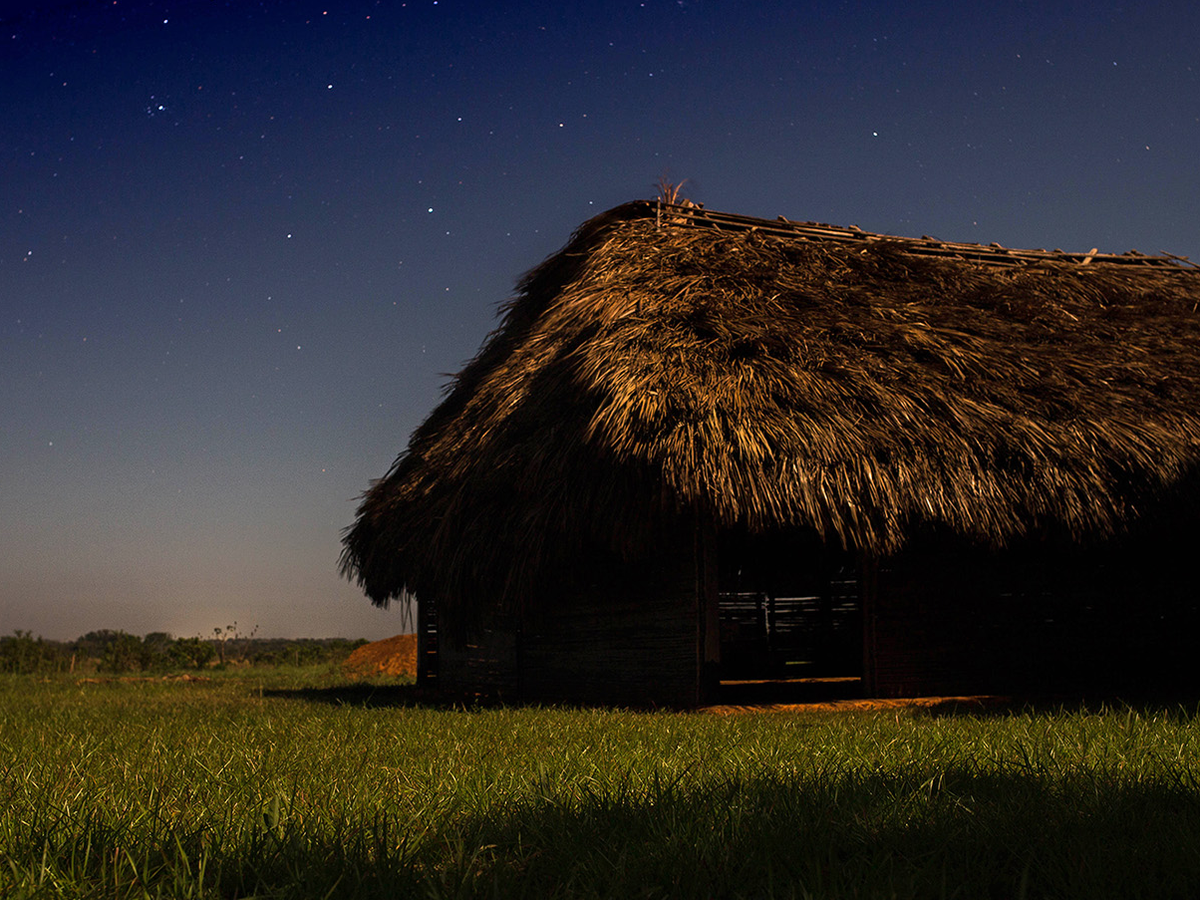
Geplant ist der Bau einer kleinen Schule für Kinder, Jugendliche und junge Erwachsene des Reservats. Kein Bildungsort im westlichen Sinn, sondern ein gemeinschaftlicher Raum für Zuhören, Lernen und Weitergeben. Ein Ort, an dem Geschichten erzählt, Pflanzenwissen vermittelt, traditionelle Medizin praktiziert, gesungen, getanzt und gemeinsam gearbeitet wird. Nicht um etwas Neues einzuführen, sondern um Bestehendes zu stärken. Ein Raum für Erinnerung und Zukunft.
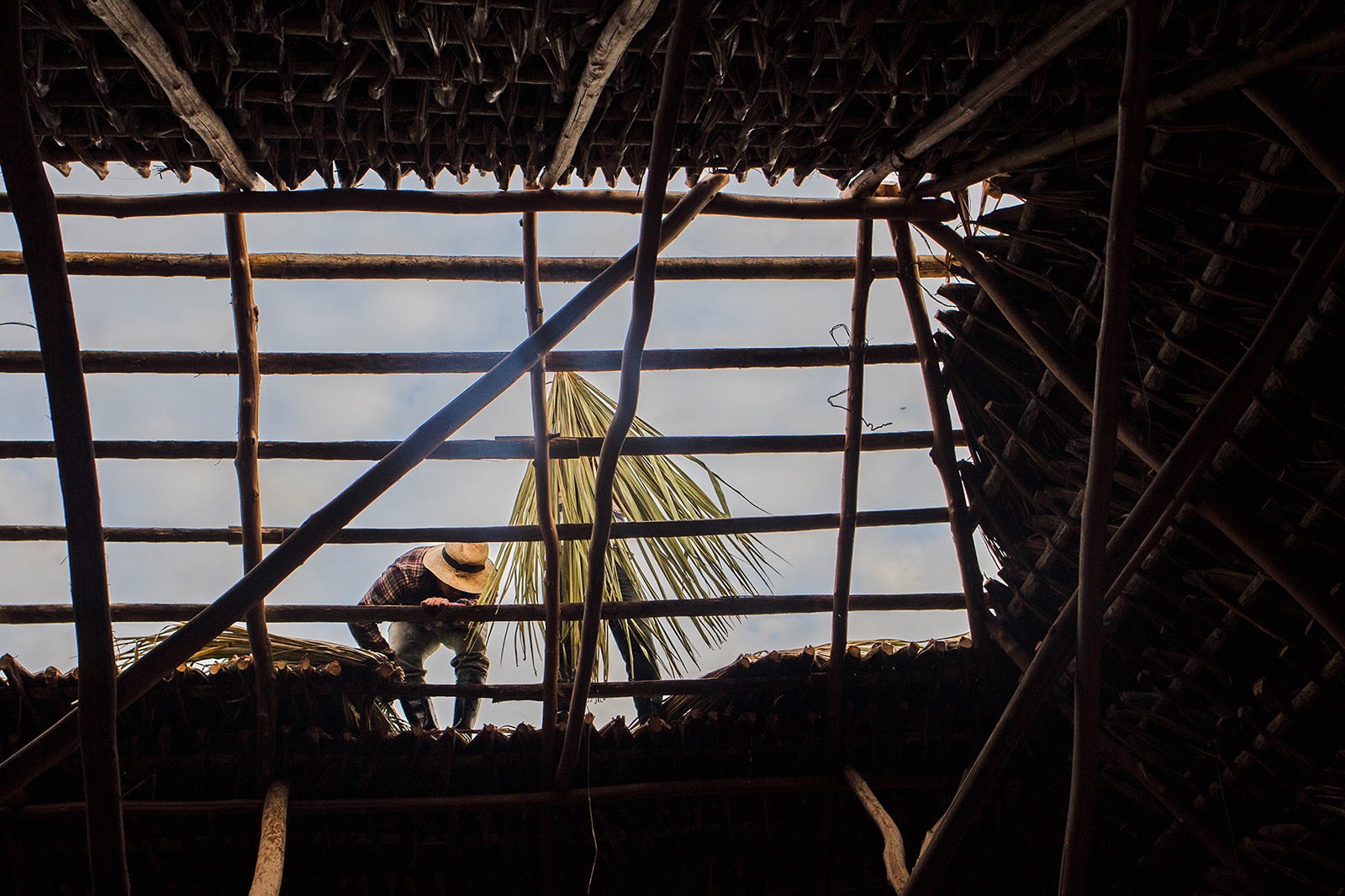
Die Planung und Umsetzung erfolgen in enger Zusammenarbeit mit der Gemeinschaft der Sikuanis. Ansprechpartner vor Ort ist Abuelo Clemente Gaitan, ein Ältester der Gemeinschaft, der sich seit vielen Jahren für den Erhalt der eigenen Kultur einsetzt. Gebaut wird gemeinsam, unter Einbezug traditioneller Bauweisen und Materialien. Menschen aus der Gemeinschaft wirken aktiv mit, ebenso freiwillige Unterstützende. Die Bauzeit ist für Februar 2026 geplant.
Ich übernehme die Projekt- und Bauleitung. Zur Transparenz gehört, dass die Spendengelder über mich gesammelt und weitergegeben werden, während die inhaltliche Verantwortung und Nutzung bei der Gemeinschaft der Sikuanis liegen.
Die Spendengelder werden ausschließlich für Materialkosten, Transport und Verpflegung während der Bauzeit eingesetzt. Sollte kein oder weniger Geld zusammenkommen, wird das Projekt dennoch umgesetzt und privat finanziert; jeder Beitrag unterstützt den Bau unmittelbar und fließt direkt in die Umsetzung vor Ort.
Dieses Projekt wird umgesetzt. Die Spenden entscheiden nicht darüber, ob gebaut wird, sondern darüber, wie gemeinschaftlich dieses Vorhaben getragen werden kann. Jeder Beitrag unterstützt den Bau unmittelbar – ebenso hilft das Weiterteilen dieses Spendenaufrufs dabei, das Projekt bekannt zu machen und gemeinsam zu tragen.
********
English:
Five years ago, I visited the Sikuani people in the Llanos Orientales in eastern Colombia for the first time. I was traveling through South America by bicycle and was invited to live with the community for several weeks. During that time, the people there told me about a plan that had already been on their minds for quite some time: to create a place where their own culture could be passed on. This wish already existed back then, but for practical and financial reasons it could not be realized.
Sikuani culture is rooted in oral tradition. Stories, language, knowledge of medicinal plants and traditional medicine, craftsmanship, songs, dances, and rituals are passed down from the elders to children and young people. This knowledge does not disappear abruptly, but quietly. Around the world, Indigenous cultures are losing their spaces of exchange as external influences, digital media, and religious missionization change everyday life. What is often missing are places where language, history, and identity can be lived naturally and confidently.
Among the Sikuani, much of this knowledge is still alive. Their culture is shaped by a deep connection to nature, communal responsibility, mutual care, and an understanding of knowledge as something that is shared and embodied. At the same time, even five years ago it was clear how fragile this transmission becomes when there is no dedicated space for it. The idea of building a school did not come from outside, but from within the community itself, as a response to this development. Since then, efforts have been made to find ways to realize it, although the community alone has not had the necessary financial means.
Now, five years later, I am returning to this region. My name is Finn, a traveling carpenter following the traditional journeyman’s path, now fully trained and continuing my craft on the road. This way of traveling allows me to offer my skills wherever they are needed. Together with my partner Tamila, I will be present on site throughout the entire construction period and accompany the project. With the support of volunteer craftspeople and the Sikuani community, the plan that has existed there for many years can now be realized together.
The project involves building a small school for children, adolescents, and young adults of the reservation. Not a school in the Western sense, but a communal space for listening, learning, and passing on knowledge. A place where stories are told, plant knowledge is shared, traditional medicine is practiced, songs are sung, dances are performed, and work is done together. Not to introduce something new, but to strengthen what already exists. A space for memory and for the future.
Planning and implementation are carried out in close collaboration with the Sikuani community. The local contact person is Abuelo Clemente Gaitan, an elder of the community who has been committed for many years to preserving their culture. The building process will take place collectively, incorporating traditional construction methods and materials. Members of the community will actively participate, alongside volunteer supporters. The construction period is planned for February 2026.
I will take on the project and construction management. For transparency, all donations will be collected and distributed through me, while the cultural and educational responsibility and future use of the space remain with the Sikuani community.
The donated funds will be used exclusively for material costs, transportation, and food during the construction period. If little or no money is raised, the project will still be carried out and privately financed; every contribution directly supports the building process and flows immediately into the implementation on site.
This project will be realized. Donations do not determine whether the school will be built, but how collectively this endeavor can be supported. Every contribution directly supports the construction — and sharing this call for donations also helps make the project known and carried forward together.
********
Español:
Hace cinco años estuve por primera vez con el pueblo Sikuani en los Llanos Orientales, en el oriente de Colombia. Viajaba por Sudamérica en bicicleta y fui invitado a vivir varias semanas con la comunidad. Durante ese tiempo, las personas del lugar me hablaron de un plan que ya venía ocupándolos desde hacía tiempo: crear un espacio donde su propia cultura pudiera transmitirse. Ese deseo ya existía entonces, pero por razones prácticas y económicas no pudo llevarse a cabo.
La cultura Sikuani vive de la tradición oral. Las historias, la lengua, el conocimiento de las plantas medicinales y de la medicina tradicional, las técnicas artesanales, el canto, la danza y los rituales se transmiten de los mayores a los niños y jóvenes. Este saber no desaparece de forma abrupta, sino silenciosamente. En todo el mundo, los pueblos indígenas están perdiendo sus espacios de intercambio, ya que las influencias externas, los medios digitales y la misión religiosa transforman la vida cotidiana. Lo que a menudo falta son lugares donde la lengua, la historia y la identidad puedan vivirse de manera natural y propia.
Entre los Sikuani, mucho de esto sigue vivo. Su cultura está marcada por una profunda relación con la naturaleza, por la acción comunitaria, la responsabilidad mutua y una comprensión del conocimiento como algo que se comparte y se vive. Al mismo tiempo, ya hace cinco años se percibía lo frágil que puede volverse esta transmisión cuando no existe un espacio propio para ella. La idea de construir una escuela no surgió desde afuera, sino desde la misma comunidad, como respuesta a esta situación. Desde entonces se han buscado repetidamente formas de hacerlo realidad, aunque la comunidad no ha contado con los recursos económicos necesarios para financiarlo por sí sola.
Hoy, cinco años después, regreso a esta región. Soy Finn, carpintero viajero en la tradición del oficio itinerante, ya formado y en camino. Esta forma de viajar me permite ofrecer mi trabajo donde sea necesario. Junto con mi compañera Tamila estaré presente durante todo el período de construcción y acompañaré el proyecto. Con el apoyo de voluntarios y voluntarias del oficio y de la comunidad Sikuani, el plan que ha existido allí durante tantos años puede ahora hacerse realidad de manera conjunta.
Está previsto construir una pequeña escuela para niños, adolescentes y jóvenes adultos del resguardo. No un centro educativo en el sentido occidental, sino un espacio comunitario para escuchar, aprender y transmitir. Un lugar donde se cuenten historias, se comparta el conocimiento de las plantas, se practique la medicina tradicional, se cante, se baile y se trabaje en conjunto. No para introducir algo nuevo, sino para fortalecer lo que ya existe. Un espacio para la memoria y para el futuro.
La planificación y la ejecución se realizan en estrecha colaboración con la comunidad Sikuani. El contacto local es el Abuelo Clemente Gaitan, uno de los mayores de la comunidad, quien desde hace muchos años trabaja por la preservación de su cultura. La construcción se llevará a cabo de manera conjunta, incorporando métodos y materiales tradicionales. Miembros de la comunidad participarán activamente, al igual que personas voluntarias que deseen apoyar. El período de construcción está previsto para febrero de 2026.
Asumo la dirección del proyecto y de la obra. Por transparencia, las donaciones serán recaudadas y distribuidas a través de mí, mientras que la responsabilidad cultural y el uso del espacio permanecen en manos de la comunidad Sikuani.
Los fondos recaudados se destinarán exclusivamente a los costos de materiales, transporte y alimentación durante el tiempo de construcción. Si se recauda poco o ningún dinero, el proyecto se llevará a cabo igualmente y será financiado de manera privada; cada aporte apoya directamente la construcción y se destina de forma inmediata a su realización en el lugar.
Este proyecto se realizará. Las donaciones no determinan si se construirá la escuela, sino cuán colectivamente podrá sostenerse este esfuerzo. Cada contribución apoya directamente la construcción, y también compartir este llamado a donaciones ayuda a dar a conocer el proyecto y a sostenerlo en conjunto.
Organizer