- J
- L
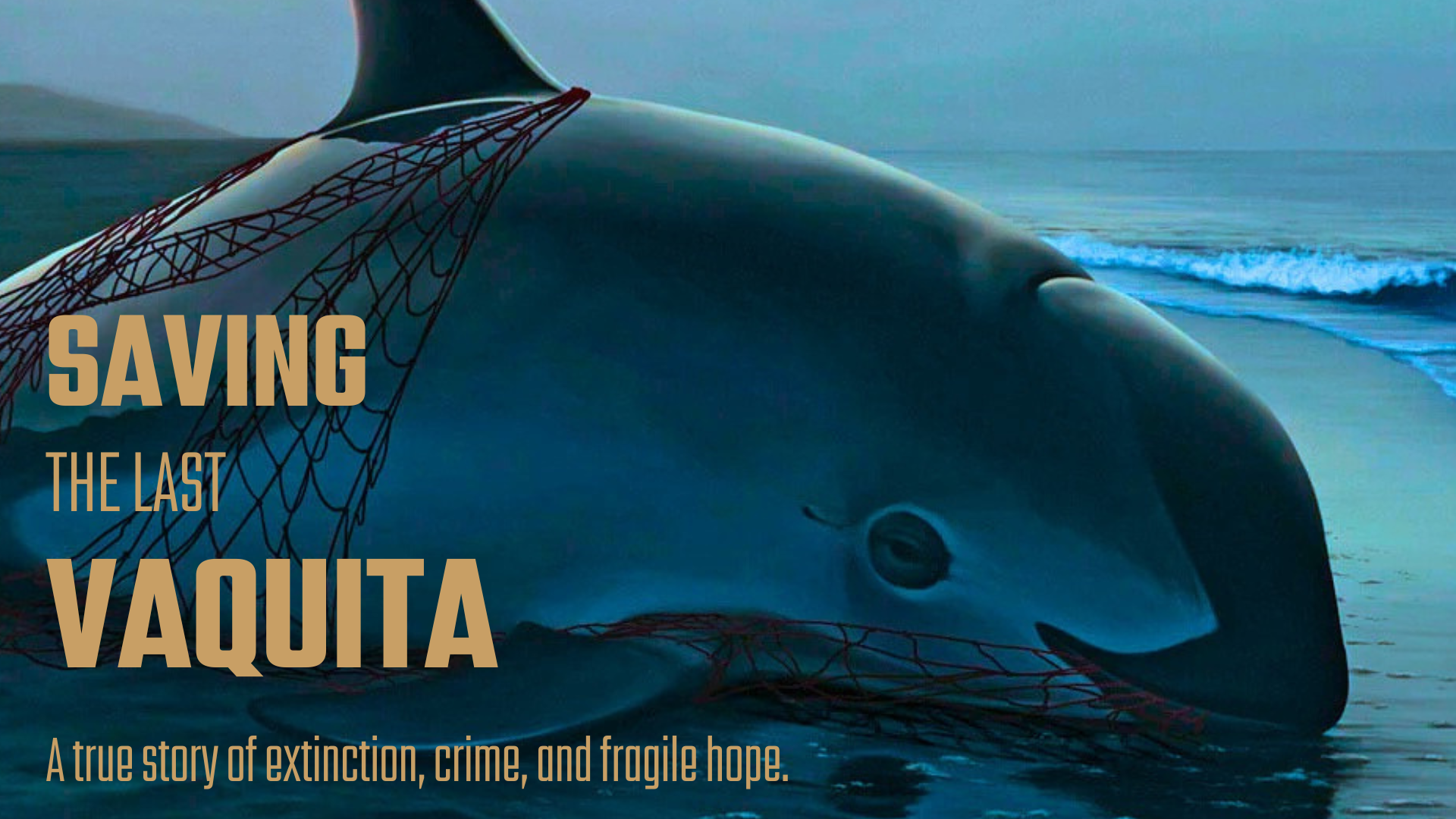
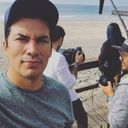
'SAVING THE VAQUITA'
Why This Film Matters
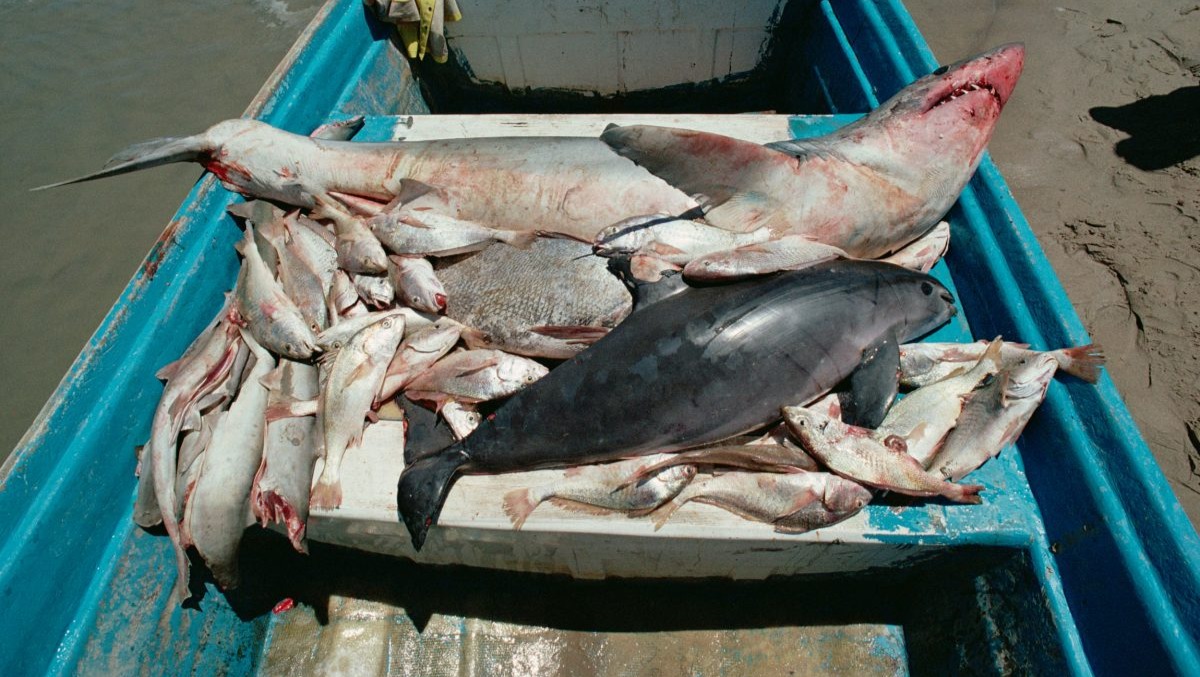
The vaquita porpoise (Phocoena sinus) is the world’s most endangered marine mammal and the smallest cetacean. Caught as bycatch in illegal gillnets set for totoaba—a fish whose dried swim bladders are trafficked to East Asia—the vaquita now stands on the brink of extinction. This crisis links fragile fishing communities, organized criminal networks, and international demand.
Our documentary is not only an urgent cinematic record; it’s a tool to galvanize policy, enforcement, and public pressure.
What we’ve already done
Over the past year, we have worked closely with Sea Shepherd, which has been on the front lines in the Upper Gulf of California for years, gathering firsthand testimony, field footage, and evidence that shows this is an international problem that cannot wait.
We also completed critical reporting and filmed key sequences in Hong Kong with Sharon Kwok Pong, a prominent marine conservationist and environmental advocate. In addition, Mexico’s Ambassador to Hong Kong, Pablo Macedo Riba, spoke about corruption and how Mexican and Chinese organized criminal networks collaborate—documenting how overseas demand helps drive the illegal totoaba market.
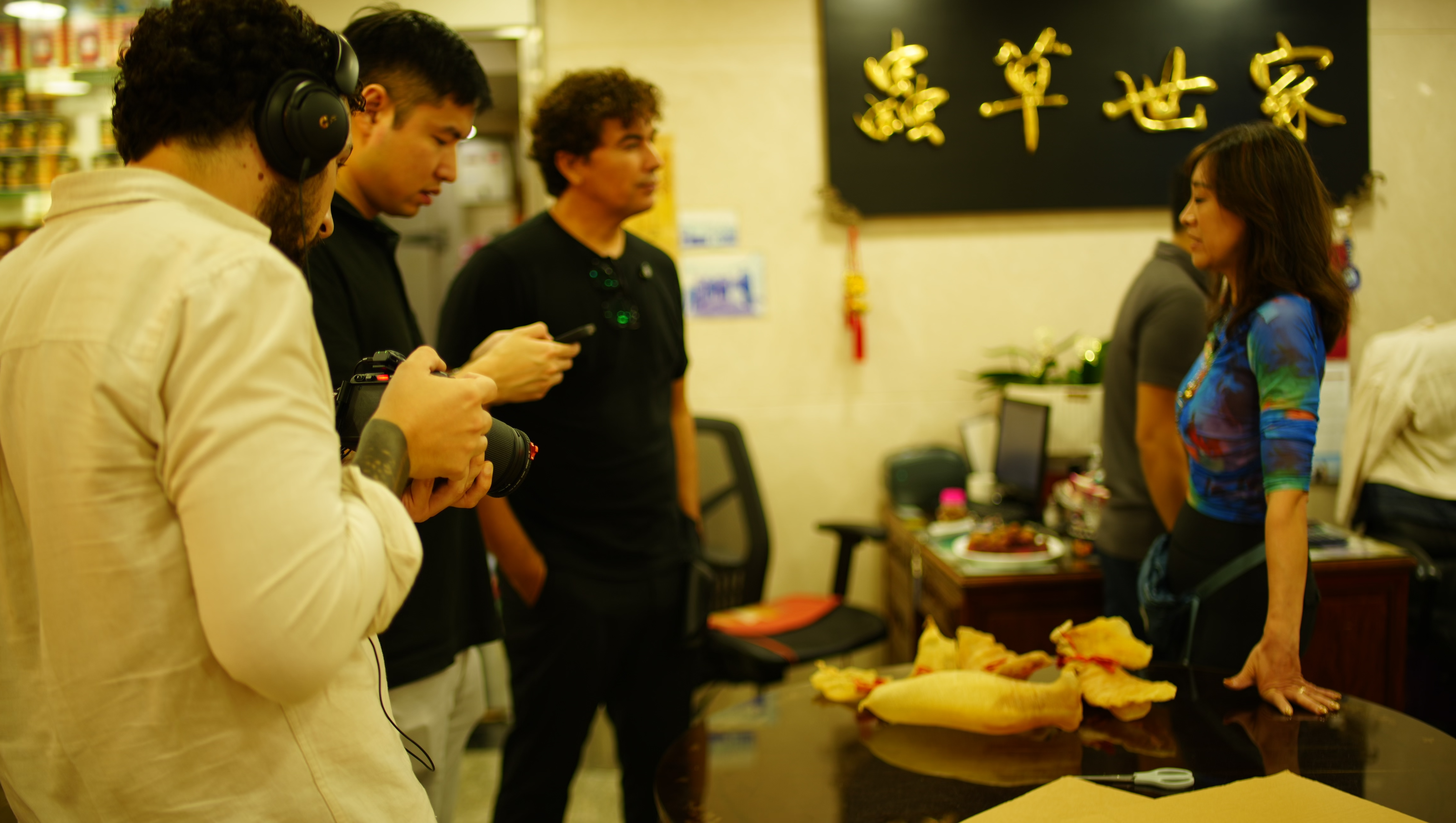
Sharon Kwok Pong found a Totoaba swim bladder in Hong Kong - August 2025.
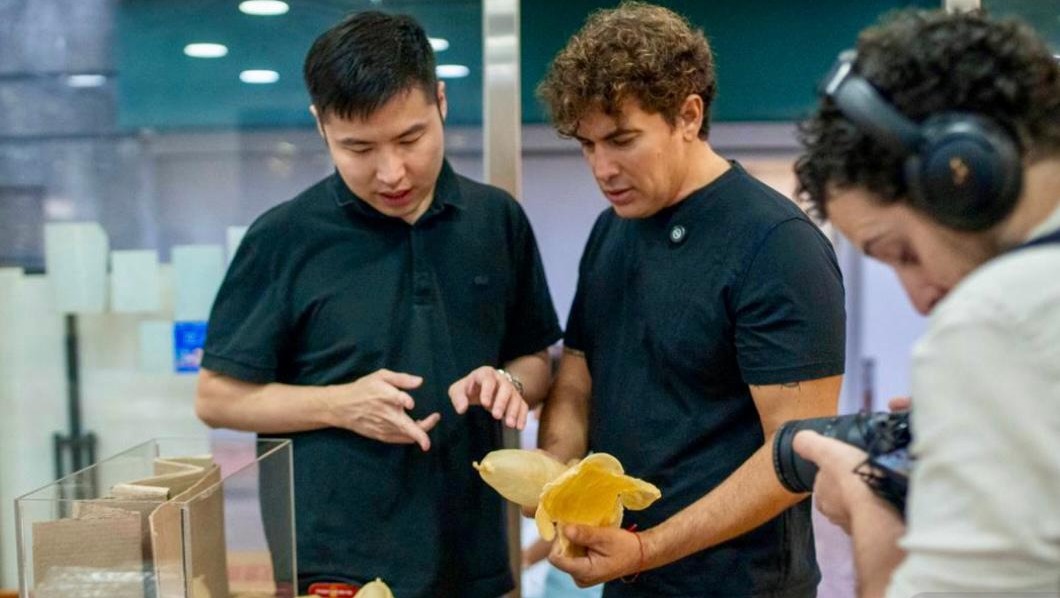
Totoaba swim bladder, in Hong Kong - August 2025.
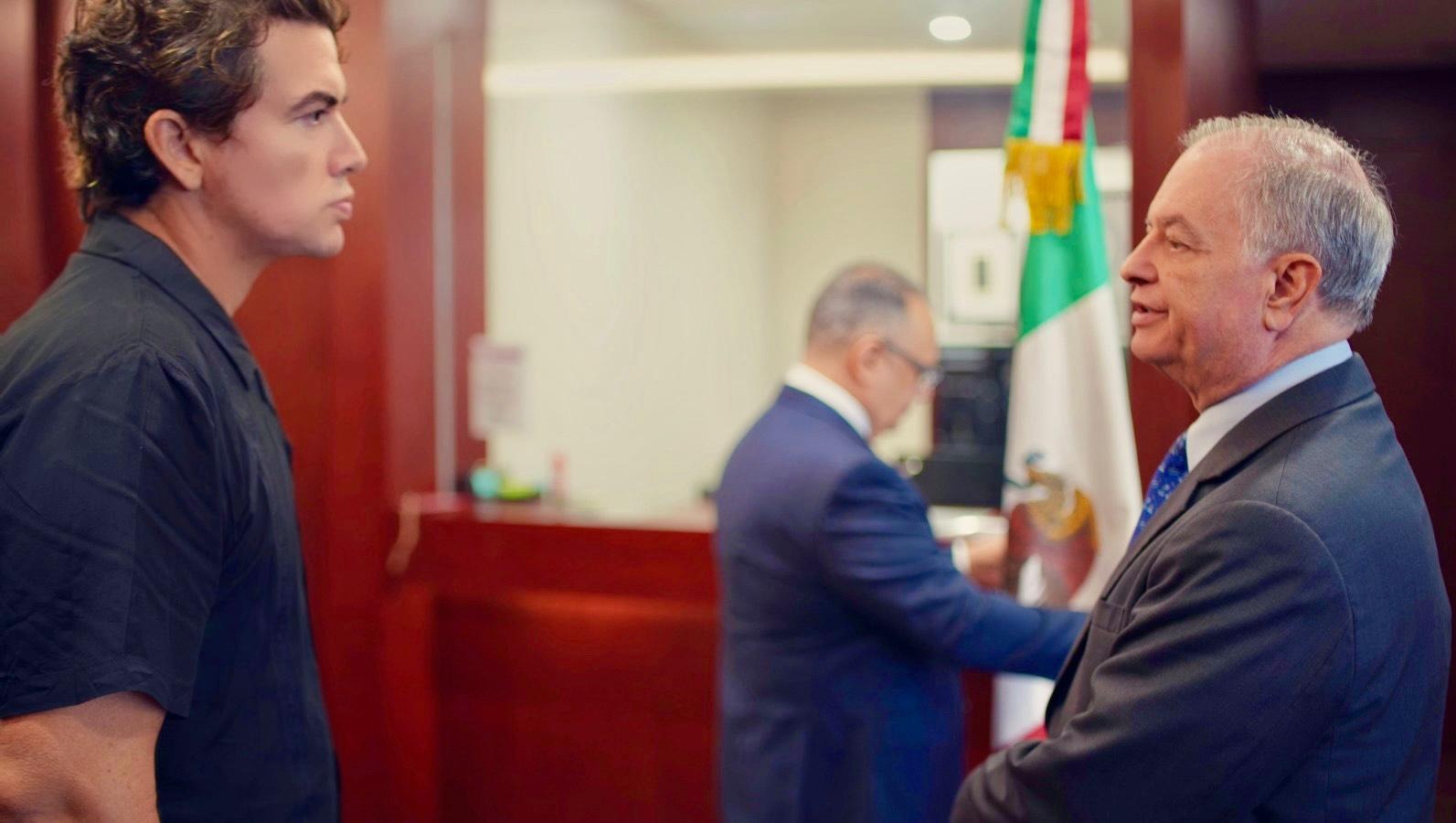
Mexico´s Ambassador in Hong Kong - August 2025.
Why We Need $8,000 Now
This final expedition to the Sea of Cortez will capture decisive material for the film’s conclusion: underwater footage of vaquita habitat; Sea Shepherd and local enforcement in action; urgent, on-the-water interviews with fishers and scientists; and high-quality aerials and archival-grade sound. With these assets, we can deliver a documentary built to drive change.
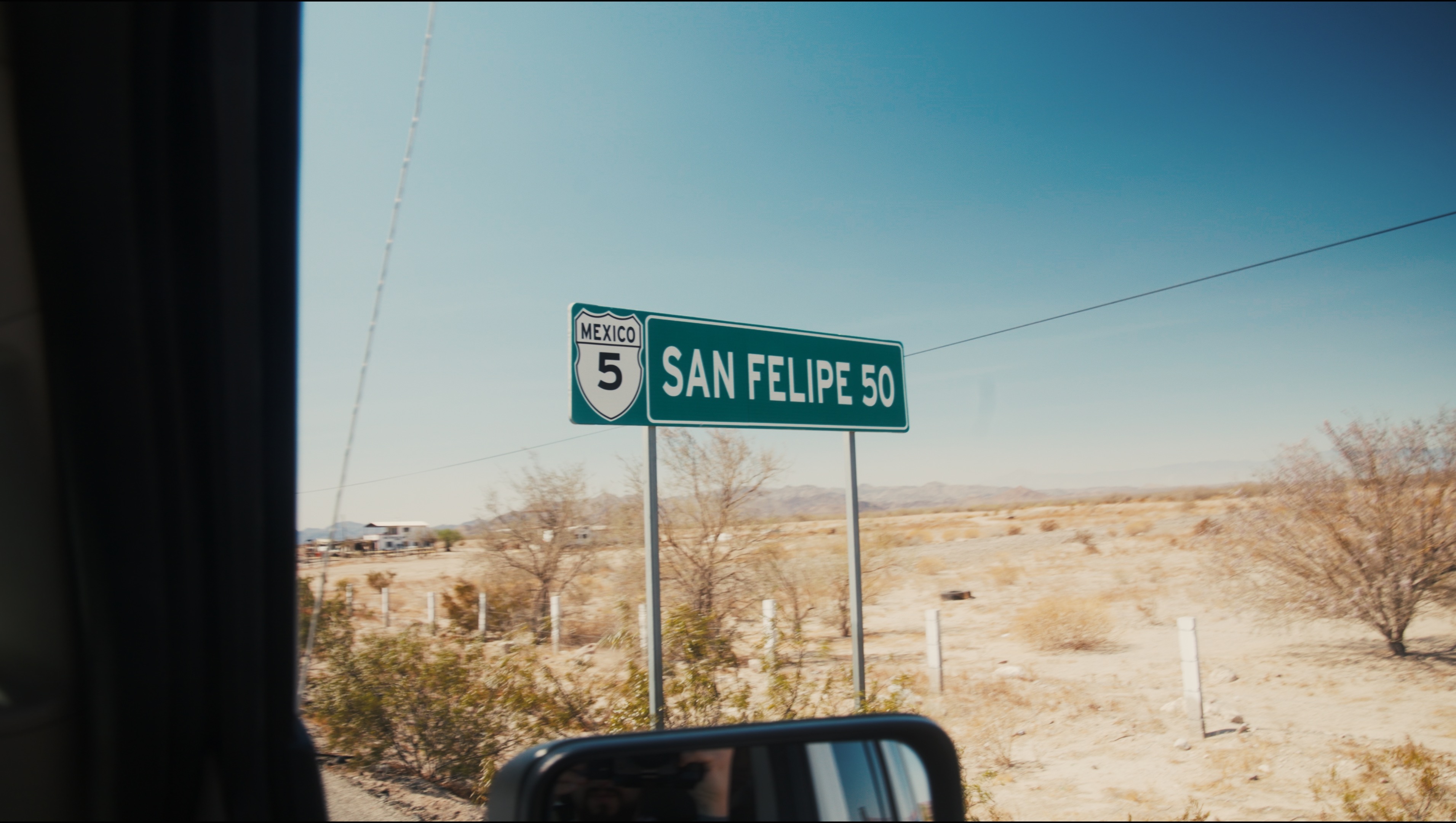
Behind the scenes of the first trip to the Sea of Cortez. April 2025.
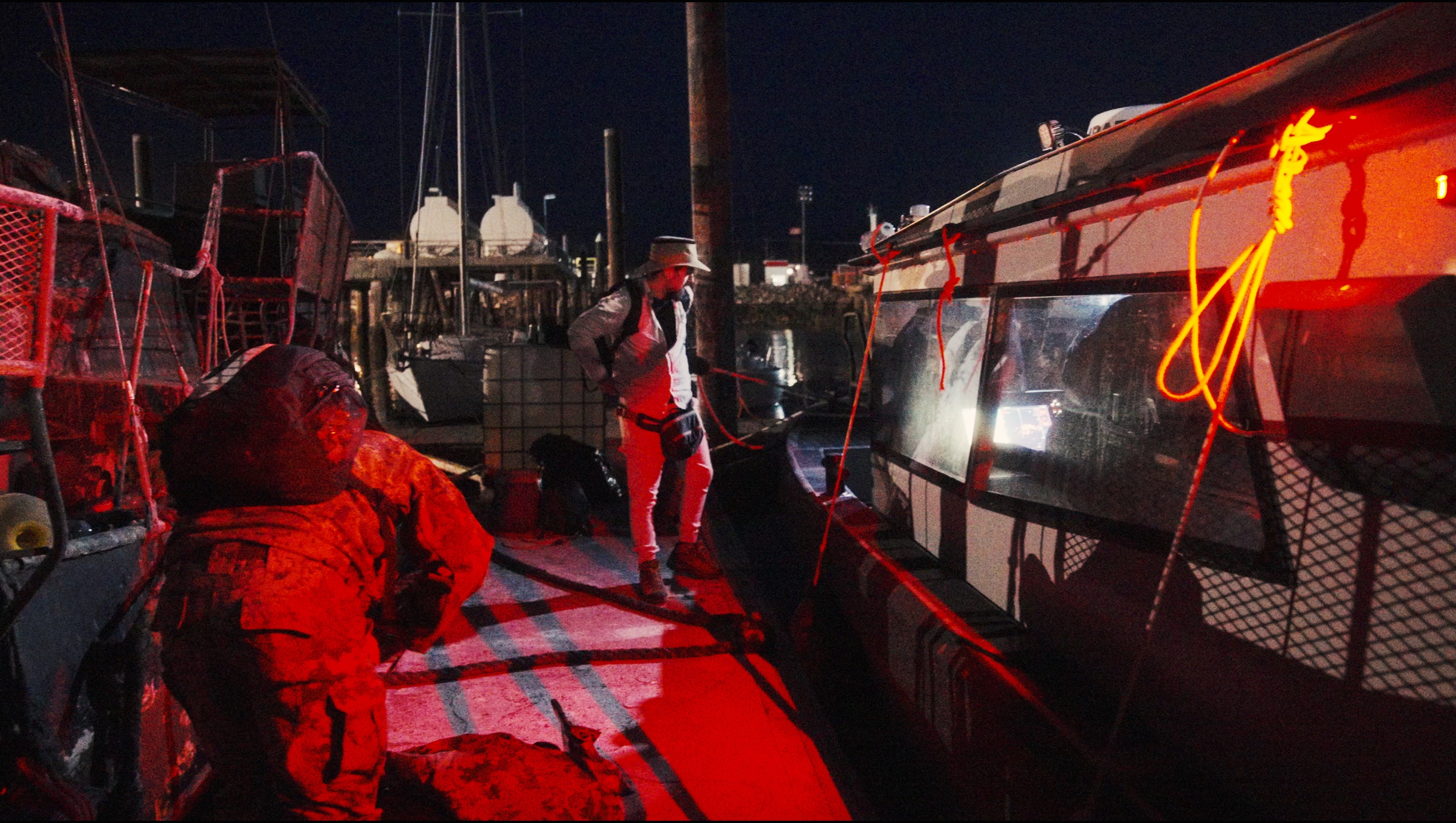
Behind the scenes of the first trip to the Sea of Cortez. April 2025.
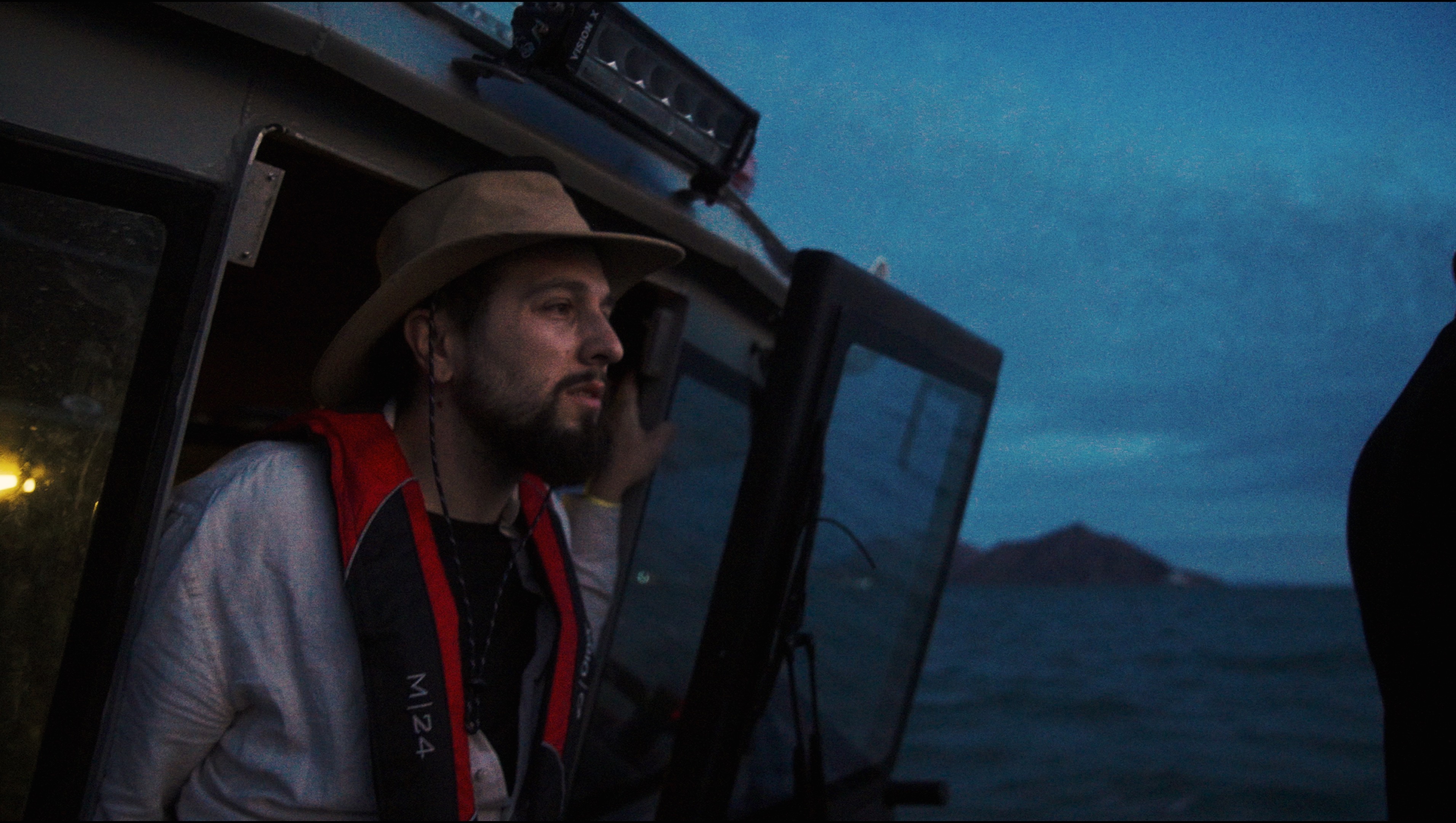
Behind the scenes of the first trip to the Sea of Cortez. April 2025.
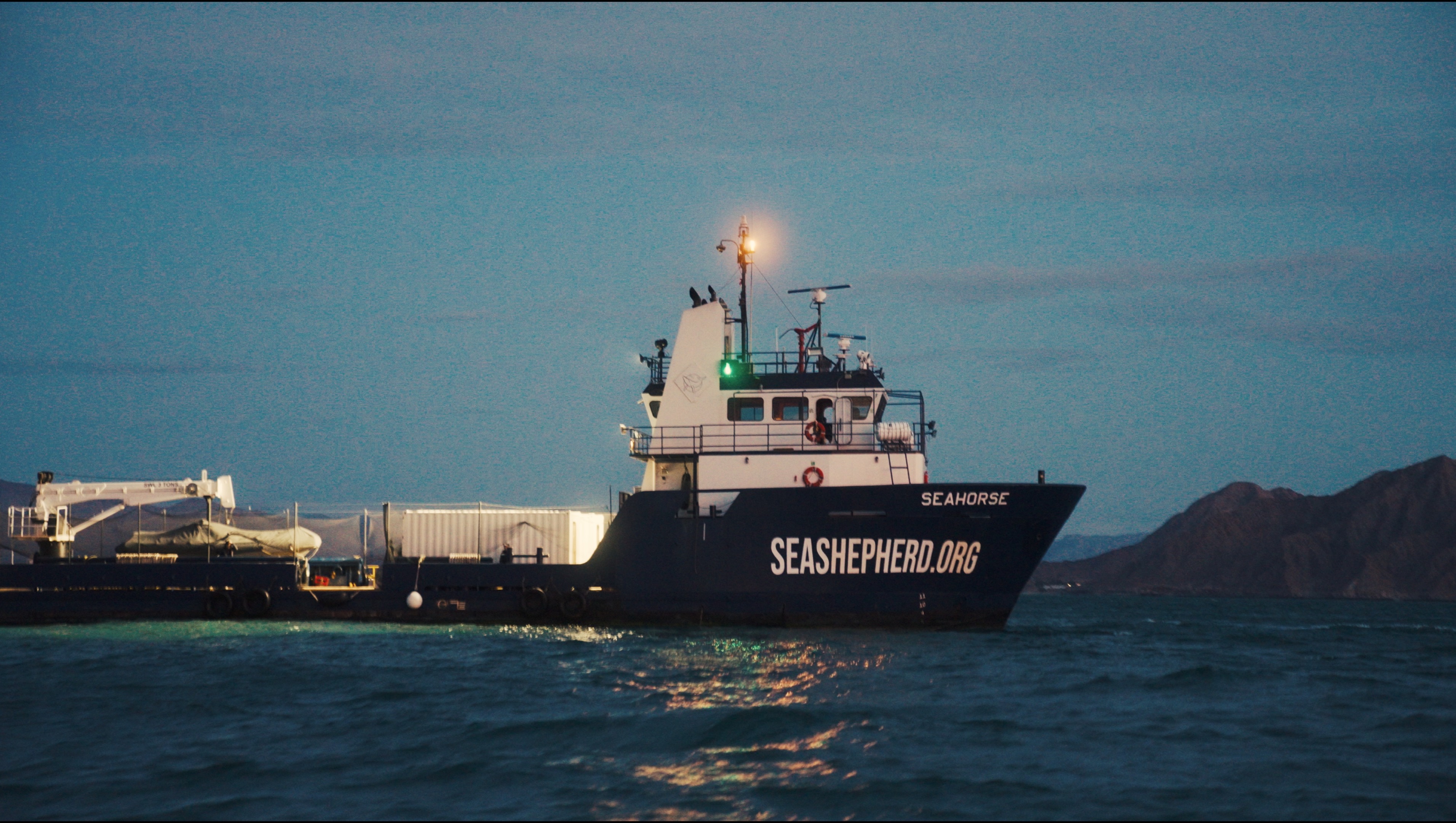
Behind the scenes of the first trip to the Sea of Cortez. April 2025.
IMPACT.
Your donation helps us produce a cinematic, investigative film that can:
- Put pressure on international enforcement and customs agencies.
- Inform global and local audiences and spur consumer and policy change.
- Elevate the voices of local communities and organizations fighting to save the vaquita.
HOW YOUR DONATION WILL BE USED - $8,000 TARGET-
Mexico - Sea of Cortez.
- Boat & crew rentals (Sea Shepherd collaboration / field crew): $1,0
- 00
- Cameras, underwater housings, drones & gear rental: $2,000
- Travel, lodging, Food, and per diems for crew (Mexico, on location): $2,000
- Local permits, fixers, driver, and community compensation: $1,000
- On-site data backup, sound recording, and safety equipment: $1,000
- Insurance, legal permits, and contingency: $500
- Fuel, logistics, and small-boat operations: $500
Total = $8,000
Donor Gifts & Credit Tiers
- $100 — Advocate: Name listed on our website’s “Friends” wall.
- $300 — Patron: Advocate benefits + exclusive merch (sticker + enamel pin) + regular email updates and behind-the-scenes photos.
- $500 — Producer Circle: Patron benefits + T-shirt or hat + name in film credits.
- $1,000 — Gold Donor: Producer Circle benefits + “Gold Donors” credit, early-access screening invite, and a signed thank-you card from the team.
Larger gifts: Custom partnership packages (producer credit, private Q&A with the filmmakers, co-branded screenings). Contact us to discuss.

China officers confiscated 444.3 kilograms of Totoaba swim bladders, 2018.

Photo taken in Mexico- March 2025.
Where This Story Takes Us
From the stark, haunting landscapes of the Gulf of California, where the vaquita’s struggle unfolds, to the vibrant streets of Hong Kong, where totoaba swim bladders and other endangered species are prized as luxury goods.

Hong Kong 2025.

The Travel Route.
Every donation brings us closer to unveiling the truth, inspiring change, and mobilizing a global movement to protect not just the vaquita, but the ocean life we all depend on.


Help us transform this vision into reality. Donate today—stand for hope, justice, and a future where every life in our oceans matters.

Our Partner:
SEA SHEPHERD
For over a decade, Sea Shepherd crews have been on the front lines in the Upper Gulf of California, working to protect the critically endangered vaquita porpoise from extinction. The region—once called “the aquarium of the world”—remains rich in biodiversity, yet scientists estimate that fewer than ten vaquitas survive today.
Although some predicted the vaquita would vanish by 2021, the species has defied the odds and still persists. Attempts to capture and breed vaquitas in captivity have failed, but research confirms they are still reproducing in the wild. Despite low numbers, there is enough genetic diversity for recovery—if we remove deadly gillnets and prevent new ones from being set.
Sea Shepherd’s mission is clear: remove illegal nets and deter illegal fishing in protected zones.
Our Statement:
As one of the few international organizations actively working to save the vaquita in real time, Sea Shepherd’s efforts are vital. Partnering with them matters deeply to us because, as local citizens, we have witnessed their sustained, round-the-clock work to curb the illegal totoaba trade and create a safer future for the vaquita and other species in the Gulf of California.

TEAM
Hermes López — Mexicali, MX / Las Vegas, US
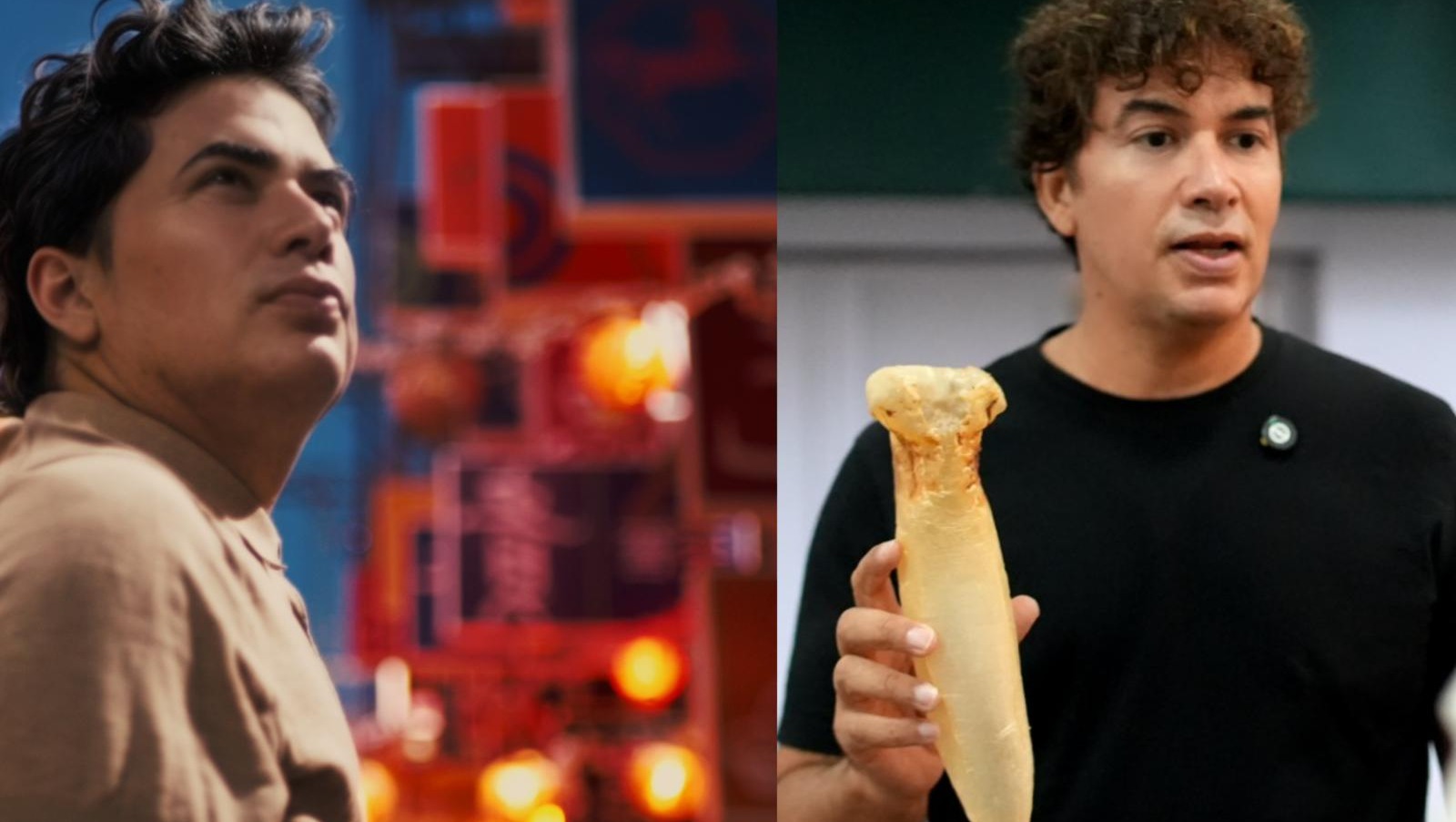
I was born and raised in Mexicali, Baja California—where our story begins—and I have long felt compelled to share this narrative as a call to action for society and government. My mission is to raise awareness about the imminent extinction of the vaquita.
I am a producer in film, theater, and live events. My career spans short films, documentaries, and the creation of festivals and cultural events. For the past three years, I have created, directed, and produced HUMANO, a Tijuana/San Diego film festival dedicated to human and planetary rights.
Collaborations with Nobel Peace Prize laureate Rigoberta Menchú, Mexican-Indigenous soprano María Reyna, and Enrique Morones (founder of Border Angels and a leading human-rights advocate) have shaped my vision of cinema as a powerful medium that can spark dialogue and drive lasting change.
My passion for protecting animals and the environment fuels my commitment to defend our oceans and their inhabitants from destruction.
Roberto Salvador-Madrid/Mexico City
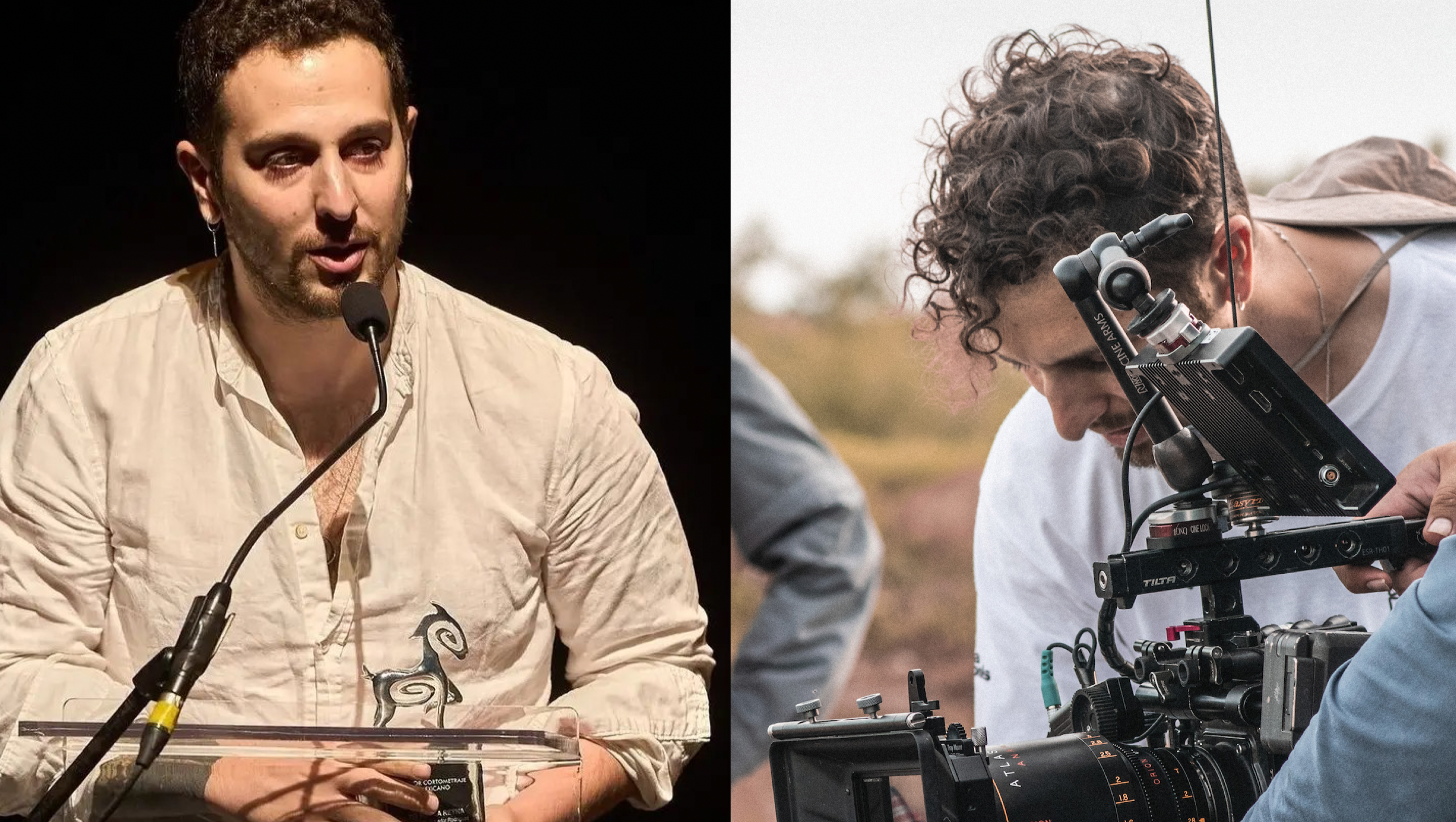
As a Spanish director and editor, I have worked across more than twenty countries and made my home in Mexico. My love for Indigenous culture and cosmology is reflected in the multi-award-winning documentary ¿Cómo vuelan las flores?, which follows a young Huasteca woman traveling to Madrid to share her embroidery and heritage.
I also directed Diez minutos con Rigoberta, a one-on-one conversation with Nobel Peace Prize laureate Rigoberta Menchú, recognized by Mexico’s National Institute of Anthropology and History. We are currently distributing Yo soy la Reyna, an emotional portrait of Mixe opera soprano María Reyna, winner of multiple awards, including Best National Short Film (Monterrey) and Best Director (Shorts México).
Each of us brings a unique perspective and a deep commitment to filmmaking—using our craft to tell stories that connect and transform.
Thank you for supporting this first phase of our documentary.