- E
- I
- D
Deutsche Version
(english version below)
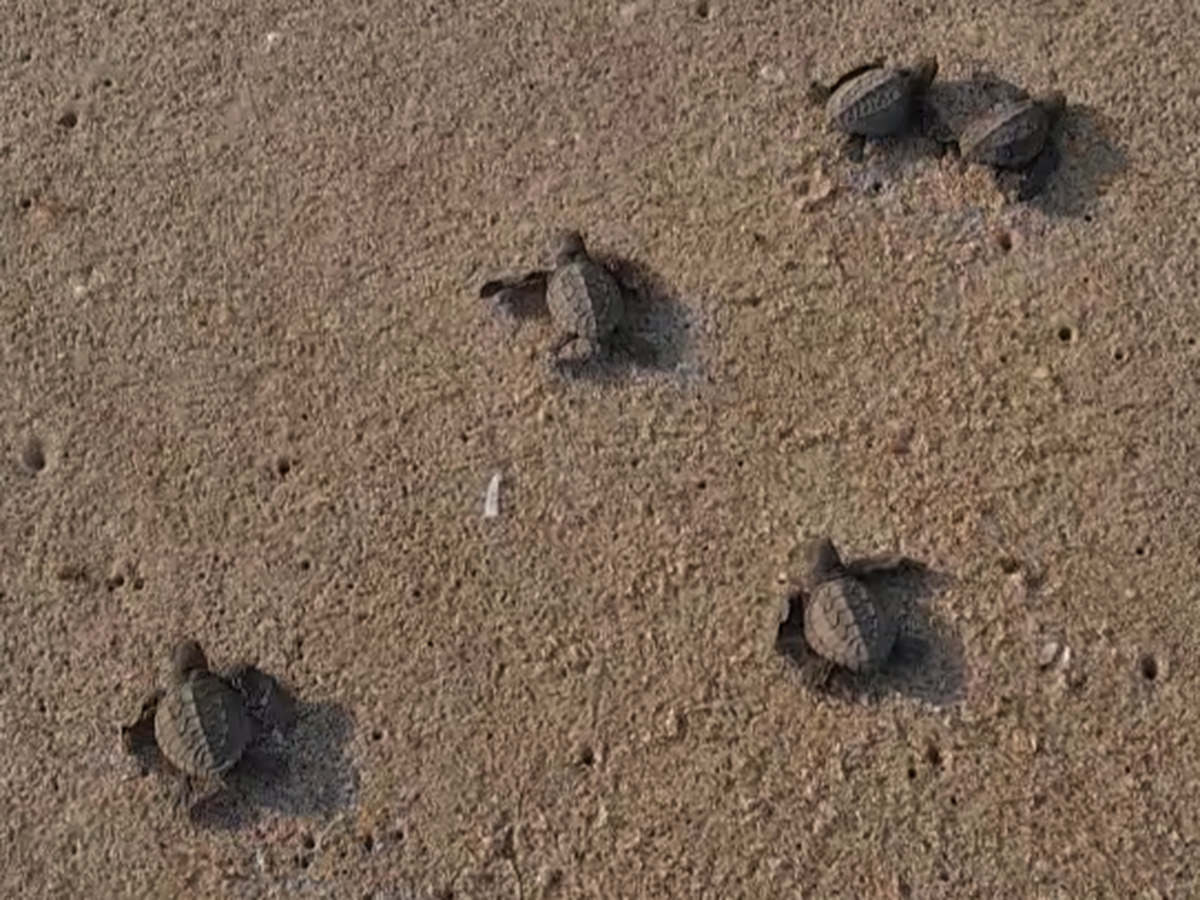
Ein einsamer Strand, nur das Flüstern des Windes und das Rauschen der Wellen ist zu hören. Plötzlich knackt es: Eine winzige Schildkröte schlüpft aus ihrem Ei, wühlt sich aus dem Sand und tapst ins Meer. Über die Jahre entwickelt sie sich zu einer wahren Königin der Meere und gleitet stolz durch das blaue Wasser.
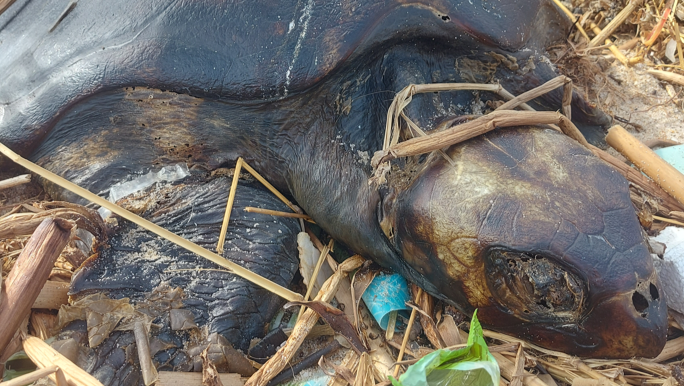
Dann stirbt sie. Grausam. Unnatürlich. Traurig.
Verfangen in einem Fischernetz.
Qualvoll erstickt.
In Stücke zerhackt.
Illegal verkauft.
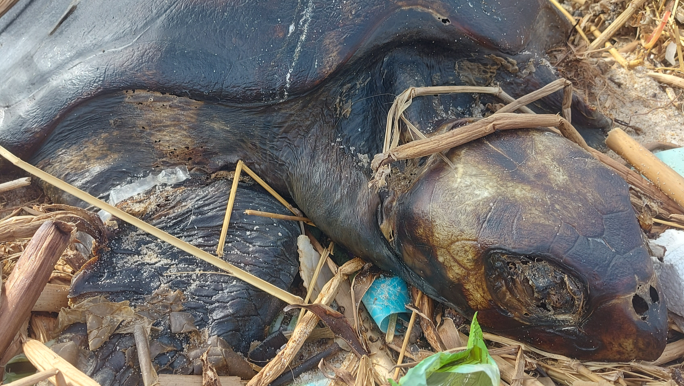
Bild: verstorbene Olive - Schildkröte
Leider ist dies nicht bloß eine Geschichte, sondern passiert jeden Tag und der Grund, warum wir diese Spendenaktion starten. Wir, Jonathan Kettner (18) und Valentin Jonas (20), machen gemeinsam einen Freiwilligendienst bei der Forestry Commission in Ada, Ghana, gefördert durch die deutsche UNESCO.
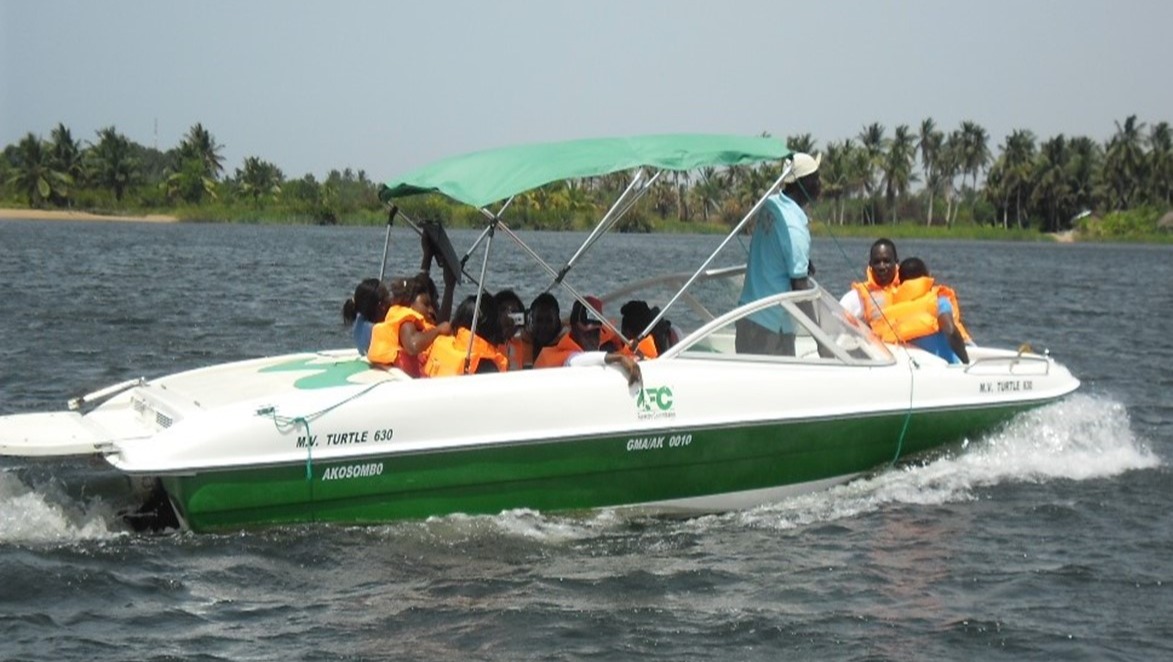
Die Forestry Commission besitzt ein Schnellboot, mit dem die Parkranger die Küste patrouillieren konnten. Indem sie Fischernetze kontrollieren, können sie Schildkröten vor dem Tod bewahren. Leider ist das Boot seit langem defekt - die Ersatzteile teuer und schwer zu bekommen, weshalb eine Reparatur in weiter Ferne steht.
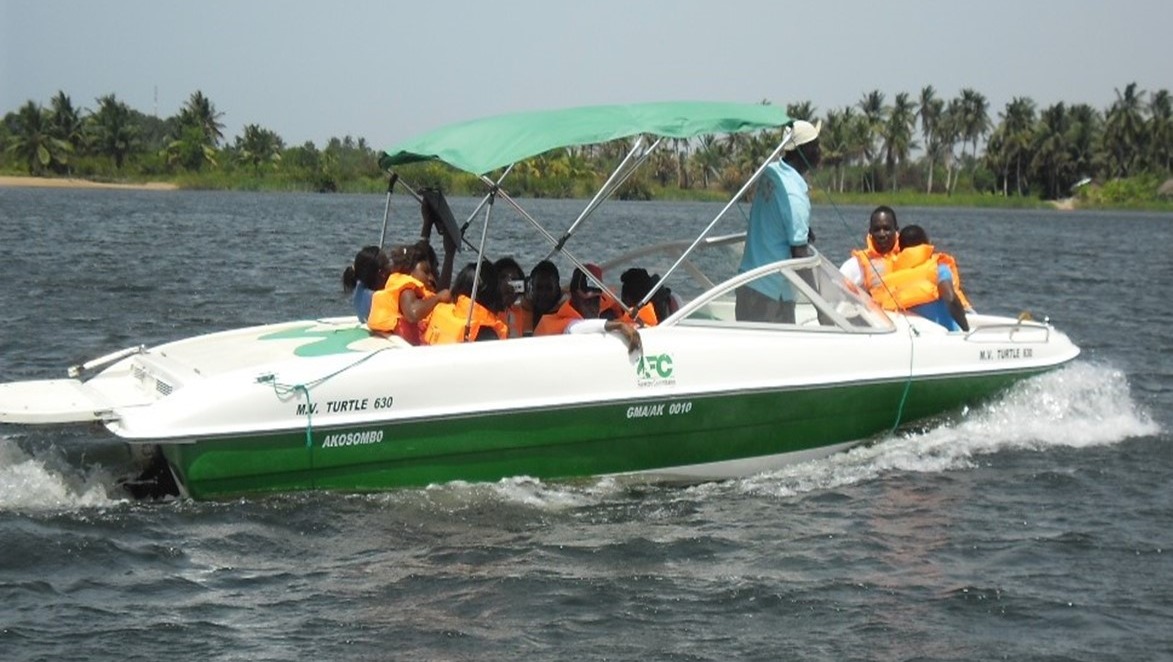
Bild: das Boot - als es noch funktioniert hat
Nachdem wir Bootsexperten in Ghana und Deutschland kontaktiert haben, konnten wir alle nötigen Ersatzteile ermitteln, sodass einer Reparatur nichts im Wege steht. Um sie zu finanzieren, möchten wir euch um eure Hilfe bitten. Jede Spende hilft und leistet einen Beitrag zum Schutz von Meeresschildkröten. Die Kosten der Reparatur und somit auch unserer Spendenziel beträgt 2500 €. Sollte mehr Geld zusammenkommen würden wir den Überschuss in weitere Projekte, wie beispielsweise Mangroven-Pflanzaktionen, investieren.
Vielen Dank für jede Spende!
Hintergrundinformationen
Unser Einsatzort ist das Songor UNESCO-Biosphärenreservat und befindet sich 200 Kilometer östlich der ghanaischen Hauptstadt Accra im Gebiet der Küstenstadt Ada, direkt an der Mündung des Volta-Flusses. Das Reservat erstreckt sich über eine Fläche von 51.000 Hektar und besteht vor allem aus einer Salzwasserlagune, die von Feuchtgebieten umgeben ist. Die endlos langen Sandstrände, die die Lagune vom Meer trennen, sind Nistplätze für Schildkröten, während die Lagune und ihre Feuchtgebiete mehr als 100.000 Wandervögel beherbergen, von denen einige auch aus Europa kommen. Die Arbeit der Forestry Commission umfasst daher Schildkröten- und Vogel-Monitoring, Strandpatrouillen, Baumpflanzaktionen sowie Umweltbildung vor allem an Schulen.
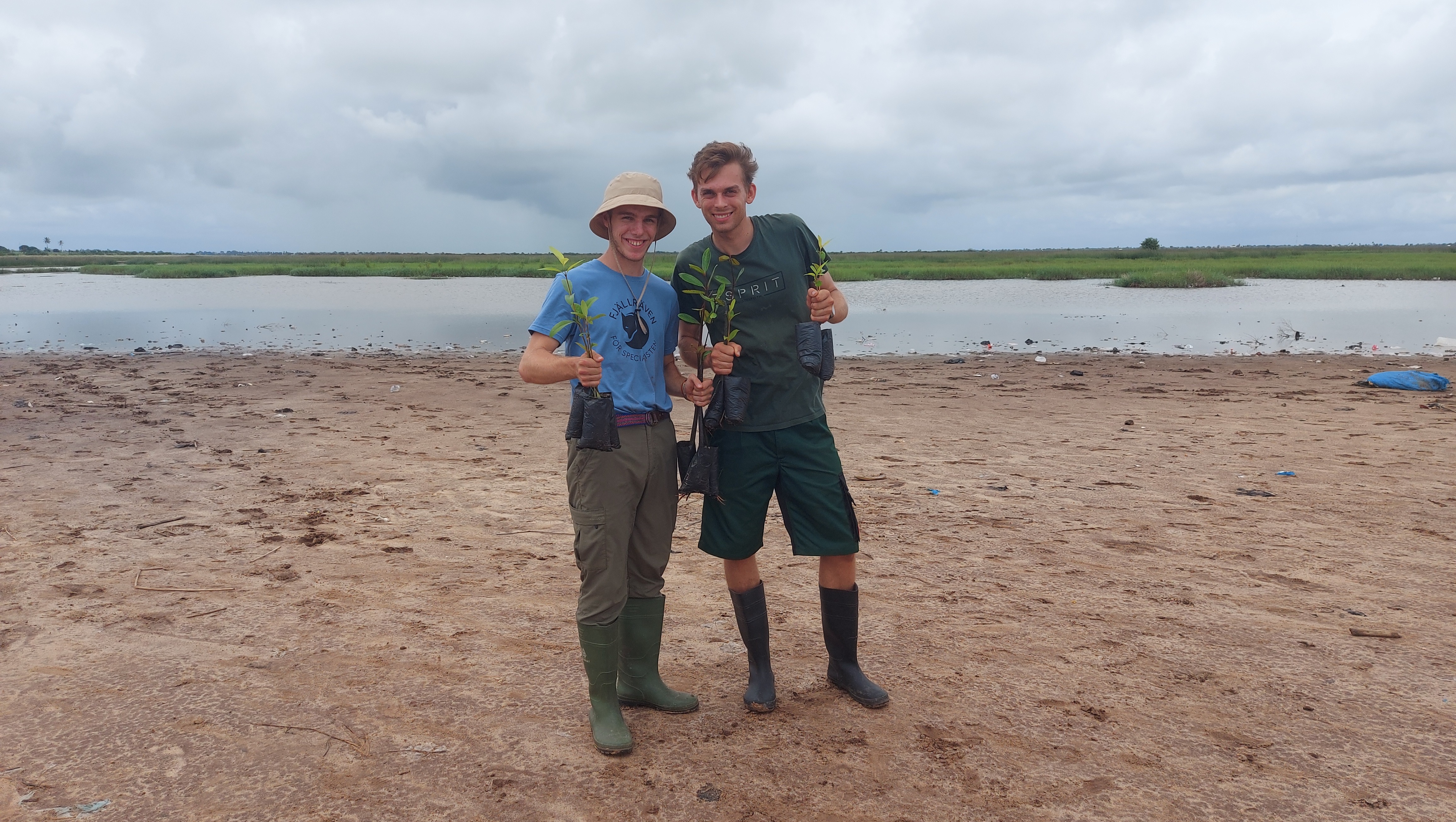
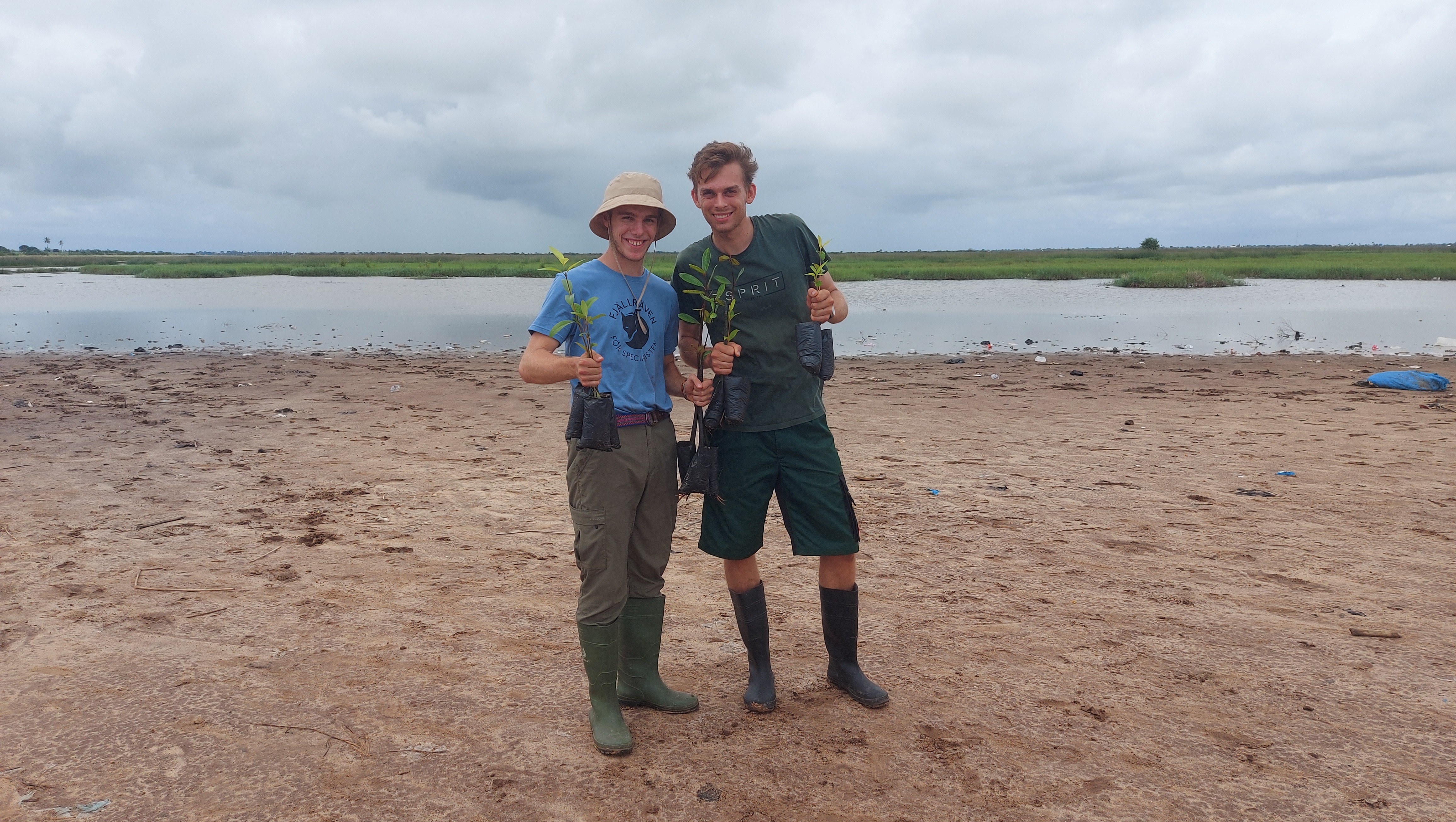
Bild: Mangroven pflanzen im Reservat
Entlang der Küste im Reservat leben drei bedrohte Meeresschildkröten-Arten: Die Lederschildkröte (größte lebende Schildkröten-Art), die Grüne Meeresschildkröte sowie die Olive Bastardschildkröte. Da sie alle unter Artenschutz stehen gilt ihr Fang und Verkauf als illegal. Dennoch sterben jedes Jahr etwa 100 Schildkröten durch menschliche Einflüsse. Diese Zahl ist für stark gefährdete Arten wie die Lederschildkröte fatal: Die riesige Meeresschildkröte, die bis zu 3 Meter lang wird und ganze 11.000 km von Alaska im Norden nach Neuseeland im Süden wandert, verzeichnet in den letzten 30 Jahren einen Rückgang der Population von 120.000 auf nur noch etwa 25.000 nistende Weibchen.
Daher freuen wir uns über jeden Beitrag zum Erhalt dieser wunderbaren Geschöpfe. Vielleicht besteht dann die Hoffnung, dass die Schildkröte aus der Geschichte vom Anfang eines Tages an Strand zurückkehrt, um ihre eigenen Eier zu legen.
English version
A lone beach, only subject to the whispering of the wind and the soft breaking of the waves. A crack breaks the silence and a tiny turtle fights itself out of an egg. With sleepy eyes she tumbles into the sand and intuitively follows the sound of the big blue pond, so deep that it swallows the light and so vast that you cannot see the end.
Years pass roaming the seas and our little turtle develops into a true queen of the oceans, elegantly gliding through the warm water currents flowing around the world. A relic of life on earth.
Then she dies. Cruelty. Avarice. Dishonourable
Unwillingly caught by the claws of fishing
Trapped in a net for days
Isolated in darkness
Slowly drowned to death
Captured by fishermen
Chopped to pieces
Sold illegaly
Sadly the story of the turtle is reality, happens every day and is the reason why we are publishing this fundraiser. We Valentin Jonas and Jonathan Kettner are currently working in the Ada Biosphere Reserve for the Forestry Commission under the UNESCO-Kulturweit voluntary program in Ghana. The forestry commission is in possession of a speedboat for patrolling the coastline, however this has been out of service for several years due to an engine failure and the limitation that spare parts are expensive, not available in Ghana and lacking financial support from the Forestry Commission Headquarters. This is a pressing issue since the illegal capturing and selling of turtle flesh have largely been able to flourish in the Ada Region due to the commission's lack of possibility to regulate the coast line. Therefore we have gotten into contact with boat-experts from both Germany and Ghana, with whom we have found a potential solution to deliver and install the parts to fix the engine. It is for this purpose that we need funding and therefore kindly invite you to support our cause. The Boat would help the work of the commission massively, since the rangers would be able to drive coast patrols again, hence prevent illegal activities, hence reducing unnecessary deaths of turtles which will help to preserve their species for decades to come. The reparation costs and therefore our funding goal is 2500€. Should there be any surplus of funding-budget, the additional money will further support other projects of the forestry commission, such as financing community mangrove plantings.
We will keep all potential donors regularly updated about the status of our goal.
Background Information:
For those who are keen to know, our place of use is the Songor Biosphere Reserve and Ramsar Site located 200km east of the Ghanaian capital Accra in the town of Ada along the coast and the Volta River estuary. The reserve mainly consists of a salt-water lagoon surrounded by wetlands and bordering the gulf of Guinea to the south and the Volta river to the east. The beaches separating the lagoon from the ocean are the breeding spots for turtles while the lagoon and its wetlands are home to 100.000 migratory birds, some of them also en route from Europe. The work of the Forestry commission involves activities such as Beach Patrols, Afforestation, Environmental education or Species documentation, all serving the protection and managing of the reserve.
Having said that, there are three turtle species along the Ghanaian coast, namely the greenback- olive-ridley- and leatherback turtle. All of them are protected species and therefore capturing and selling them is deemed illegal. Sadly the use of shark nets cause the death of approximately 100 turtles every year. A number that is critical for heavily endangered species like the leatherback turtle. This giant of a marine turtle, growing up to 3 meters long and migrating 11.000km as far as Alaska in the North and New Zealand in the south, has seen its population decline over the last thirty years from 120.000- to only an approximate 25.000 nesting females and this number is projected to fall continuously.
In that context, help us make a contribution to preserving one of our earths most wonderful creatures. Maybe then, there is hope that our little turtle from the beginning returns to the Lone beach one day to lay her own eggs and with that pave a path for a new generation of adventurous turtles.
Thank you