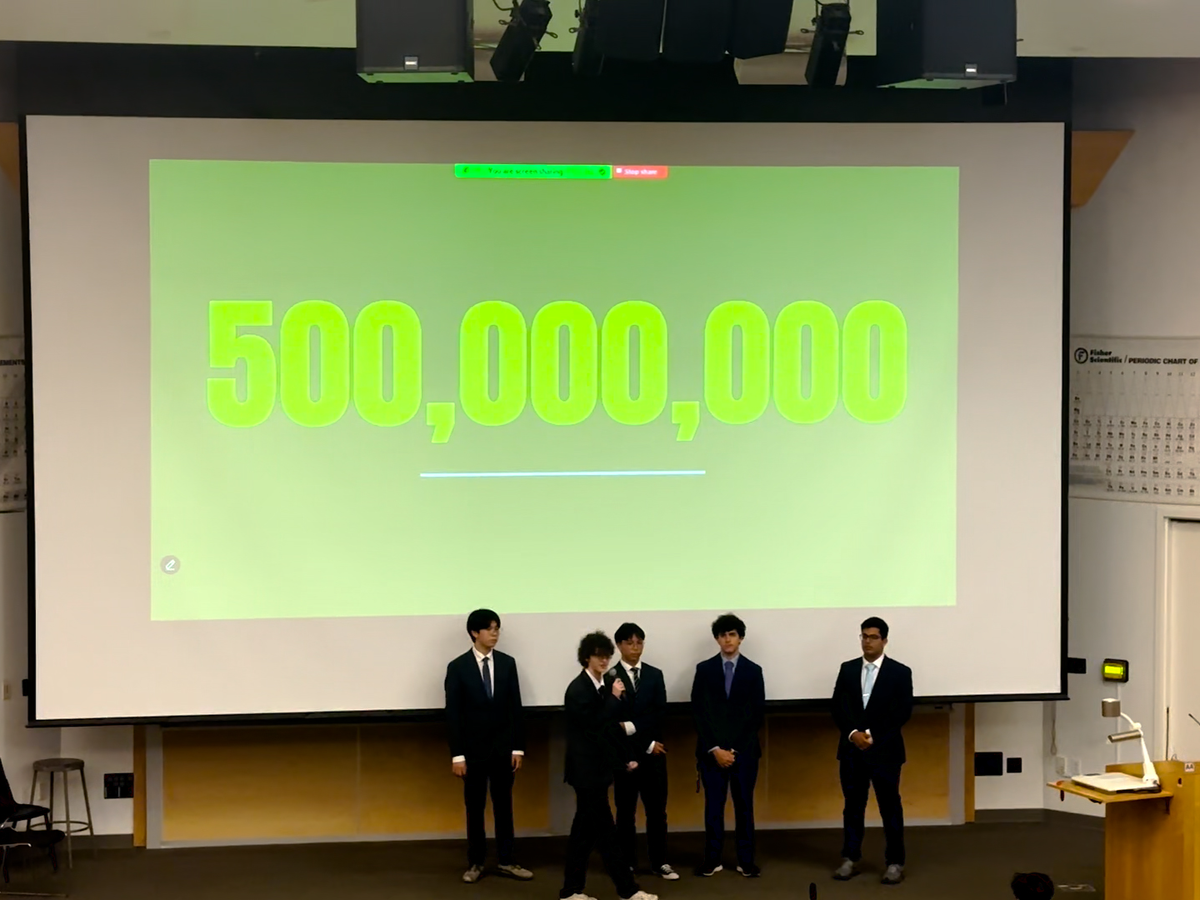
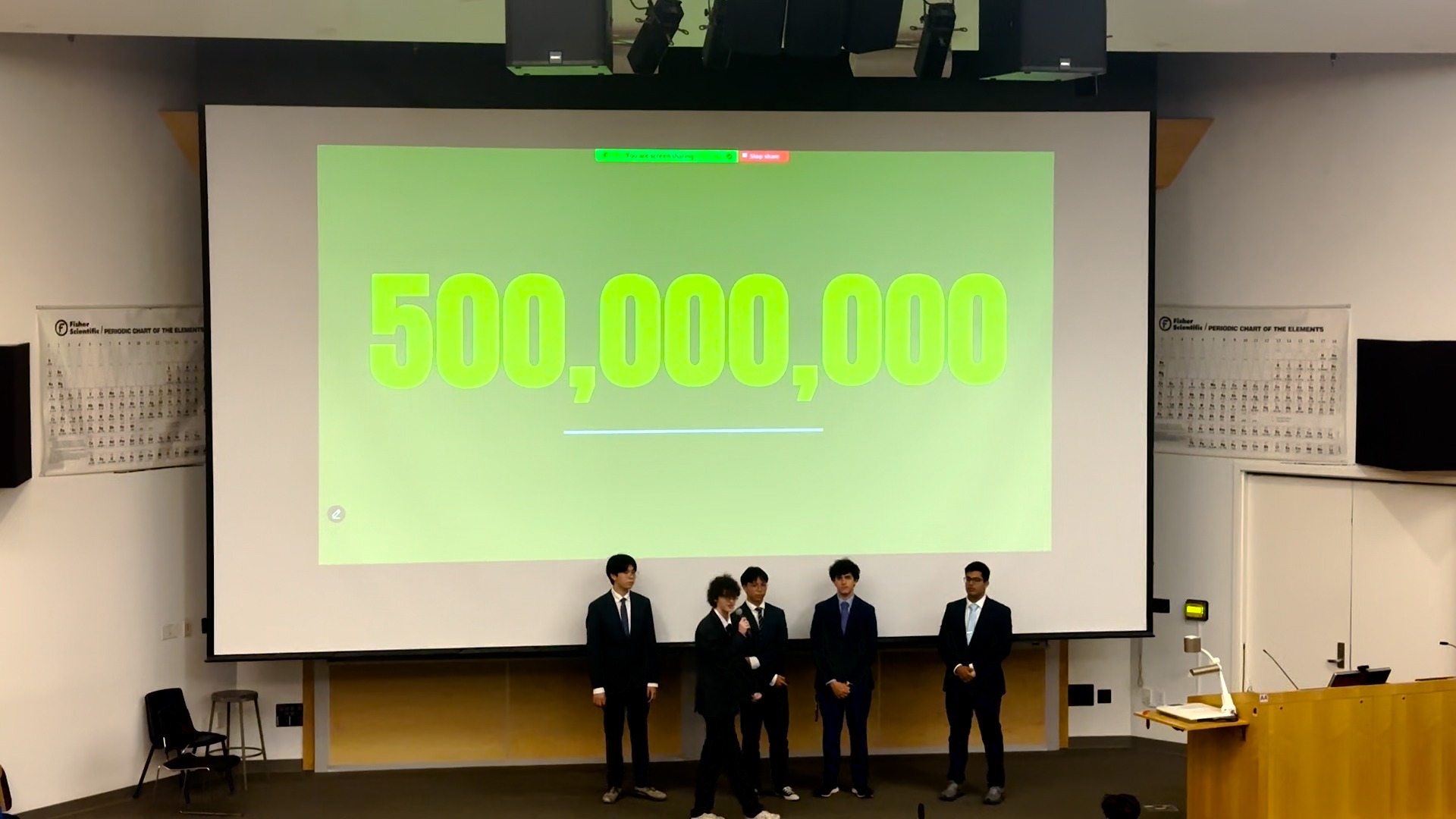
648. 72. 500 million. In four years of brutal SoCal tennis, we’ve flattened 648 balls, and we’ve collected 72; and in those same four years, we played a whole lot of tennis, but we also contributed to a national, global problem: 500 million tennis balls were abandoned in the U.S. as we played. Our journey tells the story of 500 million: what it means to us, to the world, and what it should mean to you.
Every year, 125 million tennis balls end up abandoned in landfills, streets, or are otherwise lost. They contribute to habitat degradation, pollution, and waste, and they also represent a massive material shortcoming: valuable nylon, felt, and – most importantly – rubber are wasted on an incomprehensible scale
Why is this important?
First and foremost, rubber takes 400 years to fully decompose.
Secondly, rubber is growing rarer – less accessible – due to dwindling natural supply. Natural rubber comes from the sap of rubber trees, mostly grown in Southeast Asia. The global supply is shrinking due to climate change, tree diseases, and overuse of aging plantations without enough replanting. As demand rises for tires, medical goods, and industrial products, this supply crunch is making rubber more expensive and less reliable. This makes recycled and artificial rubber extremely important.
Why choose us?
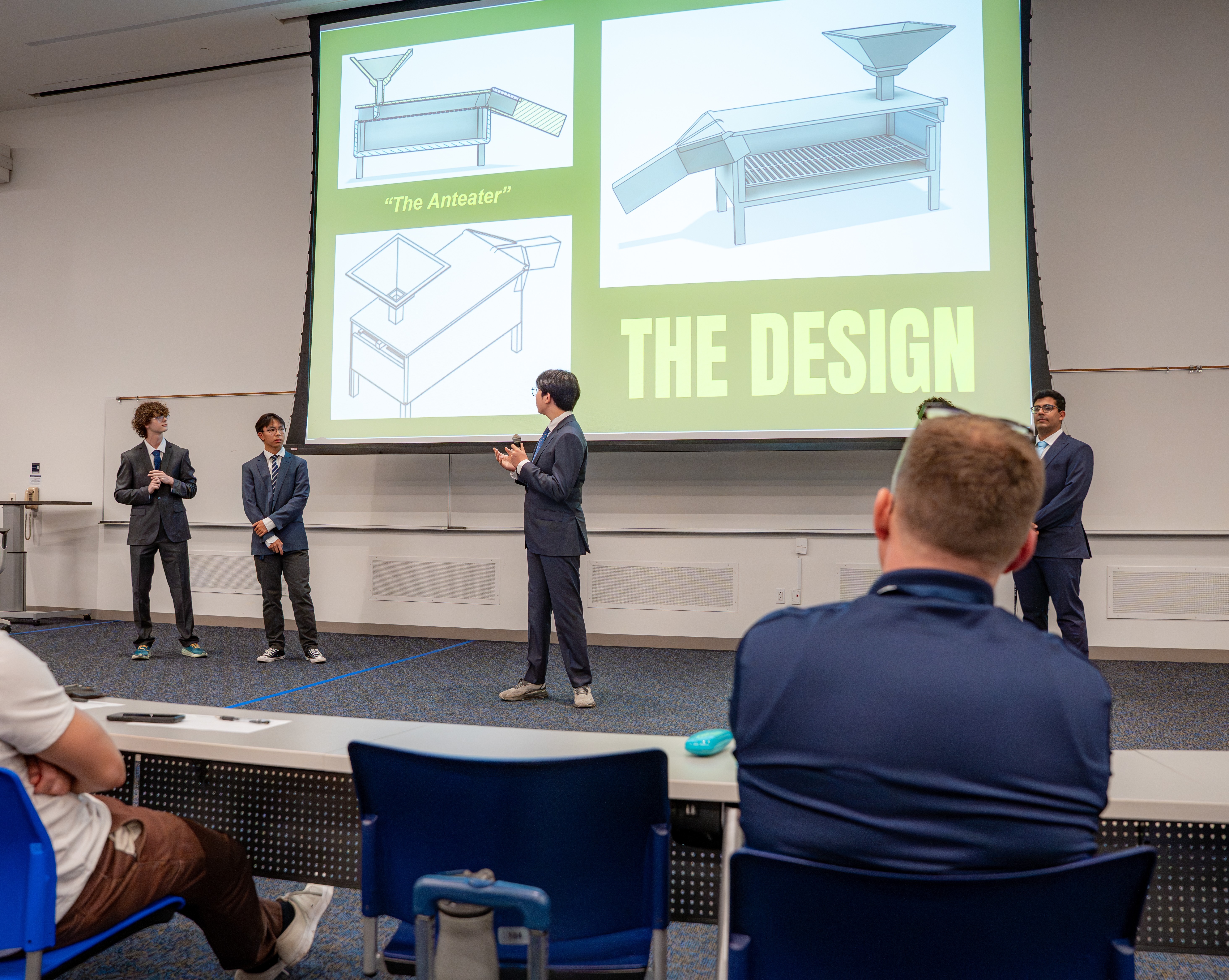
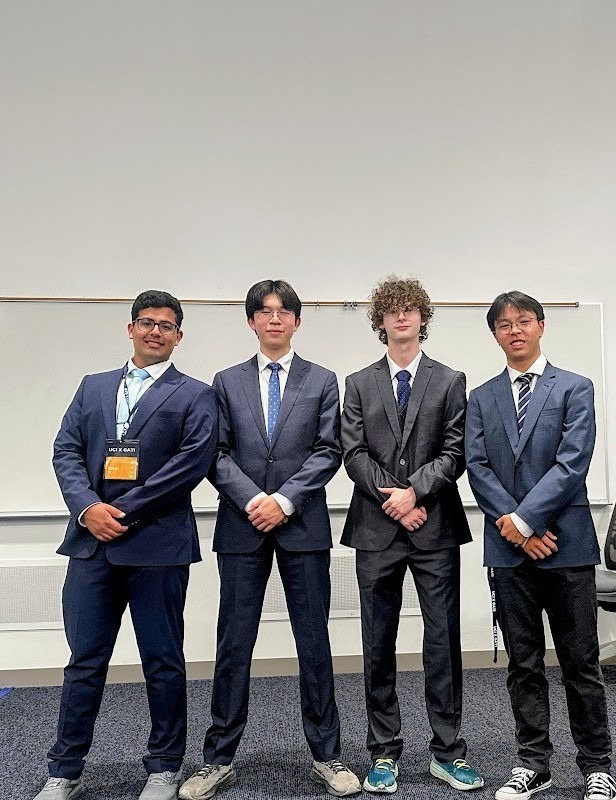
Setting aside our story and our pre-existing contact with coaches and players in the SoCal area, we have something new to bring to the tennis recycling space: our patent-worthy “Soak N’ Slice” technology. Our dream is to use this already-modeled clever combination of chemical and mechanical processes to bring a whole new level of scale and efficiency to recycling. If you're curious about the specific team and tech behind BounceBack, feel free to check us out at bounceback_tennisrecycling on Instagram, X, or BounceBack on LinkedIn; we'll always try to be as transparent and easy to follow along with there!
Why do we need funding?
Building, physically testing, and operating our machine will get expensive; we're hoping for funding to alleviate the startup costs. Once we have our machine built and we can begin to recycle balls, we'll be able to keep our machine running and safe.
$1 dollar now is 120 balls a year later.
Finally, even if you don't choose us – choose somebody.
This problem is sneakily a serious one, as it underscores a lot of larger, global issues – namely, waste. A main motivator behind why we started BounceBack was to know that we were undoubtedly making a difference. Often times, tackling these generational and overarching problems is overwhelming, but tennis balls are a simple, easy place to start. So, even if you don't choose us, please still attempt to contribute to the problem. Remember, any amount helps.
Organizer