- A
Save lives in Papua New Guinea
0% complete
$3,925 raised of $20K AUD
21 donations

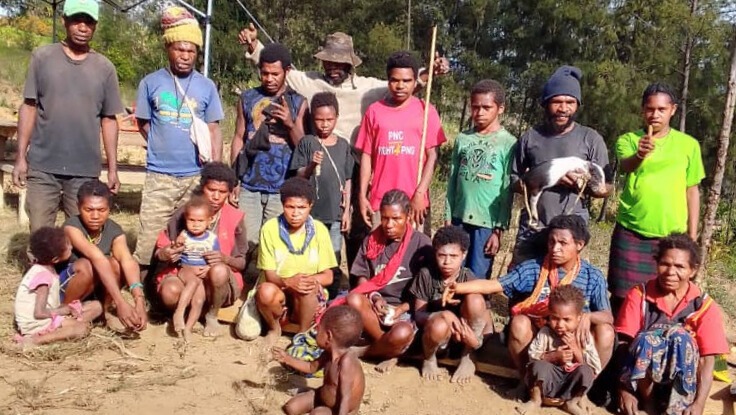
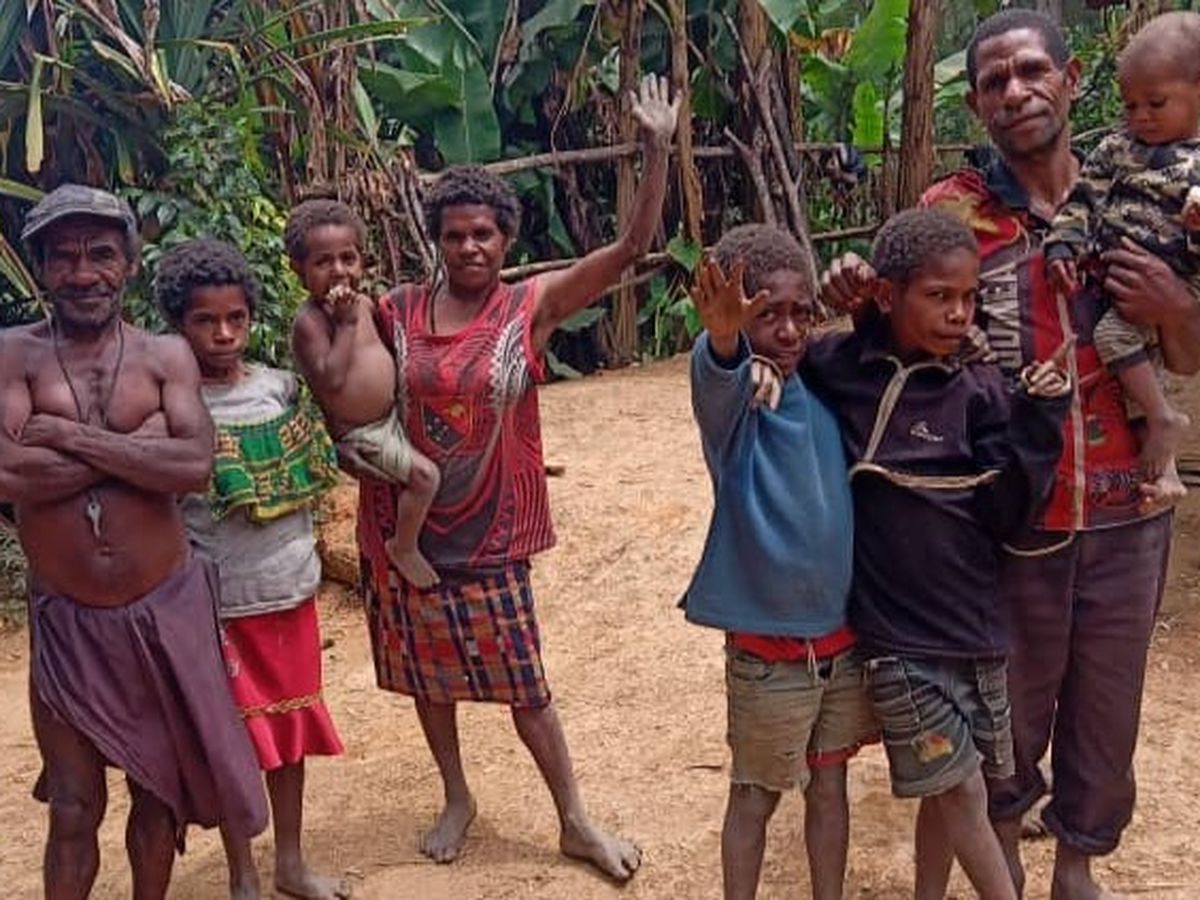
The Kaironk Aid Post provides healthcare for up to 10,000 residents in a mountain area in rural PNG, where access to diagnosis and treatment for tuberculosis (TB) — a leading infectious disease — is particularly limited, contributing to high disease incidence and poor health outcomes. National estimates place PNG among the countries with the highest TB burden in the world, with an annual incidence of more than 400 cases per 100,000 people and significant challenges in reaching remote populations.
Our project is run locally run. It works with the Madang Health Department to improve TB testing, strengthen clinical infrastructure, and train community representatives. However, critical gaps remain: consistent access to medicines, diagnostic tools, and health officers fully trained for TB management, infrastructure for power and water supply, and good network communication are still lacking. Your support directly addresses these systemic gaps.
Your contribution will support:
- Sourcing testing equipment and reliable supply lines for medicines
- Acquiring essential infrastructure such as solar power and water reticulation
- Training a dedicated TB-competent health worker
- Building housing for medical worker, clinical work and patient housing.
- Providing communication resources so clinic staff, our committee and villagers can coordinate with provincial health authorities
All funds raised are sent straight to the Kaironk Aid Post and overseen by the local committee to help ensure that the clinic can serve its community reliably and sustainably.
The World Health Organisation (WHO) Tuberculosis Country Profile for Papua New Guinea maps the devastating prevalence of TB nationwide; however, these figures are predominantly drawn from urban centres, where diagnostic facilities, reporting systems, and access to medicines are established. In remote rural areas such as the Kaironk Valley, TB cases are frequently not reported, as local testing facilities do not yet meet Health Department standards required for official documentation. Similarly, data on treatment provision reflects where medicines can currently be accessed — primarily in towns.
https://worldhealthorg.shinyapps.io/tb_profiles/?_inputs_&tab=%22charts%22&lan=%22EN%22&iso3=%22PNG%22&entity_type=%22country%22