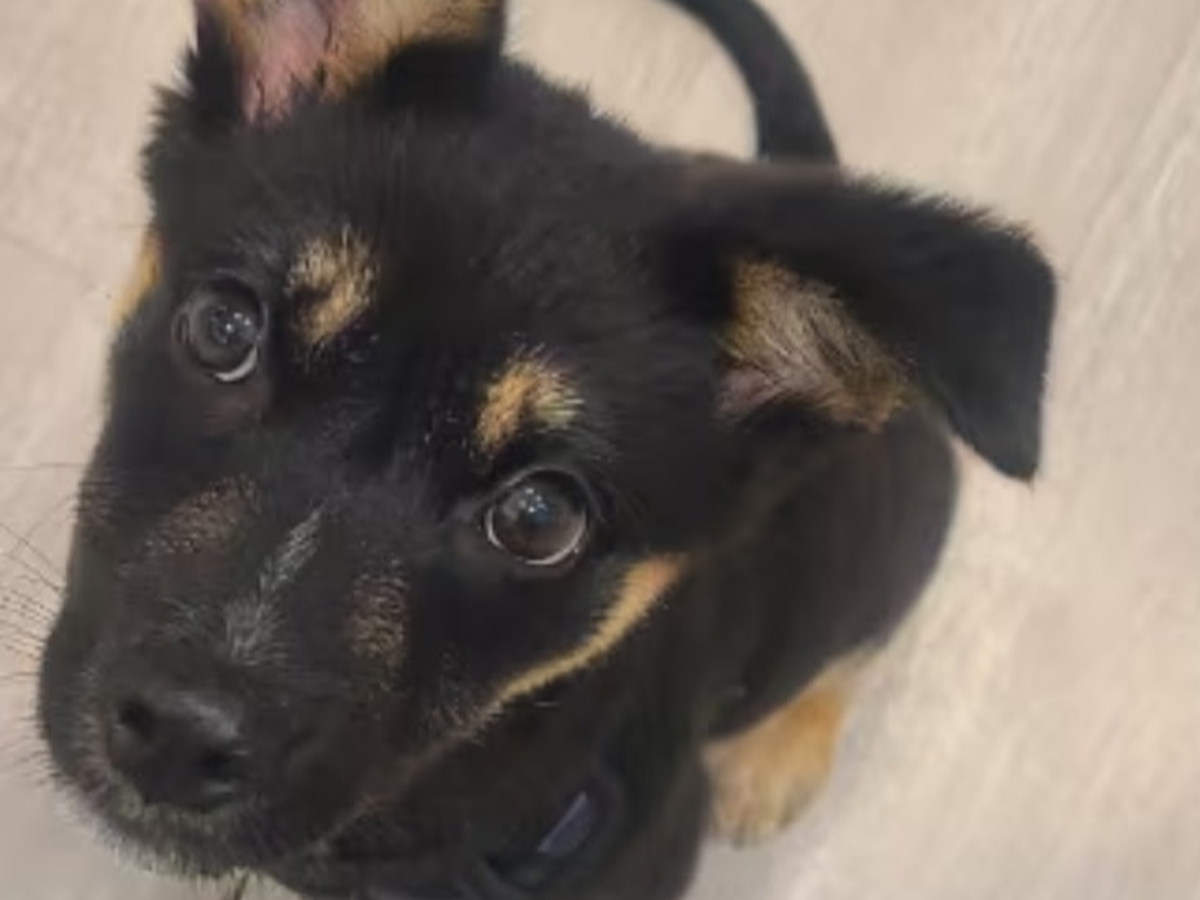
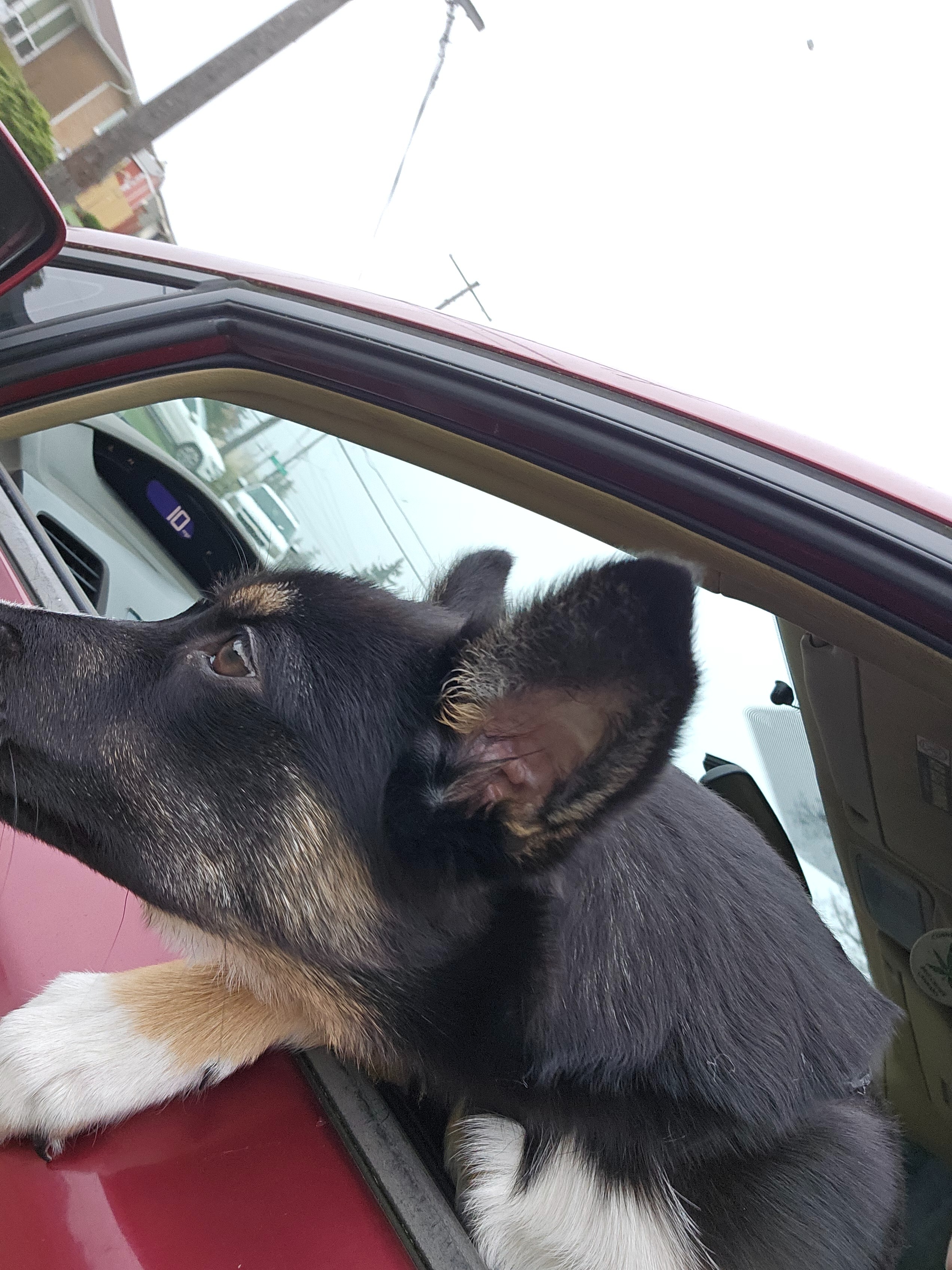
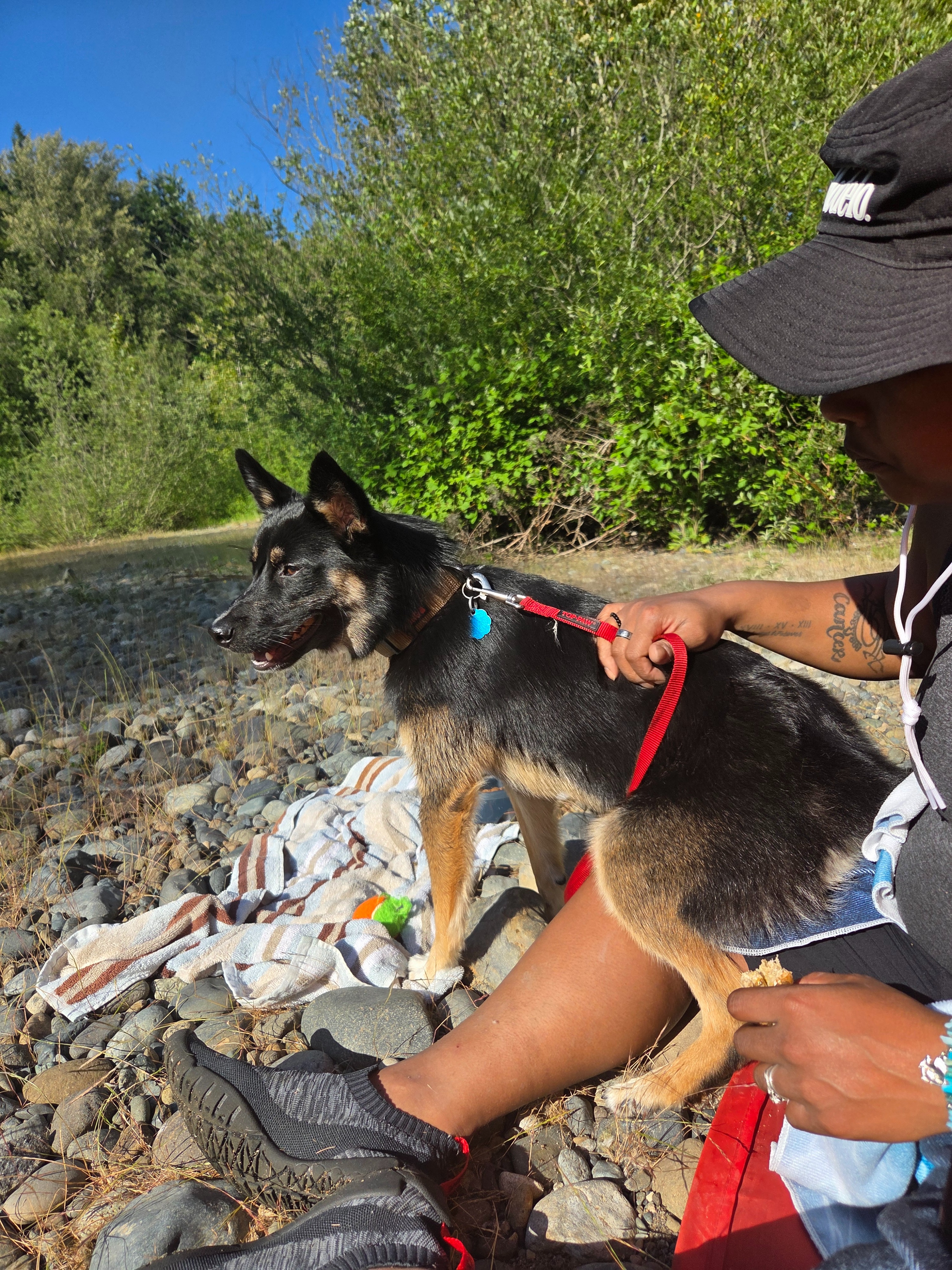
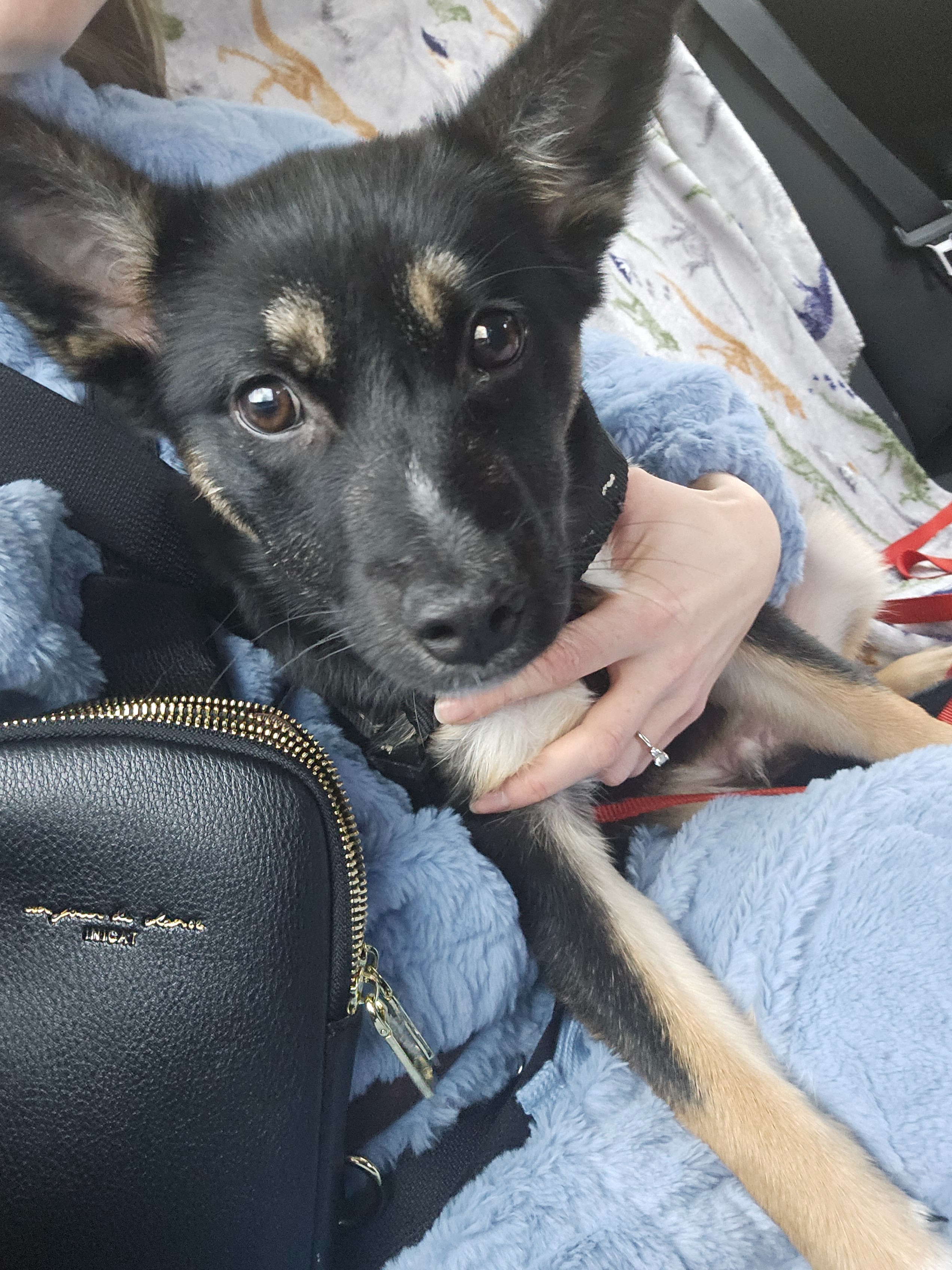
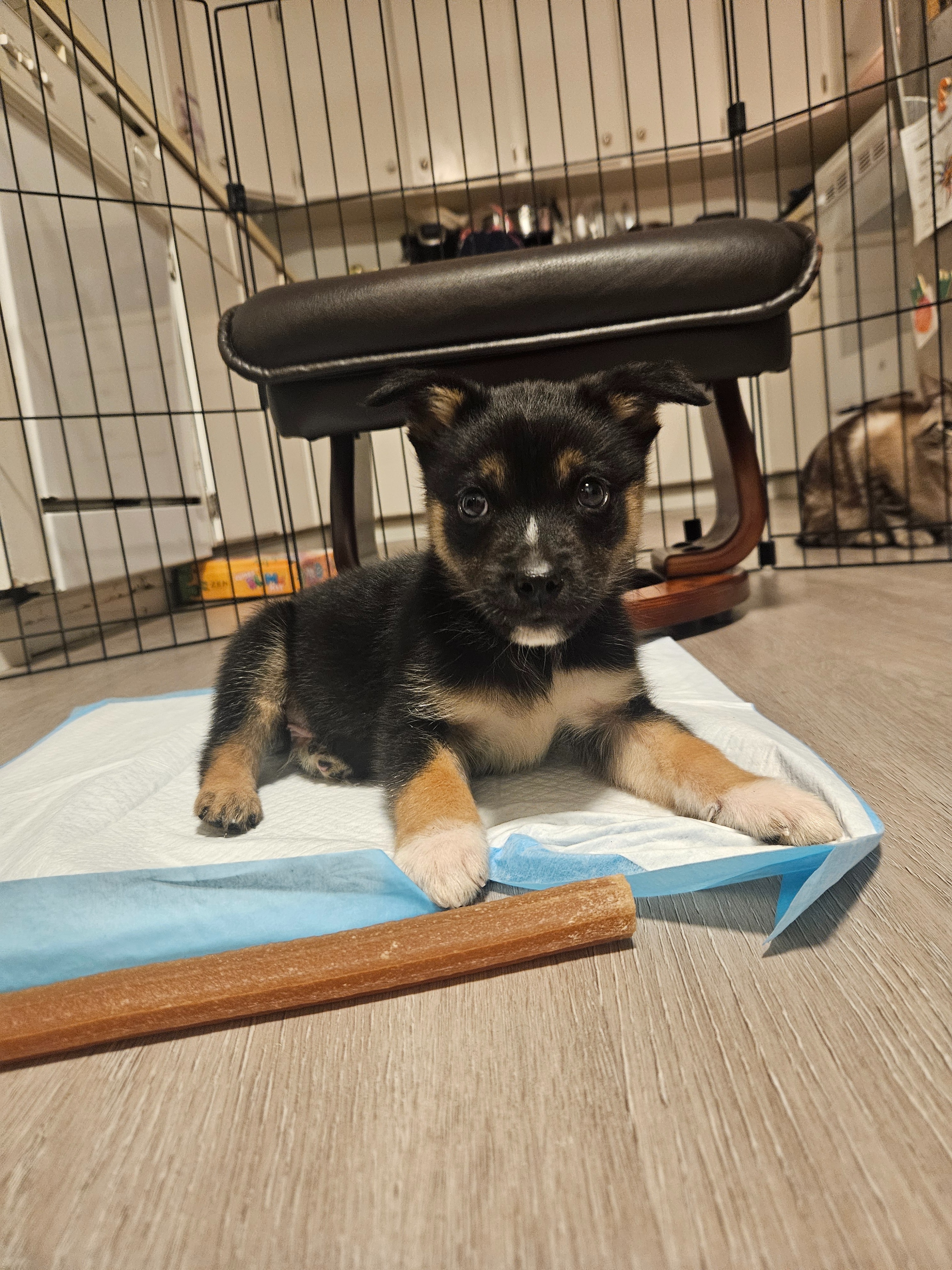
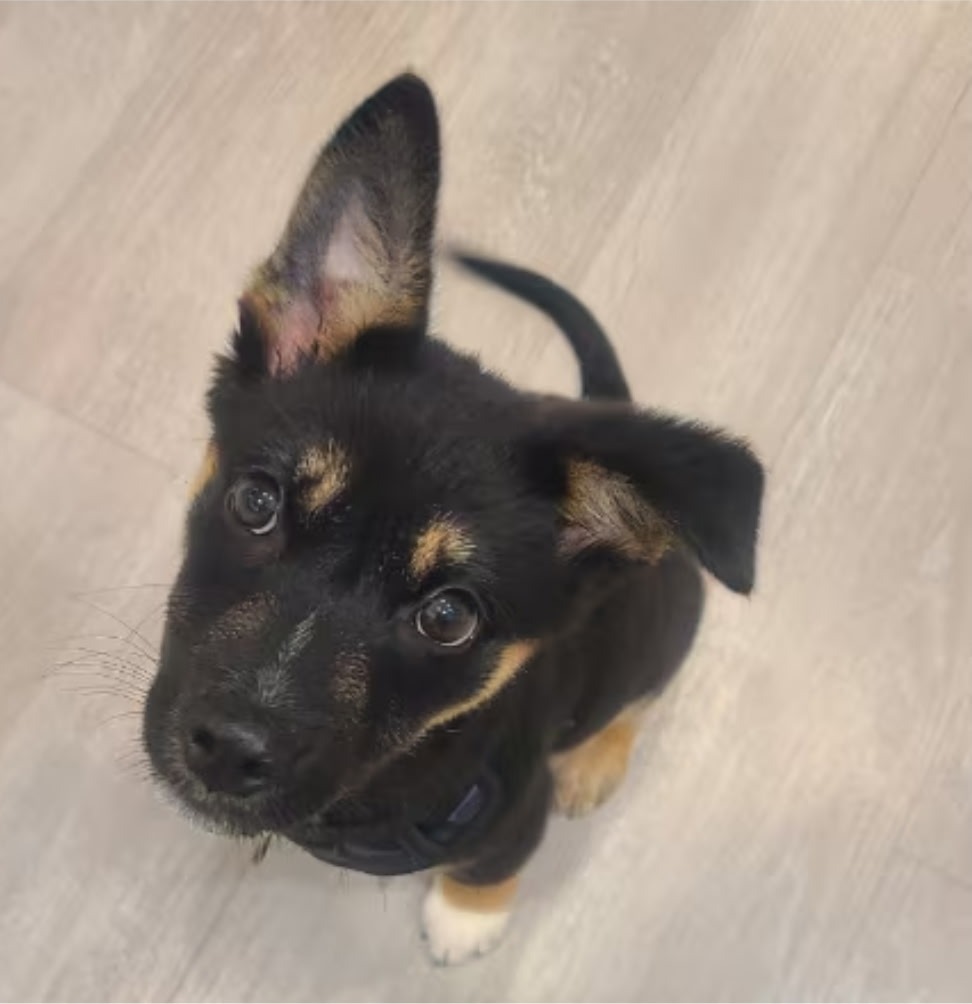
Hello Family and Friends. My Wife and Children and myself need help. Our 10 month puppy Kahu has a heart murmur needs heart surgery as soon as possible. His story is, we rescued him from a pretty bad environment, when we got him home he started to show some health problems immediately. We brought him in right away and the doctor there told us he did have a heart murmur and he wanted to see him again at his six month check up, so we went again to get him checked when he was 6 months and another doctor came in and told us he didn't have a heart murmur. So naturally we went on and then he went back in for a check up in early may and was told AGAIN that he has a heart murmur and it was loud. So my Wife and I made him a echocardiogram appointment. Also the morning of his cardiology appointment got a call from our vet and was told the vet there did not feel comfortable doing an exam on him because he was to young and was given an email LATER that day to contact another place.
Finally getting in contact with this new place, making an appointment getting his check up and was told that
Kahu has been diagnosed with a congenital (present from birth) heart defect known as patent ductus
arteriosus (PDA), which is one of the most common congenital heart defects in dogs. This defect is due to the
persistence of the ductus arteriosus, a blood vessel important during development in utero. The ductus
arteriosus is a small channel that connects the pulmonary artery (which will carry blood to the lungs after birth) and the aorta (which carries blood to the rest of the body via the systemic circulation). In the womb, it is responsible for transporting blood (already oxygenated by the placenta) past the non-functional lungs (which are not breathing air before birth) and into the systemic circulation to deliver oxygen to developing tissues.
The goal of surgery is to stop blood flow through the PDA. This may be achieved by a thoracotomy (open-chest surgery) and manually tying off the ductus. Alternatively, this may be achieved by a minimally invasive interventional occlusion procedure by placing a small device inside the ductus to occlude blood flow. This is done by feeding a long catheter through a vessel in the leg (the femoral artery) and into the aorta - this is less invasive, resulting in an easier recovery after the procedure compared to open-chest surgery.
We know this is alot to ask, but anything helps! Thank you so much!
Cost for
open-chest surgery is estimated to be approximately $11,200 - $16,400, while cost for interventional
occlusion is estimated to be approximately $10,000 - $11,500. Itemized estimates will be emailed separately.
Based on its appearance, we think that Kahu's PDA would be amenable to interventional occlusion by our
cardiology team. Recovery after the procedure usually involves 1 month of strict activity restriction (calming
medications will be prescribed to help with this) followed by an additional 2 months of modest activity
restriction to allow full healing.
If corrected early, most effects of an animal’s PDA are reversible, and patients generally live normal life spans
thereafter. Given the severity of Kahu's heart enlargement and the chronicity of his disease, he may have
some degree of permanent damage to his heart. However, we would still anticipate Kahu's heart size and
function to improve after the procedure, and we are hopeful that he will not need long-term heart medications
after his surgery. Because his left heart chambers are severely dilated, we recommend starting medication to
support the heart until PDA correction can be performed as soon as possible.