- M
Peace be upon you.
My name is Abdulahi Gesey. I am asking for your support as I commit myself fully to a traditional path of Islamic learning, rooted in the classical scholarly method. My studies are carried out through instruction with qualified Azhari scholars, with sustained focus on Arabic mastery, close reading of foundational texts, and careful progression through the Islamic sciences.
This path did not emerge suddenly. Like many, I was raised in a Muslim household, familiar with belief but distant from its depth. It was later, through lived experience, that I began to see how Islam quietly shapes moral character, stabilizes communities, and gives meaning to responsibility. That realization drew me back, not toward slogans or identity, but toward knowledge as discipline, restraint, and inward formation.
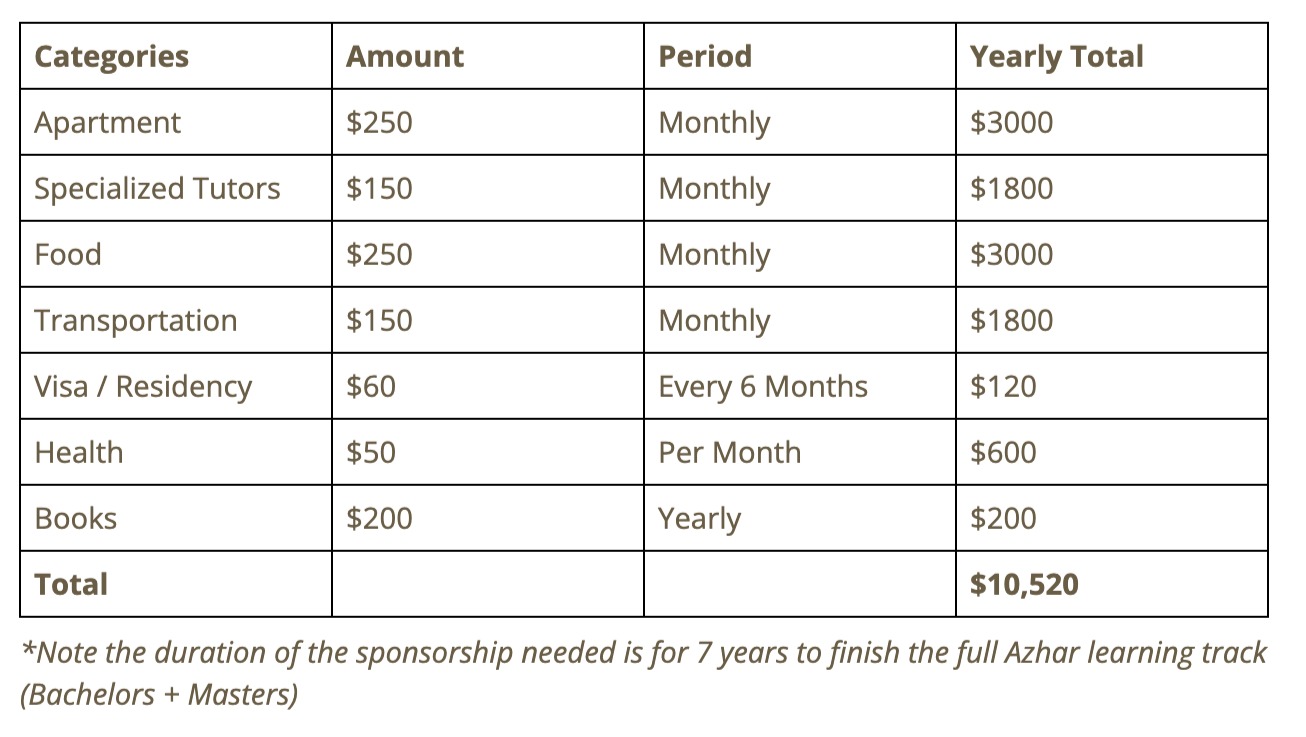
To study in this way requires constancy. It demands that learning not be squeezed between obligations, but placed at the center of one’s life. Your support allows that continuity. It helps cover the essential conditions that make full time study possible: housing, food, transportation, private tutors, books, and legal residency. These needs are not incidental. They protect the integrity of the learning itself.
Across every generation, the preservation of Islam has rested on those who gave years to study before ever speaking in its name. Sound understanding does not appear spontaneously. It is cultivated slowly, through patience, humility, and sustained effort. Where knowledge weakens, confusion fills the space. Where scholars are formed carefully, clarity endures.
By supporting this endeavor, you become part of that chain. The Prophet Muhammad peace be upon him taught that whoever enables good shares in its reward. Any benefit that flows from this learning, whether through teaching, writing, or service, is written also for those who made it possible, by the permission of God.
Thank you for taking the time to read and consider this campaign. My monthly study expenses are listed below. Your support, in any amount, helps carry this work forward and allows knowledge to remain rooted, careful, and alive.
Why Sponsor Me?
God the Most Merciful says: God has not placed two hearts within a single person (Surah al Ahzab 33 4 The Holy Quran)
The scholars understood this verse as a principle of inward direction. A heart divided cannot give excellence. Ihsan (Excellence) requires presence, and presence requires commitment. When a person gives himself fully to one path, clarity follows. When attention is scattered, depth is lost. This is especially true in the pursuit of Islamic scholarship. The sciences are many, their interconnections subtle, and their mastery demanding. They are not gathered through convenience or part time attention. They require inward resolve and outward ordering of life around learning.
I ask God the Merciful to allow me to dedicate my life to this path with sincerity and endurance. For this reason, supporting a student of sacred knowledge is not a burden placed upon the believer. It is a gift granted to them. When God opens the door to participate in a good deed, it is a sign of divine concern, not a test of loss. The early scholars would say that God grants the deed before He grants its reward. By supporting this effort, you participate in outcomes that extend beyond the individual student. Sound scholarship shapes teachers, institutions, and communities over time. Every instance of knowledge conveyed with care carries lasting benefit for those who learn, and for those affected by their learning in turn.
Such impact is cumulative and generational. The fruits of careful study appear not only in classrooms and writings, but in better reasoning, greater intellectual honesty, and more thoughtful engagement with faith and society. Any good that emerges from this path whether in teaching, research, or public service belongs ultimately to the wider human community. The reward associated with supporting such work is a manifestation of God’s generosity, not a credit claimed by the student, and it continues wherever that knowledge brings clarity, guidance, or understanding. If you choose to support this work, you do not merely fund study. You participate in a chain. One that preserves knowledge with care, transmits it with responsibility, and carries it forward with humility.
Abdullah ibn Umar reported: The Messenger of God, peace, and blessings be upon him, said: The Muslim is a brother to another Muslim. He does not wrong him, nor surrender him. Whoever fulfills the needs of his brother, God will fulfill his needs. Whoever relieves a Muslim from distress, God will relieve him from distress on the Day of Resurrection. Whoever covers the faults of a Muslim, God will cover his faults on the Day of Resurrection.
(Source: Sahih al Bukhari 2699, Grade Muttafaqun Alayhi)
Ibn Umar reported: The Messenger of God, peace, and blessings be upon him, said: Verily, God has people for whom He has assigned blessings to benefit His servants. He consolidates their blessings as long as they offer them to others. If they refuse to give them, He takes them away and directs them to others.
(Source: Shu’ab al-Iman, Grade Hasan Li Ghayrihi)
Abu Huraira reported: The Messenger of God, peace, and blessings be upon him, said: God continues to fulfill the needs of the servant as long as he fulfills the needs of his brother.
(Source: al-Mu’jam al-Kabīr 4664, Grade: Sahih Li Ghayrihi)
Abu Huraira reported: The Messenger of God, peace, and blessings be upon him, said: None among the servants are bestowed a blessing from God and He makes it abundant upon him but that He will appoint to him something of the needs of people. If he is irritated with them, he risks the disappearance of that blessing.
(Source: Shu’ab al-Imān 7254, Grade: Hasan)
The Messenger of God taught that the believer is never left alone when he carries the burden of another. Whoever fulfills the need of a fellow believer finds his own needs met by God. Whoever lifts distress from another finds that distress lifted from him on the Day when relief matters most. Blessings are not given to be stored. They are entrusted so long as they flow outward, and when they are withheld, they are taken and placed elsewhere. Provision endures when it is shared, and it withdraws when it is resented.
For this reason, supporting a student of sacred knowledge is not charity in the narrow sense. It is participation in a divine economy of care. By easing the material responsibilities of one who has devoted himself to learning, you allow his heart to remain undivided and his effort undistracted. Every lesson studied with presence, every verse taught with care, every prophetic word carried into practice unfolds also as reward for those who made that focus possible. In helping one servant remain steady on the path, God opens steadiness for you in your own affairs, in ways seen and unseen.
My Academic Plan
My course of study is structured as a period of advanced preparatory training for graduate-level research in Islamic studies, undertaken through supervised private instruction with classically trained scholars. This program is designed to establish the linguistic, methodological, and textual foundations required for serious academic engagement with the Islamic intellectual tradition. Instruction emphasizes sustained work with primary sources in Arabic, disciplined progression through authoritative texts, and close scholarly supervision focused on analytical clarity rather than credential accumulation.
This mode of study reflects the historical method through which Islamic scholarship has been transmitted, while also serving as a deliberate foundation for future academic work. Progress is assessed through demonstrated competence in reading and analyzing primary texts, the ability to situate arguments within established scholarly frameworks, and ongoing evaluation by supervising teachers. The aim is to develop the technical skills textual analysis, methodological reasoning, and disciplined interpretation necessary for responsible research and teaching at the university level.
The program functions as a pre-graduate formation phase, intentionally preceding formal MA or PhD study. Its purpose is to ensure that any subsequent graduate work is grounded in depth rather than speed, and in method rather than mere familiarity. By prioritizing linguistic precision, structured reasoning, and continuity of study, this path is intended to prepare me for advanced academic writing, research, and instruction that can meet contemporary scholarly standards while remaining faithful to primary sources.
Educational Path
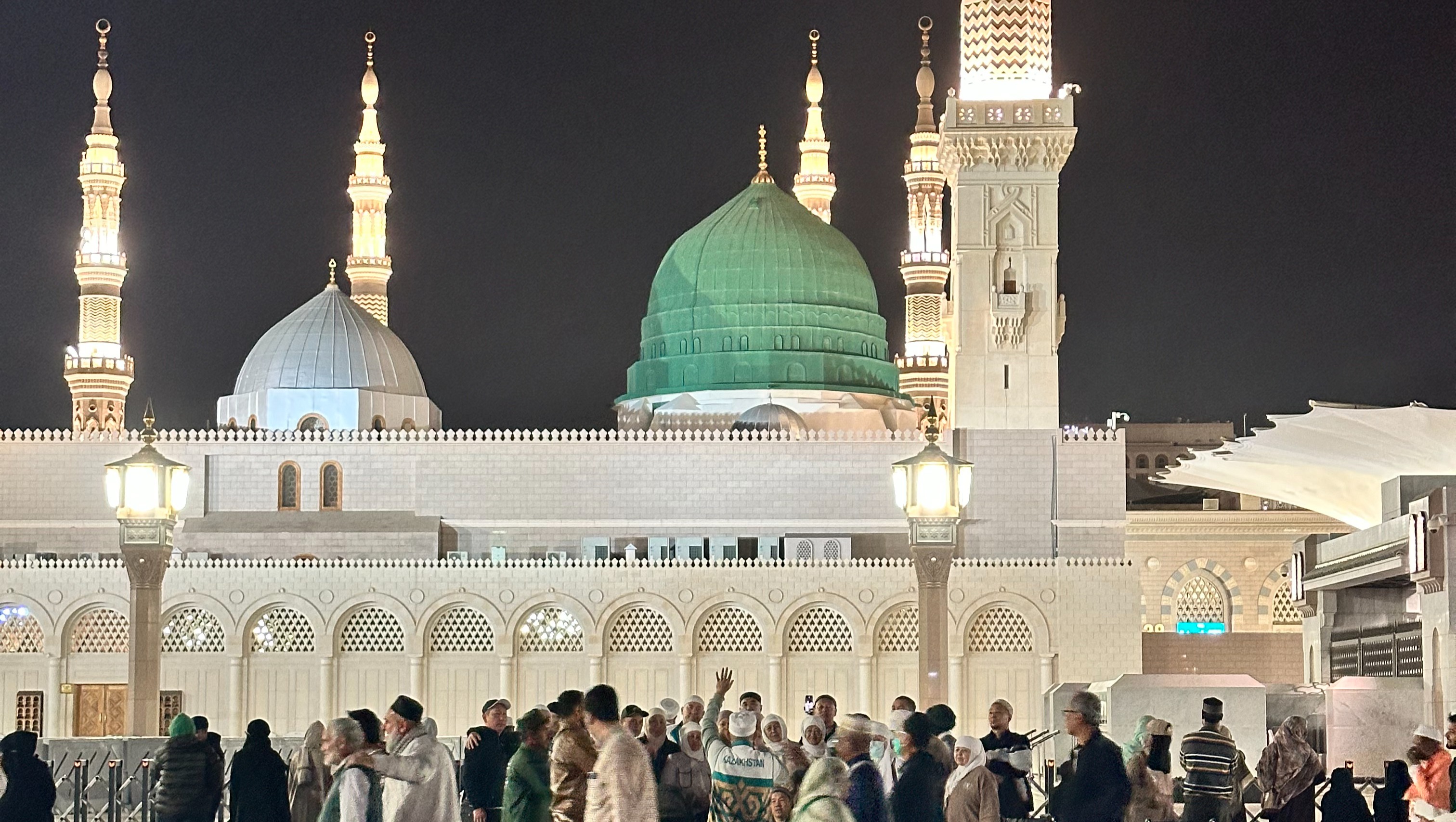
I plan to dedicate the coming years in Egypt to full-time traditional Islamic study through the classical method, focusing on Arabic mastery and the Islamic sciences under the supervision of qualified Azhari scholars.
Alongside this traditional formation, I will pursue advanced graduate study when linguistic mastery and scholarly readiness have been firmly established. The aim is to complete a reputable Master’s degree, followed by a PhD, so that Islamic knowledge can be carried with integrity into modern academic institutions, spoken in a language they recognize without surrendering the standards of the tradition from which it comes.
This direction rests on an existing academic foundation. I hold a Bachelor’s degree in Economics from George Mason University, completed in 2022. That training formed habits of disciplined research, structured writing, and methodological rigor that will serve future graduate work and allow traditional scholarship to engage the contemporary academy with clarity, confidence, and precision.
The Traditional Scholarly Path

For over a millennium, Sunni Islamic scholarship has been preserved through a rigorous pedagogical method based on direct transmission, textual mastery, and close supervision under qualified teachers. This method developed across major historical centers of learning and remains alive today through scholars trained within that tradition. Its defining features are disciplined engagement with authoritative texts, sequential study, and sustained scholarly mentorship.
My course of study is structured as a program of advanced private scholarly training, conducted under the supervision of classically trained scholars. The program emphasizes talaqqī (direct reception of knowledge), disciplined progression through foundational and intermediate texts, and sustained engagement with the core Islamic sciences in their original language. Rather than prioritizing institutional credentials, this path is oriented toward depth of formation, continuity of study, and methodological integrity, with progress assessed through demonstrated understanding, analytical competence, and ongoing scholarly evaluation.
This training is intentionally designed as a pre-graduate formation phase, preceding formal MA or PhD study. Its purpose is to establish the linguistic, methodological, and textual foundations necessary for serious academic research and teaching. The goal is not accelerated certification or public recognition, but sound scholarly preparation so that any future writing, teaching, or public contribution is grounded in accuracy, restraint, and intellectual responsibility, by Allah’s permission.
Keys of Knowledge

Through this traditional program, I aim by the grace of God to acquire the foundational tools of Islamic scholarship by studying the recognized core disciplines of the Sunni scholarly curriculum. These disciplines are approached sequentially and in an integrated manner, with attention to both technical mastery and methodological coherence.
- Islamic Creed (ʿAqīdah): Structured study of foundational theological doctrines within the Sunni tradition, emphasizing conceptual clarity, intellectual balance, and disciplined reasoning.
- Ḥadīth and Ḥadīth Methodology: Systematic engagement with the Prophetic corpus alongside the principles governing authentication, transmission, interpretation, and responsible scholarly use of narrations.
- Jurisprudence (Fiqh): Sequential study of applied legal rulings within a coherent juristic framework, focusing on worship, transactions, and ethical conduct, with attention to legal structure and internal reasoning.
- Principles of Jurisprudence (Uṣūl al-Fiqh): Training in legal methodology, including evidentiary hierarchy, interpretive principles, and the tools through which legal judgments are derived and evaluated.
- Arabic Language Sciences Development of advanced linguistic competence necessary for independent engagement with primary Islamic texts, including: Grammar (Naḥw), Morphology (Ṣarf), Rhetoric (Balāghah).
- Qurʾānic Sciences and Exegesis: Study of the principles of Qurʾānic interpretation and focused engagement with classical tafsīr, aimed at understanding how meaning, law, and theology are derived from the Qurʾān.
- Logic and Methodological Disciplines: Selective study of rational and analytical tools historically employed to sharpen reasoning, prevent fallacy, and support coherent legal and theological analysis.
- Spiritual Formation and Scholarly Adab: Attention to inward discipline, ethical conduct, and the etiquette of learning and teaching, recognizing that scholarly integrity depends on character as well as technical proficiency.
Closing Reflections and Invitation to Support
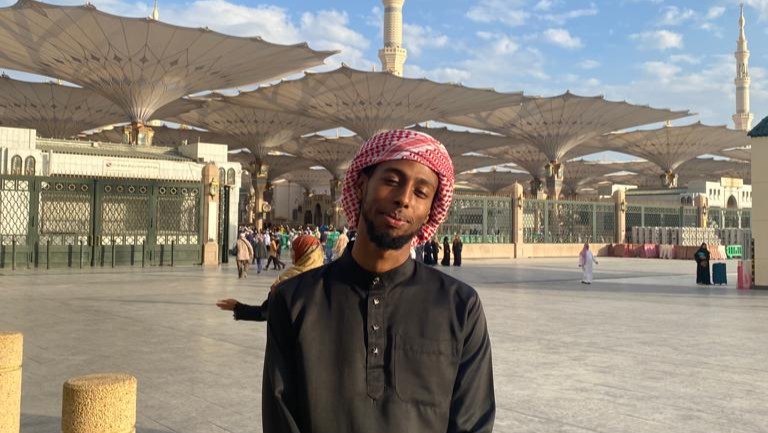
I ask the reader to view this undertaking as an opportunity to support serious scholarly preparation rooted in a time-tested tradition of learning. The pursuit of knowledge when carried out with discipline, supervision, and responsibility has long been recognized as a communal good, one whose benefits extend beyond the individual student to the wider society they ultimately serve.
Any level of support, whether partial or substantial, contributes directly to sustaining a path of study dedicated to depth, accuracy, and long-term academic contribution. Such support enables focused learning, continuity of instruction, and the conditions necessary for intellectual rigor, elements without which serious scholarship cannot be formed.
The Islamic tradition has consistently emphasized the virtue of knowledge, its transmission, and those who labor to preserve it with integrity. The Prophet Muhammad, peace and blessings be upon him and his family, highlighted the elevated status of scholars and teachers due to the enduring benefit of their work.
Abū al-Dardāʾ reported that the Messenger of God peace and blessings be upon him, said:
“Indeed, the angels lower their wings for the seeker of knowledge, pleased with what he does. The inhabitants of the heavens and the earth, even the fish in the depths of the water, seek forgiveness for the scholar. The superiority of the scholar over the devoted worshiper is like the superiority of the moon over the stars. The scholars are the inheritors of the Prophets. They do not leave behind gold or silver, but they leave behind knowledge. Whoever takes hold of it has taken an abundant share.”
(Sunan Abī Dāwūd 3641, ṣaḥīḥ)
Abū Umāmah reported that the Messenger of God peace and blessings be upon him, said:
“The virtue of the scholar over the worshiper is like my virtue over the least of you. Indeed, God, His angels, the inhabitants of the heavens and the earth, even the ant in its hole and the fish, send blessings upon the one who teaches people what is good.”
(Sunan al-Tirmidhī 2685, ṣaḥīḥ)
Abū Hurayrah reported that the Messenger of God, peace and blessings be upon him, said:
“Whoever calls others to guidance will receive a reward equal to the reward of those who follow him, without diminishing their reward in any way. And whoever calls to misguidance will bear a burden of sin equal to the burden of those who follow him, without diminishing their burden in any way.”
(Ṣaḥīḥ Muslim 2674)
I am deeply grateful for your time, consideration, and support. If you are able, I ask that you assist in sustaining this path through contribution, sharing this campaign with others, and keeping me in your prayers. May God, the Most Merciful, place blessings in this effort and reward all who support it with goodness that endure. Ameen.
Organizer