- M
- K
Crag Chemistry Independent Bolt Failure Testing Fund
0% complete
$6,013 raised of
72 donations
Help fund independent testing of failed climbing hardware
When climbing bolts fail, the community needs more than rumours, photos, and speculation.
We need proper testing.
That means metallurgy, corrosion analysis, rock chemistry, expert interpretation, and public reporting — the kind of work that can explain not just what failed, but why it failed, and what other climbing areas can learn from it.
This fund exists to support independent testing of failed climbing bolts, anchors, and surrounding rock environments, with the results published for the benefit of climbers, route equippers, rebolting groups, land managers, and climbing communities worldwide.
Why this matters
Fixed anchors are the foundation of modern sport climbing. In many areas, bolts have now been in the rock for decades. Some were installed with incomplete records. Some were exposed to marine environments, sulfate-rich rock, microbial activity, poor drainage, high humidity, incompatible metals, or unknown installation practices.
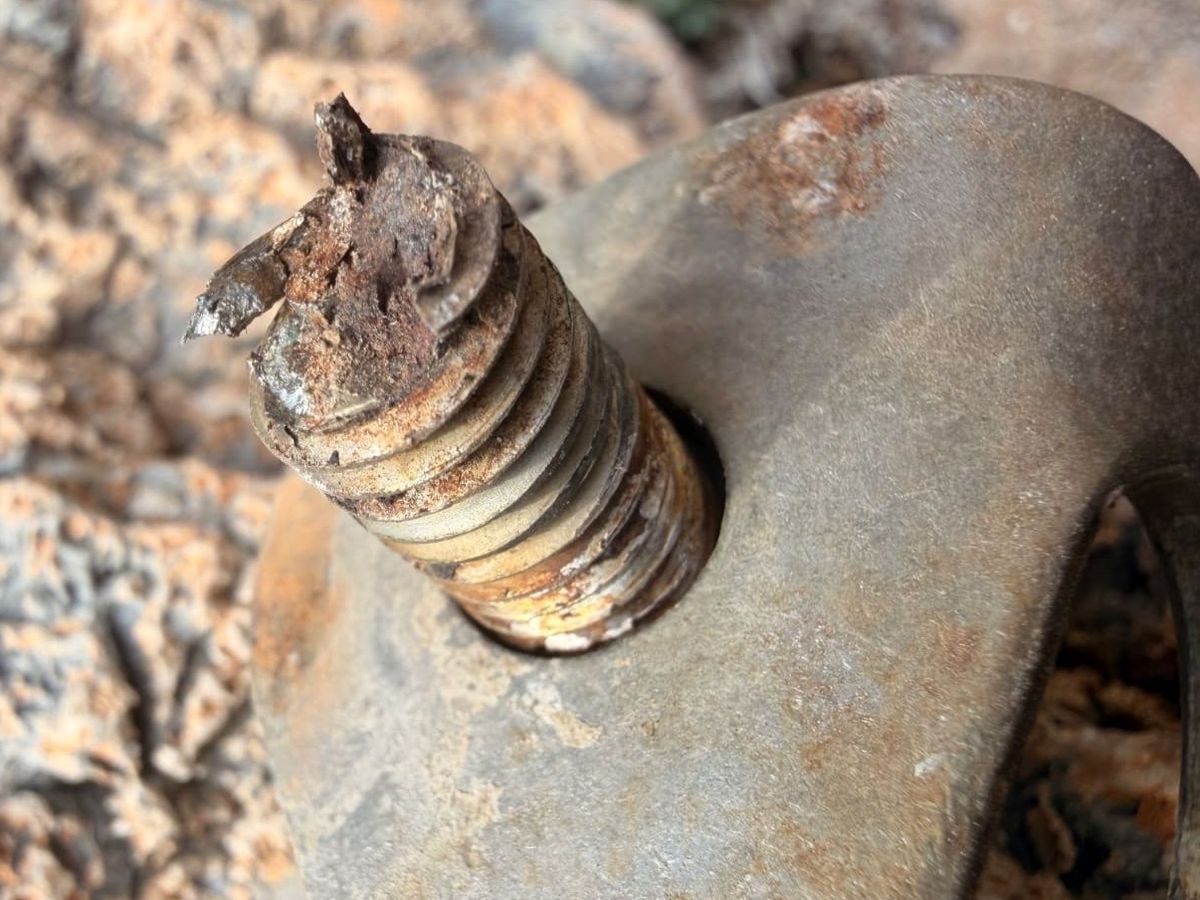
When a bolt or anchor fails, the climbing community often gets only fragments of the story:
- a photo of the failed bolt
- a social media thread
- a few informed guesses
- maybe a warning about one route or one crag
That is not enough.
A failed bolt is also evidence. If it is properly preserved, tested, interpreted, and reported, it can help answer questions that matter globally:
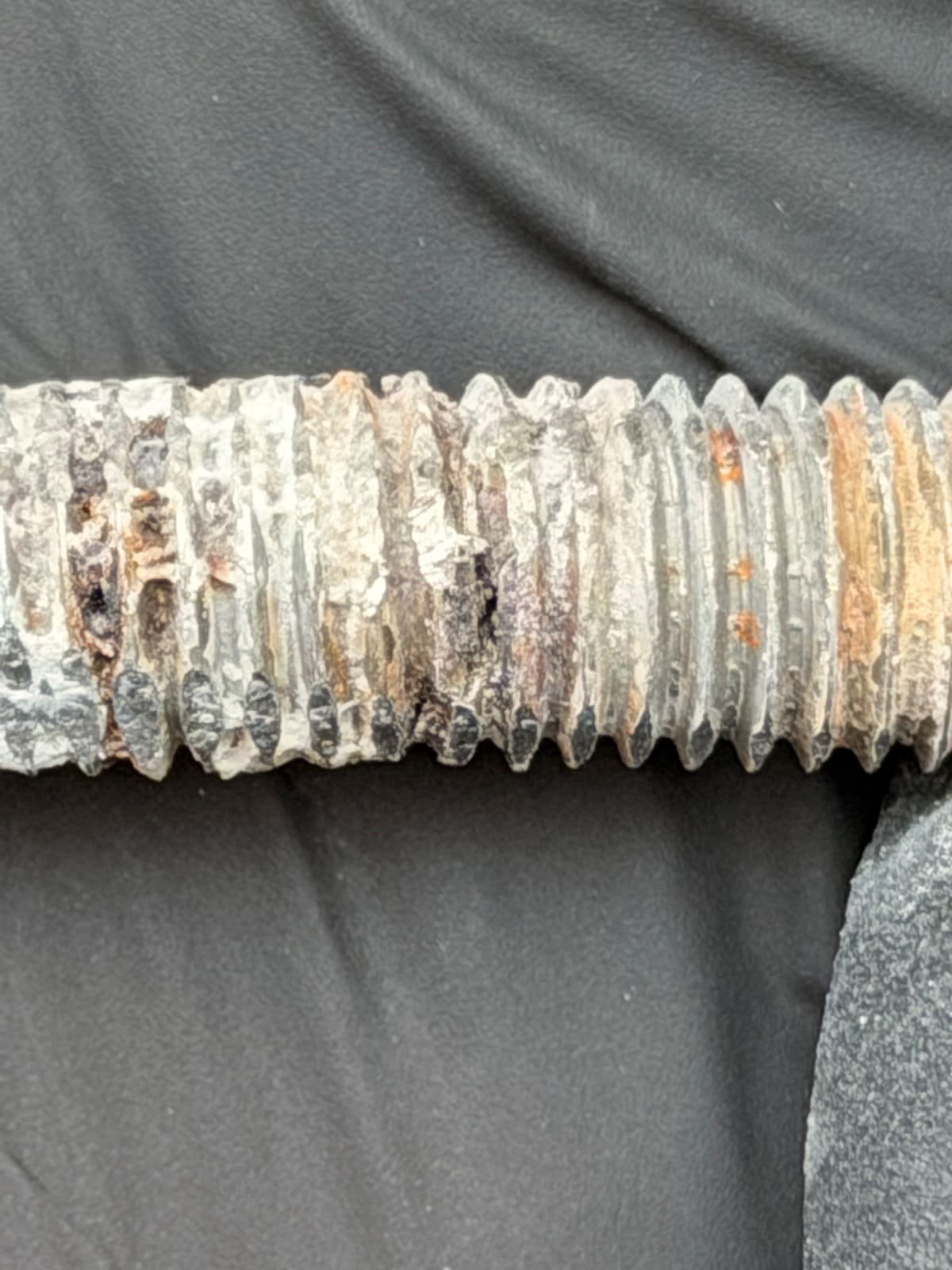
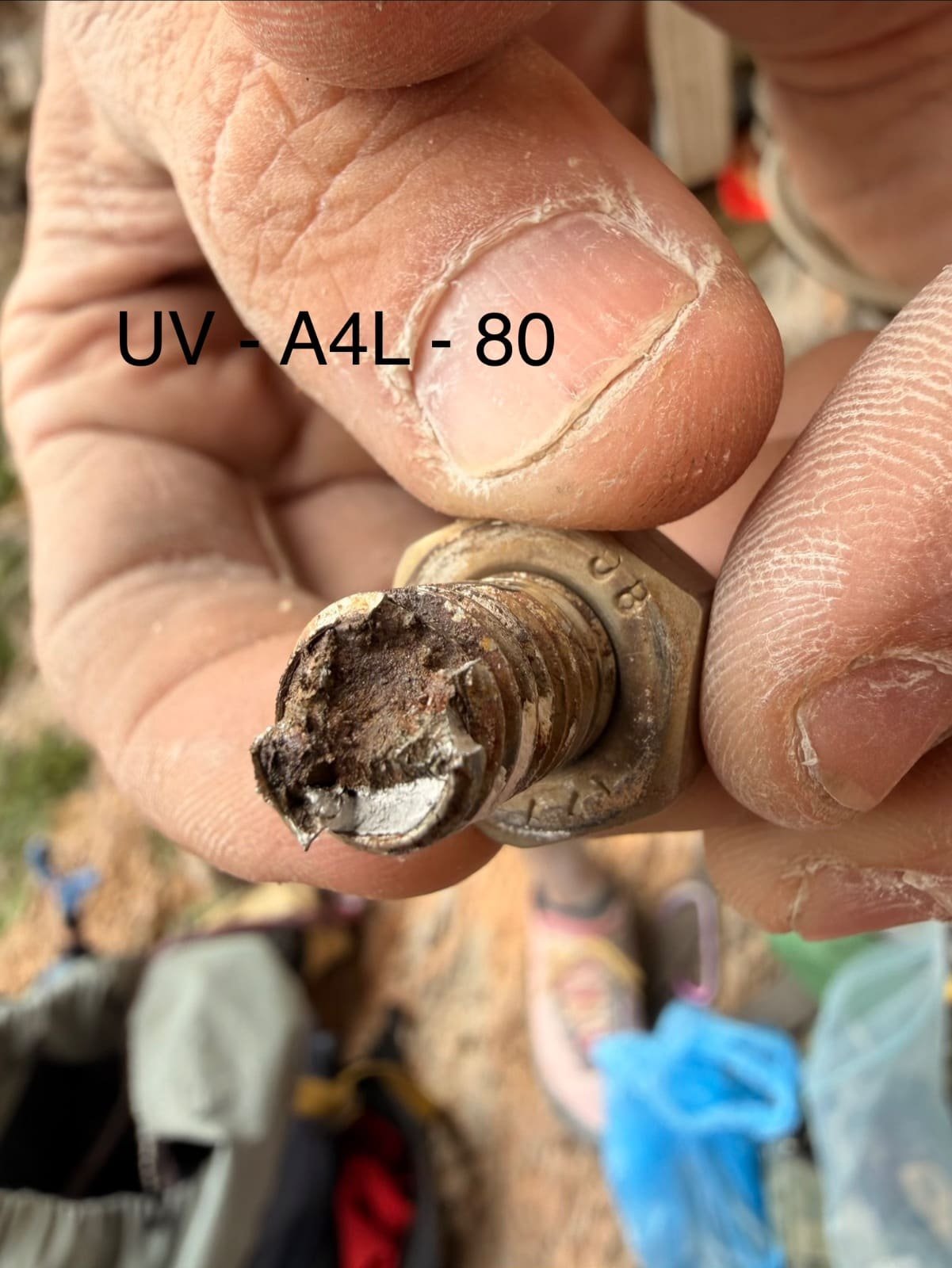
- Was the failure caused by stress corrosion cracking, sulphide stress cracking, mechanical overload, installation damage, manufacturing defect, corrosion fatigue, or another mechanism?
- Was the alloy what it was believed to be?
- Were environmental factors present in the surrounding rock?
- Are similar bolts, routes, time periods, or crag environments worth inspecting?
- What lessons should route equippers, rebolting groups and manufacturers take from the failure?
This work is technical, time-consuming, and expensive. It should not depend on one or two individuals personally absorbing the cost every time a serious failure needs to be investigated.
What this fund will pay for
Funds raised will be used for independent testing and publication work, including:
- ✅ metallurgical testing of failed climbing bolts and anchors
- ✅ alloy identification
- ✅ fracture analysis
- ✅ corrosion analysis
- ✅ sulfate, sulphide, chloride, and other rock-chemistry testing
- ✅ laboratory fees
- ✅ sample shipping and handling
The fund is intended for testing and knowledge-sharing, not general route maintenance.
This fund is not intended to pay for:
- ❌ labour
- ❌ rebolting
- ❌ travel
- ❌ route development
- ❌ general overheads unrelated to testing and reporting
What CragChemistry.com will still provide for free:
- ✅ our time and scientific expertise
- ✅ expert interpretation
- ✅ technical reporting
- ✅ publication of findings through CragChemistry.com
The purpose is narrow: independent testing, interpretation, and publication of findings.
The first case
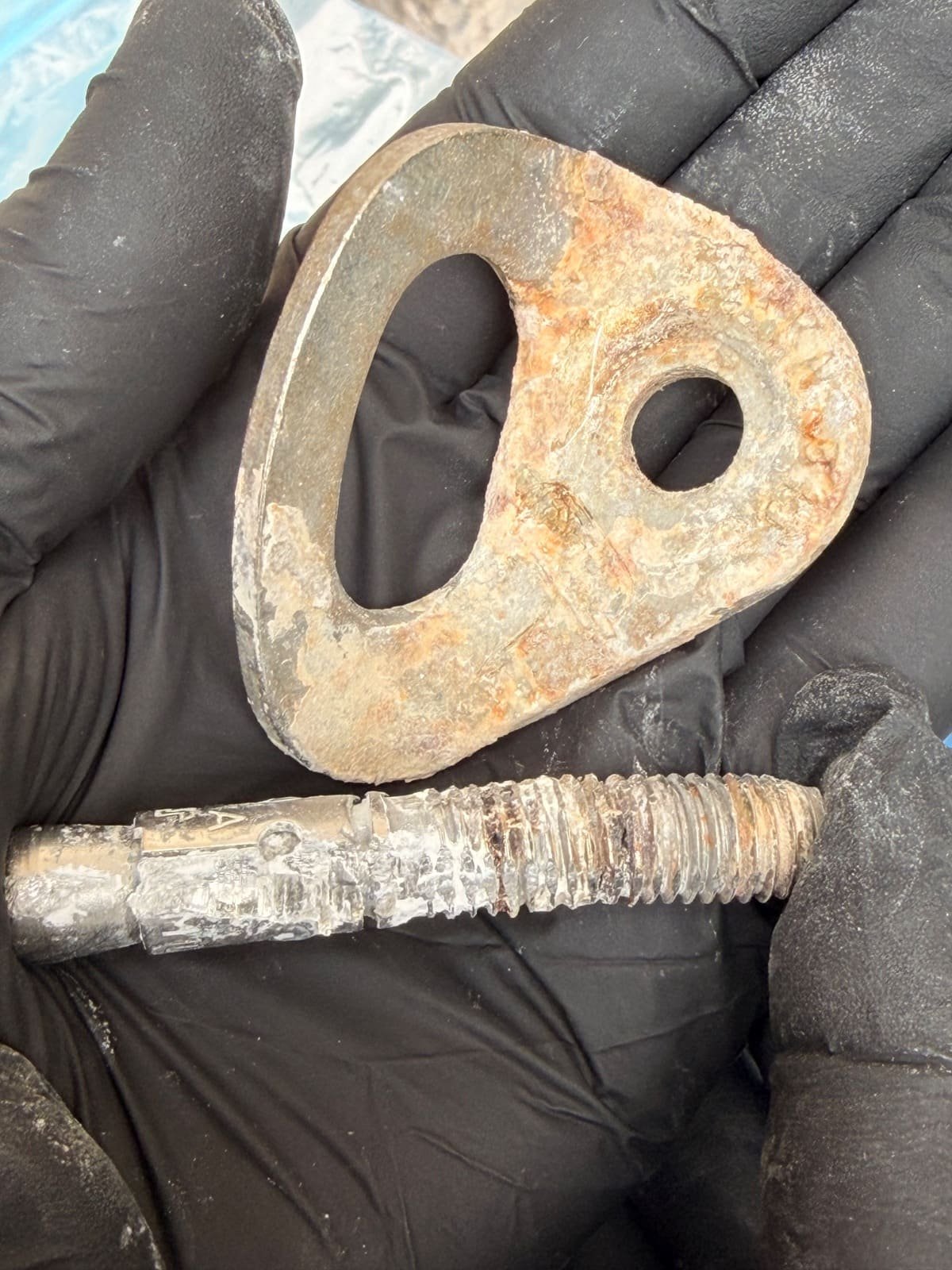
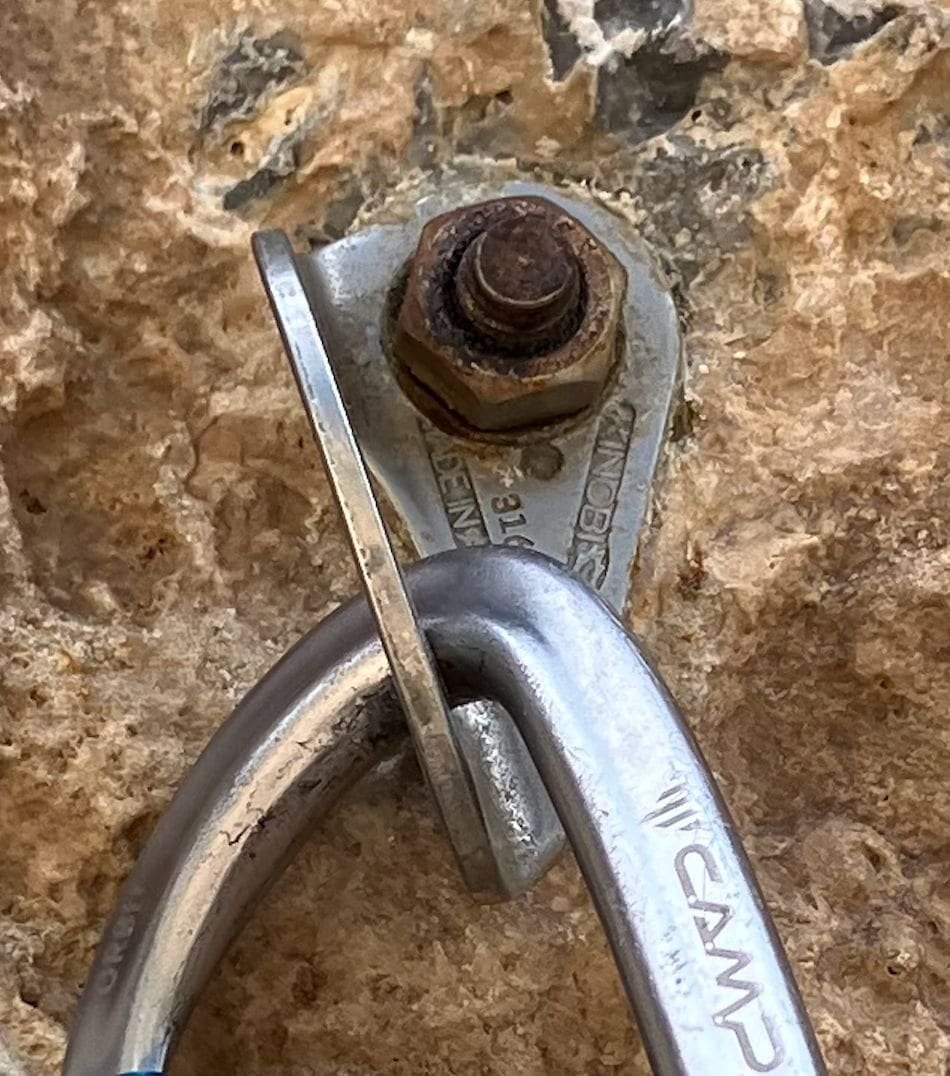
The first disclosed cost is AUD $770 for independent metallurgical testing of failed bolts from St Savvas, Kalymnos, where the simultaneous failure of anchor bolts caused a fatal accident in March 2026 (see preliminary post here).
That work is part of a broader investigation into a serious fixed-anchor failure and will help inform the climbing community about the likely failure mechanism, the materials involved, and what other areas may need to consider when inspecting ageing fixed hardware.
Further testing is also expected.
This campaign is not just about one incident. St Savvas is the first case, but the purpose of the fund is wider: to create a standing pool of support for future failed-bolt and rock-environment testing where the results can be shared publicly.
Why Crag Chemistry?
CragChemistry.com exists to investigate the interaction between climbing hardware, rock environments, corrosion mechanisms, and real-world fixed-anchor failures.
The goal is to turn failures into useful knowledge.
Results funded by this campaign will be published so that other climbing areas can learn from them. That includes technical summaries, test results, photographs, interpretation, and practical implications for climbers and route maintainers.
Transparency
We have published a simple public record of:
- funds received
- tests funded
- expenses paid
- reports produced
- future testing priorities
The aim is to make it clear where donor money goes and what knowledge it helps produce.
Why donate?
Because proper testing benefits the whole climbing community.
Every serious bolt failure is an opportunity to learn. But without funding, many failures are never properly analysed. Hardware may be thrown away, assumptions harden into folklore, and other climbing areas lose the chance to identify similar risks.
Your donation helps turn isolated failures into public knowledge - on the record.
It helps fund the testing needed to answer difficult questions properly.
It helps route equippers, rebolting groups, and climbing communities make better decisions about how to make areas safer and prevent tragic accidents.
Ultimately, it helps make fixed-anchor climbing safer.
Suggested donation guide
Any amount helps.
Lab fees are very expensive.
As an example, the third party laboratory fees we recently paid to obtain an accurate chemical analysis for testing two bolts was $770 AUD ($540 USD / 470 EUR).
Unfortunately we cannot continue to self-fund this important work. We need your help.
Donations will help build a working fund so that urgent testing can begin quickly when future failures occur.
Campaign target
This is not an all-or-nothing target. It is an initial working balance for ongoing testing. Funds will be used as they become available for current and future testing, analysis, reporting, and publication.
Core message
Failed climbing bolts should not disappear into rumour, photos, or private conversations.
When fixed hardware fails, the climbing community needs proper testing, expert interpretation, and public reporting.
That costs money.
The knowledge benefits our whole community.