- D
- D
- D
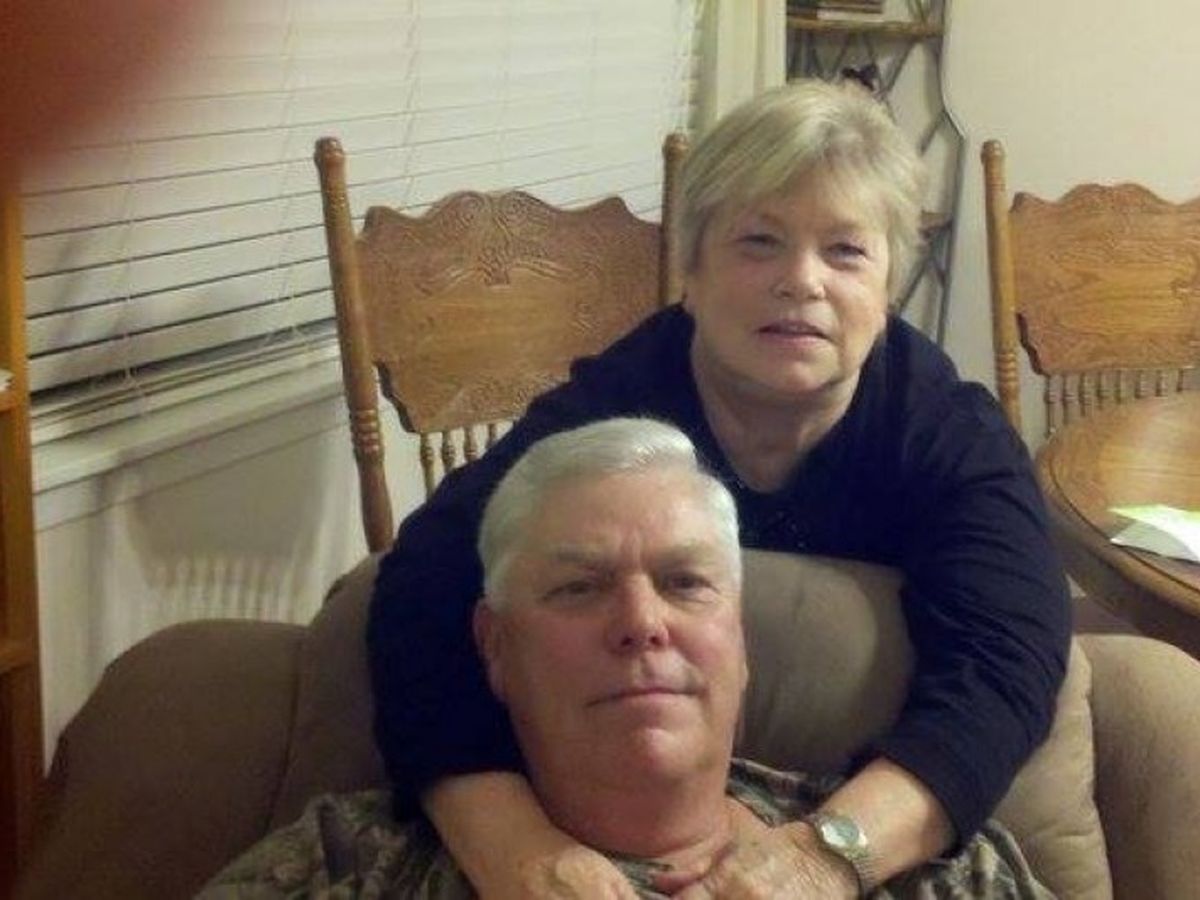
Today (4/9/2015) Tracy’s dad (Dennis Jennings) was diagnosed with Hairy Cell Leukemia. Her Dad and Mom will be making many trips from Bastrop, LA to Houston, TX for treatment. I will be selling these ORANGE RIBBON bracelets in support of Leukemia and her parents. The proceeds will go to help them with Gas (little over a 6 hour drive), Food and Hotel stay if not able to stay at the Hospital.
Thank you,
Matt
Hairy cell leukemia - An uncommon hematological malignancy characterized by an accumulation of abnormal B lymphocytes. It is usually classified as a sub-type of chronic lymphoid leukemia. Hairy cell leukemia makes up approximately 2% of all leukemias, with fewer than 2,000 new cases diagnosed annually in North America and Western Europe combined.
Hairy cell leukemia was originally described as histiocytic leukemia, malignant reticulosis, or lymphoid myelofibrosis in publications dating back to the 1920s. The disease was formally named leukemic reticuloendotheliosis and its characterization significantly advanced by Bertha Bouroncle and colleagues at The Ohio State University College of Medicine in 1958. Its common name, which was coined in 1966,[1] is derived from the "hairy" appearance of the malignant B cells under a microscope.
Thank you,
Matt
Hairy cell leukemia - An uncommon hematological malignancy characterized by an accumulation of abnormal B lymphocytes. It is usually classified as a sub-type of chronic lymphoid leukemia. Hairy cell leukemia makes up approximately 2% of all leukemias, with fewer than 2,000 new cases diagnosed annually in North America and Western Europe combined.
Hairy cell leukemia was originally described as histiocytic leukemia, malignant reticulosis, or lymphoid myelofibrosis in publications dating back to the 1920s. The disease was formally named leukemic reticuloendotheliosis and its characterization significantly advanced by Bertha Bouroncle and colleagues at The Ohio State University College of Medicine in 1958. Its common name, which was coined in 1966,[1] is derived from the "hairy" appearance of the malignant B cells under a microscope.
Organizer and beneficiary
Dennis Jennings
Beneficiary