- A
- N

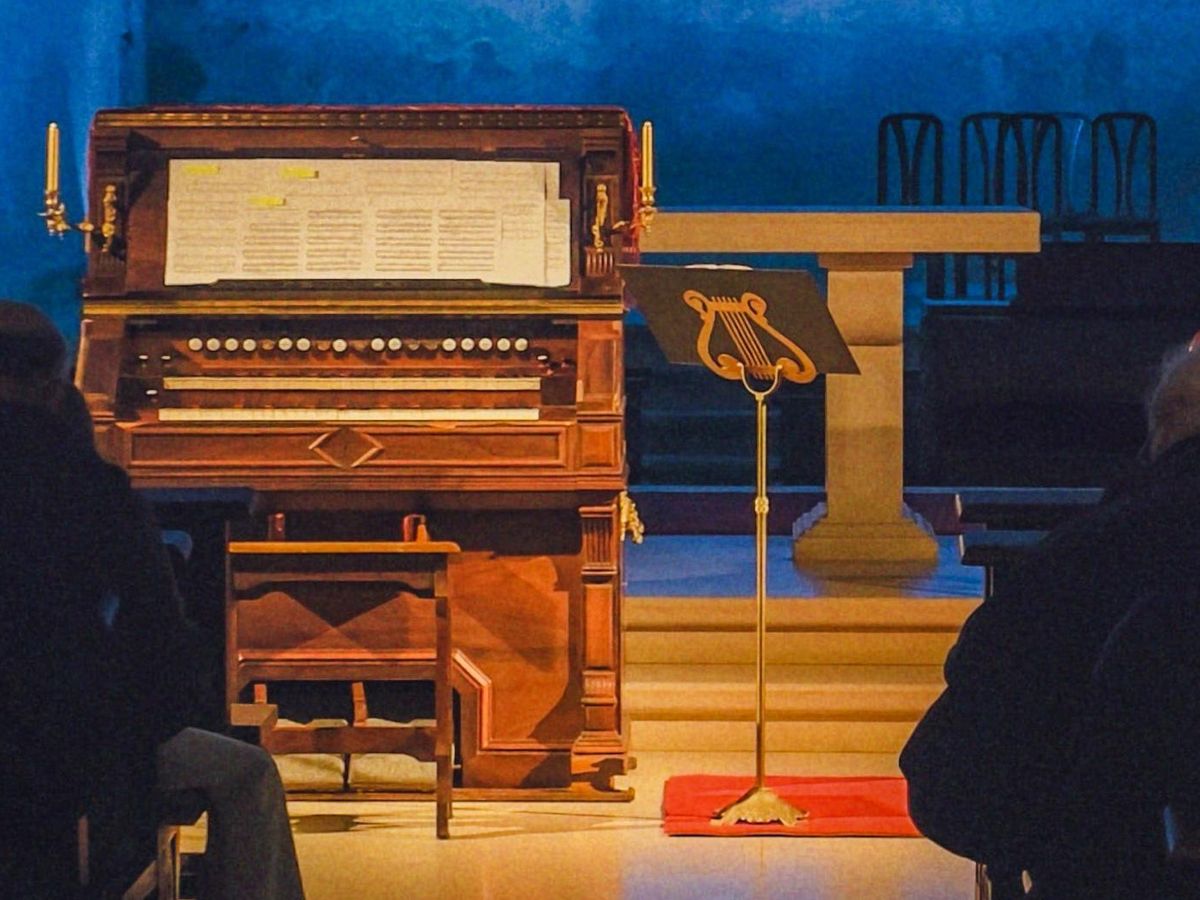
Restauro do Orgue-Célesta Mustel de 1898
0% complete
€5,403 raised of €20K
64 donations

jsantos-organ.com
(EN and FR below)
O restauro está estimado em 27.000€ e será realizado por um dos principais especialistas em restauro deste género de instrumentos, garantindo os mais elevados padrões de qualidade e respeito pelas técnicas originais. A recuperação deste instrumento permitirá não só preservar um importante legado da invenção instrumental francesa, mas também enriquecer o panorama musical e cultural português, disponibilizando um exemplar raro para concertos, investigação, composição e formação.
Este projeto insere-se num esforço mais amplo de resgate e valorização do harmónio de arte, um instrumento de grande relevância na Europa entre o século XIX e o início do século XX, mas que permaneceu praticamente esquecido em Portugal durante todo o século XX. A investigação em torno deste tema está a ser documentada academicamente e já resultou num artigo científico publicado no boletim cultural do município de Mafra (2025), constituindo a primeira publicação nacional sobre este domínio desde o início do século XX.
O financiamento deste projeto contribuirá diretamente para a preservação e redescoberta de um património musical desaparecido em Portugal, permitindo que este instrumento volte a ser ouvido, estudado e apreciado, com projeção nacional e internacional.
Concerto ao vivo:
(Mais vídeos neste canal)
English Version
This project aims at the complete restoration of the 1898 Mustel Orgue-Célesta, an instrument of great rarity and heritage value, rescued from the Franciscan Convent of Montariol in Braga. It is currently under the care of organist João Santos at his music studio Fort’Expressivo, following a partnership with the Franciscan community. Since its concert debut in December 2023, its unique and rich timbre has aroused great interest and admiration, resulting in thirteen concerts to date, as well as numerous media features (newspapers, radio, and television), including a live concert broadcast on Antena 2.
The restoration, estimated at €20,000, will be carried out by one of the leading specialists in the restoration of this type of instrument, ensuring the highest standards of quality and respect for original techniques. The recovery of this instrument will not only preserve an important legacy of French instrumental invention but will also enrich the Portuguese musical and cultural landscape, making a rare example available for concerts, research, composition, and education.
This project is part of a broader effort to rediscover and promote the harmonium d’art, an instrument of great significance in Europe between the 19th and early 20th centuries, yet one that remained virtually forgotten in Portugal throughout the 20th century. The ongoing research on this subject is being documented academically and has already resulted in a scholarly article published in the cultural bulletin of the Municipality of Mafra (2025), marking the first national publication on this topic since the early 20th century.
Funding for this project will directly contribute to the preservation and rediscovery of a musical heritage that has vanished from Portugal, allowing this instrument to be heard, studied, and appreciated once again—both nationally and internationally.
The first phase of the restoration, focusing on the external casework, is currently underway, under the responsibility of woodcarver António Luís Lourenço (Vimeiro, Alcobaça). This phase is expected to be completed in early 2026, at which time the instrument will be reassembled and used in the events already scheduled for the coming year. The restoration of the internal mechanism will take place in a second phase, once the necessary funds have been secured.
Live concert:
https://youtu.be/ynCZUVRN6R4?si=hHZDQVCdaVnuqwXg
(More videos available on this channel)
⸻
Version française
Ce projet vise la restauration complète de l’Orgue-Célesta Mustel de 1898, un instrument d’une grande rareté et d’une valeur patrimoniale exceptionnelle, sauvé du Couvent Franciscain de Montariol, à Braga. Il est actuellement conservé par l’organiste João Santos dans son atelier de musique Fort’Expressivo, dans le cadre d’un partenariat avec la communauté franciscaine. Depuis sa première présentation en concert, en décembre 2023, son timbre unique et raffiné a suscité un grand intérêt et une vive admiration, donnant lieu à treize concerts à ce jour, ainsi qu’à de nombreux reportages (presse écrite, radio et télévision), dont un concert en direct sur Antena 2.
Le coût estimé de la restauration est de 20 000 €, et celle-ci sera réalisée par l’un des principaux spécialistes dans ce domaine, garantissant les plus hauts standards de qualité et le respect des techniques d’origine. La restauration de cet instrument permettra non seulement de préserver un important héritage de l’invention instrumentale française, mais aussi d’enrichir le paysage musical et culturel portugais, en rendant disponible un instrument rare pour les concerts, la recherche, la composition et la formation.
Ce projet s’inscrit dans un effort plus large de redécouverte et de valorisation de l’harmonium d’art, un instrument d’une grande importance en Europe entre le XIXᵉ et le début du XXᵉ siècle, mais qui est resté pratiquement oublié au Portugal tout au long du XXᵉ siècle. La recherche menée sur ce sujet fait l’objet d’une documentation académique et a déjà abouti à la publication d’un article scientifique dans le bulletin culturel de la municipalité de Mafra (2025), constituant la première publication nationale sur ce thème depuis le début du XXᵉ siècle.
Le financement de ce projet contribuera directement à la préservation et à la redécouverte d’un patrimoine musical disparu au Portugal, permettant à cet instrument d’être à nouveau entendu, étudié et apprécié, tant au niveau national qu’international.
La première phase de la restauration, consacrée à la caisse externe, est actuellement en cours, sous la responsabilité du sculpteur sur bois António Luís Lourenço (Vimeiro, Alcobaça). Cette phase devrait s’achever au début de l’année 2026, moment où l’instrument sera remonté et utilisé lors des événements déjà programmés pour l’année suivante. L’intervention sur la partie interne aura lieu lors d’une seconde phase, dès que les fonds nécessaires auront été réunis.
Concert en direct :
https://youtu.be/ynCZUVRN6R4?si=hHZDQVCdaVnuqwXg
(D’autres vidéos disponibles sur cette chaîne)