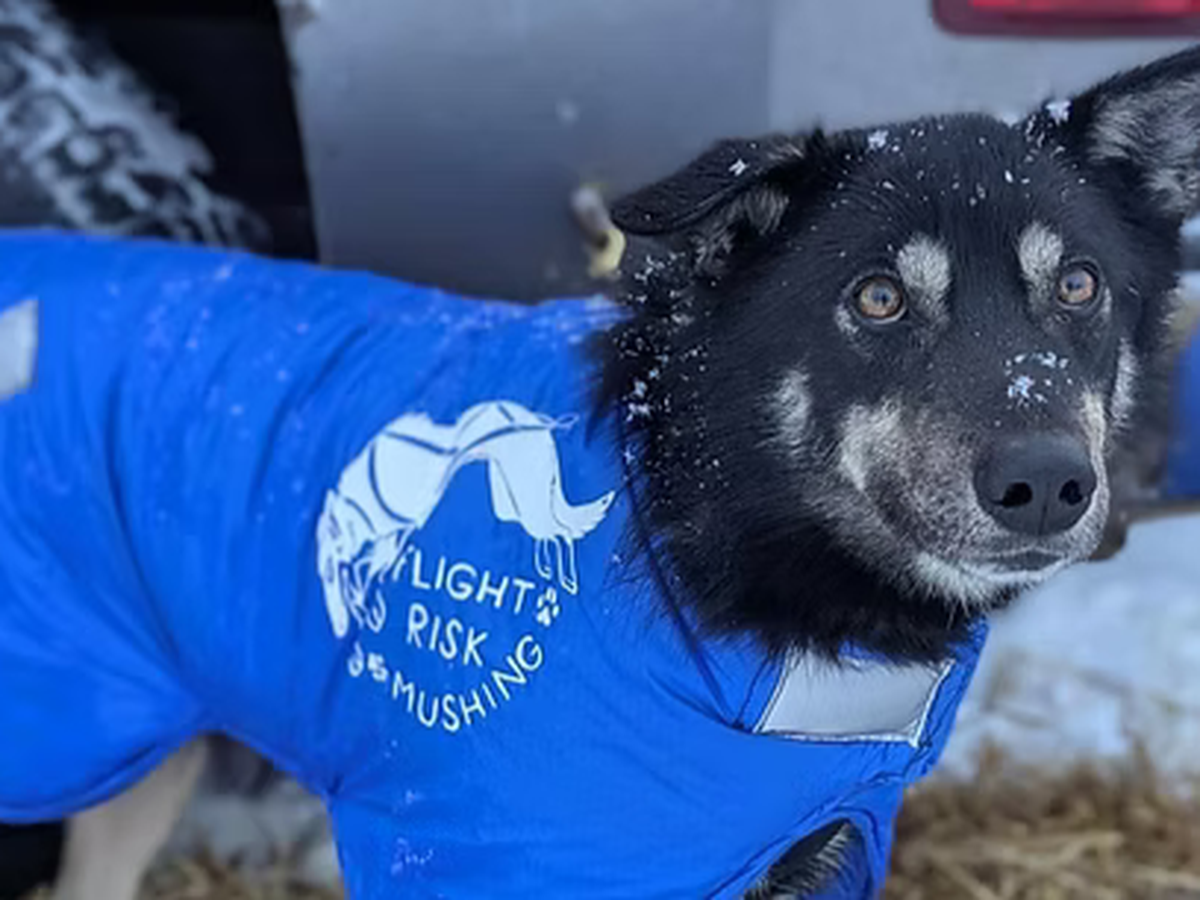
- S

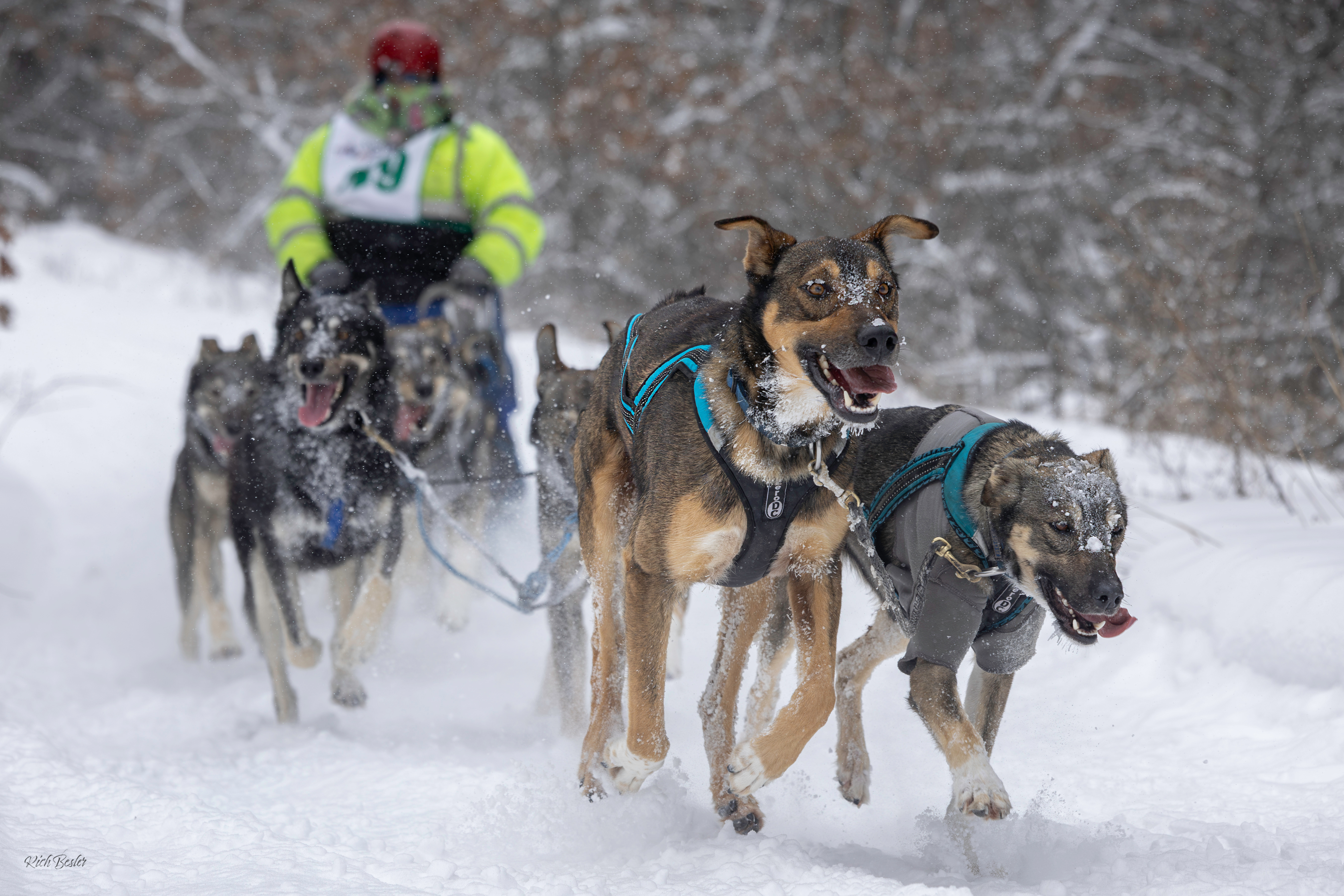
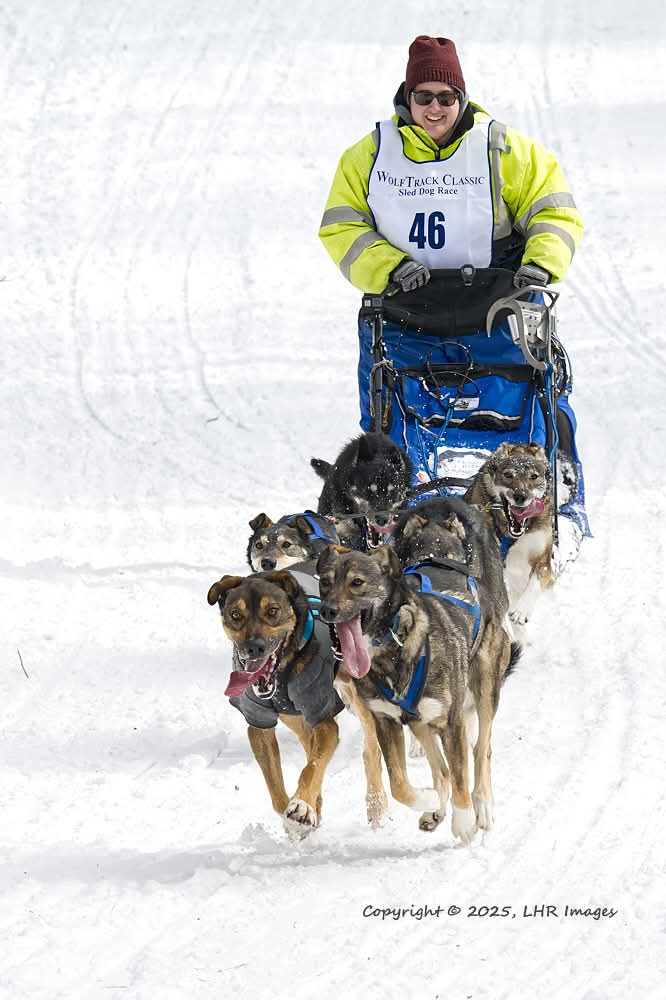
My name is Melissa Mendelson, and I am working with the University of Minnesota to research Primary Ciliary Dyskinesia (PCD) in Alaskan Huskies. The gene for this disease is not picked up by the existing PCD genetic tests for Alaskan Malamutes, Old English Sheepdogs, or Australian Shepherds. Full genome sequencing has a >90% chance of finding the mutation. This genome sequencing will cost $3000-4000 and takes 3-4 months to process.
What is Primary Ciliary Dyskinesia?
Primary Ciliary Dyskinesia is a condition where the cilia, little finger-like projections on the exterior of cells, do not function properly. The cilia are responsible for moving fluids through the body properly. When they don’t work, the body has issues moving mucus and other fluids through and out of the respiratory system. This causes mucus buildup and chronic coughing and nasal congestion, and heavily increases the risk of chronic upper respiratory infections and pneumonia. There can also be issues with chronic ear infections as well as permanent damage to the respiratory airways over a long enough time, which causes breathing issues. In addition, about 50% of dogs born with PCD will have Situs Inversus, or Kartagener Syndrome, which causes the organs to be mirror-image flipped left to right and right to left. There are several other issues associated with PCD such as infertility, Heterotaxy Syndrome (organ malfunction), and hydrocephalus (swelling in the brain).
Our story:
In 2019, my friend Becca adopted an Alaskan husky named Snotty, named so because she was very sickly and snotty since she was a few weeks old. Snotty’s breeders decided to find a pet home for her since she was sickly and a low stress home would be better for her health. As Snotty grew, she continued to become sick with upper respiratory sicknesses that wouldn’t go away. Becca poured a lot of money into back and forth with vets, and was finally able to find a diagnosis: Primary Ciliary Dyskinesia with Situs Inversus. Situs Inversus is when the organs in the body are flipped left to right. As a yearling, Snotty had chronic pneumonia caused by the PCD and sadly passed away from complications.
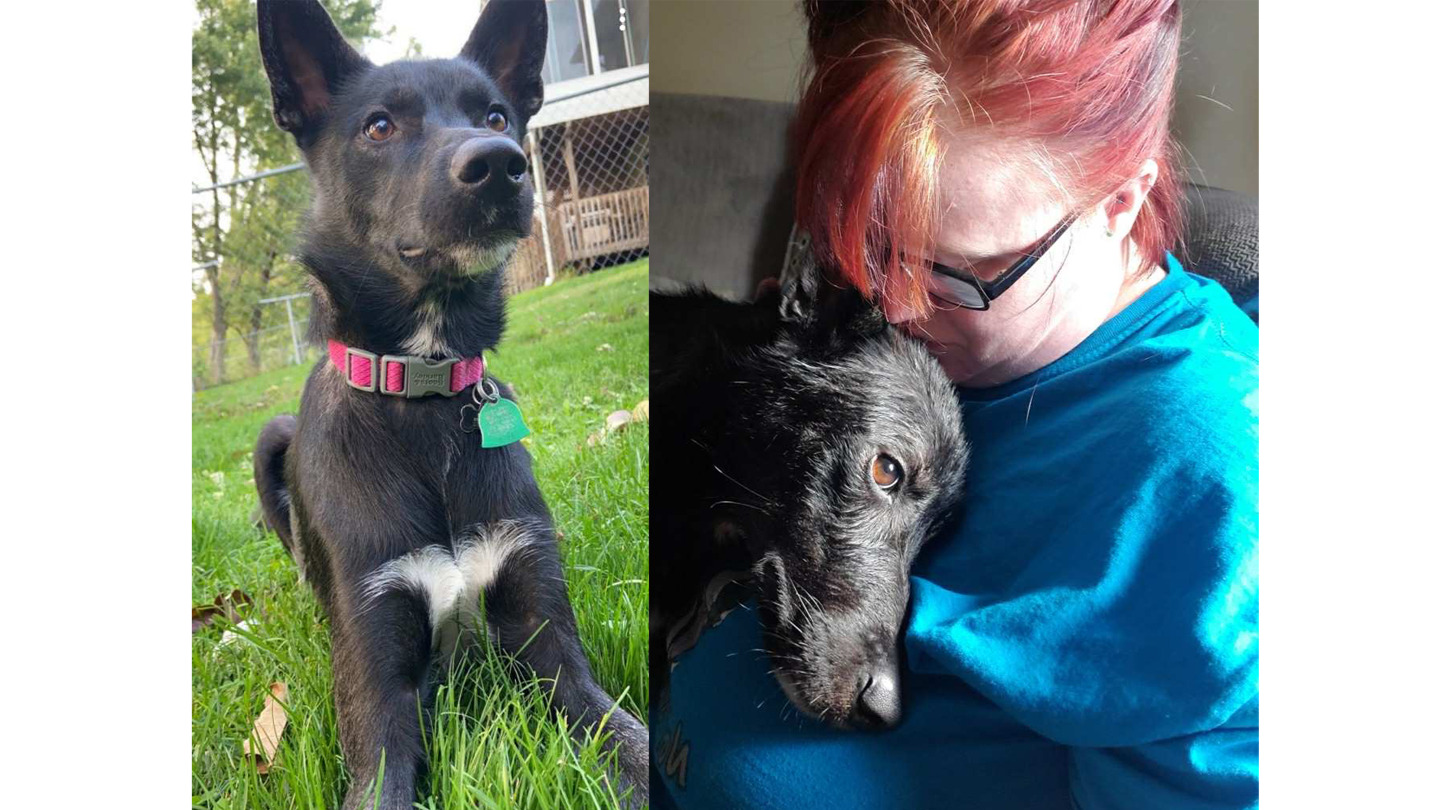
Between all the mushers I, Becca, and Snotty’s breeder had contacted, no one had ever heard of any Alaskan Huskies with PCD before, or even chronic upper respiratory sicknesses. We all thought this was a one-off, rare and strange issue.
In 2023, I decided to have a litter with the Alaskan huskies, Panther and Brooks. Panther is Snotty’s 2nd cousin; Brooks is completely unrelated to both Panther and Snotty. I didn’t expect any issues. When the litter was 3 weeks old, Watkins started to have a snotty nose, just like Snotty as a tiny puppy. Antibiotics from the vet would clear it up, but the respiratory issues and snottiness would come back as soon as the antibiotics stopped. Around 7 weeks old, a second puppy in the litter, Brûlée (puppy name Braver, for continuity), started showing the same symptoms – chronic snotty nose and upper respiratory issues. I had both Watkins and Brûlée x-rayed twice, to make sure their organs were in the right place, because I knew the history with Snotty. Both dogs were normal, but the upper respiratory issues continued. Watkins stayed at my kennel, and I spent over a year driving back and forth from University of Minnesota to try and get a diagnosis. A few months ago, we finally were able to confirm the diagnosis: Primary Ciliary Dyskinesia, just like Snotty. Brûlée hasn’t gone through the testing but it is safe to assume that she has it as well since she is Watkins’ littermate.
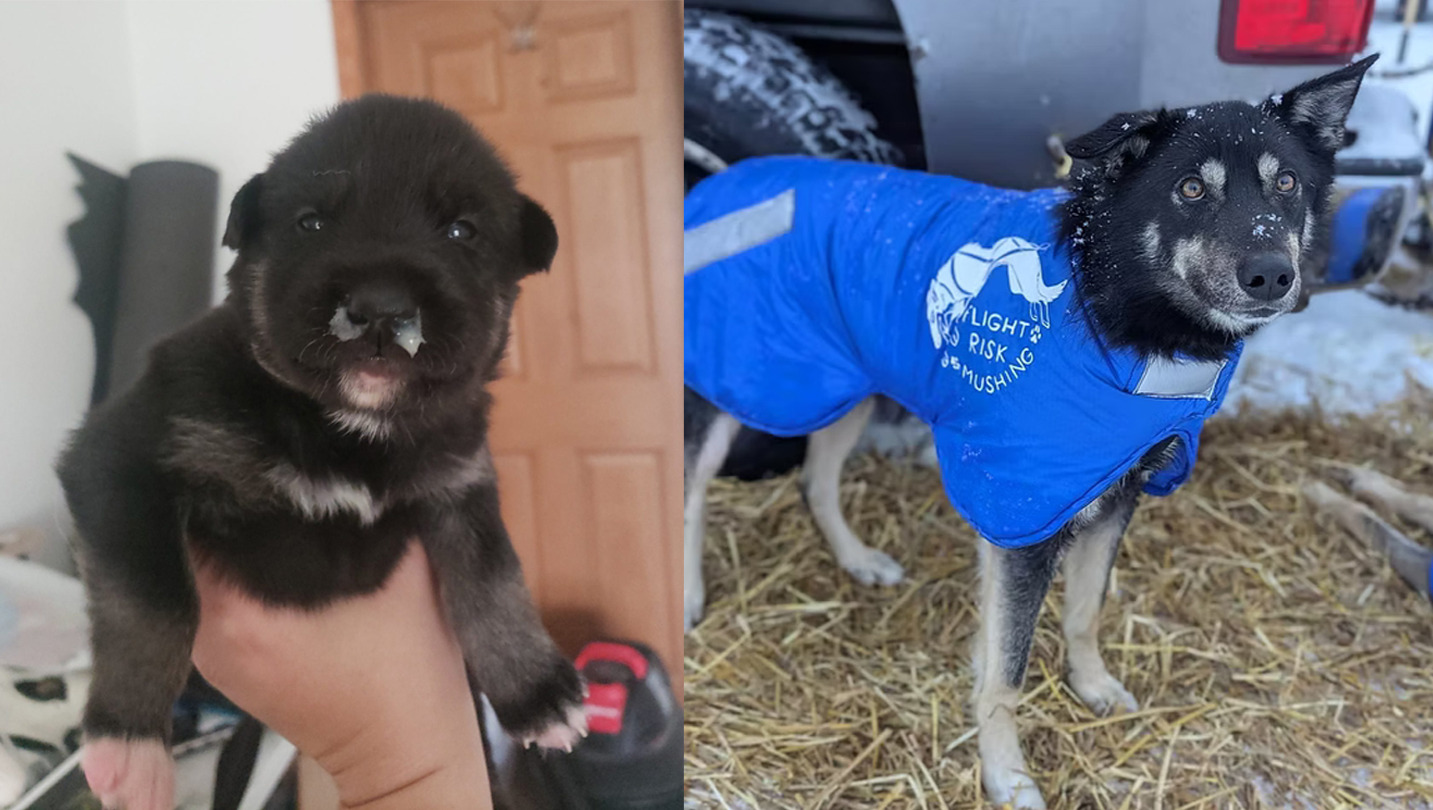
Watkins as a puppy; Watkins now as a 2 year old
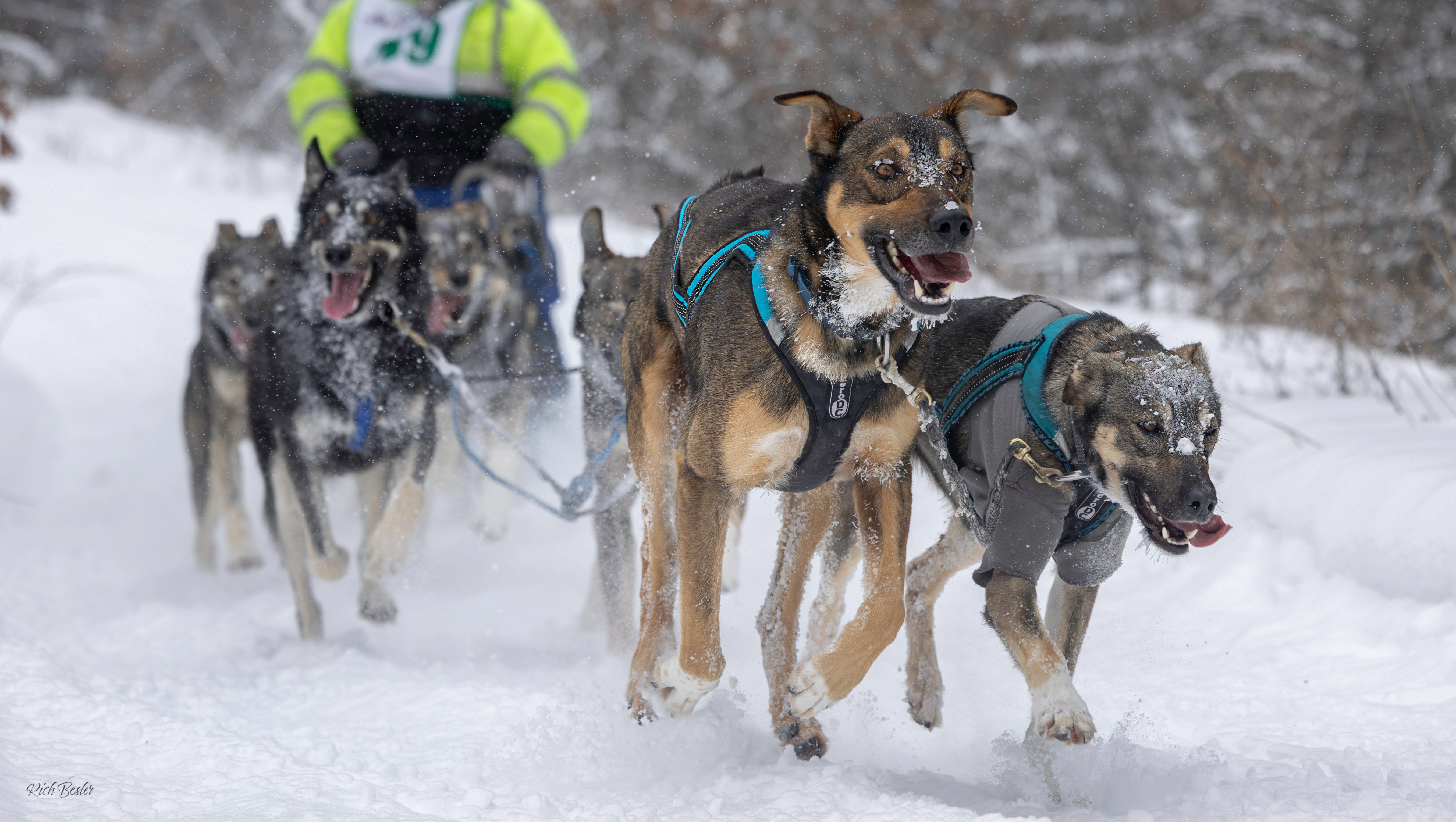
Watkins racing on my Northern Pines 2025 mid-distance team - he is the black dog in swing, viewer's left
Moving forward:
I am currently working with Dr. Katie Minor, Dr. Kristin Connor, and Dr. Eva Furrow at the Genetics Lab at University of Minnesota to research this condition. Dr. Katie Minor also worked on the genetic research with several racing Siberian Husky kennels that revealed SHPN1 and SPS1 in Siberian Huskies just a few years ago. Our first step is to do a full genome sequencing of Watkins. According to the doctors at U of M, PCD is usually caused by a deletion in a gene and the full genome sequencing has a >90% chance of finding the mutation. This genome sequencing will cost $3000-4000 and takes 3-4 months to process. If they find the mutation, they will be able to develop a much faster, cheaper test to check for carriers that will be widely available. In addition, we are using Embark test raw data and DNA collection via blood draw and cheek swab to help guide to the right spot in the search for the mutation. I have compiled a long list of relatives and am doing blood draws on the most immediate relatives (since blood draw gives a better DNA sample) and cheek swabs on all the rest. The ultimate goal of this research is to create a genetic test that can be completed with a simple cheek swab and a low cost, to screen dogs for PCD carriers before breeding and prevent more dogs with PCD from being born. The money raised in this fundraiser will be going towards the genome sequencing cost, as well as the costs for blood draw DNA samples, cheek swabs, and more Embark tests if needed.
***If you have a dog who is related to Watkins or Snotty, even distantly, please don’t hesitate to reach out for a cheek swab to contribute to the research. All costs will be covered by myself. Please reach out to me via Facebook DM or my email melissa_mendelson (@) yahoo.com .***
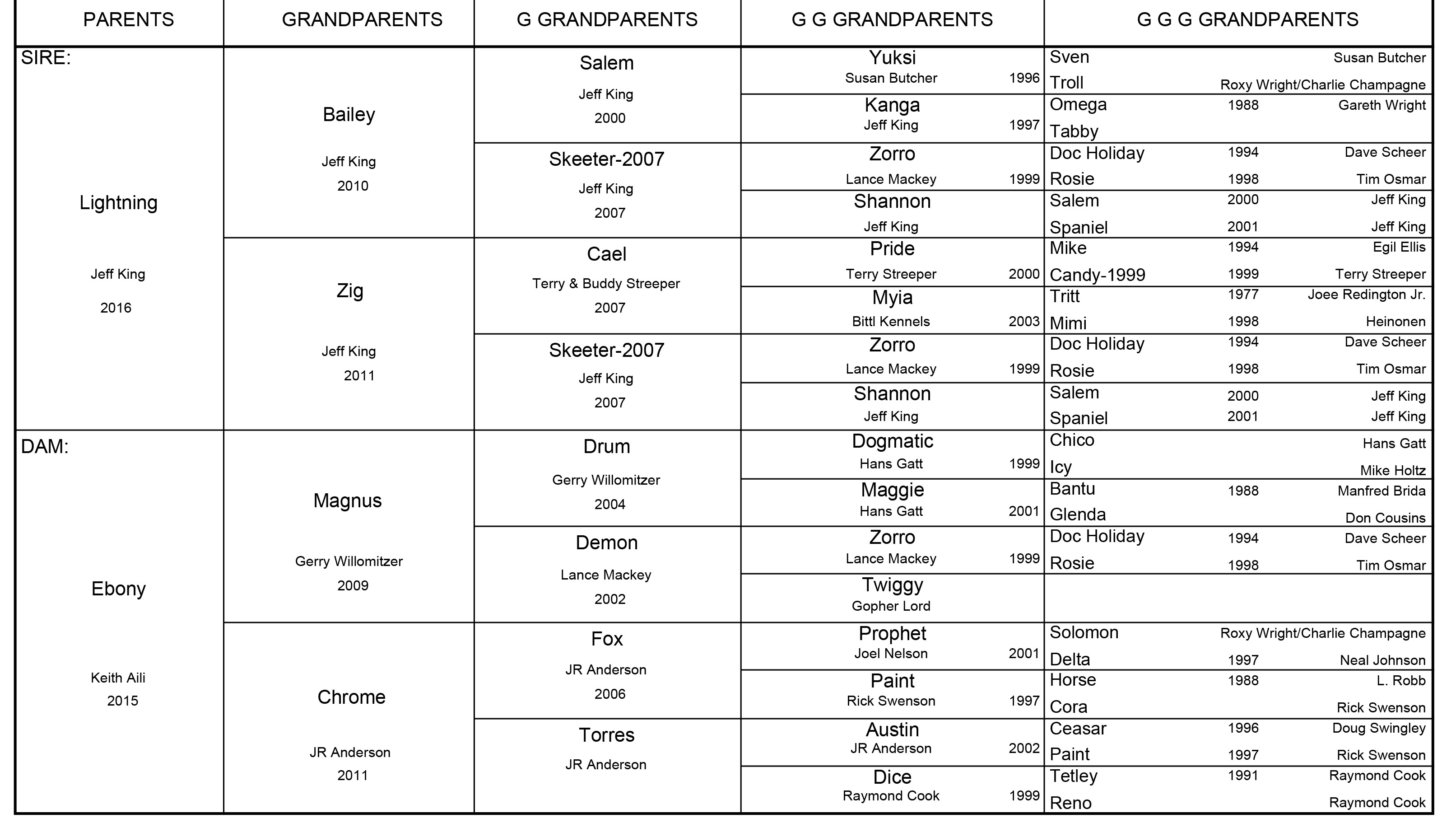
Snotty's pedigree
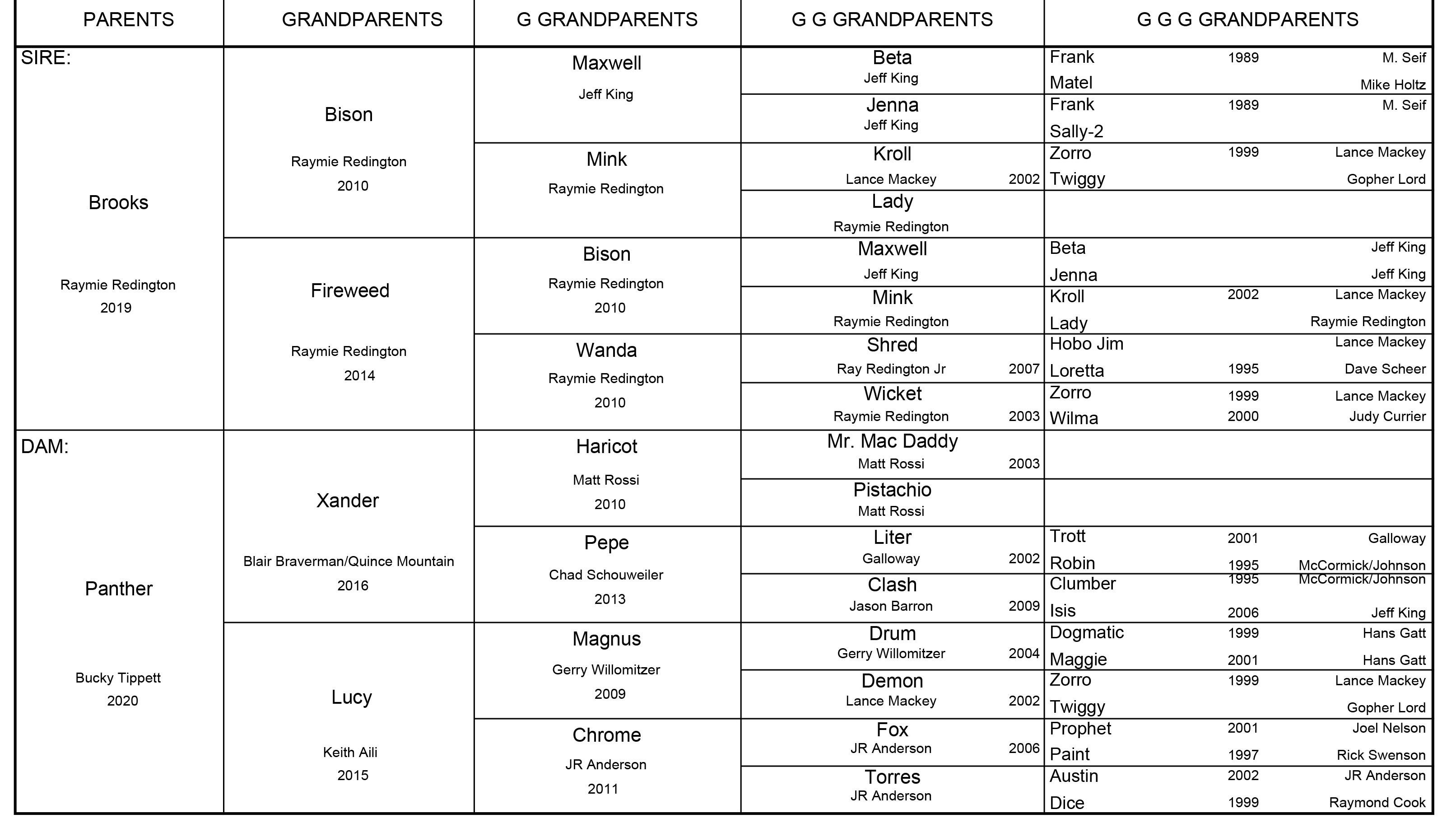
Watkins' and Brûlée's pedigree