- B
- J

Support Ren's Journey: Overcoming hEDS and Returning to UCLA
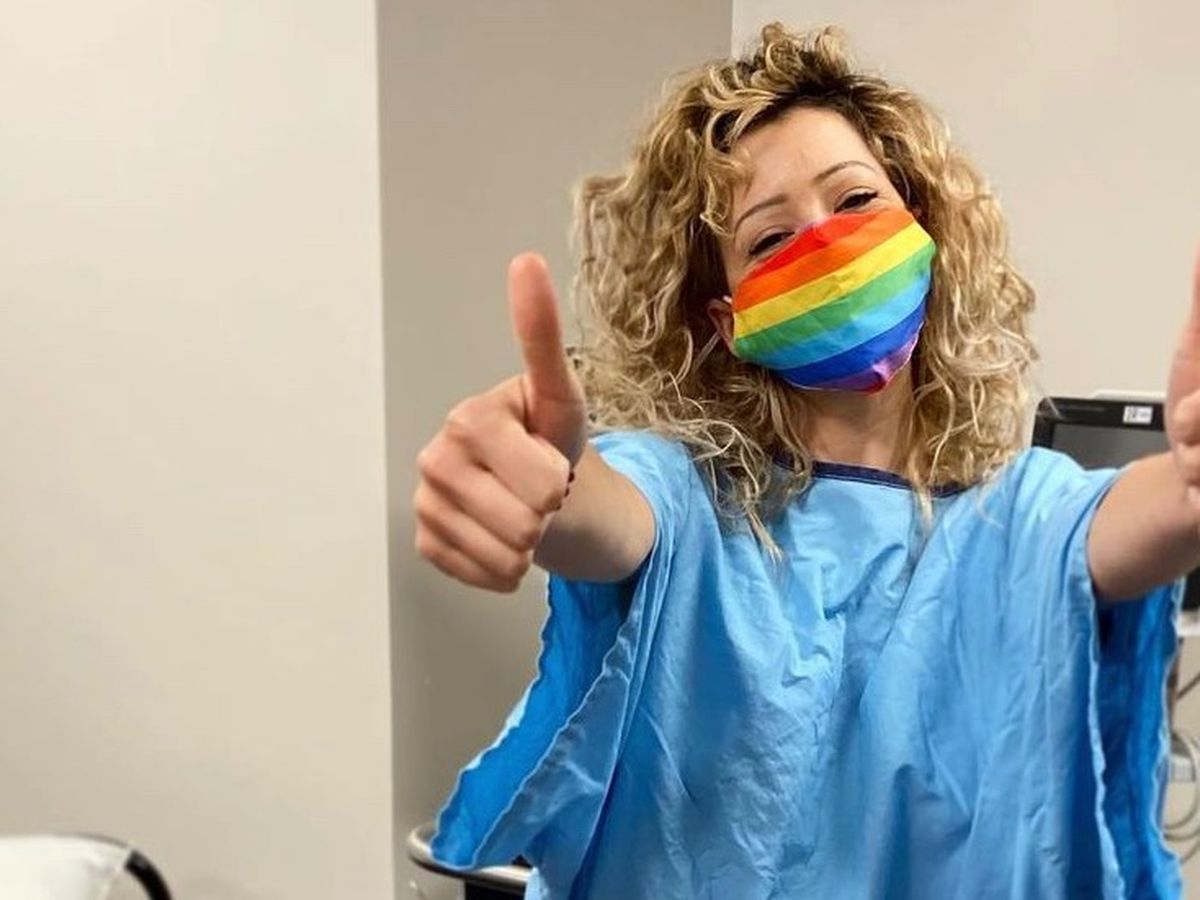
Hello, we are friends of the weird, wild, and wonderful human named Ren, and we are seeking your help on their behalf. There are many contexts in which you may know, or know of, Ren. As a visual storyteller, established poet, portrait photographer, and leader in disadvantaged populations advocacy, Ren has touched the lives of so many people around them. Prior to taking a medical leave of absence, they were teaching in the Institute for Society and Genetics, pursuing their PhD in Molecular Toxicology at UCLA, and the acting President and executive board member of Equity and Inclusion in STEM at UCLA. This organization seeks to foster safe, diverse, community oriented spaces for undergraduate and graduate students at UCLA.
After catching COVID-19, Ren began to have unexplained seizures that left them temporary paralyzed. For a period of time after each seizure, their ability to speak, process language, and move with coordination were all impaired. Ren had to take a medical leave of absence due to these and other severe health concerns, and has been fighting ever since to return to their graduate program. Your generosity will empower Ren to continue making a difference in our communities. Please join us in helping Ren manage and overcome hEDS and return to UCLA by donating to their cause. Every contribution, big or small, will have a lasting impact, empowering Ren to inspire others with their resilience and determination.
-hEDS Diagnosis-
After two years of seeking answers with an enormous team of health practitioners, that diagnosis came. Ren found out they have hypermobile Ehlers-Danlos syndrome (hEDS), a rare, extremely painful, chronic, progressive, genetic disorder that affects connective tissue and leads to life-threatening complications. Ren’s medical team suspects that Ren’s DNA interacted with viral DNA from COVID-19, resulting in sudden and severe onset of hEDS symptoms.
While the Ehlers-Danlos Society is on the cutting edge of research surrounding this rare genetic disorder, little is known about hEDS. At this time, there is no known cause of onset, successful treatment for symptomatic relief, and no cure. Ren lives through extreme pain each day. Part of the diagnostic criteria to be specifically considered for having hEDS is measurable levels of:
- Intense, widespread pain (long-term, does not abate)
- Joint pain in two or more limbs (reoccurring daily, for more than 3 months)
- Muscle pain in two or more limbs (recurring daily, for more than 3 months)
hEDS is also considered to be a specific cause of chronic, debilitating fatigue. Needless to say, this has a significant impact on mental and physical functioning, and quality of life. Somedays, this fatigue is so complete that Ren’s body is too weak to rise from bed and they have to conduct their doctors’ appointments virtually. There’ve been medical events during which Ren is unable to wake up for several days - these are sporadic but still very scary.Many patients eventually diagnosed with hEDS are not taken seriously when their symptoms progress to a point at which medical intervention becomes necessary. While hEDS affects many people worldwide, diagnosing it is often a long, difficult journey. Patients, particularly people assigned female at birth, face dismissive attitudes from medical professionals and lengthy diagnostic delays. Patients have to endure a grueling diagnostic delay averaging 14 years from initially seeking out access to healthcare to accurate diagnosis. 5 years from initial point of seeking healthcare, if you were assigned male at birth.Disbelieving practitioners, insulting reactions to lived experience, and a title wave of patient gaslighting creates a favorable environment for the development of mental health disorders to thrive. If you didn’t need to seek mental healthcare prior to seeing your neurologist or pain management doctor, afterwards, you’ll slot quite comfortably under the diagnostic criteria for generalized anxiety disorder, hypochondria disorder, and major depressive disorder. It’s hard to withstand not being taken seriously by doctors. Even the most well meaning health professionals can easily misdiagnose with patients with fibromyalgia or other long-term (chronic) pain conditions, extending time until accurate diagnosis.
~Dysautonomia~
“Fight or Flight” and “Rest and Digest” function poorly for the majority of hEDS patients. An extensive body of literature clearly indicates frequent problems with involuntary bodily functions (dysautonomia) in hEDS. This causes body functions disregulated to be can lead to fatigue, dizziness, fainting, memory changes, poor concentration, reduced sweat production, changes in gut movement, and bladder dysfunction. Dysautonomia can be a devastating manifestation of hEDS; for some patients, dysautonomia affects their quality of life more profoundly than joint instability, pain, or any other part of the disorder. Ren falls over often, and will randomly crumple to the floor. We help them back to standing on shaky legs while we get closer to a chair.
-hEDS‘s impact on Cardiac Tissue-
Heart and blood vessel conditions occurring in hEDS include heart valve and vessel dysfunction including mitral valve prolapse (MVP) and aortic root dilation. Problems with blood pressure and heart rate can also occur including postural orthostatic tachycardia syndrome (POTS), neurally-mediated hypotension (NMH), and orthostatic intolerance. Those blood pressure changes leave Ren dizzy, off balance, lightheaded to a degree of falling, and sometimes fainting episodes.Determined researchers, including those living with hEDS themselves, are working tirelessly to uncover the genetic causes of hEDS and identify potential biomarkers for more accessible diagnoses. Ren's goal is to return to their academic pursuits and teaching at UCLA in the fall, despite the challenges they face.
Hello, we are friends of the weird, wild, and wonderful human named Ren, and we are seeking your help on their behalf. There are many contexts in which you may know, or know of, Ren. As a visual storyteller, established poet, portrait photographer, and leader in disadvantaged populations advocacy, Ren has touched the lives of so many people around them. Prior to taking a medical leave of absence, they were teaching in the Institute for Society and Genetics, pursuing their PhD in Molecular Toxicology at UCLA, and the acting President and executive board member of Equity and Inclusion in STEM at UCLA. This organization seeks to foster safe, diverse, community oriented spaces for undergraduate and graduate students at UCLA.
After catching COVID-19, Ren began to have unexplained seizures that left them temporary paralyzed. For a period of time after each seizure, their ability to speak, process language, and move with coordination were all impaired. Ren had to take a medical leave of absence due to these and other severe health concerns, and has been fighting ever since to return to their graduate program. Your generosity will empower Ren to continue making a difference in our communities. Please join us in helping Ren manage and overcome hEDS and return to UCLA by donating to their cause. Every contribution, big or small, will have a lasting impact, empowering Ren to inspire others with their resilience and determination.
-hEDS Diagnosis-
After two years of seeking answers with an enormous team of health practitioners, that diagnosis came. Ren found out they have hypermobile Ehlers-Danlos syndrome (hEDS), a rare, extremely painful, chronic, progressive, genetic disorder that affects connective tissue and leads to life-threatening complications. Ren’s medical team suspects that Ren’s DNA interacted with viral DNA from COVID-19, resulting in sudden and severe onset of hEDS symptoms.
While the Ehlers-Danlos Society is on the cutting edge of research surrounding this rare genetic disorder, little is known about hEDS. At this time, there is no known cause of onset, successful treatment for symptomatic relief, and no cure. Ren lives through extreme pain each day. Part of the diagnostic criteria to be specifically considered for having hEDS is measurable levels of:
- Intense, widespread pain (long-term, does not abate)
- Joint pain in two or more limbs (reoccurring daily, for more than 3 months)
- Muscle pain in two or more limbs (recurring daily, for more than 3 months)
hEDS is also considered to be a specific cause of chronic, debilitating fatigue. Needless to say, this has a significant impact on mental and physical functioning, and quality of life. Somedays, this fatigue is so complete that Ren’s body is too weak to rise from bed and they have to conduct their doctors’ appointments virtually. There’ve been medical events during which Ren is unable to wake up for several days - these are sporadic but still very scary.Many patients eventually diagnosed with hEDS are not taken seriously when their symptoms progress to a point at which medical intervention becomes necessary. While hEDS affects many people worldwide, diagnosing it is often a long, difficult journey. Patients, particularly people assigned female at birth, face dismissive attitudes from medical professionals and lengthy diagnostic delays. Patients have to endure a grueling diagnostic delay averaging 14 years from initially seeking out access to healthcare to accurate diagnosis. 5 years from initial point of seeking healthcare, if you were assigned male at birth.Disbelieving practitioners, insulting reactions to lived experience, and a title wave of patient gaslighting creates a favorable environment for the development of mental health disorders to thrive. If you didn’t need to seek mental healthcare prior to seeing your neurologist or pain management doctor, afterwards, you’ll slot quite comfortably under the diagnostic criteria for generalized anxiety disorder, hypochondria disorder, and major depressive disorder. It’s hard to withstand not being taken seriously by doctors. Even the most well meaning health professionals can easily misdiagnose with patients with fibromyalgia or other long-term (chronic) pain conditions, extending time until accurate diagnosis.
~Dysautonomia~
“Fight or Flight” and “Rest and Digest” function poorly for the majority of hEDS patients. An extensive body of literature clearly indicates frequent problems with involuntary bodily functions (dysautonomia) in hEDS. This causes body functions disregulated to be can lead to fatigue, dizziness, fainting, memory changes, poor concentration, reduced sweat production, changes in gut movement, and bladder dysfunction. Dysautonomia can be a devastating manifestation of hEDS; for some patients, dysautonomia affects their quality of life more profoundly than joint instability, pain, or any other part of the disorder. Ren falls over often, and will randomly crumple to the floor. We help them back to standing on shaky legs while we get closer to a chair.
-hEDS‘s impact on Cardiac Tissue-
Heart and blood vessel conditions occurring in hEDS include heart valve and vessel dysfunction including mitral valve prolapse (MVP) and aortic root dilation. Problems with blood pressure and heart rate can also occur including postural orthostatic tachycardia syndrome (POTS), neurally-mediated hypotension (NMH), and orthostatic intolerance. Those blood pressure changes leave Ren dizzy, off balance, lightheaded to a degree of falling, and sometimes fainting episodes.Determined researchers, including those living with hEDS themselves, are working tirelessly to uncover the genetic causes of hEDS and identify potential biomarkers for more accessible diagnoses. Ren's goal is to return to their academic pursuits and teaching at UCLA in the fall, despite the challenges they face.