Hello!
I am a second year Master’s student in the process of working on a newly offered master’s capstone project thesis track route for the Wildland Management Master’s degree.
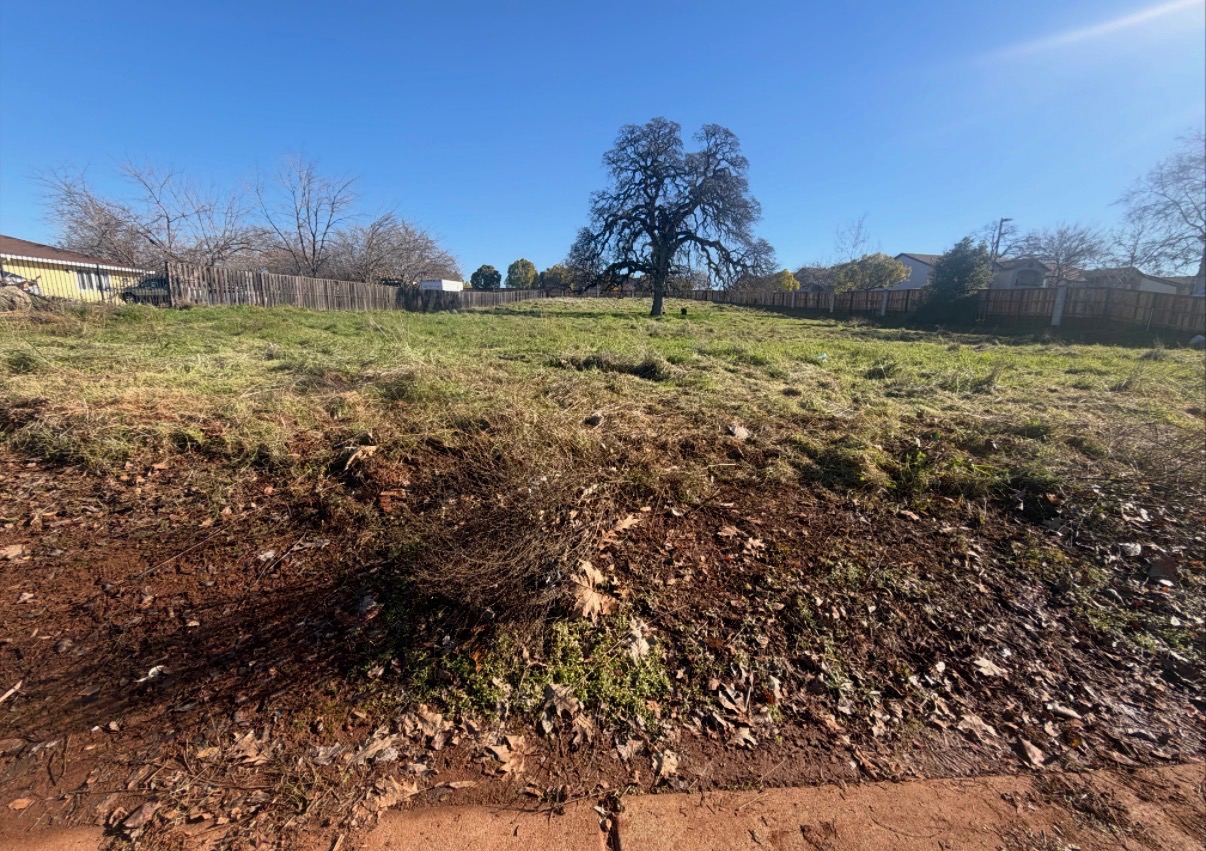
The area I’m working on is a 1.3 acre grassy slope at about 1350ft above sea level overlooking the Bass Lake/Folsom Lake area.
This area used to be the site of especially high historic native plant species diversity but like the rest of California’s grasslands it experienced possibly the fastest rapid non-native plant invasions/take-overs in the world.
changes in plant specifically is extremely native plant species rich—especially in the forb dense meadows that surrounded mature Blue Oak trees that now tend to be surrounded by excessive invasive understory thatch build-up, which likely makes it far more difficult for new Blue Oaks to make it past the seedling stage.
The guy the California Plant Taxonomy book is named after (Wilis Jepson) was submitting herbarium samples from sites he collected in within in this specific area and considered it an area of exceptionally high species compositions and high species endemism. The hillsides John Muir used to describe found in this area is hardly recognizable in the suburban development zones today.
The goal with a project like this is to capture public imagination with a higher amount of intact functional biodiversity in a spot that might have otherwise been overlooked and the amount of facilitative native species a site like this could hypothetically support if looking to a combination of sources and strategies and implementing them on a several year timeline.
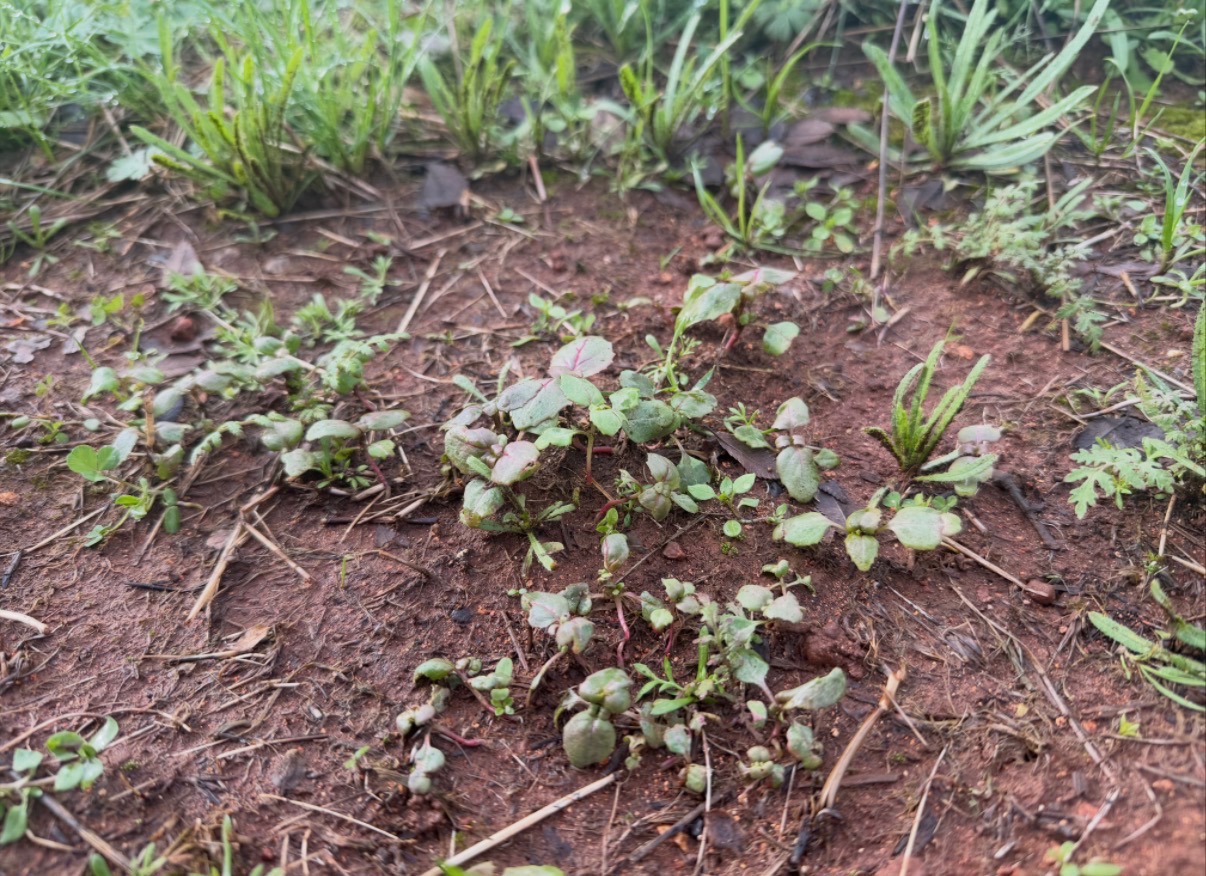
every single weed in the seedbank is a potential competitor and niche a native could potentially fill or there is something on my end that I can do and have prepared the site over the last few years with this mindset on top of utilizing lower cost cover-crops, utilizing syntropic succession with native pioneer plants, and heavy amounts of winter bagging/seed hand-pulling.
I also do targeted mowing, circumstantial Fluazifop treatments, and a bit of mulching.
I have already spent about $600ish-700ish on this in total.
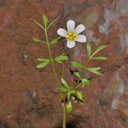
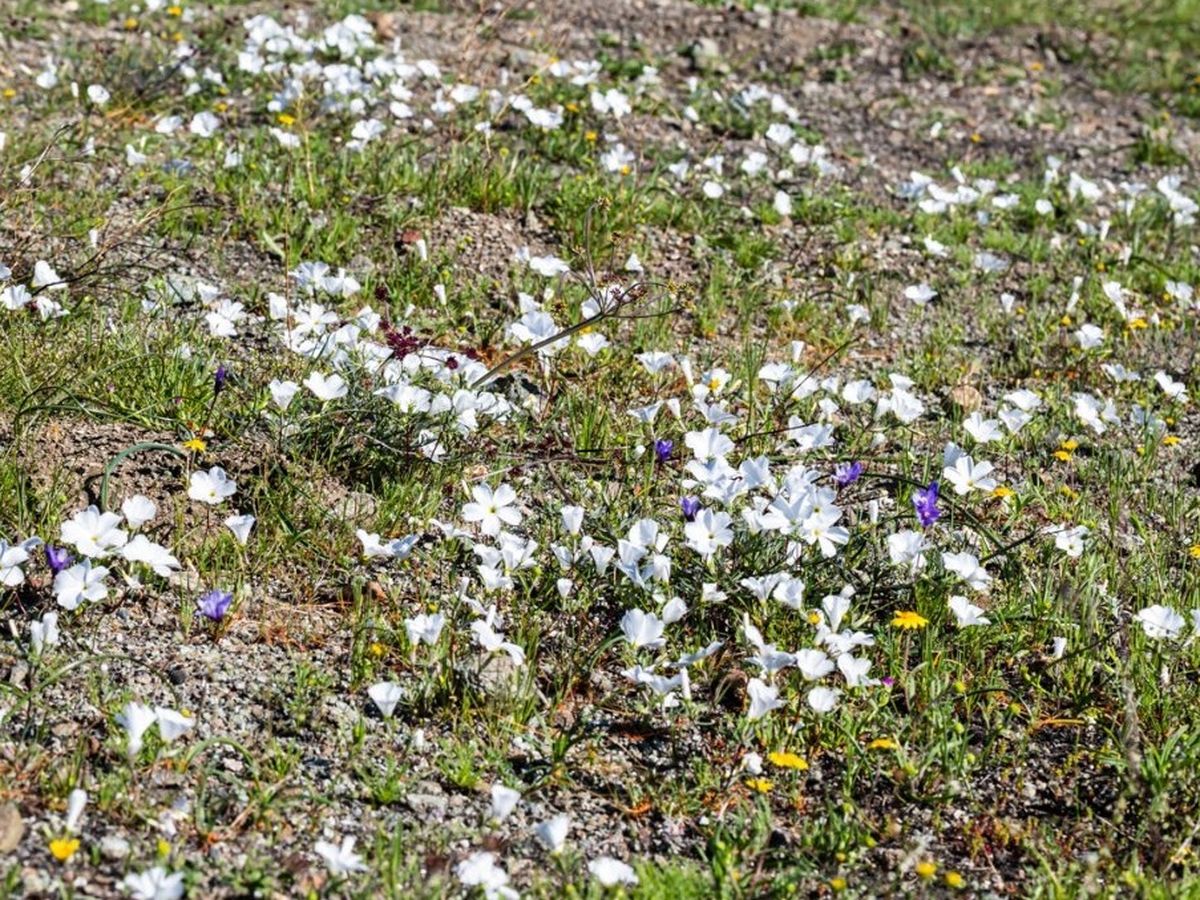
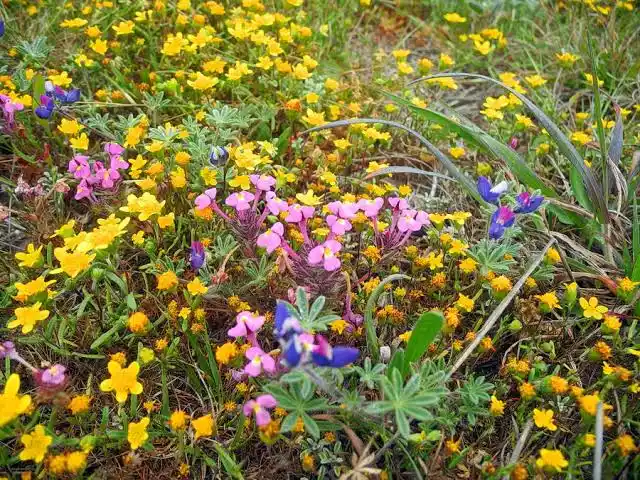
It wasn’t my original plan but I believe with another $200 I can go a step further and restore a functional historic ecotone (a rose Limnanthes/Sierra tidytips vernal swath area) that I am finding two years of evidence so far that the field is lending itself to it.
the end result would not only seem surprising and hopeful for a suburban environment but it would help seal in the gaps for invasive plant species intrusions and fortify the existing project plans/seedbank I have already spent hundreds of dollars on and thousands of hours of exercise downtime on.
any donations would be helping me with getting:
a weed torch for the fall (I have a burn permit/burn background)
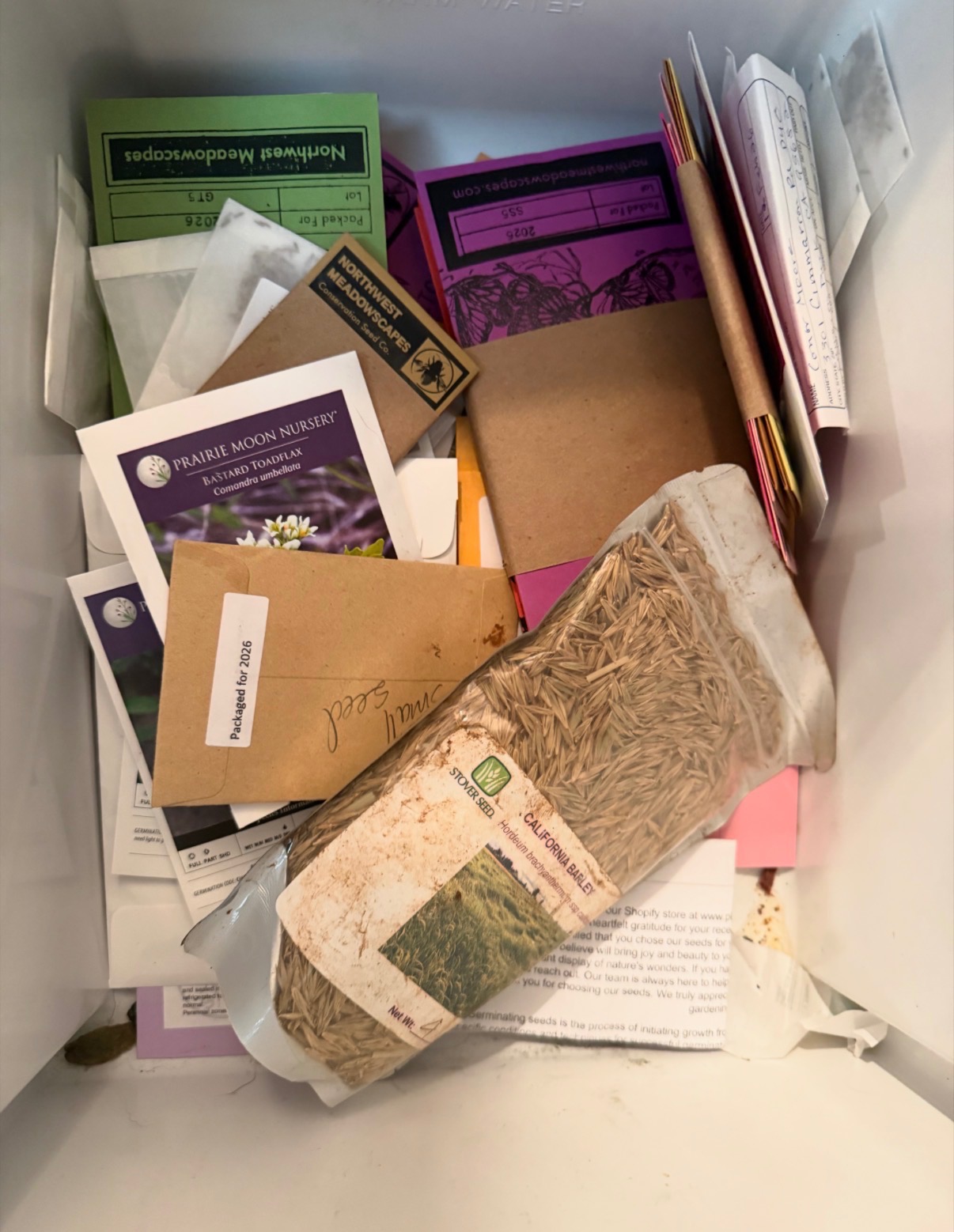
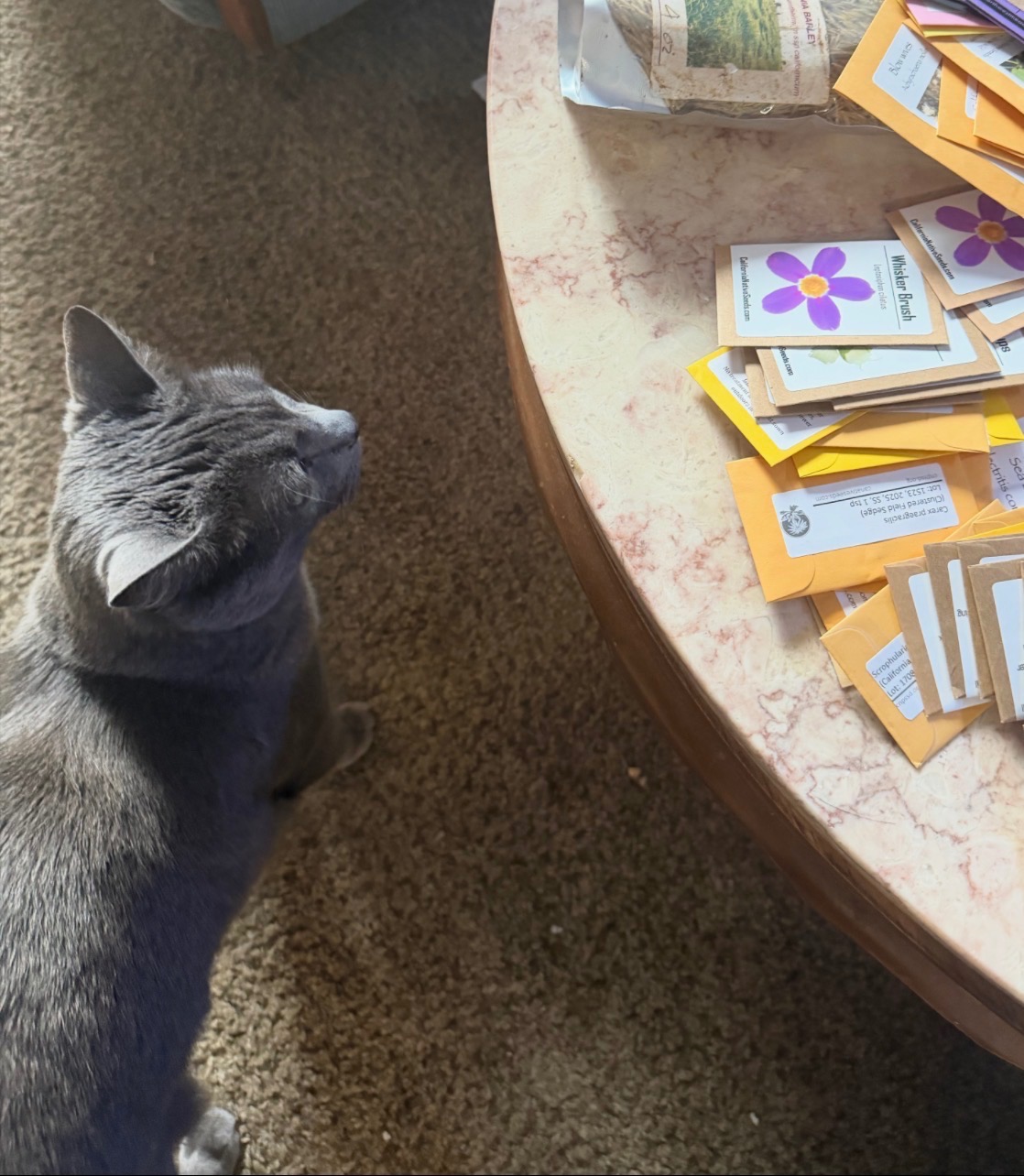
Between SteeleAcres, Seedhunt, and any other sources I can find here are some examples:
Allium peninsulare var. peninsulare
Allium sanbornii var. sanbornii
Allium cratericola
Allium memorandum
Cardamine oligantha
Cardamine Californica
Lessingia leptoclada
Lessingia virgata
Lessingia nana
Thysanocarpus lacinata
Thysanocarpus radians
Castilleja foliolosa
Delphinium palens ssp. hansenii
Grindelia hirsutala
Hypericum concinnum
Heuchera micrantha
Hordeum jubatum
Iris hartwegii
Juncus nevadensis ssp. pauciflora
Silene lacinata. ssp. lacinata
Layia sierrae ssp. albida
Layia chrysanthemumoides
Layia fremontii
Limnanthes douglasii ssp. rosea
Limnanthes douglasii ssp. nivea
Agrostis elliottiana
Agrostis microphylla
Leptosiphon ciliatus
Navarettia Filipes
Navarettia intertexta
Navarettia leucocephala
Navarettia pubescens
Navarettia viscidula
Ozmoryhiza (California native species)
Pycanthemum californicum
Acmispon wrangelianus
Acmispon parviflorus
Carex barbarae
Carex brainerdii
Eriogonum elongatum
Lathyrus sulphureus
Lepidium strictum
Lepidium nitidium
Leerzia oryzoides
Calochortus superbus
Calochortus luteus
Sedella pumila
Nemophila heterophylla
Nemophila maculata
Lepidium virginicum
Panicum capillare
Stachys albens
Solanum xanti
Antirrhinum vexillocalyculatum
Antirrhinum leptaleum
Angelica californica
Cyperus Niger
Centromadia fitchii
Odontostomum hartwegii
Iris hartwegii
Asarum hartwegii
Cynoglossum grande
Stellaria nitens
Geranium carolinianum
Galium bolanderi
Galium porrigens
Gallium triflorum
Micranthes californica
Micranthes fallax
Micranthes integrifolia
Mentha arvensis
Marah fabacea
Polygala cornuta var. cornuta
Clematis lasiantha
Clematis ligusticfolia
Euthamia occidentalis
Erigeron foliosus var. hartwegii
Fragaria vesca
Fritillaria micrantha
Gilia achilleifolia
Lonicera hispidula
Lonicera interrupta
Lupinus stiversii
Nemophila parviflora
Festuca octoflora
Plagiobothrys fulvus, glyptocarpus, greenei, scriptus, stipitatus, austiniae, canescens, or tenellus
When I get to it I will also try to at least replace the two small exotic trees/shrubs along the fence line replaced with natives.
Again, the goal is showcasing an example of functional meadow diversity meaning it’a also also less likely to create high temperature fires, keep invasives out on their own or with minimal interference, showcase local ecology, need less mowing, etc.
Organizer