

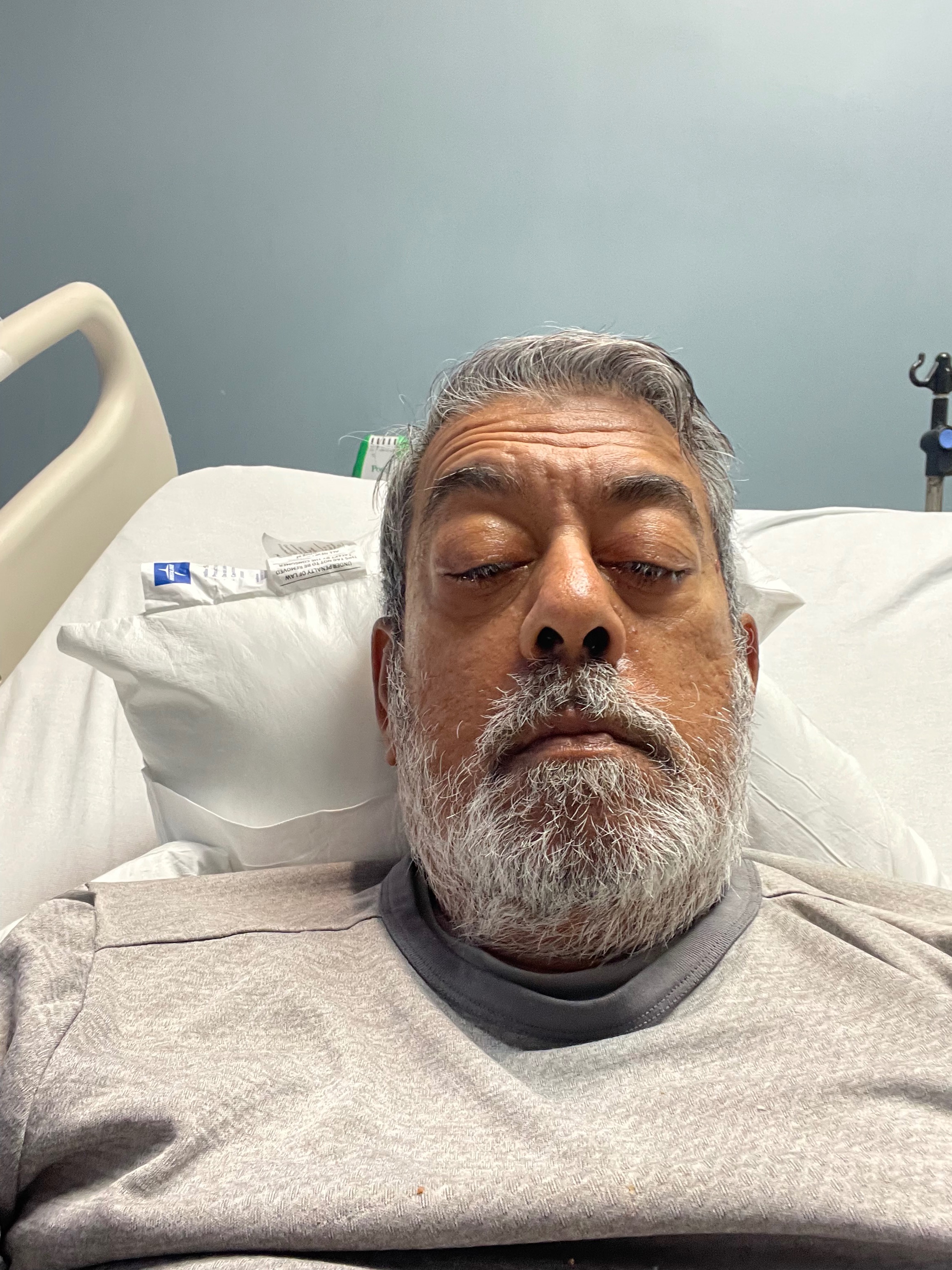
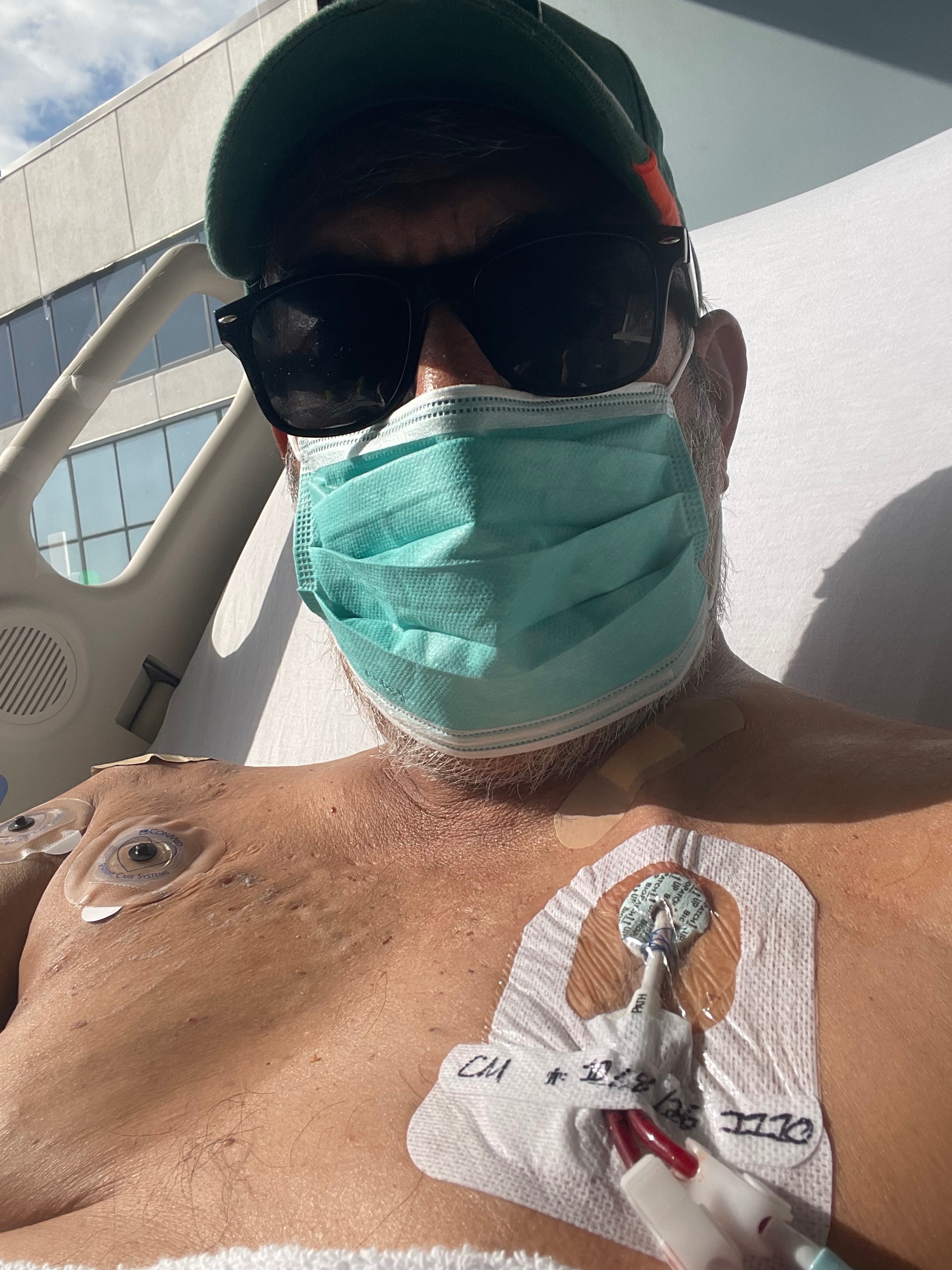

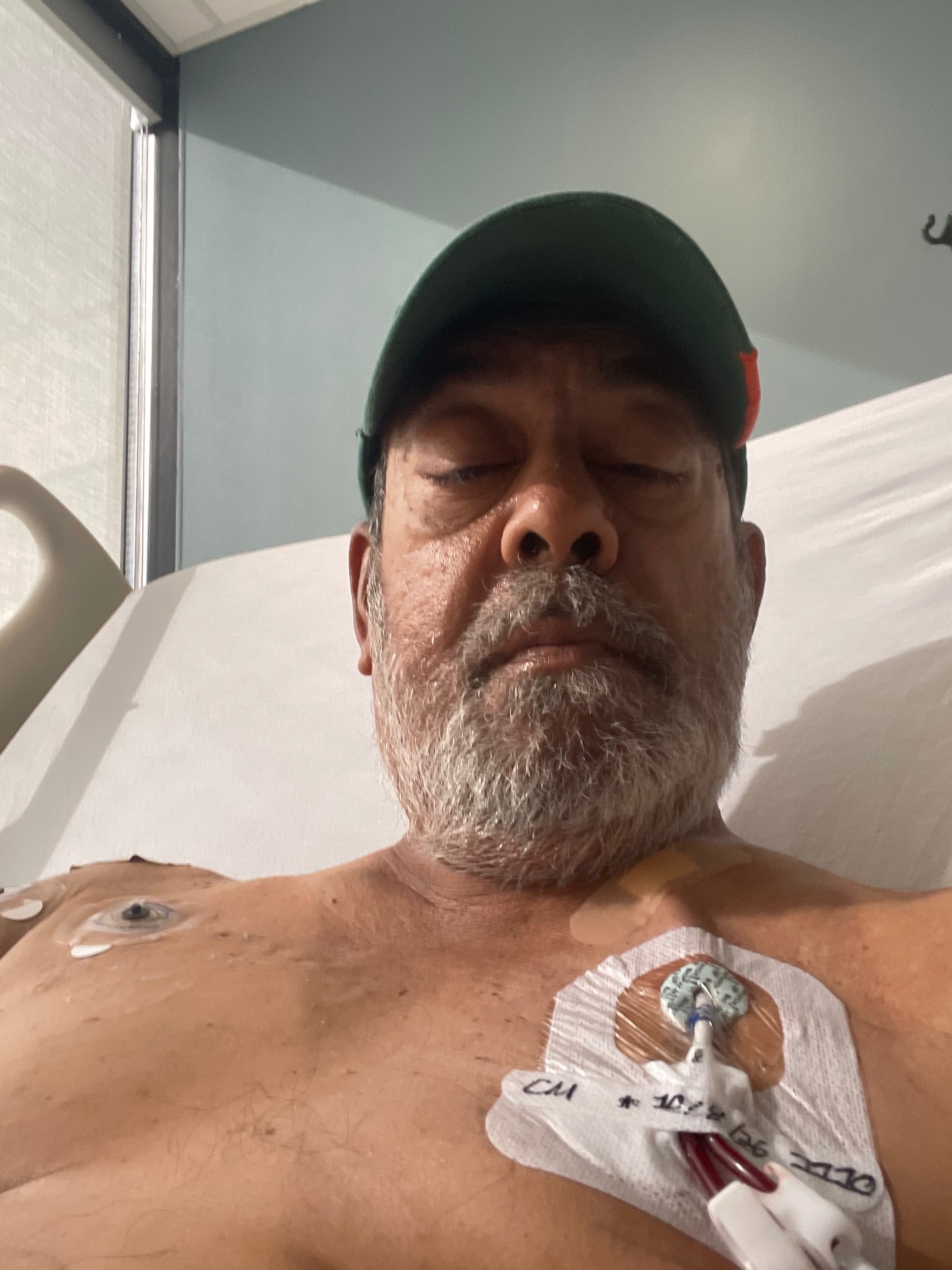
Transplant the kidney from June 20 21 failed I have been in the hospital for four weeks. Had three operations to put a port in to go back on dialysis. I am being discharged today October 21 and I have to go back on dialysis three times a week and hopefully get back on the transplant list. I’ll keep you posted. Thank you
AJ) Finding Focus in the Fire. I am IJAZ and I write about the real-world grit it takes to pursue recovery and purpose
The Foundation of a Daily Routine
Creating a daily routine that incorporates both motivational activities and mental health practices is essential for establishing a balanced lifestyle. A well-structured routine provides a sense of stability and predictability, which can be particularly beneficial for mental health. It allows individuals to allocate time for self-care, goal-setting, and reflection, ensuring that both motivation and mental health are prioritized.
# Morning Rituals: Setting the Tone for the Day
The morning is a critical time for setting the tone of the day. Starting the day with intentional practices can significantly impact motivation levels and mental well-being. Consider incorporating the following elements into your morning routine:
1. **Mindfulness Meditation**: Begin your day with a few minutes of mindfulness meditation. This practice helps center your thoughts, reduces anxiety, and enhances emotional regulation. Focus on your breath, allowing yourself to be present in the moment. This simple act can create a sense of calm that carries through the day.
2. **Goal Visualization**: After meditation, take a moment to visualize your goals. Picture yourself achieving them, and feel the emotions associated with that success. This visualization technique can enhance intrinsic motivation by reinforcing your desire to pursue these goals.
3. **Affirmations**: Use positive affirmations to boost your self-esteem and motivation. Statements like "I am capable of achieving my goals" or "I am worthy of happiness" can help reframe negative thoughts and instill a sense of purpose.
4. **Physical Activity**: Engage in some form of physical activity, whether it’s a brisk walk, yoga, or a workout. Exercise has been shown to release endorphins, which improve mood and reduce anxiety. It also serves as a powerful motivator, as the physical benefits can enhance your overall sense of well-being.
### Midday Check-Ins: Assessing Progress and Adjusting Goals
As the day progresses, it’s essential to take time for self-reflection and assessment. Midday check-ins can help you evaluate your motivation levels and mental health status. Consider the following practices:
1. **Journaling**: Spend a few minutes journaling about your thoughts and feelings. Reflect on what you have accomplished so far and any challenges you may be facing. Writing can be a therapeutic outlet, allowing you to process emotions and gain clarity.
2. **Goal Review**: Revisit your goals and assess your progress. Are they still aligned with your personal values? If not, consider adjusting them to ensure they resonate with your intrinsic motivation. This alignment is crucial for maintaining enthusiasm and commitment.
3. **Mindfulness Breaks**: Take short breaks throughout the day to practice mindfulness. Step away from your tasks, close your eyes, and focus on your breath for a few moments. This practice can help reduce stress and re-energize your motivation.
### Evening Reflections: Celebrating Achievements and Planning Ahead
As the day comes to a close, it’s important to reflect on your experiences and celebrate your achievements, no matter how small. Evening reflections can reinforce motivation and contribute to positive mental health.
1. **Gratitude Practice**: Before bed, write down three things you are grateful for that day. This practice shifts your focus from what went wrong to what went right, fostering a positive mindset.
2. **Celebrate Small Victories**: Acknowledge your accomplishments, whether it’s completing a task, sticking to your routine, or simply taking care of yourself. Celebrating small victories builds momentum and reinforces your motivation to continue pursuing your goals.
3. **Plan for Tomorrow**: Take a few moments to outline your goals for the next day. Having a clear plan can reduce anxiety and provide a sense of direction, making it easier to wake up motivated and ready to tackle the day.
For me, that "everything" includes managing the severe fluctuations of Bipolar Disorder while simultaneously navigating the non-negotiable demands of kidney failure and life on dialysis. I know firsthand the physical exhaustion, the mental fog, and the intense battle for daily motivation that chronic illness brings.
In the journey of personal development, the interplay between motivation and mental health is not merely a theoretical concept; it is a lived experience that shapes our daily lives. As we delve deeper into this chapter, we will explore how to integrate motivational activities with mental health practices, creating a holistic approach that fosters well-being and resilience. By developing a daily routine that harmonizes these elements, we can enhance our intrinsic motivation, align our goals with our personal values, and regularly assess our mental health and motivation levels.
## The Foundation of a Daily Routine
Creating a daily routine that incorporates both motivational activities and mental health practices is essential for establishing a balanced lifestyle. A well-structured routine provides a sense of stability and predictability, which can be particularly beneficial for mental health. It allows individuals to allocate time for self-care, goal-setting, and reflection, ensuring that both motivation and mental health are prioritized.
Common Self-Help Strategies
• Practicing emotional self-care through journaling, meditation, and reflection.
• Building emotional intelligence to better understand and manage feelings.
• Engaging in regular physical activity, maintaining a healthy diet, and developing stress management techniques.
• Seeking supportive social connections and volunteering to foster belonging and meaning.
• Using visualization and relaxation exercises for stress relief.
The journey through chronic illness is often described as a marathon, but when you are navigating the complex, often chaotic intersection of dialysis and mental health challenges, it can feel more like running that race on broken ground. The weight of physical sickness—the appointments, the dietary restrictions, the profound fatigue—is heavy enough. But the silent, psychological burden—the anxiety, the grief, the emotional isolation—can be the heaviest weight of all. I know this experience firsthand, not just as the author of this book, but as someone who is currently walking this path alongside you. This perspective is why this guide exists: to offer the insight, honesty, and practical tools I wish I had received the moment I started my own journey Good morning esteemed colleagues and attendees. My name is I JAZ and I am here today to share my personal journey with bipolar disorder. This presentation aims to provide insights into the lived experience of this condition, enhance understanding, and foster empathy among healthcare professionals, caregivers, and the community at large.
1. Understanding Bipolar Disorder
- Definition and types of bipolar disorder
- Prevalence and demographics
- Common symptoms and their impact on daily life
2. Personal Journey
- Initial experiences and symptoms
- Diagnosis process and challenges faced
- Treatment journey: successes and setbacks
3. Living with Bipolar Disorder
- Daily management strategies
- The role of medication and therapy
- Importance of support systems
4. Stigma and Misconceptions
- Common myths about bipolar disorder
- Personal experiences with stigma
- The impact of stigma on treatment and recovery
The Physical and Emotional Landscape of Dialysis: A Patient's Experience
Dialysis, particularly hemodialysis (HD), is a life-sustaining treatment that replaces the function of failing kidneys. While patients are seated or reclining for several hours, they experience a complex interplay of physical sensations, necessary stillness, opportunities for movement, and a profound emotional and psychological journey.
Common Self-Help Strategies
• Practicing emotional self-care through journaling, meditation, and reflection.
• Building emotional intelligence to better understand and manage feelings.
• Engaging in regular physical activity, maintaining a healthy diet, and developing stress management techniques.
• Seeking supportive social connections and volunteering to foster belonging and meaning.
• Using visualization and relaxation exercises for stress relief.
"We often treat motivation and mental health as two separate things that happen sequentially: you get mentally healthy, and then the motivation appears. But this is the Reciprocal Trap. Motivation and mental health are not separate; they are locked in a continuous, two-way feedback loop."
Think of it this way: When our mental health dips, say due to stress or depression, our energy and focus disappear. This is the phenomenon of Amotivation—the complete loss of the will to act. When we stop acting, we stop experiencing success, mastery, and connection. This inactivity feeds right back into the depression, making us feel worse, and in turn, even less motivated. It’s a vicious cycle."