Rare condition bechet’s syndrome
0% complete
£420 raised of
2 donations
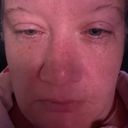
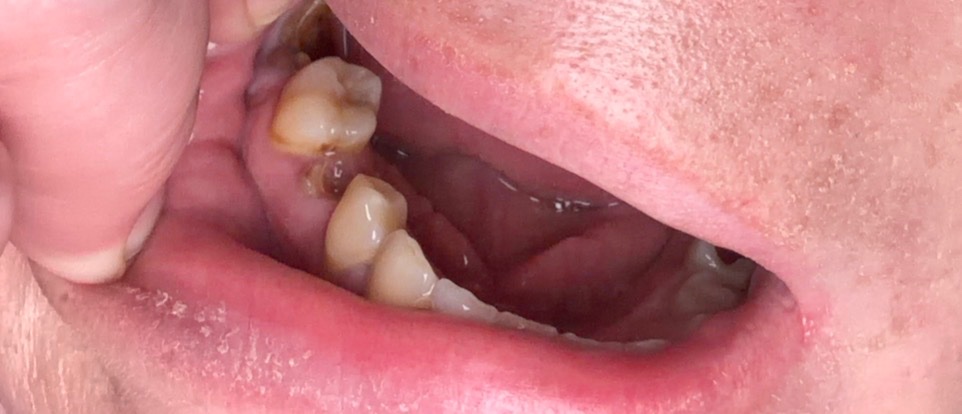
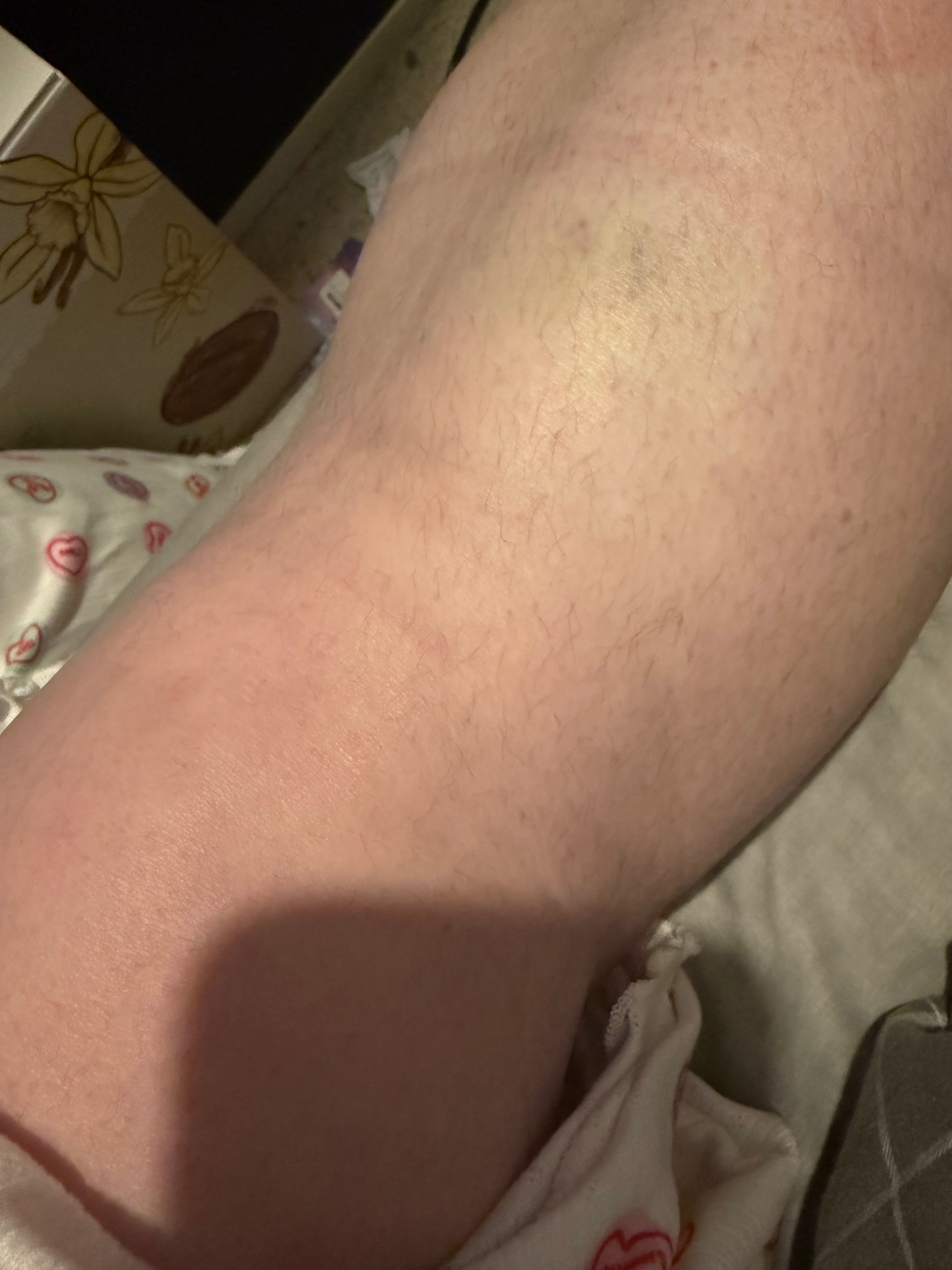
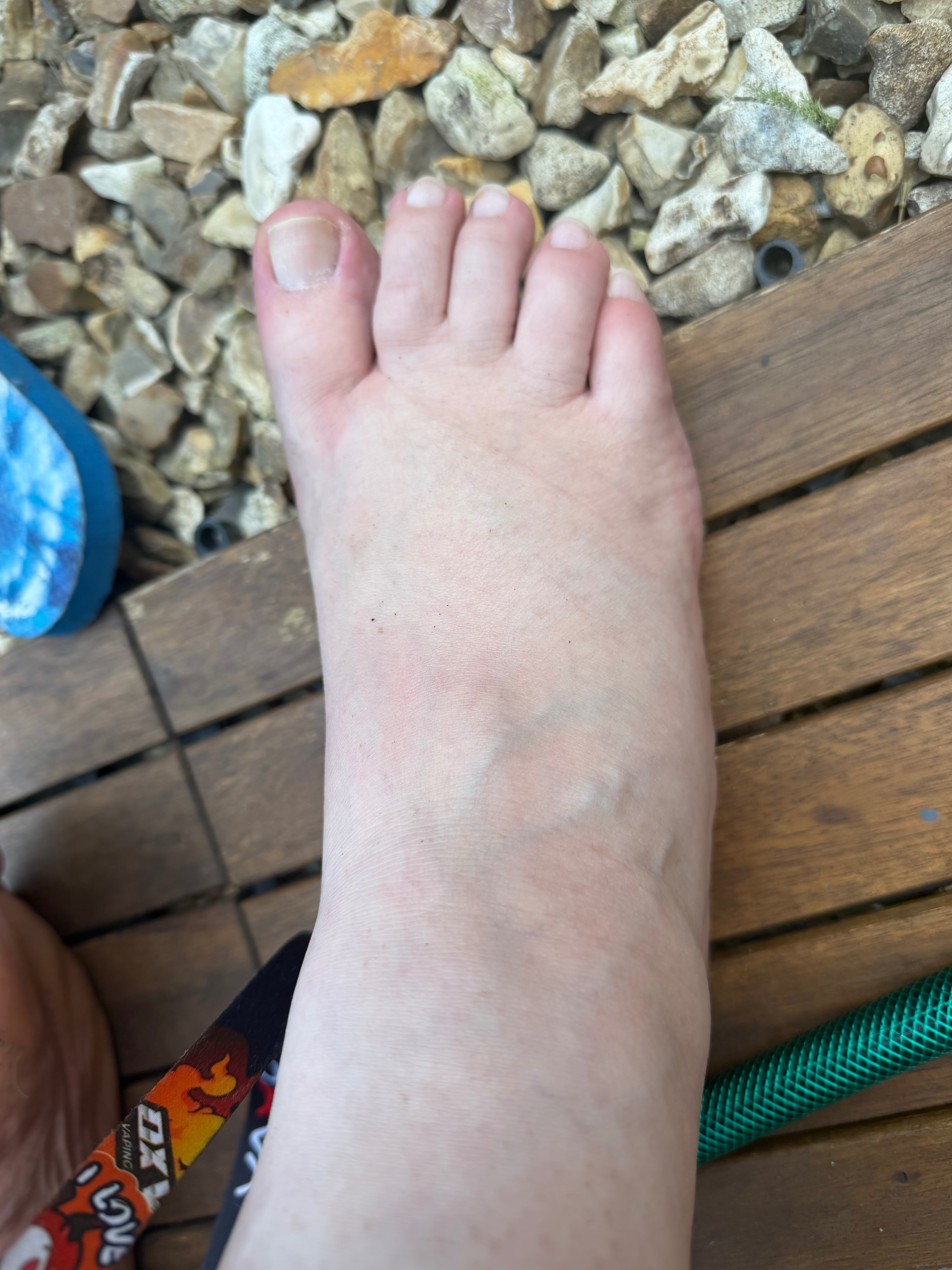
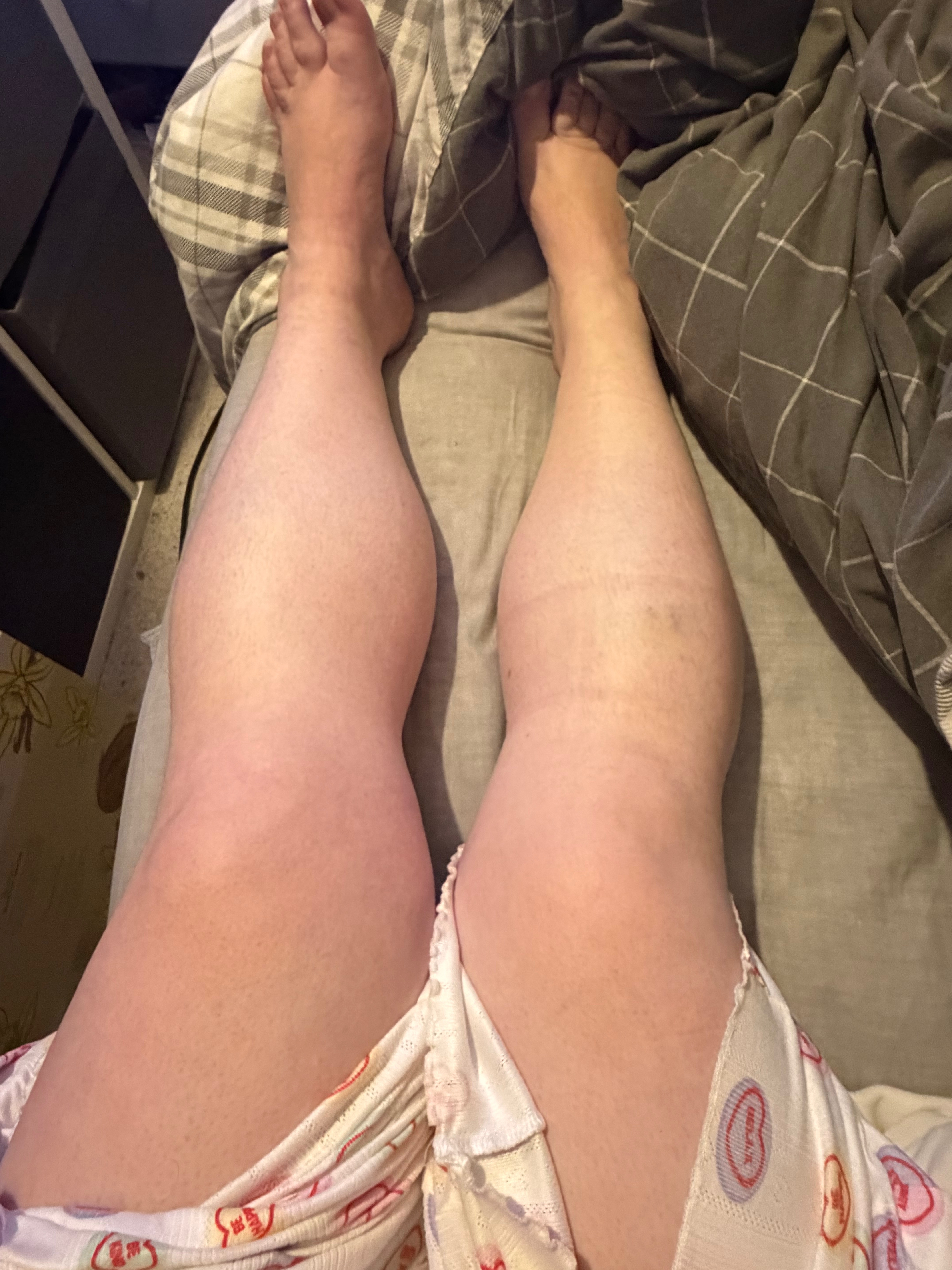
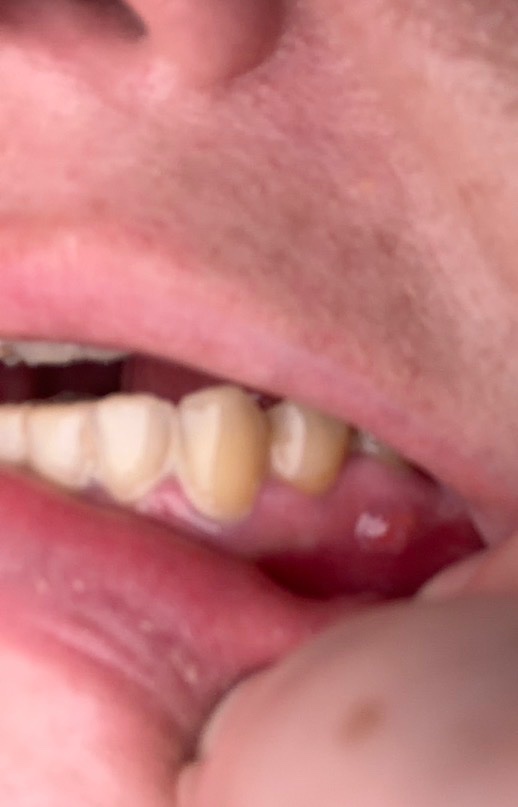
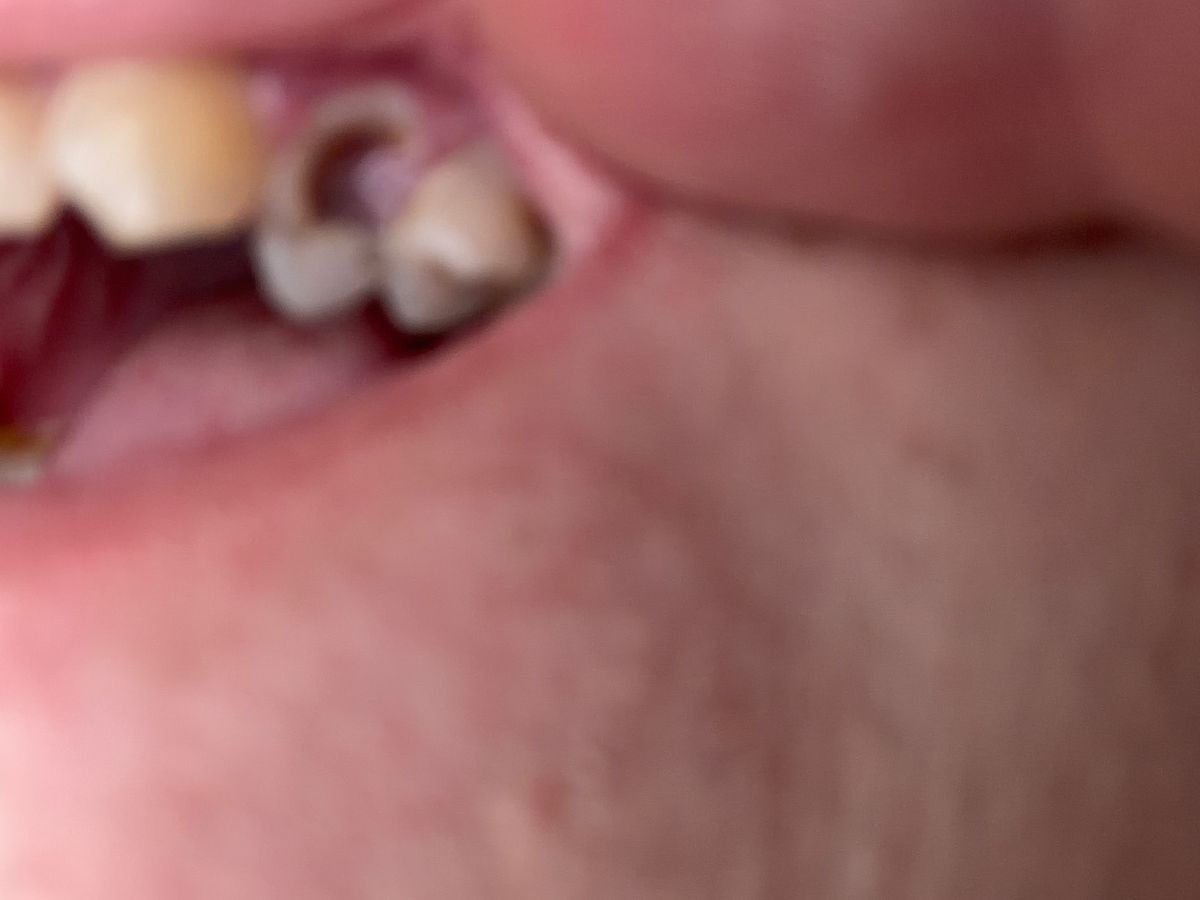
Hi, my name is Elisha I need help to raise funds to get urgent medical treatment. Due to my rare condition bechet’s syndrome as I’m struggling to walk with swollen feet due to high blood pressure and water retention.Also it’s effecting my teeth due to not seeing a dentist for 18 years as there is no NHS dentists. which having my rare condition isn’t helping as I need regular appointments every three months to see a hygienist. A bit more information about my rare condition bechet’s syndrome:
Behçet’s syndrome (or Behçet’s disease) is a rare, chronic disorder causing systemic inflammation of the blood vessels (vasculitis) and tissues. There is no cure, but symptoms can be managed. The exact cause is unknown, but it is believed to be an autoimmune condition triggered by a combination of genetic and environmental factors.Common SymptomsThe condition affects multiple parts of the body, with symptoms often coming and going (remissions and flare-ups):Mouth Ulcers: The most common symptom; they are painful and resemble canker sores.Genital Sores: Painful, open sores that typically appear on the genitals and can leave scars.Skin Lesions: Can include acne-like breakouts, red nodules (erythema nodosum), and skin sensitivity.Eye Inflammation: Swelling in the eye (uveitis or retinitis) that can cause redness, pain, and blurred vision.Joint Pain: Swollen, stiff, and painful joints (especially in the knees, ankles, and wrists).Severe Complications: In some cases, it can cause blood clots, aneurysms, and inflammation in the digestive tract or central nervous system.DiagnosisDiagnosing Behçet’s is primarily clinical, meaning doctors rely on a combination of medical history, physical examinations, and symptom tracking. There is no single blood or laboratory test that can confirm the diagnosis. Healthcare professionals generally follow diagnostic guidelines that require the presence of recurrent mouth ulcers combined with at least two other characteristic symptoms (e.g., genital ulcers, eye inflammation, skin lesions, or a positive pathergy test).TreatmentTreatment is highly personalized based on which parts of the body are affected and the severity of the inflammation:Topical Treatments: Steroid creams, gels, and mouthwashes for treating local ulcers.Systemic Medications: Corticosteroids to control acute flares, combined with immunosuppressants (like azathioprine or colchicine) to prevent future relapses.Specialist Care: Management often requires a multidisciplinary approach involving rheumatologists, dermatologists, and ophthalmologists. The funds will be used to treat my medical condition to make me improve my health and wellbeing as I’m struggling on a daily basis and I’m extremely exhausted every day from suffering from constant chronic pain all over from head to toe. I would be very great full for some help. It would be great to be able to ease my pain to do daily tasks and be able to eat properly again. I miss being pain free. If there’s anyone out there that could help it would be much appreciated and I thank you so much in advance.
The money raised from this fund raiser will go to helping me get teeth removed to stop getting abscess’s on a weekly basis which will help reduce the amount of infection in body. Which will take the pressure off my immune system causing my bechet’s syndrome not to worsen. Also I will use the money to buy my self aids so I can get around and be more mobile. Which will help me have a better quality of living with all your help and support.
Behçet's disease is an extremely rare condition in the UK and Western Europe, but much more common in the Middle East and Asia. Prevalence heavily depends on geography and ancestry, often following the ancient "Silk Road" trading routes.
Behçet’s Syndrome (also known as Behçet’s Disease or, simply, Behçet’s) is a chronic condition resulting from disturbances in the body’s immune system.
The immune system
The body’s immune system normally protects the body against infections by producing controlled inflammation. In Behçet’s, it becomes overactive and results in unpredictable outbreaks of unwanted and exaggerated inflammation.
This extra inflammation particularly affects blood vessels of all sizes, including arteries and veins. As a result, symptoms occur wherever there is a patch of inflammation; this can be anywhere where there is a blood supply – from the brain down to the feet.
Symptoms
Most of the symptoms are painful but not life-threatening. However, when the disease affects major parts of the body, such as the eyes or brain, it can cause serious consequences including blindness or strokes – but this is fortunately rare.
Behçet’s symptoms typically come and go in a series of attacks (flare-ups) throughout life. The disease can often, but not always, become less severe with increasing age, where flare-ups become less aggressive and happen less frequently.
Most people with Behçet’s have a normal lifespan and, with appropriate medical help, can hope to lead close-to-normal daily lives.
Treatment
Although Behçet’s is incurable at present, incurable does not mean untreatable. There are several ways in which the immune system can be suppressed to an appropriate level to reduce the extra inflammation, and this suppresses the symptoms.
It is very important to have good dental hygiene, as active disease can have a bad impact on this, and poor dental hygiene can in turn result in aggravation in mouth ulcers. Some people find that paying attention to their diet can reduce their symptoms, but others don’t. Whilst there is insufficient research into this, it is good to have a sensible balanced diet.
What causes Behçet’s?
As yet, it is not known what triggers this disease and no one knows why the immune system starts to behave this way in Behçet’s.
It is not because of any known infections, it is not necessarily hereditary, but can sometimes run in families, and it is not thought to be related to lifestyle, age, or where someone has lived, or where they have been on holiday.
It is not associated with cancer, but is found more frequently in people with certain tissue-type molecules and genes, also the potential link with this is not understood. It does not follow the usual pattern for autoimmune diseases and is better considered, for now, as a disease of inflamed blood vessels (vasculitis) – a vasculitic disease.
How rare is Behçet’s?
We don’t know exactly how many people in the UK have Behçet’s. As of September 2020, the NHS Behçet’s Centres of Excellence (CoE) have 2,208 registered patients, of which approximately 1000 are considered ‘active’. As not all Behçet’s UK members visit a CoE, especially those from the devolved nations, we estimate that there are about 2,500 Behcet’s patients in the UK.
Behçet’s is much more common in the Middle East and Asia. Because it is more prevalent in the areas surrounding the old silk trading routes, it is sometimes known as the ‘Silk Route’ disease.
Organizer