- S
- K
- A
Raise money for Organ Transplantation Machines
0% complete
$3,031 raised of $20K
23 donations
My name is Naman Shah, and I am 17 years old. I have seen my brother my entire life endure health issues, such as a heart transplant, and he due to it requiring a kidney. He was put on an organ donation list and patiently waited for five years until we could wait no more. My brother would die if he did not receive a kidney now. After much turmoil, luckily, my mother proved to be a match and donated her kidney to my brother. Most people are not that lucky to find a donor or a match. This is why I am reaching out to you to spread awareness on organ and tissue donation/transplantation.
What is the purpose of this goFundMe?
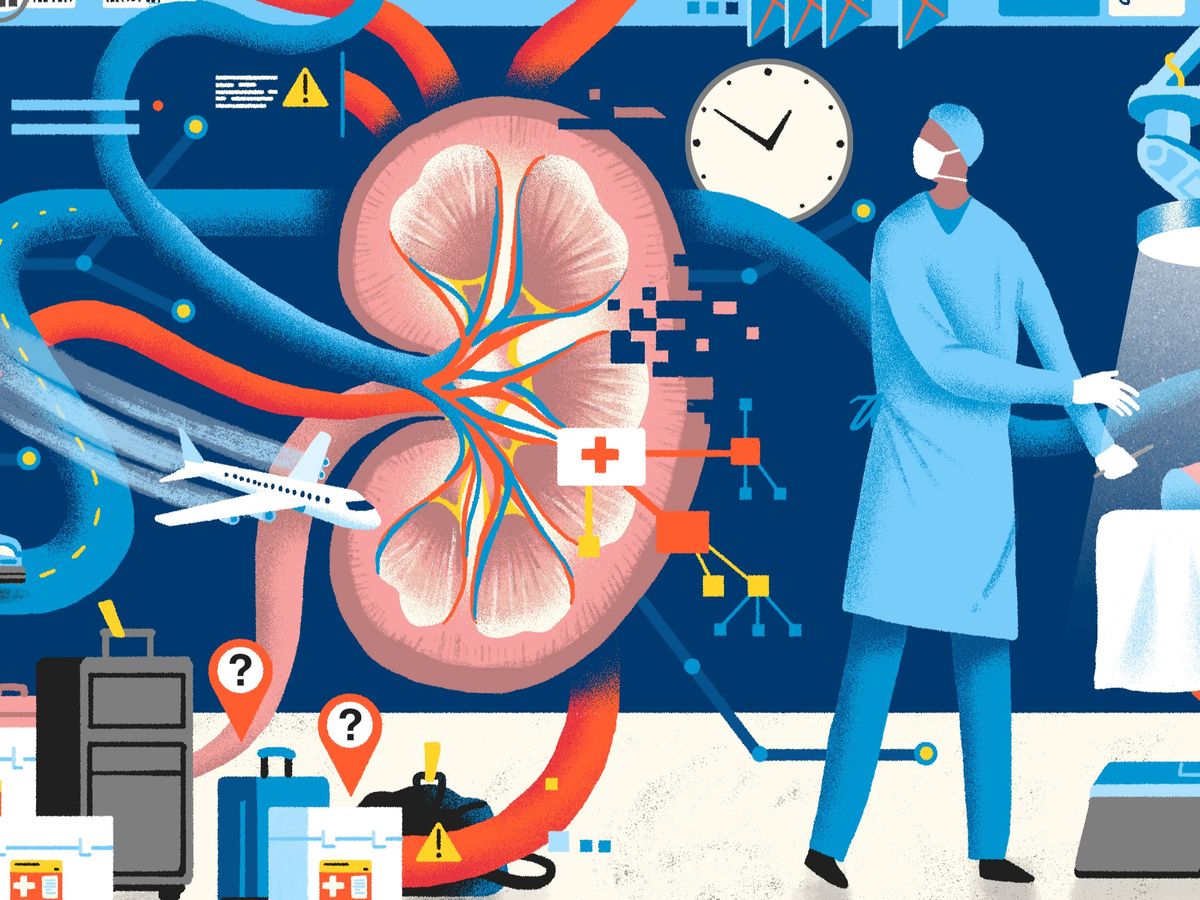
The purpose of this GoFundMe is to raise money for medical machines like Transmedics devices that allow the transportation of organs.
Why is it important?
Organ donation and transplantation are vital for saving countless lives. Elian Silverman claims in her Ted Talk, “In a typical year, roughly 100,000 people in the United States are anxiously waiting on the list for a kidney transplant, and only about 17,000 of them end up getting donor organs — 11,000 from deceased donors and 6,000 from living donors.” What happens to the other 83,000? They wait … and wait … and wait while going in for uncomfortable, lengthy, frequent dialysis treatments for an estimated three to five years before receiving an organ.”
Many lives can still be saved if we expand organ donors in the US, improve technology, and increase funding.
Difference between live and deceased organ and tissue organ donation
A person can be both an alive and/or after-life organ and a tissue organ donor. While a living donor, you can only donate some organs and parts of organs like a single kidney, segments of the liver, a lung lobe, or a portion of the pancreas. Whereas, in a deceased person, all body organs and tissues that are still healthy could be used on others. Another difference is the registration process. As a live donor, you can register easily through websites and hospitals. The process is simple and efficient: contacting employees, testing, and waiting for the procedure date. After death, if you put information on your driver's license or have contacted organizations and hospitals that conduct tissue and organ transplantation, your organs and tissues will be assessed and possibly used.
Benefits of organ donation
1. Helps relieve the grieving process:
Many families have members that need organ or tissue replacements in their bodies. By donating, one person can save up to 50 lives. This helps alleviate the patient and their loved ones' mental anguish, enabling them to lead a normal and healthy life.
2. Improves patient's quality of life
Organ donation can decrease the patient's expense on treatments and increase their drive and motivation to live their life with choices and opportunities they once could not have. Everyone deserves to live their life to the fullest. These people do not warrant a failing organ(s) and should not be entitled to shortened lives.
3. No cost to you
It is free to become a donor. You incur no cost to become and remain a donor. Plus, it’s hassle-free as the transplant recipient and organ recovery organizations manage everything. As simple as that, you can save lives for free!
4. See who has been impacted by your heroic actions
By becoming an organ donor, you can potentially see whose life you have significantly impacted. Furthermore, most donors with their organ donations do not have any health issues after post-surgery. A single kidney, segments of the liver, a lung lobe, or a portion of the pancreas are organs that can be donated while the donor is alive and continue to live a normal life.
5. Positively change the world
What better way to make a lasting and crucial impact on the world than to save another person’s life? Moreover, you can choose to live eternally as organ donation is a way for you to live on through another. So, ahead change the world, and save a life!
Debunking Myths about Organ Donation/Transplantation
MYTH: I have medical issues so I will not be able to donate my organs
FACT: There are very few medical conditions that will not allow you to become an organ or tissue donor. Consult your physician for the most appropriate advice on your health.
MYTH: My religion does not permit me to donate my organs and tissues
FACT: Many religions promote organ and tissue donation as a way of humanitarianism. Some of these religions include Catholicism, Protestantism, Buddhism, Islam, Hinduism, and many branches of Judaism.
MYTH: I’m too old/young to be an organ or tissue donor
FACT: Besides that, you have to be 16 years old to sign up on the New York State Donate Life Registry; age is not always considered in all organ or tissue donations. There have been a multitude of organ donors in their 80s even the 90s in the United States.
Organizer and beneficiary
Rishita Shah
Beneficiary