- G
- L
Racing the Younger Me After Brain Tumour Surgery
0% complete
£6,107 raised of £1.5K
131 donations
In 2012, at the age of 23, I ran my fastest ever 5K in 16 minutes and 58 seconds.
At the time, I never imagined that this personal best would come to represent far more than just a number on a results page. It represented years of training, dedication and a passion for running that had become a huge part of my life. I loved the training, the racing and the pursuit of getting a bit faster. Like any runner, I assumed there would always be another race and another opportunity to improve.
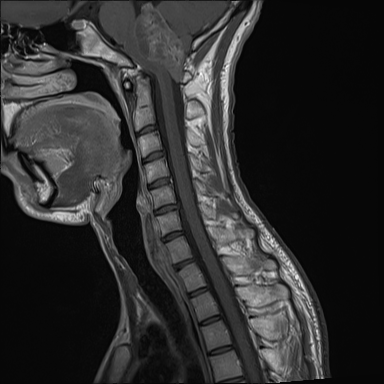
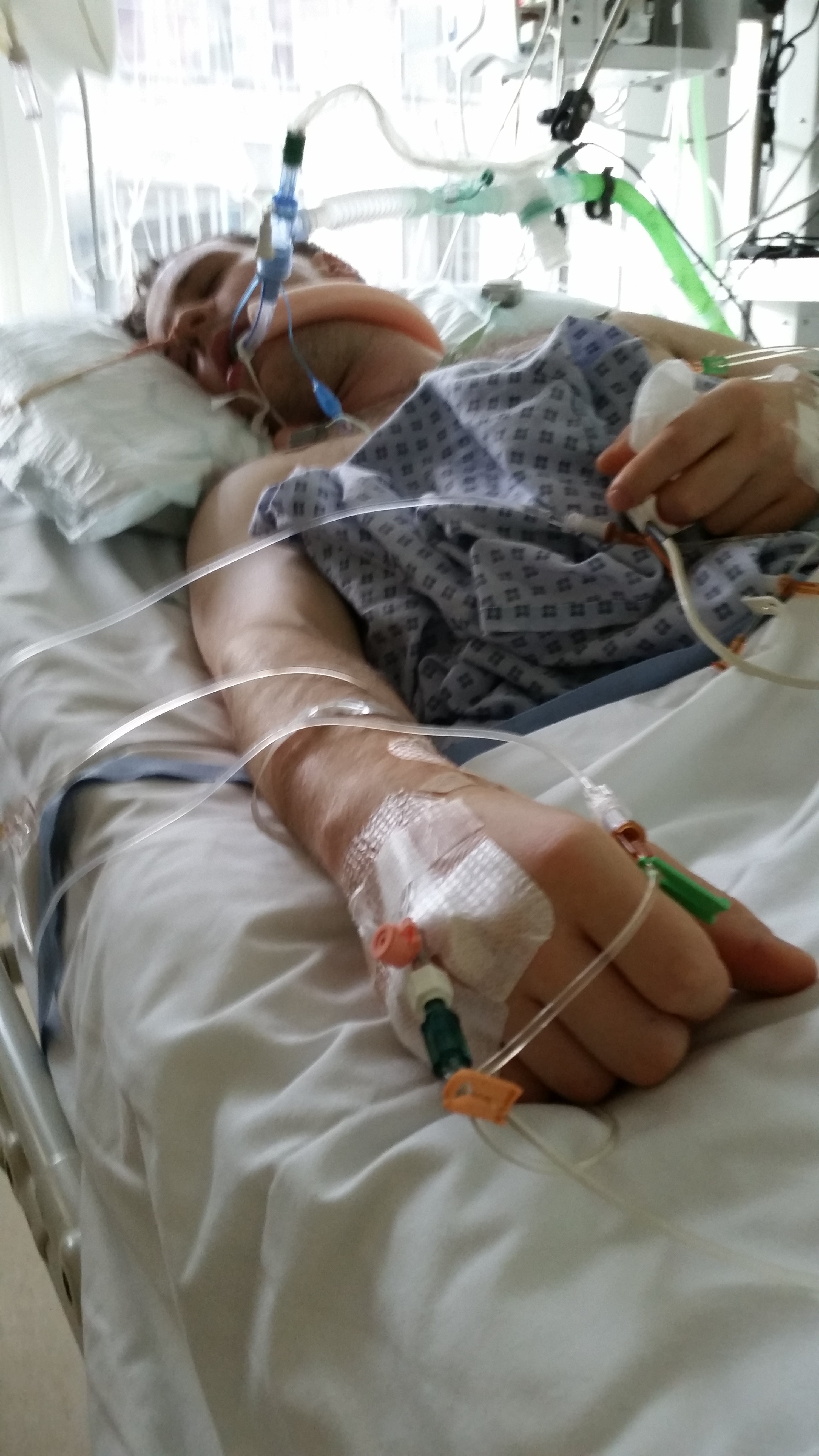
In 2014, I was diagnosed with a brain tumour and underwent emergency surgery to remove the 3.5-4 cm ependymoma from the fourth ventricle of my brain. Although the operation was successful, the months that followed were the toughest I have ever faced.
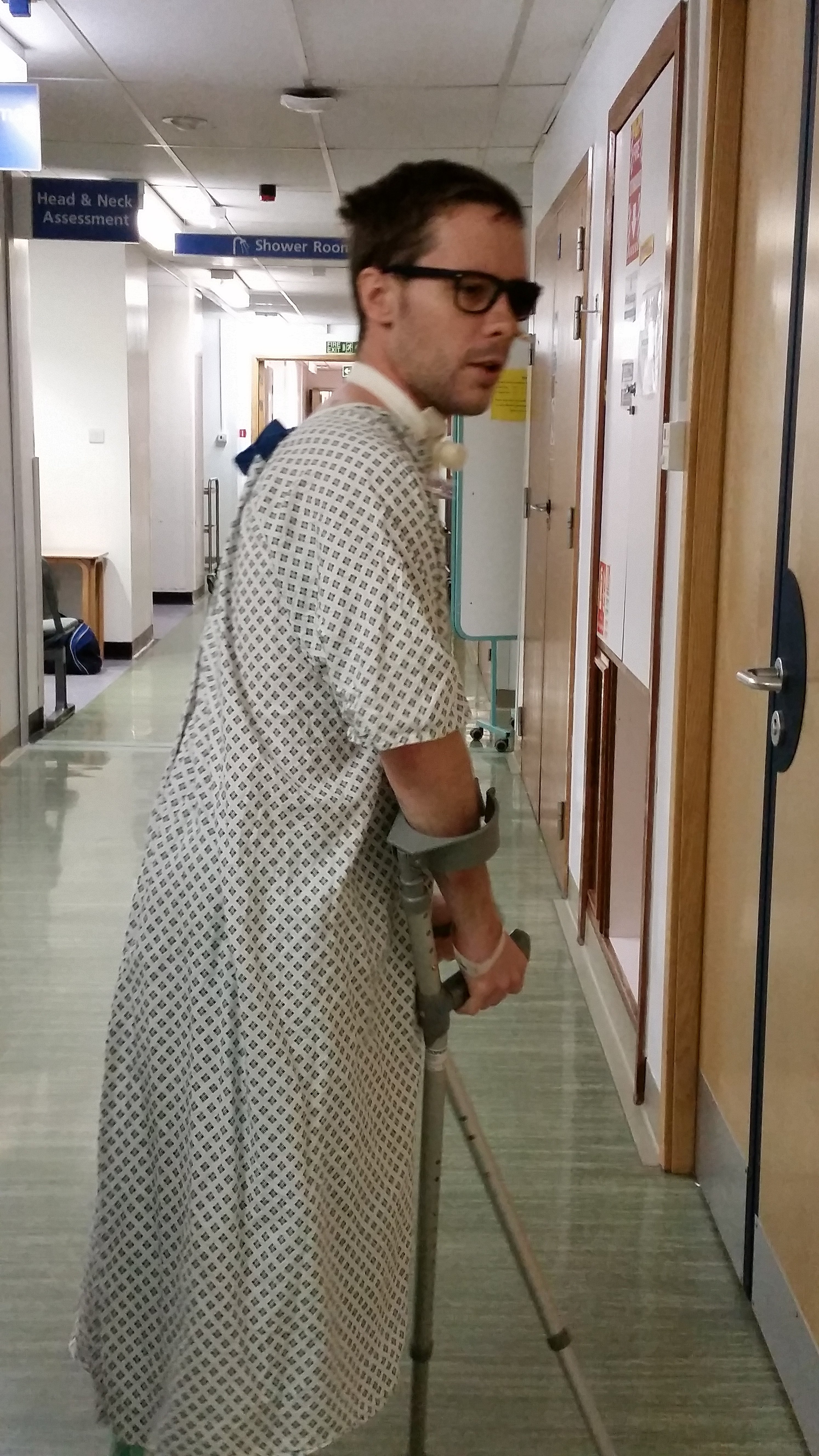
I spent 10 days in intensive care, including 8 days on a ventilator. Following surgery, I was left with significant balance problems, double vision, an inability to swallow or move my tongue, difficulty coughing, loss of my gag reflex and a paralysed vocal cord. Together, these complications resulted in severe airway compromise. I spent months being tube fed and having to relearn how to talk and walk. During my time in hospital, I was aspirating my feed into my lungs. My weight had fallen to just 47 kg, I developed pneumonia, and eventually required a tracheostomy to secure my airway. I remained in hospital for over a month before finally being discharged home, where the real rehabilitation began.
For a time, I genuinely believed I would never walk again, let alone run properly again, and certainly not run to race. Running wasn't on hold. It wasn't even a possibility. The thought of trying to get anywhere close to my old personal best seemed completely unrealistic. Compared to simply recovering enough to live independently again, running fast felt insignificant.
Recovery was slow.
Because of my paralysed vocal cord, I couldn't return to running, so I turned to cycling instead. The altered head position meant that the vocal cord didn't obstruct my airway, so cycling became my way of regaining my fitness, strength and confidence. Little by little, I became stronger. I tried to run again a year later, but the vocal cord problem remained. The same thing happened two, three, four and even five years after surgery. I gradually accepted that I might never be able to run properly again. Losing something that was such an integral part of my life was very difficult to come to terms with. A little under seven years after surgery, I tried again. This time, the vocal cord problem wasn't there. Every run felt like a victory.
The years that followed were spent gradually rebuilding my old running fitness. There were setbacks, frustrations and moments where progress seemed painfully slow, but I kept turning up.
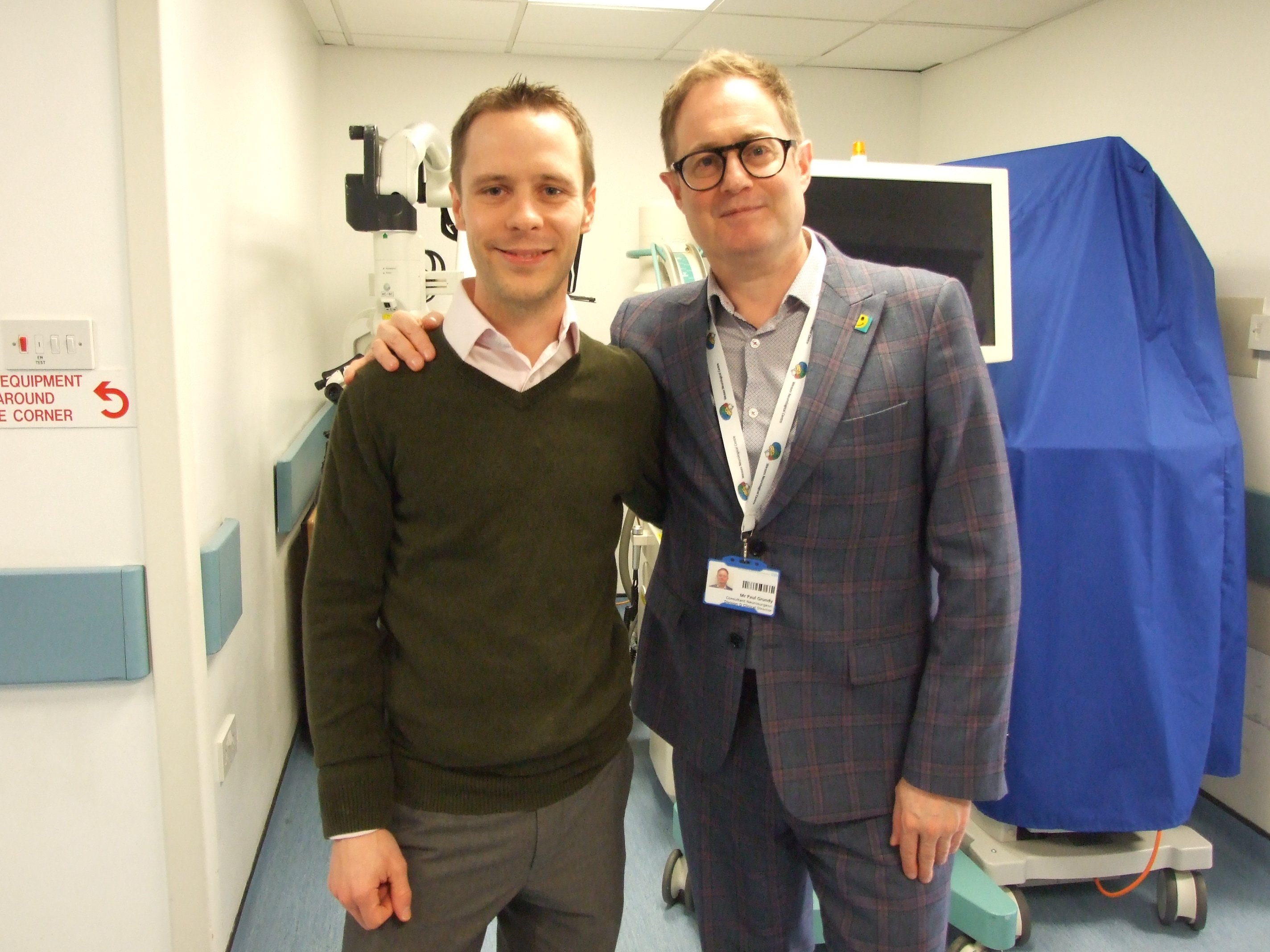
More recently, a routine annual MRI scan revealed that my tumour had returned. Once again, I found myself facing something I had hoped never to experience again. Thankfully, I was treated by the same incredible team who saved my life in 2014. My treatment involved five fractions of stereotactic radiosurgery (SRS).
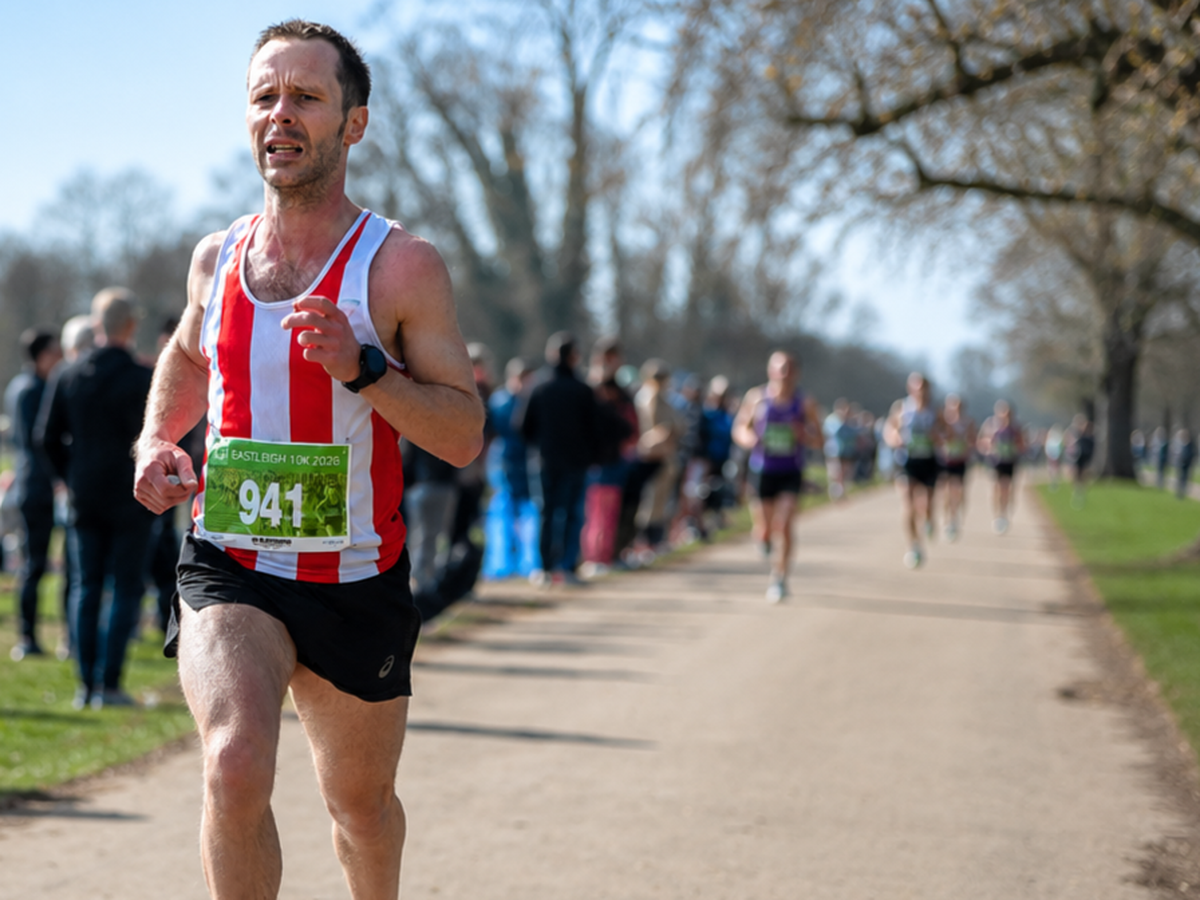
Despite everything that has happened, I now find myself in a position I once never imagined I'd reach. I have the chance to race the younger version of myself and discover just how close I can get to the runner I was before my brain tumour changed my life.
Trying to match a personal best from my early twenties at the age of 37 is an enormous challenge. Age alone makes that difficult, and the experiences I've been through since 2014 add another dimension to what is already a formidable task.
This winter, I'll line up at a 5K race or Parkrun with the aim of beating the 16:58 I ran back in 2012. Maybe I'll beat it. Maybe I'll fall short by a few seconds, or perhaps a little more. Whatever the clock says when I cross the finish line, the real significance of this challenge is knowing that, after everything that's happened, I still have the opportunity to try. I'm giving myself the winter to achieve this, rather than committing to a particular date. That gives me several opportunities to find the right race, conditions and day to have a proper crack at it.
Every brain tumour journey is different, and I know not everyone will be fortunate enough to have the outcome I've had. But if my story can offer even a little hope to someone facing the uncertainty that I once faced, then sharing it is worthwhile.
Most importantly, it's about giving something back to the people who have quite literally saved my life twice, and who continue to save the lives of others every single day.
I'm raising money for Smile4Wessex, the charity that supports the Wessex Neurological Centre. The charity raises funds to provide state-of-the-art equipment, facilities and treatments at the centre, as well as sponsoring pioneering research into treatments for a variety of neurological conditions. Without that centre and the people within it, I simply wouldn't be here today.
If my story resonates with you, I'd be incredibly grateful if you would consider making a donation.
Thank you for taking the time to read my story. With your support, I hope to turn something that means so much to me into something that makes a real difference to others.
If you'd like to, you can follow me on Strava, where I'll be sharing my training, progress and hopefully a few races along the way!
Organiser

Wessex Neurological Centre Trust
Beneficiary