- E
- V
- S
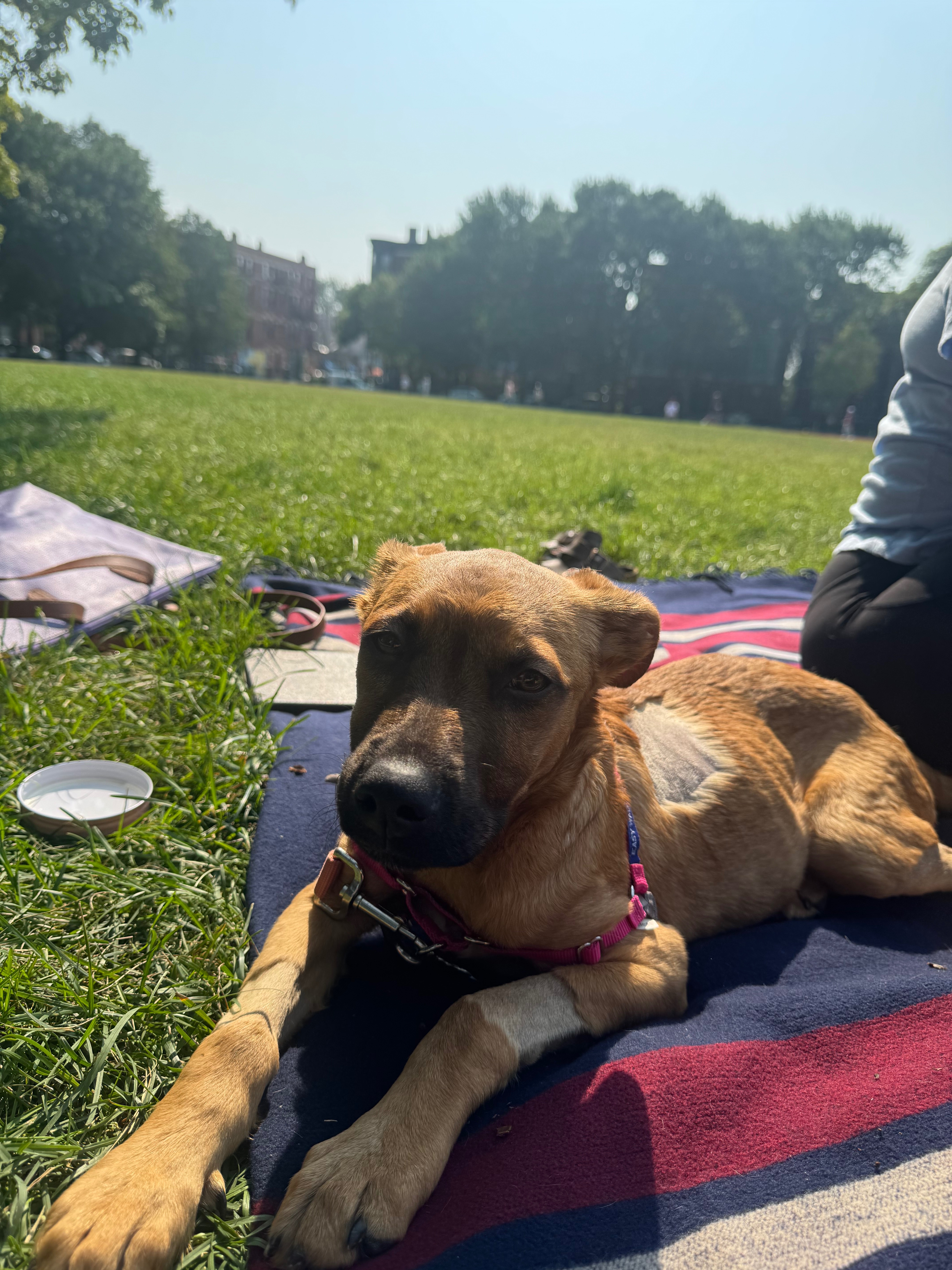
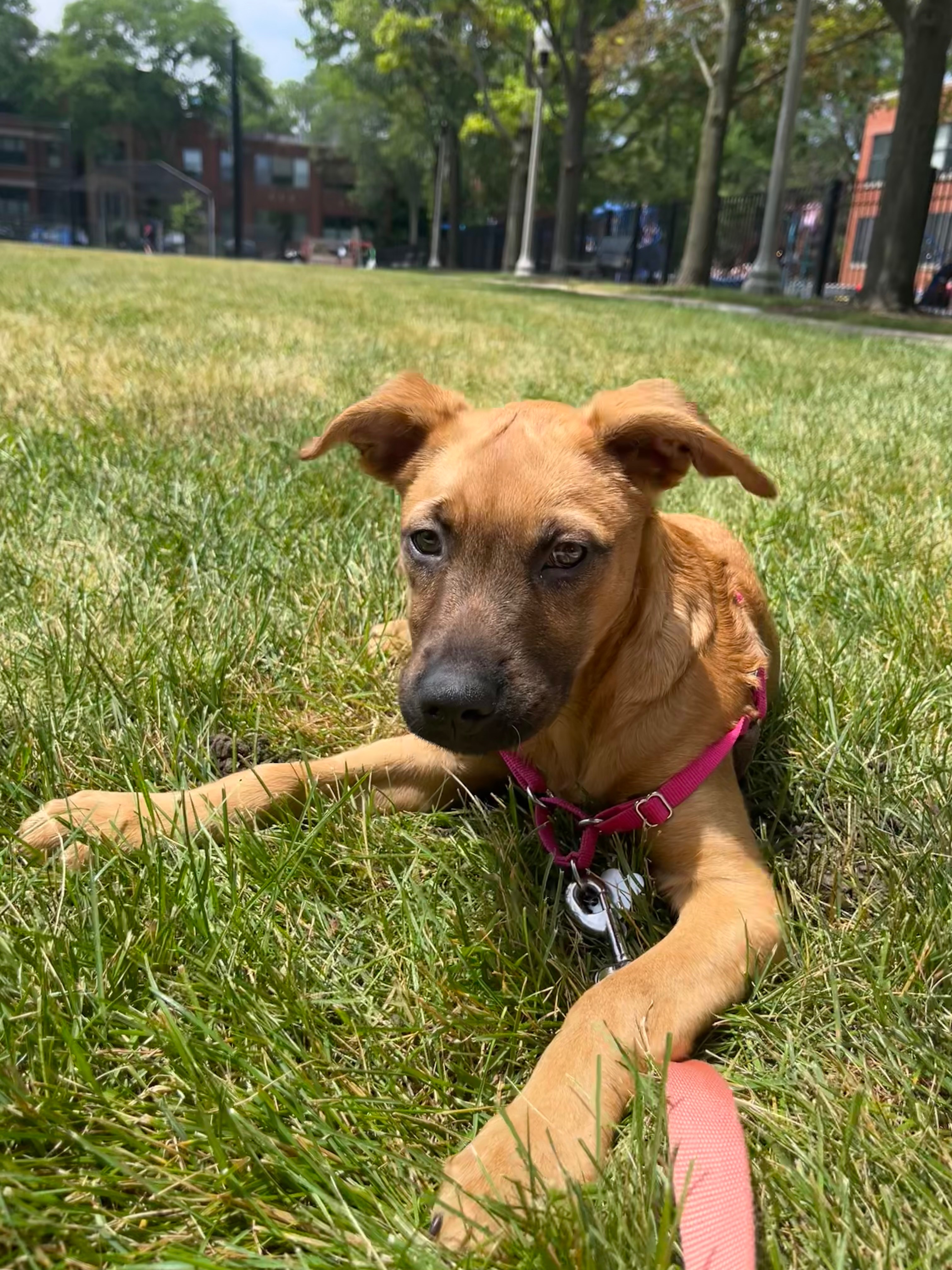


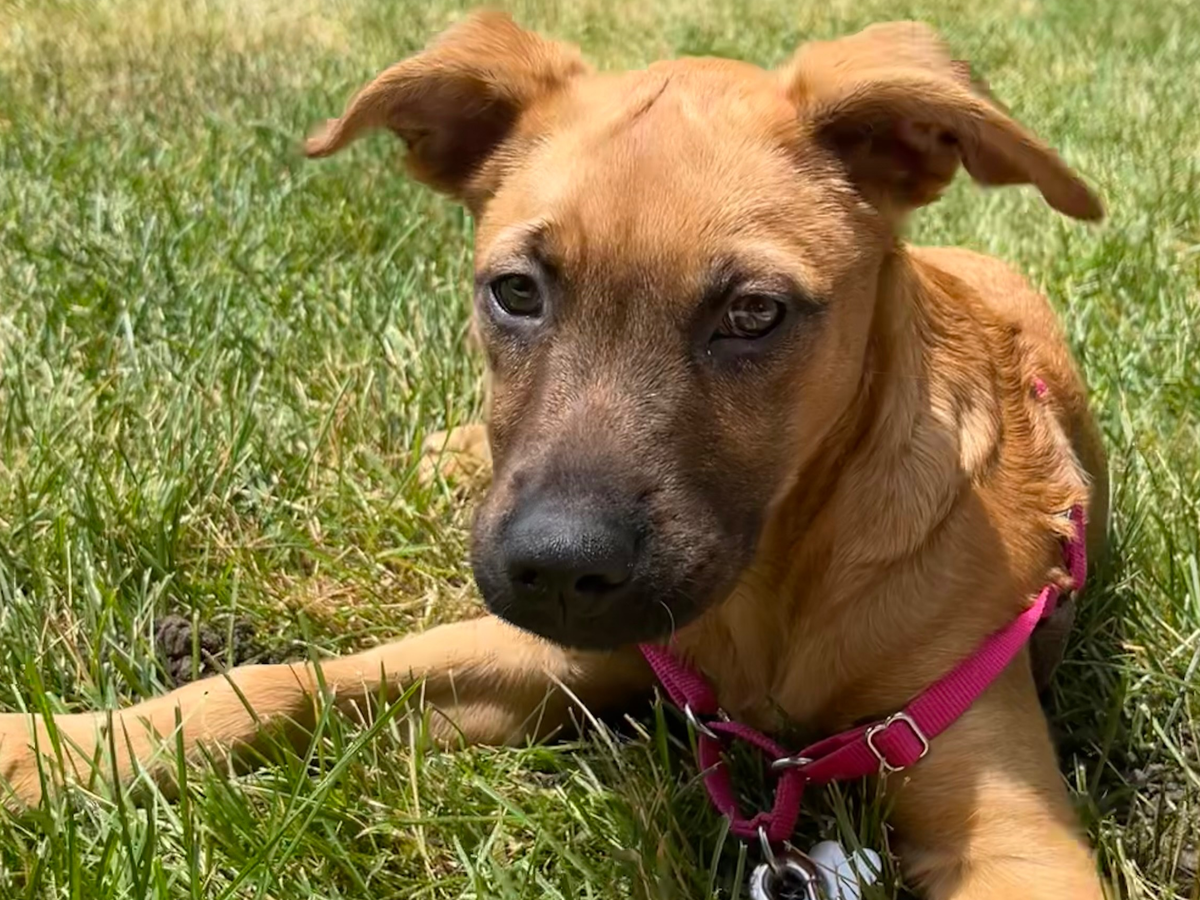
Hi, my name is Olivia, and my partner John and I adopted our first dog from a shelter less than 2 months ago, 3 weeks in, our perfect puppy has been diagnosed with diabetes mellitus. We want to share our story because not only is diabetes mellitus rare in juvenile dogs 4 different veterinarians we’ve been to have never dealt with this situation in a dog so young. Throughout our journey, you will read that research is needed and vet visits aren’t cheap. We appreciate anyone interested in reading her story, and hope this brings awareness to parents with potential diabetic dog symptoms.
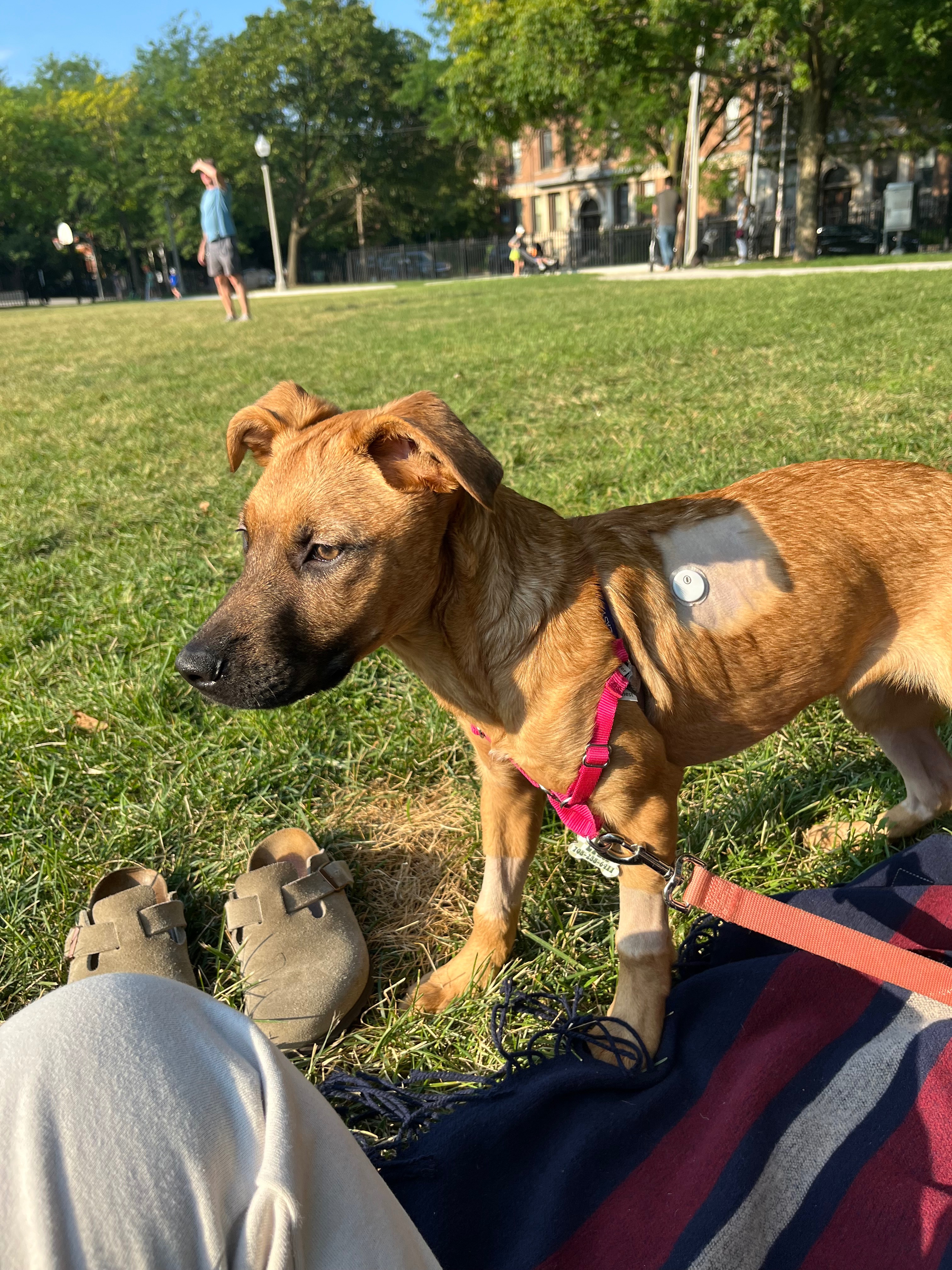
Lyla was adopted from the shelter at just a little under 4 months old this summer on 26 June 2025. After just 3 weeks with her, she began to experience symptoms of a UTI (excessive peeing and extreme thirst) and was taken to the vet. With the diagnosis being consistent with a UTI, and awaiting results from her urinalysis, we were sent home and given Amoxicillin. Only two days later, her symptoms worsened, including excessive urination, extreme thirst, weight loss, and lethargy. Our one positive is that her appetite did not decrease. Another day off work was taken, and we were off to the vet again. They ran a cystocentesis for an accurate urinalysis and a blood test. Those findings indicated glucose in the urine and a blood glucose (BG) of 438. Normal BG is a high of 150 in dogs. We were advised to take her to the hospital after being told for the first of many times in the next few weeks, “ I have never heard of this happening in a puppy before,” and drove an hour and a half away to the nearest hospital with an internal medicine doctor on call. Once we arrived at the hospital, Lyla was started on a low dose of insulin and required to stay 2 nights in a kennel with IVs for dehydration and continuous monitoring of her glucose. When we arrived to pick her up, her fur was shaved on all 4 legs, and her side featured a Libre (continuous glucose monitoring device) attached to her (as seen in her pictures). After being instructed on how to use insulin, we were sent home to manage her care on our own.
We felt alone.
Every doctor, then and now, has explained that there is not much research on type 1 diabetes in puppies, and as a growing girl, her numbers will always change.
She’s young, underweight, advised to eat only twice a day with insulin, and she needs to grow.
We are new parents who just want to do right by her, and financing her lifelong care will need a village. For any of you who took the time to read her story, we thank you. For any donations, we thank you as well, and if more research is needed, we want to be pioneers!
Thank you for your time, and we are happy to update any inquiring people on her journey.