- N

Proteger o Aquífero e a Rede Natura de Alcácer e Grândola
0% complete
€1,352 raised of €25K
19 donations

A Nossa Água Tem Limites
Proteger o Aquífero e a Rede Natura de Alcácer do Sal e Grândola
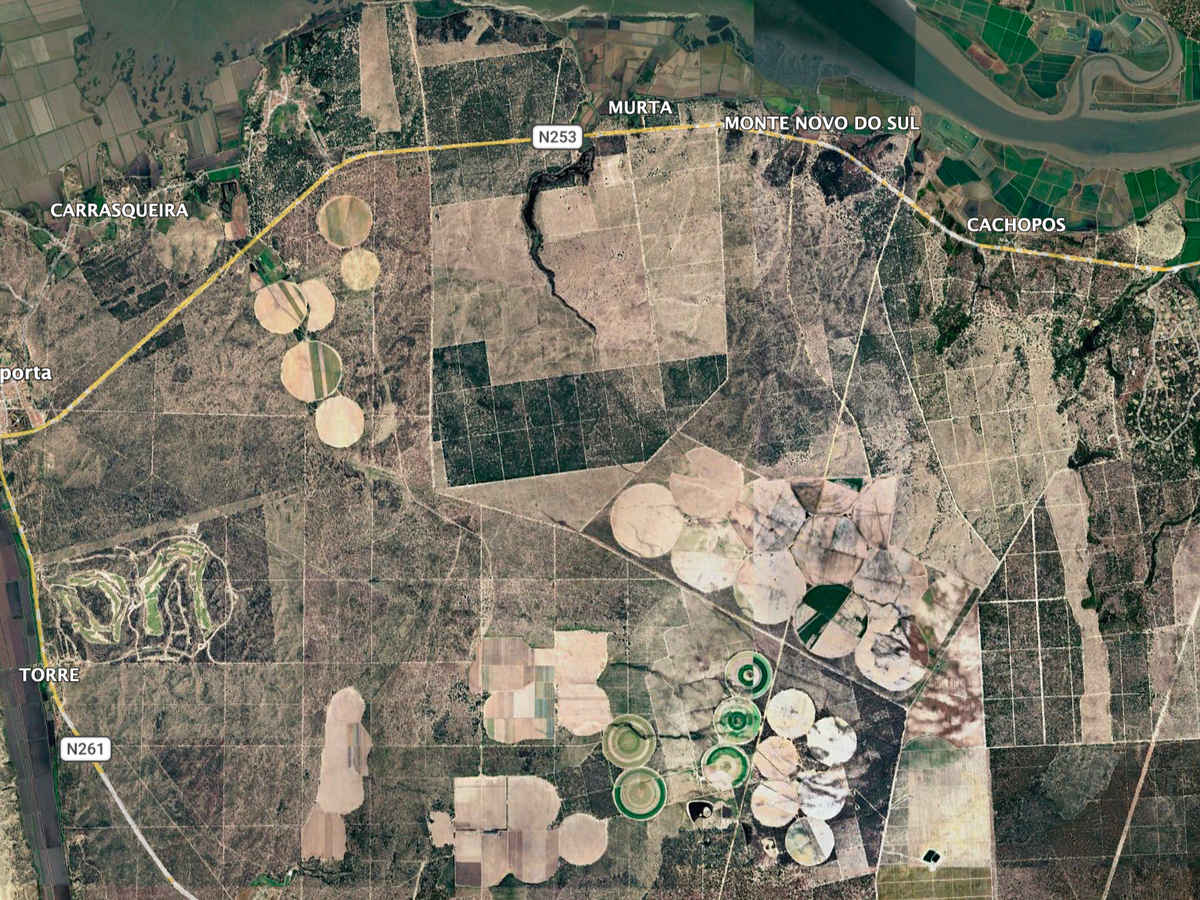
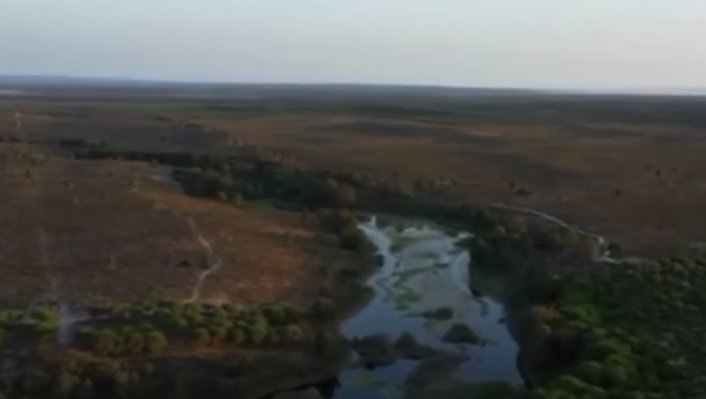
Na charneca entre os concelhos de Grândola e Alcácer do Sal estendem-se planícies dunares, zimbrais e pinhais ricos em biodiversidade ameaçada protegida que poucos conhecem: a Zona Especial de Conservação Comporta-Galé (Rede Natura 2000).
Sob estes solos arenosos existe um aquífero que é a única origem de água das populações de Alcácer do Sal e de Grândola.
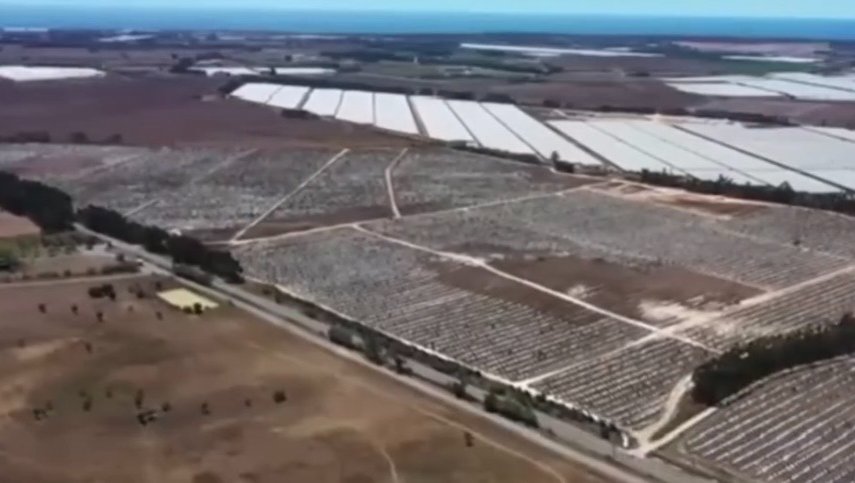
O aquífero está a ser esgotado - e a área para conservação da natureza está a ser destruída e substituída por plantações de culturas para exportação completamente desadaptadas à região pelo seu elevado consumo de água (subterrânea): tangerinas, abacates, relva, mirtilos.
Este crowdfunding apoia a acção judicial interposta por seis organizações - ÁGUA & SAL, DUNAS LIVRES, GEOTA, QUERCUS, SPEA e ZERO - contra a aprovação de mais um destes mega-projectos agrícolas, no caso, o das Herdades de Murta e Monte Novo (HM-MN), em Alcácer do Sal. A ação foi apresentada no Tribunal Administrativo e Fiscal de Beja.
O valor angariado - objetivo: 25.000 euros - destina-se a custear os encargos jurídicos, processuais e técnicos da impugnação judicial - que serão divulgados publicamente - com as devidas notificações a quem contribuiu. São recebidos na conta da ÁGUA & SAL e aplicados exclusivamente nos custos da ação judicial das seis Associações.
Sem apoio público, as organizações não conseguem sustentar esta luta.
O projecto
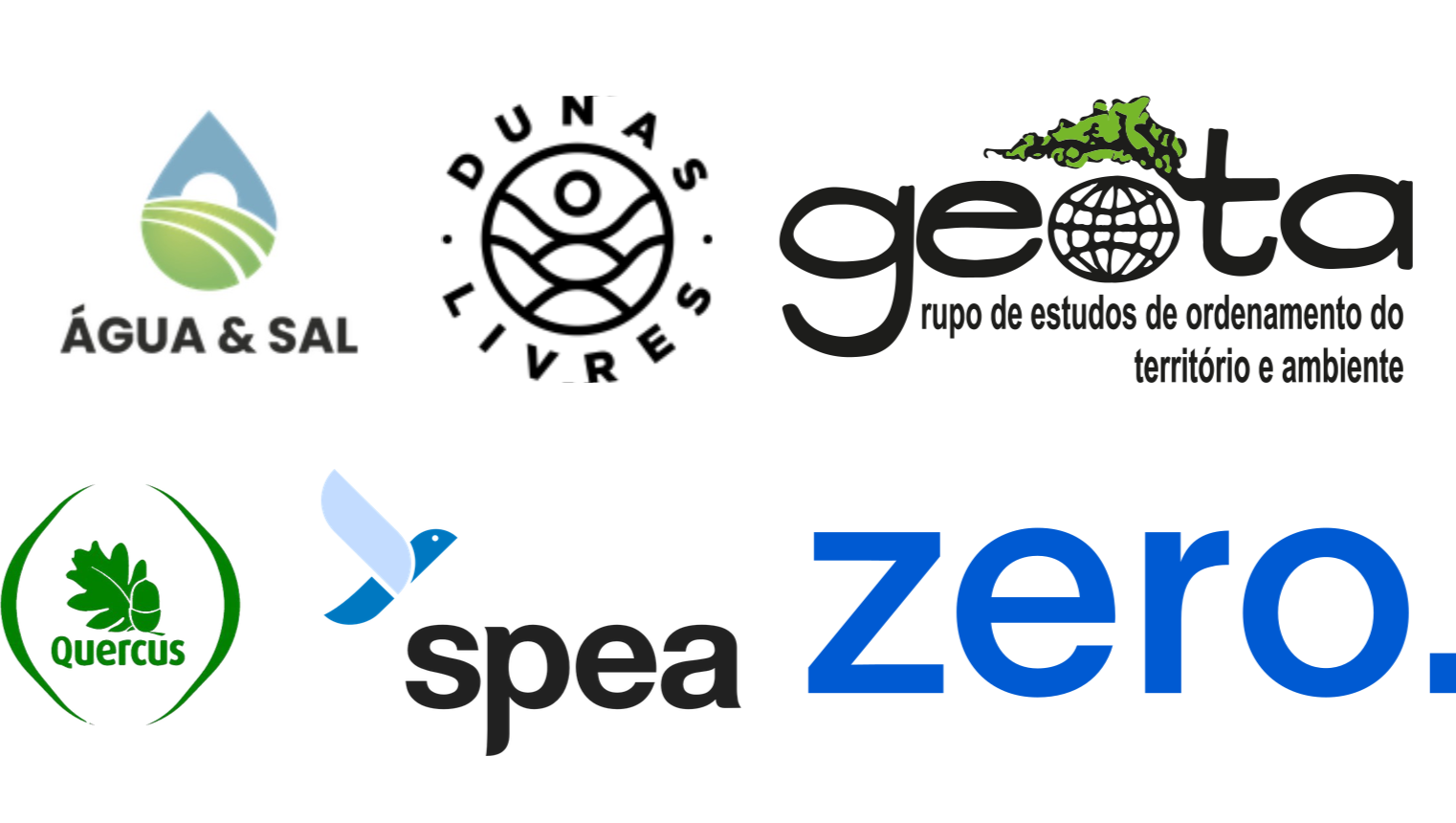
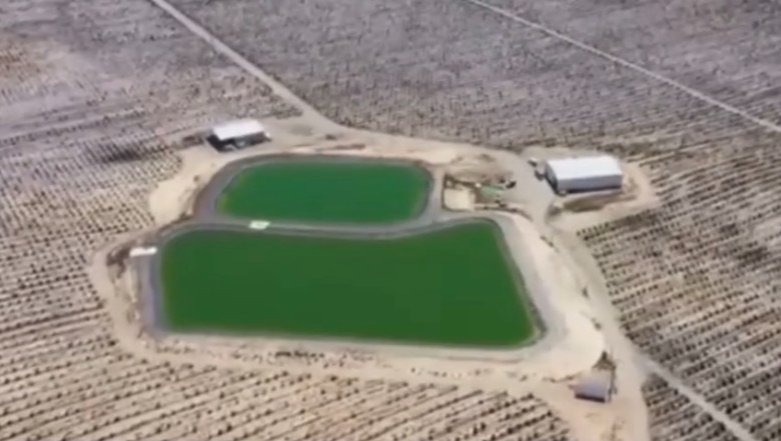
Depois de três rejeições, a 4.ª reformulação do projecto das Herdades de Murta e Monte Novo, dentro da ZEC Comporta-Galé, pela plataforma Aquaterra (do fundo norte-americano Davidson-Kempner), foi aprovada pela CCDR Alentejo em agosto de 2026: um pomar de 260 hectares de tangerineiras, 12 captações subterrâneas com furos até 288 metros de profundidade, e um consumo máximo autorizado de 1.740 milhões de litros de água por ano. A área agrícola foi ligeiramente reduzida face à versão anterior - mas o limite de água ficou igual. Quase o dobro de toda a água distribuída pela rede pública de Alcácer do Sal em 2023, e praticamente tanto como a de Grândola.
O aquífero
O Laboratório Nacional de Energia e Geologia concluiu que o projecto não devia ser aprovado. O motivo: já se observa subsidência generalizada no sector da Margem Esquerda do Sado, em Alcácer do Sal - abatimento do terreno que evidencia que a extracção de água já excede a recarga do aquífero, antes de este projecto estar instalado. Na consulta pública referiu-se que os furos existentes na zona já estão a ser aprofundados por agricultores locais às suas custas - sinal de que o nível da água está a descer. O próprio estudo do promotor prevê que, com os furos do projecto e os da exploração vizinha em funcionamento, o nível da água desça cerca de 25 metros.
As organizações não estão contra a agricultura. Defendem que a água chegue para todos, a começar por quem já cá vive e trabalha.
A Rede Natura e a decisão que a contraria
Este projecto insere-se integralmente na ZEC Comporta-Galé - uma área protegida pela União Europeia onde a agricultura intensiva já ocupa mais de 5.000 hectares e não pára de expandir.
Os impactos cumulativos não estão a ser considerados e esta nova aprovação contraria frontalmente o Plano de Gestão desta ZEC, que tem como objectivo explícito melhorar o estado de conservação dos habitats presentes - e não destruí-los irreversivelmente.
O Estudo de Impacte Ambiental é claro: cerca de 88% da área das Herdades é ocupada por habitats de interesse comunitário. O projecto propõe instalar 40% da sua área agrícola sobre habitat dunar (2260) que o Plano de Gestão da ZEC obriga a restaurar ecologicamente e inclui também zimbral com Juniperus navicularis - habitat prioritário (2250*) e espécie endémica portuguesa, com estatutos máximo de protecção na lei portuguesa e europeia.
O próprio ICNF classificou os impactes do projecto como “muito significativos sobre habitats de interesse comunitário” - mas a aprovação saiu na mesma. As medidas propostas para proteger estes habitats - arrancar plantas protegidas e tentar recolher sementes - não são mitigação; são compensações sem eficácia comprovada.
A Directiva Habitats da UE é inequívoca: numa área Natura 2000, só razões imperativas de interesse público maior justificam a aprovação de projectos com impactes negativos significativos. A produção de fruta de exportação por um grupo privado não preenche esse critério.
A Câmara Municipal de Alcácer do Sal deu parecer desfavorável. A Assembleia Municipal aprovou por unanimidade uma moção a pedir a reapreciação da DIA. Ao longo das quatro consultas públicas, somaram-se 1934 participações contra o projecto.
Como podes ajudar:
→ Partilha este crowdfunding e as informações e notícias que vamos publicando. A informação e visibilidade públicas são essenciais.
→ Contribui com o que puderes. Cada euro vai diretamente para a luta jurídica.
Quando a lei protege, mas as decisões a contrariam, a sociedade civil tem de agir - através dos meios legais, que são custosos. Com a ajuda de todos, é o que pretendemos fazer.
Gestão do dinheiro:
a) os fundos são recebidos numa conta específica da ÁGUA & SAL para esta finalidade;
b) a ÁGUA & SAL tem contabilidade organizada, com contabilista certificado;
c) publica-se, de seis em seis meses, um resumo das entradas e dos pagamentos (honorários, taxas de justiça, perícias), nas atualizações da página e nos sites das Associações.
#ANossaÁguaTemLimites #ProtegerOAquíferoEARedeNaturaDeAlcácerDoSalEGrândola
~~~~~~~~~~~~~~~~~~~~~~~~~~~~~~~~~~~~~~~~~~~~~~~~~~
- - - - ENGLISH- - - -
Our Water Has Limits
Protecting the Aquifer and the Natura Network of Alcácer do Sal and Grândola
In the plains between the municipalities of Grândola and Alcácer do Sal stretch dune ecosystems, juniper woodlands and pine forests rich in threatened protected biodiversity that few people know: the Special Area of Conservation Comporta-Galé (Natura 2000).
Beneath these sandy soils lies an aquifer that is the sole water source for the populations of Alcácer do Sal and Grândola.
The aquifer is being depleted - and the nature conservation area is being destroyed and replaced by plantations of export crops completely ill-suited to the region due to their high (groundwater) consumption: mandarins, avocados, grass, blueberries.
This crowdfunding supports the legal action brought by six organisations - ÁGUA & SAL, DUNAS LIVRES, GEOTA, QUERCUS, SPEA and ZERO - against the approval of yet another of these mega agricultural projects, in this case the Herdades de Murta e Monte Novo (HM-MN), in Alcácer do Sal. The action was filed at the Administrative and Tax Court of Beja.
The funds raised - target: €25,000 - are intended to cover the legal, procedural and technical costs of the judicial challenge - which will be made public - with due notification to contributors. They are received into ÁGUA & SAL’s account and applied exclusively to the legal costs of the six Associations’ action. Without public support, the organisations cannot sustain this fight.
The project
After three rejections, the 4th reformulation of the Herdades de Murta e Monte Novo project, within the ZEC Comporta-Galé, by the Aquaterra platform (of the North American fund Davidson-Kempner), was approved by CCDR Alentejo in August 2026: a 260-hectare mandarin orchard, 12 groundwater abstraction boreholes up to 288 metres deep, and a maximum authorised water consumption of 1,740 million litres per year. The agricultural area was slightly reduced compared to the previous version - but the water limit remained the same. Almost double all the water distributed through the public network of Alcácer do Sal in 2023, and virtually as much as that of Grândola.
The aquifer
The National Laboratory of Energy and Geology concluded that the project should not have been approved. The reason: widespread subsidence is already being observed in the Left Bank of the Sado sector, in Alcácer do Sal - ground sinking that evidences that water extraction already exceeds aquifer recharge, before this project is even operational. During the public consultation it was noted that existing boreholes in the area are already being deepened by local farmers at their own expense - a sign that the water table is dropping. The developer’s own study predicts that, with the project’s boreholes and those of the neighbouring operation running, the water table will drop by around 25 metres.
The organisations are not opposed to agriculture. We defend that water must be sufficient for everyone, starting with those who already live and work here.
The Natura Network and the decision that contradicts it
This project falls entirely within the ZEC Comporta-Galé - an area protected by the European Union where intensive agriculture already occupies more than 5,000 hectares and continues to expand.
Cumulative impacts are not being considered, and this new approval directly contradicts the Management Plan for this SAC, whose explicit objective is to improve the conservation status of the habitats present - not to irreversibly destroy them.
The Environmental Impact Study is clear: around 88% of the Herdades area is occupied by habitats of community interest. The project proposes to install 40% of its agricultural area over dune habitat (2260) that the SAC Management Plan requires to be ecologically restored, and also includes juniper woodland with Juniperus navicularis - a priority habitat (2250*) and Portuguese endemic species, with maximum protection status under Portuguese and European law.
ICNF itself classified the project’s impacts as “highly negatively significant on habitats of community interest” - yet approval was granted regardless. The measures proposed to protect these habitats - uprooting protected plants and attempting to collect seeds - are not mitigation; they are compensation measures with no proven effectiveness.
The EU Habitats Directive is unequivocal: in a Natura 2000 area, only imperative reasons of overriding public interest justify the approval of projects with significant negative impacts. The production of export fruit by a private group does not meet that criterion.
Alcácer do Sal Municipal Council issued an unfavourable opinion. The Municipal Assembly unanimously approved a motion calling for the EIA to be reconsidered. Across the four public consultations, 1,934 participations were submitted against the project.
How you can help
→ Share this crowdfunding campaign and the information and news we will be publishing. Public information and visibility are essential.
→ Contribute what you can. Every euro goes directly to the legal fight.
When the law protects, but decisions contradict it, civil society must act - through legal means, which are costly. With everyone’s help, that is what we intend to do.
Fund management:
a) funds are received into a dedicated ÁGUA & SAL account for this purpose;
b) ÁGUA & SAL has organised accounting, with a certified accountant;
c) every six months, a summary of income and payments (fees, court costs, expert reports) will be published in the campaign updates and on the Associations’ websites.
#OurWaterHasLimits #ProtectingTheAquiferAndNaturaNetworkOfAlcácerDoSalAndGrândola