Protect and Revive Red Hawk Avalon
$25,631 raised of $25K
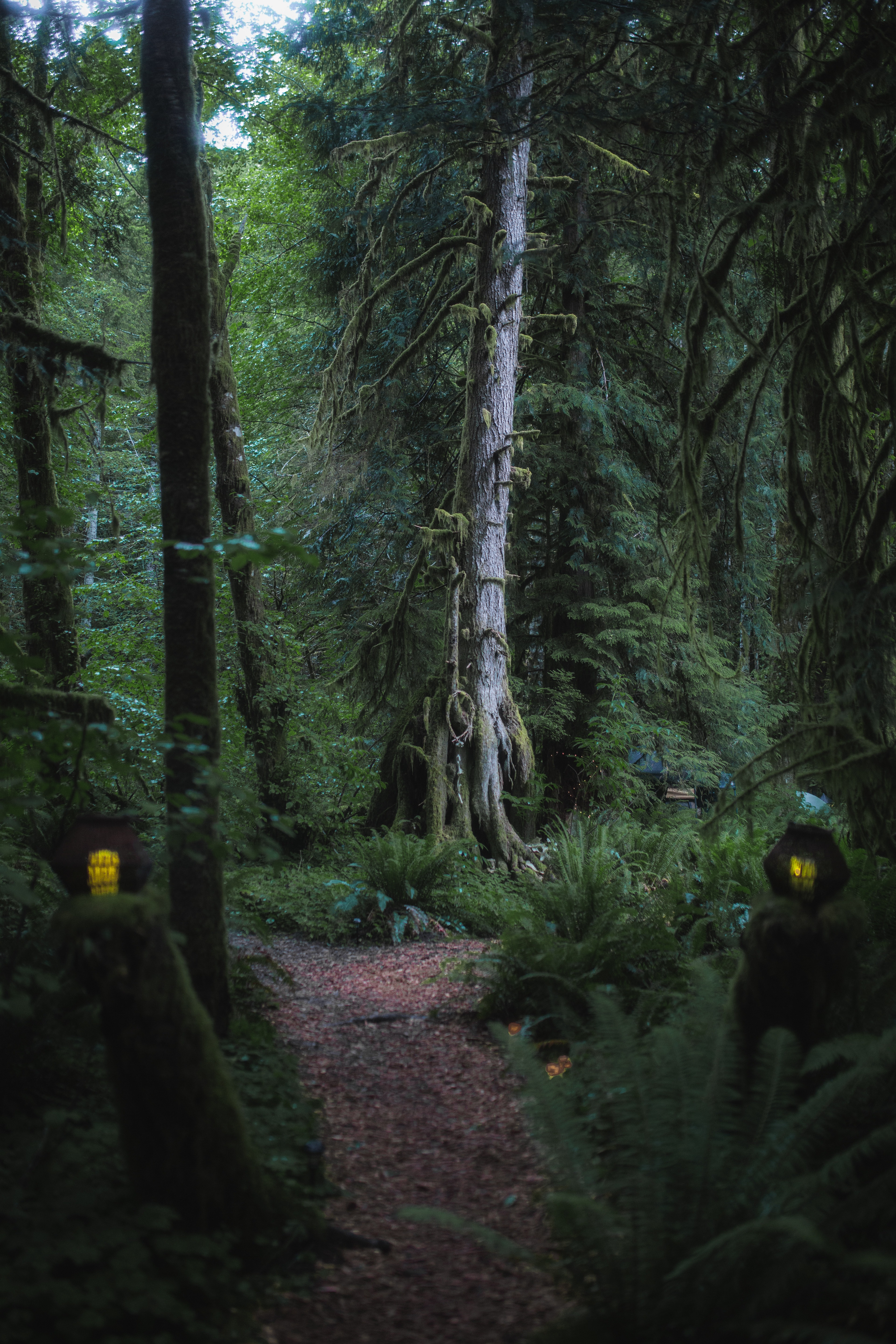
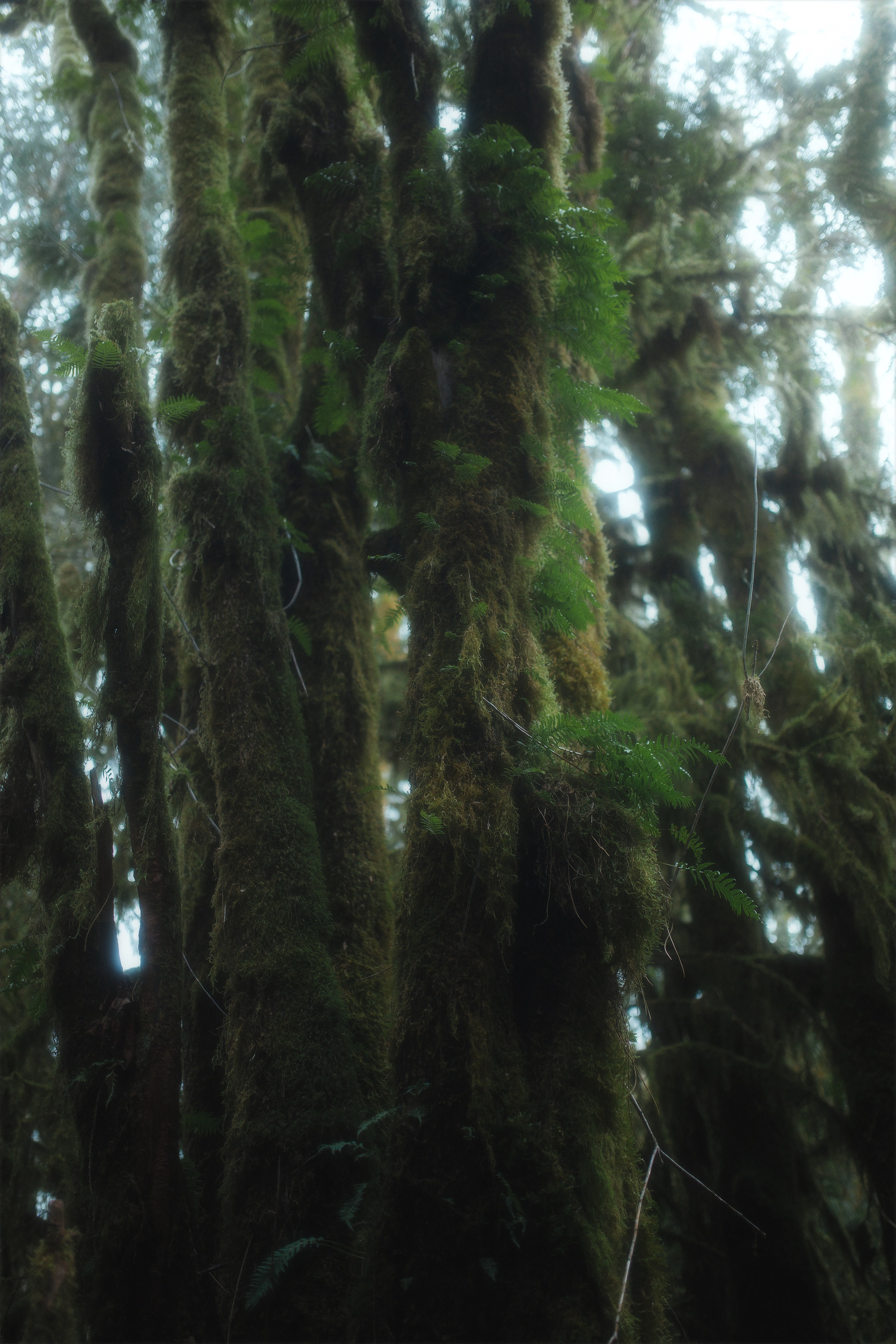
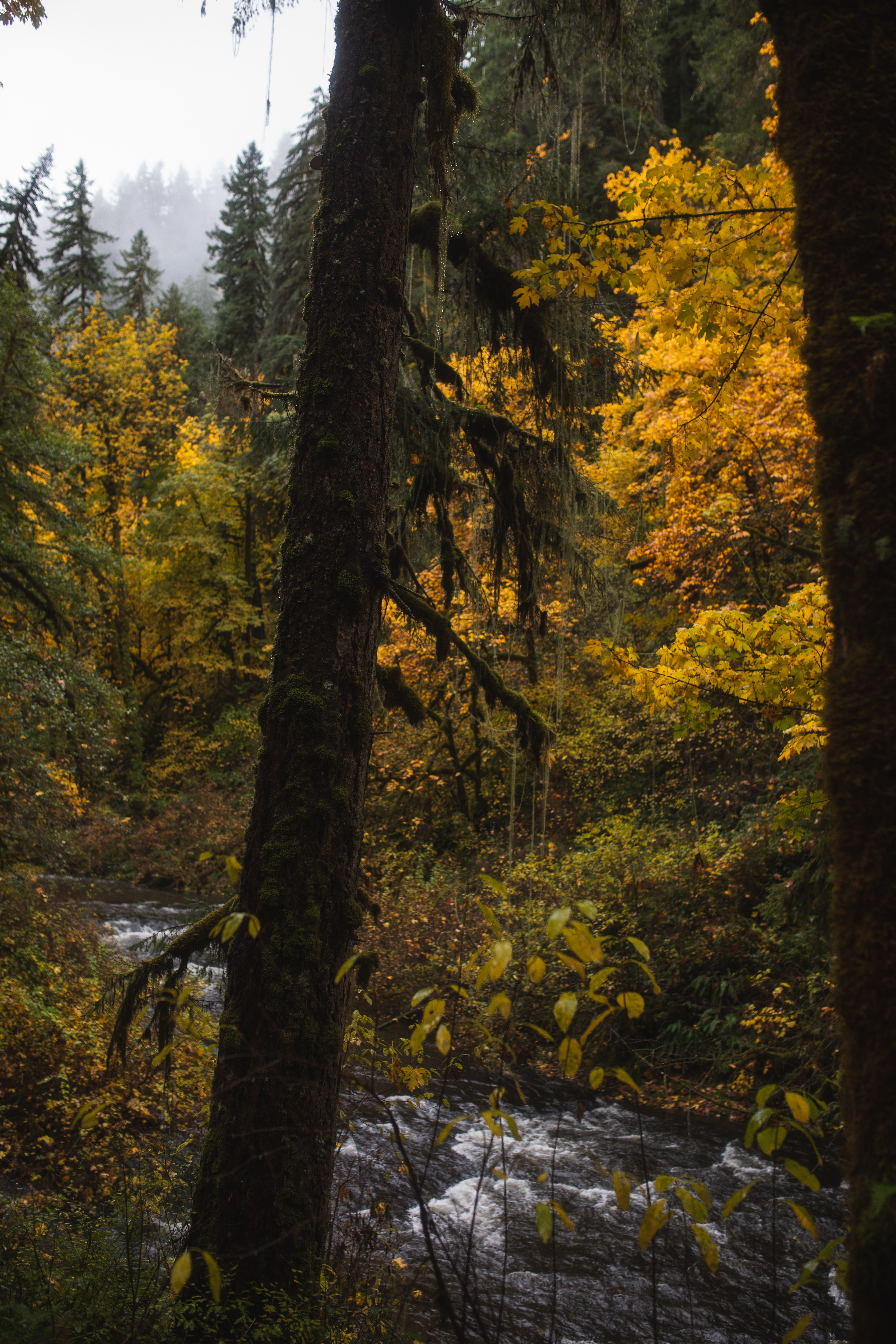
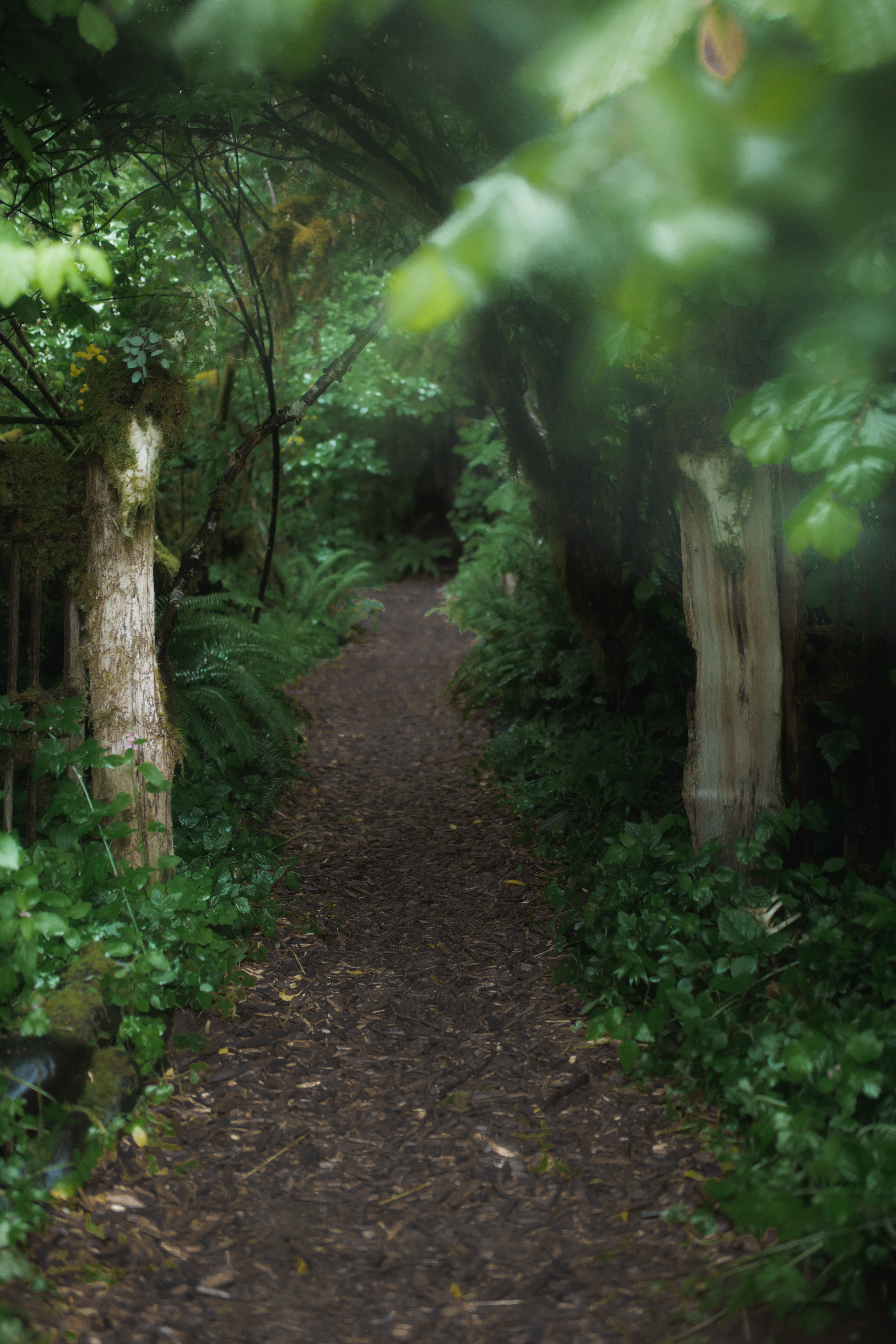
Nestled between the ocean and the mighty Cascade Mountains, in the Willapa Hills of Southwest Washington, lies Red Hawk Avalon. It is a 32-acre homestead situated on the historical ghost town site of Walville. This region, the ancestral lands of the Cowlitz and Chehalis peoples, was once a vast forest of towering old trees, prairies, and an abundance of salmon. More intimately, the Mountain Cowlitz people knew this wooded place. Willapa, in the Kwalhioqua dialect, translates to 'a lonely wooded place.' This land that we now call Red Hawk Avalon then became the logging town of Walville, where early settlers logged the old towering trees. These woods we honor have been recovering from an era of wounding, and they, like each of us, hold deep memories of colonialism and the impacts of extraction.
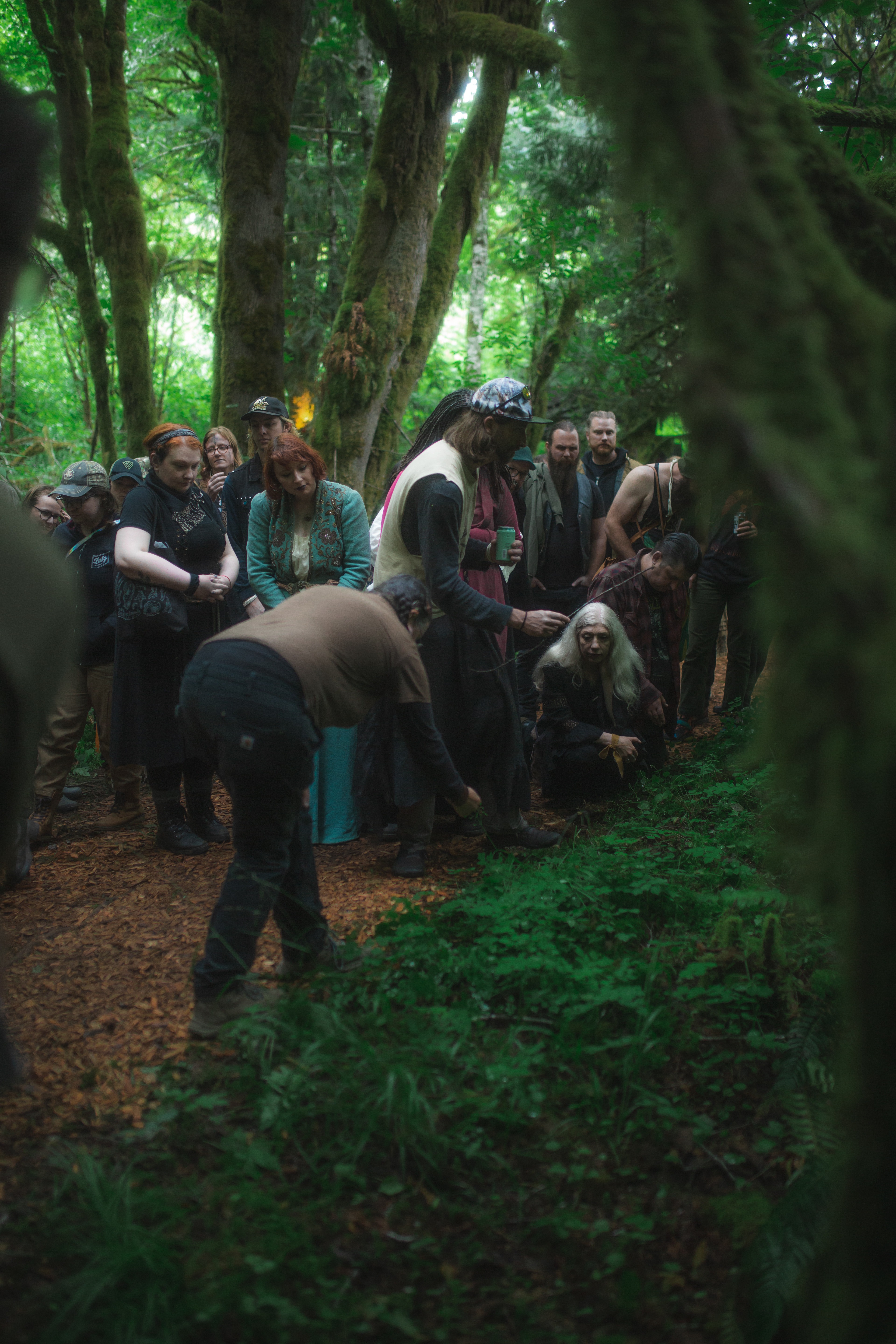
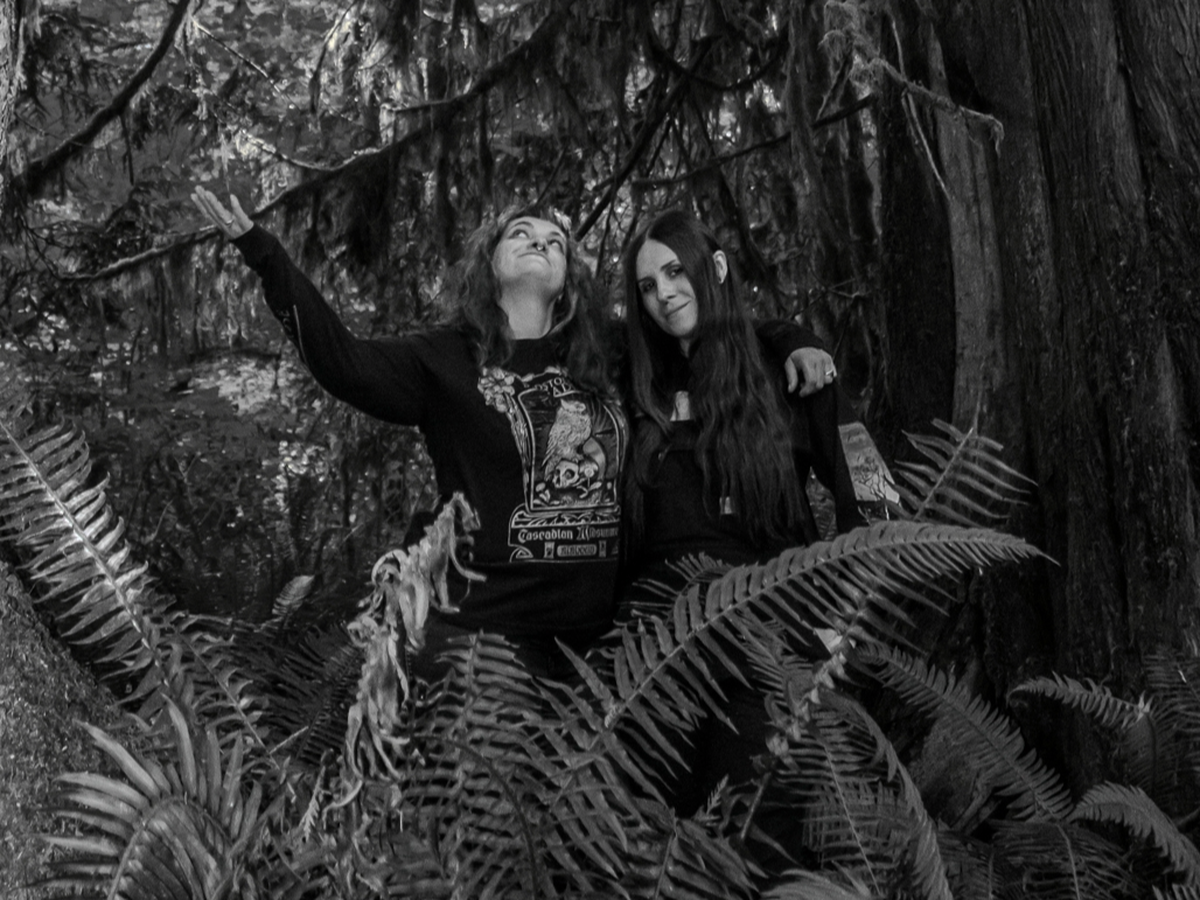
Red Hawk Avalon was established in 2011 by Amber Amanita Darkwood and her family, its namesake honoring the red hawks that grace the land and for whom the road is named, as well as the constant mists that blow in from the Pacific Ocean. This land has served not only as a home but also as a vibrant community sanctuary for people to gather year after year. For many, Red Hawk Avalon has become a deeply sacred and healing ecosystem, and the events that occur throughout the year are crucial in helping maintain the health of the land, preparing the grounds for events, covering mortgage costs and repairs, and bringing business to the small town of Pe Ell, which RHA provides a much-needed economic boost during events.
Earlier this year, right before hosting our largest event of the summer, we noticed pink flags marking trees through our beloved woods and up to the ridgeline. Flags left by the Department of Natural Resources. Flags left without warning, permission, or clear cause. When we spoke with their representative, they claimed parts of our land didn't belong to us and informed us that over 300 acres of surrounding forest would also be cut. This news was devastating to our family during an already challenging time. Their intention is to again bring massive parts of this forest to the ground in what they refer to as a "variable retention harvest, " or in more familiar terms, a clear cut. In a region known for the devastation of landslides, the DNR intends to sever this forest across the hills, reducing this landscape and all of its trees, flora, fauna, springs, and health to a deep and thoughtless wound.
After conducting several environmental surveys, we received written confirmation that if the trees along the ridgeline are cut, it will likely contaminate our well (water source) and lead to severe flooding and landslides, which is already a danger Red Hawk Avalon and the Willapa Valley face. These survey results are how we intend to take further action, along with conducting our own boundary line survey, which may result in court action.
For years, Amber has shouldered the costs and responsibilities of maintaining and up-keeping the land, often out of pocket, and it has already become extremely difficult to continue as a result of being a single mother in a crippling economy. In recent years, she moved to Portland, Oregon, to support the mental and physical needs of her son and has continued to maintain Red Hawk Avalon and coordinate events out of love for the land and our communities. I recently stepped up as a land coordinator to help ease some of the burden, and we are deeply grateful to our land inhabitants and volunteers who help us prepare the space for events, but there are still overwhelming challenges we face. Earlier this year, her mower broke, which is crucial for preparing the grounds for events, and Amber had to come up with $11,000 in credit to purchase a new one. The costs of surveys to combat the current battle with DNR have made things even harder, and we still need to conduct a costly boundary line survey. In addition, there are several infrastructure repairs and land upkeep projects, as well as event equipment necessary to maintain the land and help Red Hawk Avalon grow, so we are calling upon our community for support.
We have estimated that costs for land upkeep, current debts, and future legal support to be a minimum of $25,000. This will undoubtedly increase as we strategize our efforts of protecting and reviving RHA into the future.
If you are unable to donate but you have spent time in communion with this landscape and its communities, consider sharing this post with your loved ones! May our collective mycelial efforts be felt in the healing soul of Red Hawk Avalon for generations to come.
Instagram: @redhawkavalon
Facebook: www.facebook.com/redhawkavalon
Organizer and beneficiary