Project: Gonzo
Wildlife Watering Hole in Northern Arizona
Restoring Balance in Northern Arizona
A Call to Action for Our Wildlife
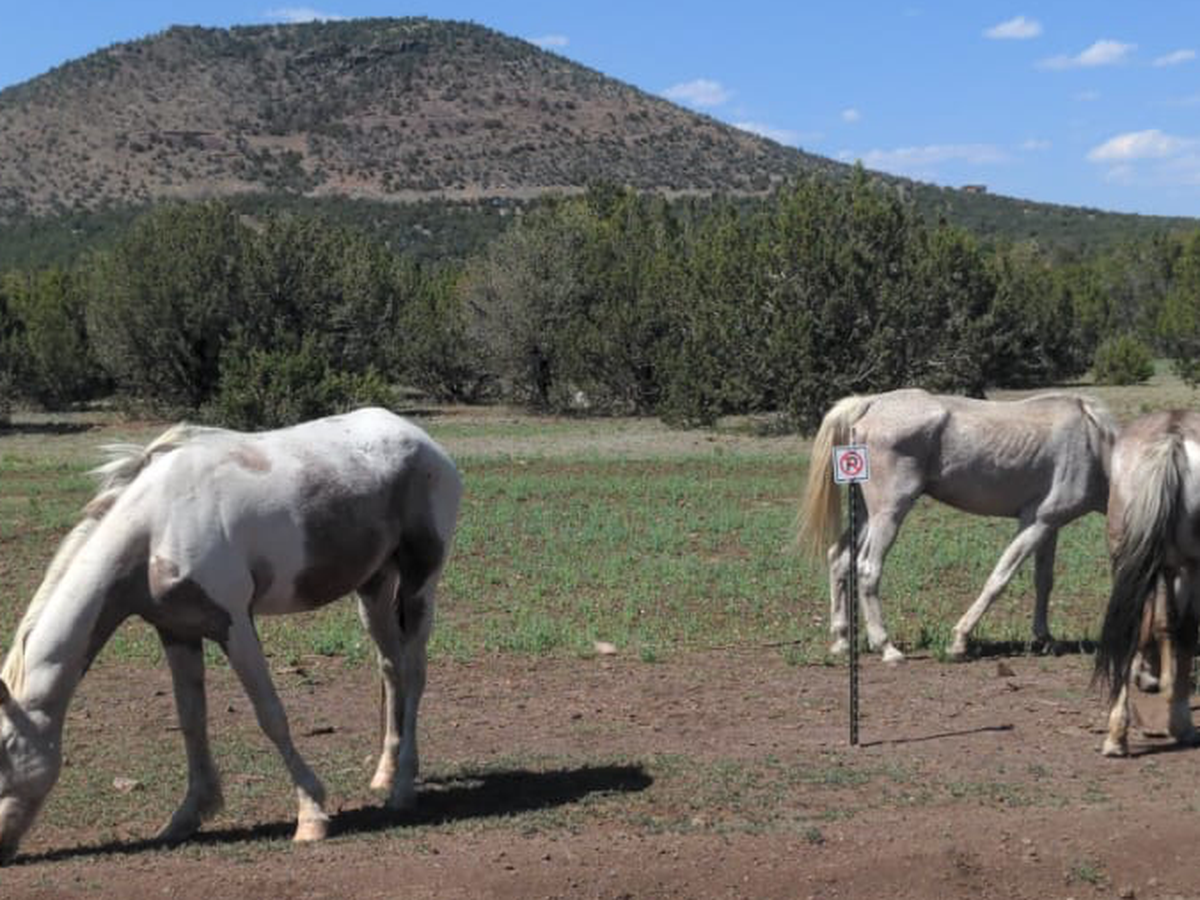
Northern Arizona is a region of remarkable biodiversity, home to a wide array of wildlife including elk, mule deer, coyotes, porcupines, badgers, pronghorns, black bears, mountain lions, feral and barn cats, bobcats and numerous bird species such as hummingbirds, woodpeckers, warblers, and goldfinches. These species have thrived for centuries in the diverse habitats ranging from forests to deserts.
However, human-induced environmental changes have increasingly threatened these ecosystems. Urban development, deforestation, and climate change have led to prolonged droughts and more frequent wildfires, disrupting the natural balance and endangering wildlife.
Already in Arizona, State and Federal agencies have burned down huge swaths of land that animals rely on for food and water and plan on burning now huge amounts of forests in the same area in the near future.
The Urgent Need for Sustainable Water Sources
Water is the lifeblood of any ecosystem. In Northern Arizona, the scarcity of water due to extended droughts has led to the drying up of natural springs and water holes, leaving wildlife with limited options for hydration. In 2018, nearly 200 free-roaming horses were found dead near a dried-up pond on Navajo land, a tragic testament to the severity of the situation.
Bird populations have also been severely affected. A 2025 conservation report revealed a significant decline in Arizona’s desert bird populations, including iconic species like the cactus wren, primarily due to habitat loss from drought and wildfires.
Honoring Gonzo: A Personal Mission
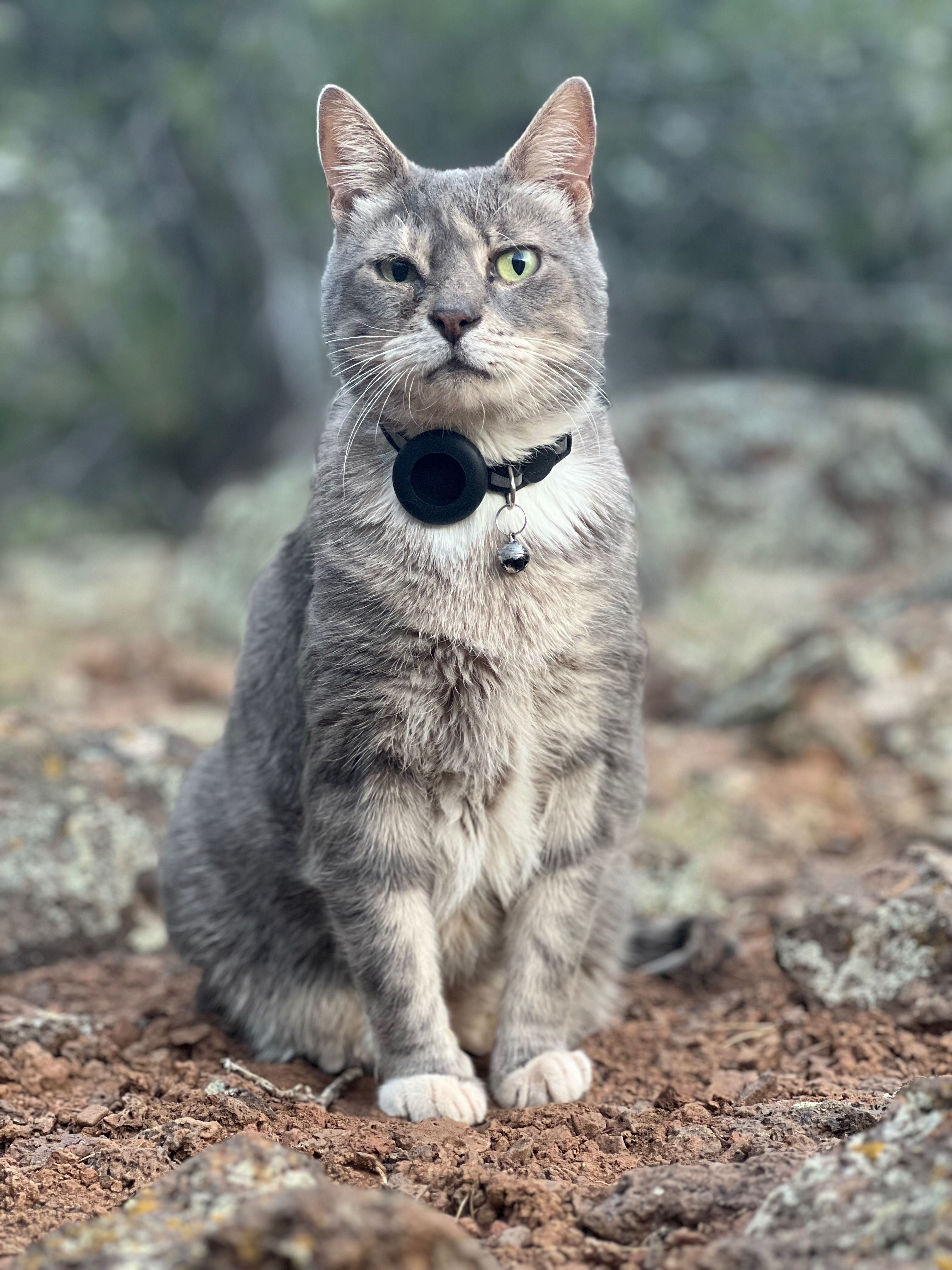
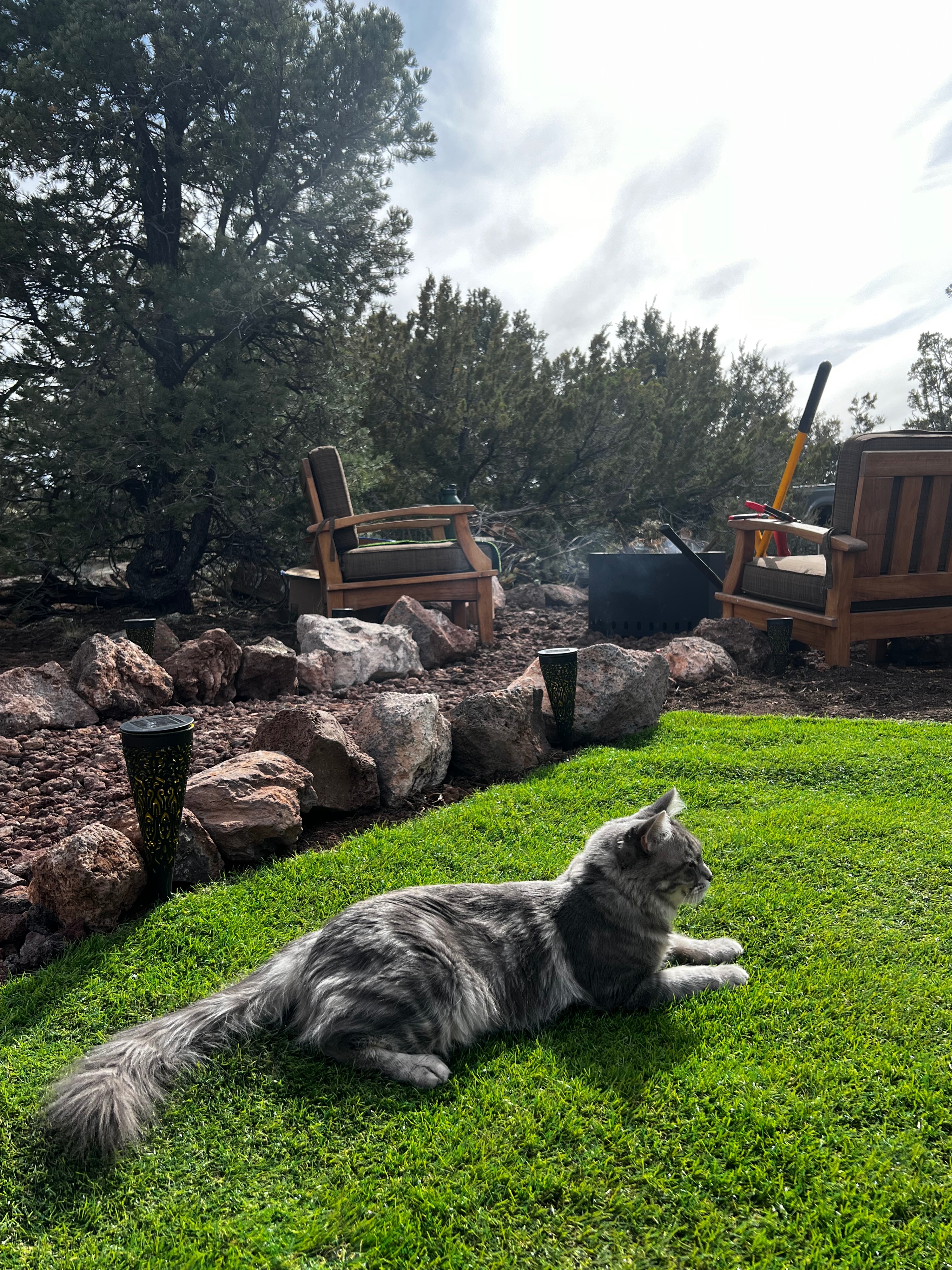
Last year, I was taking care of my close friend’s cat, Gonzo, for many months and bonded with him on our daily walks across the property. One day he disappeared and all I found was his collar, about 100 feet from the road. His loss was profound, not only because I had bonded with the little guy but I had lost my friend’s closest confidant. It’s left the entire area feeling depressing and empty and I need to turn that energy into something, or get rid of the property. So my goal is to take that loss and create a sanctuary that not only honors his memory but also provides a lifeline to the countless wild animals struggling to survive. And perhaps in that process local pets will also be safer from the elements and desperate predators, too.
Project Overview: Gonzo’s Wildlife Watering Hole
Immediate Goals:
• Construct a Sustainable Watering Hole: Develop a reliable and eco-friendly water source on my property to provide year-round hydration for local wildlife.
• Provide Consistent Food Supplies: Ensure a steady provision of appropriate food to support the dietary needs of various species.
Long-Term Aspirations:
• Expand the Sanctuary: Create a second pond connected by a man-made stream, enhancing the habitat and supporting a broader range of wildlife.
• Establish a Cat Rescue Haven: Develop a fenced area dedicated to rescuing and rehabilitating feral and abandoned cats, in honor of Gonzo.
Bringing the Sanctuary to You: Live Streaming the Impact
To foster transparency and community engagement, the entire property will be equipped with video cameras, including a live stream focused on the pond area. This setup will allow donors and wildlife enthusiasts to observe the sanctuary in real-time, witnessing the direct impact of their contributions.
Implementing a live stream involves selecting appropriate outdoor cameras capable of continuous streaming, ensuring a stable internet connection, and integrating the feed with platforms like YouTube or Twitch. This approach not only provides transparency but also serves as an educational tool, raising awareness about local wildlife and conservation efforts.
Budget Breakdown
• Initial Construction: $5,000 - $10,000 for pond excavation, lining, and infrastructure.
• Monthly Maintenance: $500 - $1,000 for water replenishment, food supplies, and general upkeep.
• Live Stream Setup: $1,000 - $2,000 for purchasing and installing cameras, ensuring reliable internet connectivity, and integrating streaming services.
Visit and Experience the Sanctuary
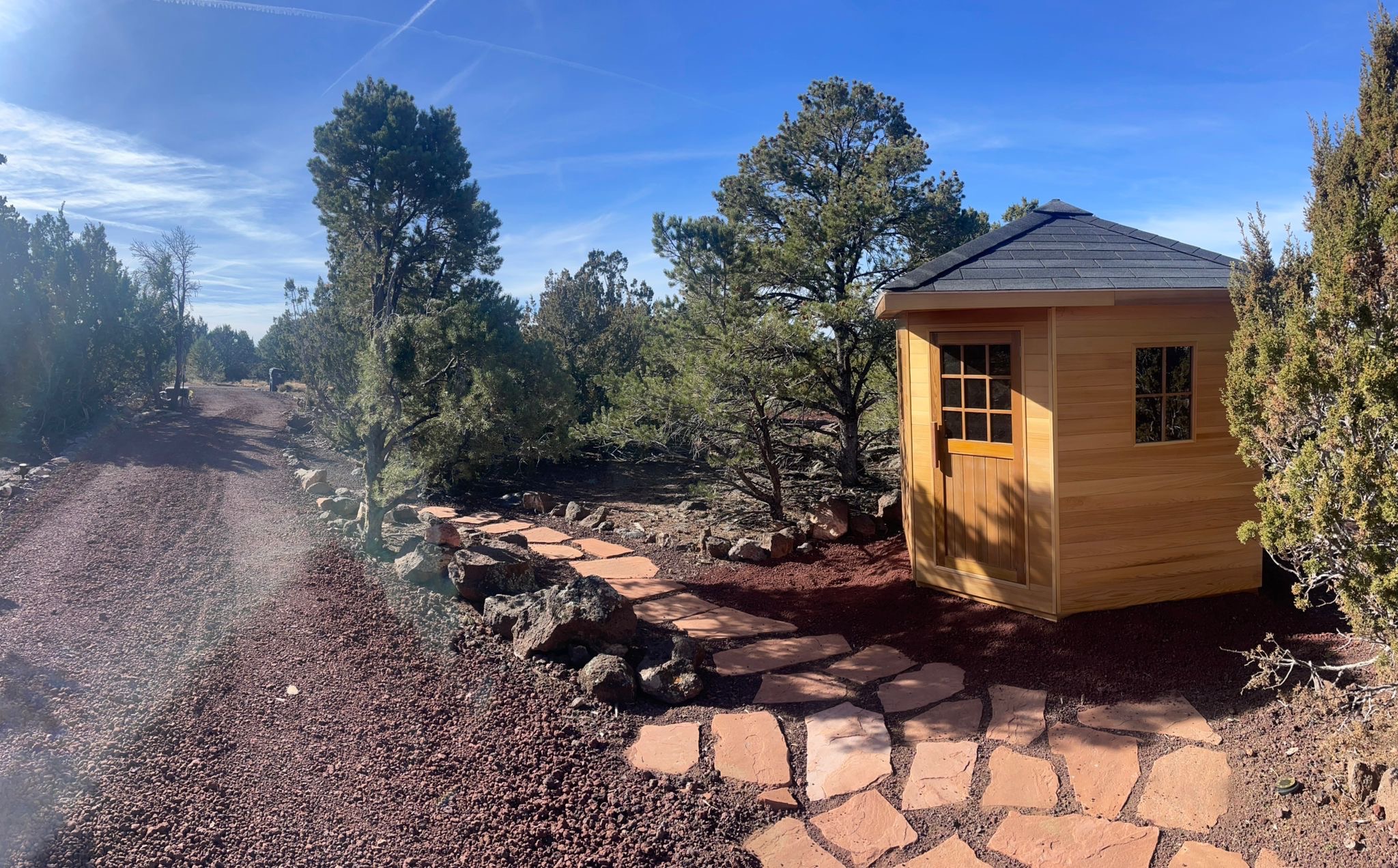
The property hosting Gonzo’s Wildlife Watering Hole is also an active Airbnb, offering guests a unique opportunity to stay amidst nature and observe the sanctuary firsthand. Located just 45 minutes south of the Grand Canyon, visitors can enjoy the natural beauty of the area while contributing to wildlife conservation efforts.
How You Can Make a Difference
Your support can:
• Provide essential resources for wildlife survival.
• Help restore and preserve natural habitats.
• Honor the memory of Gonzo by offering a safe haven for other animals.
• Enable real-time observation and engagement through live streaming.
Every contribution, no matter the size, brings us closer to creating a sanctuary that embodies compassion and coexistence.
Stay Connected
Regular updates, including photos and stories of the sanctuary’s progress and the animals it supports, will be shared to keep you connected to the impact of your generosity. The live stream will offer a continuous window into the daily life of the sanctuary, allowing you to witness the positive changes your support brings.
Share Our Mission: Help us reach more supporters by sharing this campaign within your network.
Together, we can make a meaningful difference in sustaining Northern Arizona’s wildlife and honoring the memory of a beloved companion.
Project Overview:
We own a 1-acre parcel just north of Williams, AZ (45 min from the Grand Canyon) surrounded by public lands (20 miles of State and 20 of Federal land) and teeming with wildlife (deer, elk, bear, javelina, mountain lion, bobcats, birds, etc.). The region is arid and suffering a historic drought . Coconino National Forest (nearby) contains >500 vertebrate species (over 560 total plants/animals ) – our site provides critical habitat connectivity for many of them.
As summer drought intensifies, natural water sources vanish and animals congregate at any remaining water. This campaign funds construction of a year-round, solar-powered 1,000-gallon wildlife pond (with filtration) on our land, leveraging our existing water-delivery infrastructure.
The pond will provide safe drinking water and habitat year-round, improving survival for hundreds of animals in this high-biodiversity area.
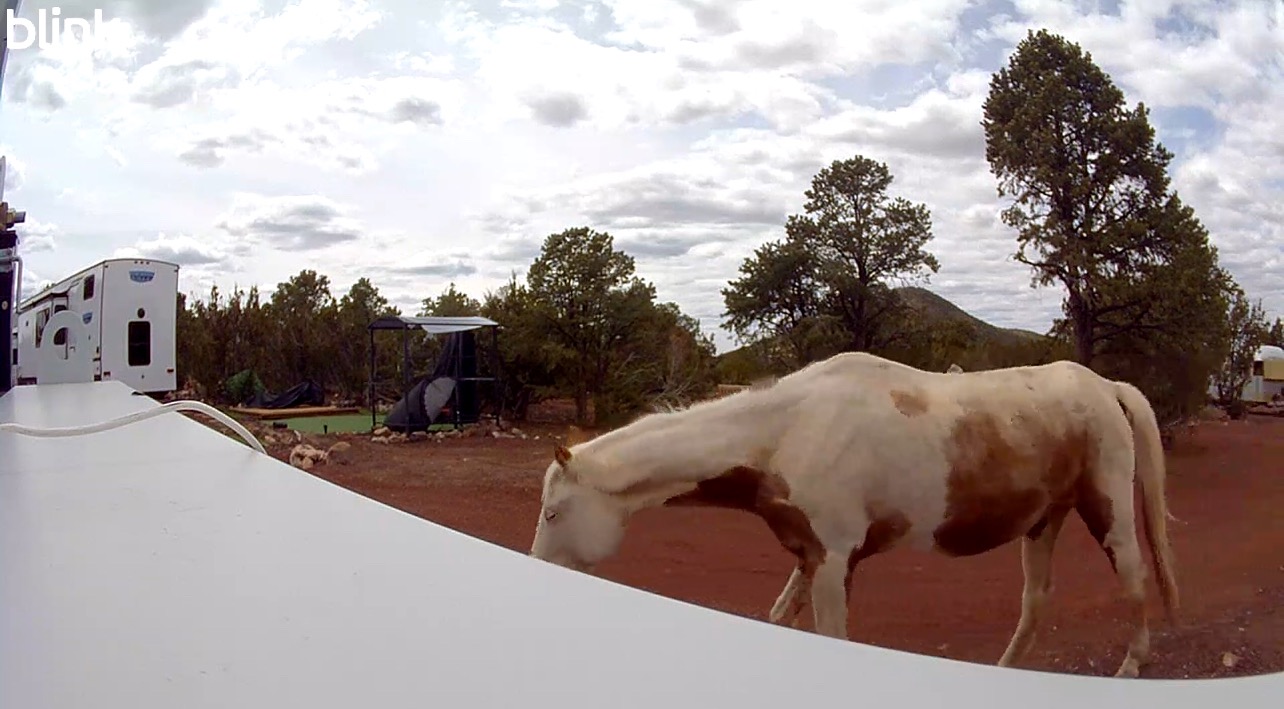
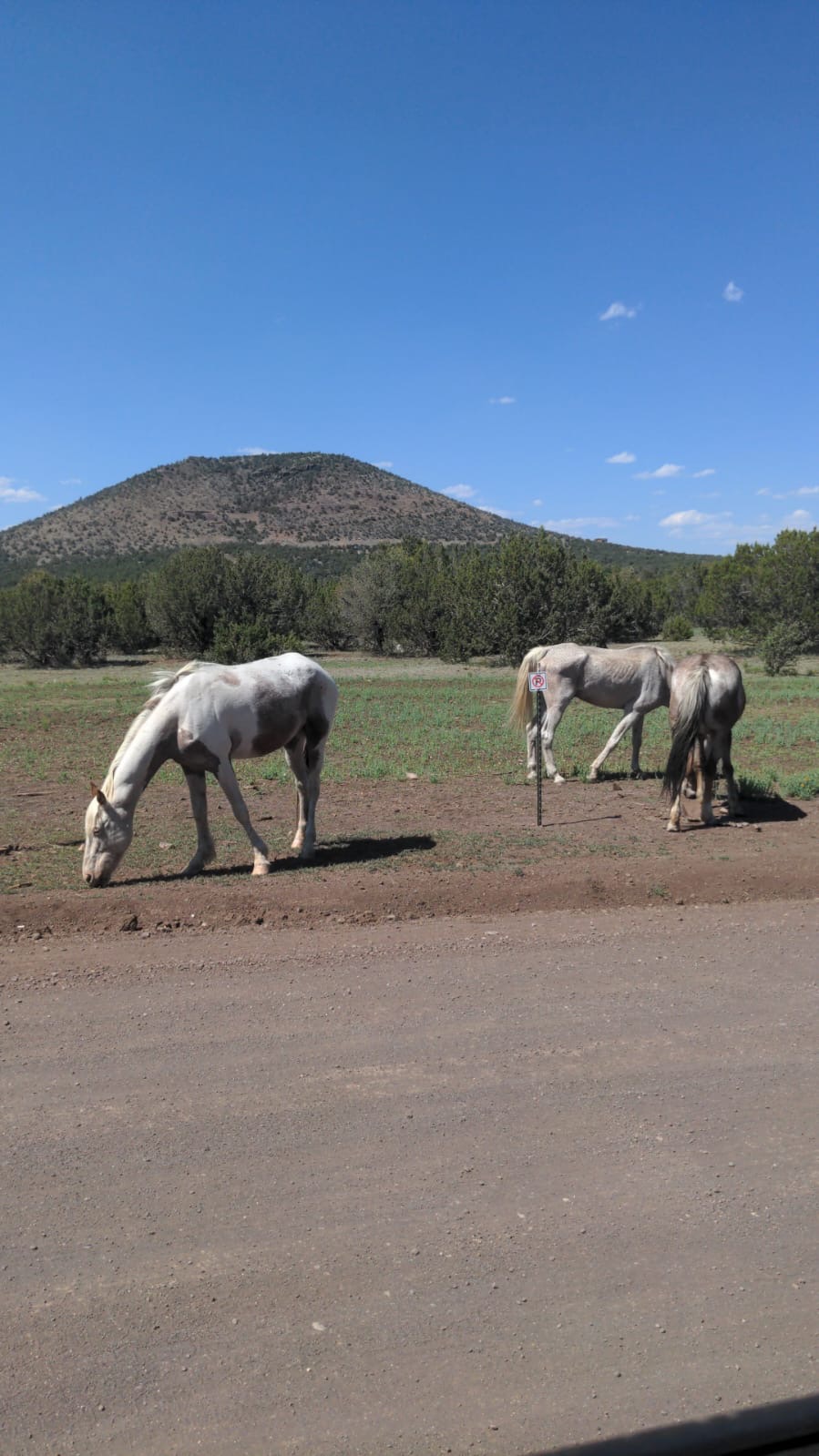
Animals in desert environments depend on scarce water sources. This pond will supply consistent water for deer, elk, javelina, birds and other wildlife facing severe drought and heat.
Drought & Wildlife Under Threat: Arizona is in an extreme long-term drought. In fact, the past five years are among the driest on record (4th driest 5-year period ever recorded for Arizona ). Much of the state – and especially urban and lowland areas – are in “Extreme” to “Exceptional” drought, and Coconino County has seen longer dry seasons and earlier snowmelt. Drought shrinks habitat by killing grasses and shrubs, so animals both starve and dehydrate. One biologist reported 75% mortality in an antelope (mule deer) herd in one dry year, with similarly catastrophic losses for elk and even normally hardy javelina and quail . The longer drought drags on, the more wildlife struggle: the Arizona Game & Fish Dept. notes that fewer water sources force animals into safer areas and increase disease and predator risk.
In essence, without intervention, we expect significant dehydration deaths among local wildlife in our region.
Why a Pond? Groundwater is unusable here – nearby Flagstaff-area wells must be drilled ~1,200–1,500 feet deep to reach the Coconino aquifer .
Trucking water in is possible but prohibitively expensive: Arizona Game & Fish maintains ~3,000 wildlife catchments statewide and spends over $1 million per year hauling water (using trucks and even helicopters) to fill them . (A single helicopter water drop can cost $10,000)
For example, on the U.S. Army’s Yuma Proving Ground, 25 remote drinking tanks support pronghorn, bighorn sheep, coyotes, quail, etc. . In rare rains they capture ~10,000 gal, but in a recent dry year the agency still had to haul 200,000 gallons by truck/helicopter just to keep those waters running .
Our pond will eliminate or sharply cut future hauling at our site. Once built, the pond’s water will be recirculated by solar power instead of relying on constant deliveries.
Project Plan and Benefits
• Pond construction: We will excavate and line a 1,000-gallon basin (roughly 15×15×4 ft deep) using heavy-duty pond liner. This provides a stable, leak-proof waterhole. A solar-powered pump and filter will circulate water continuously to keep it clean, oxygenated and appealing to wildlife.
The pump will draw from the bottom and push water through a biological/mechanical filter unit (similar to Aquascape’s 1,000-gal BioFalls™ filter ), then return filtered water to the pond – preventing stagnation and algal blooms. The filter uses “BioBalls” or mats to host beneficial bacteria and trap debris, ensuring healthy water for animals.
• Solar power: A small solar array (e.g. two 100W panels) will power the pump daylight hours. For example, a 900–1,000 GPH DC submersible pump kit (with ~70W of panels) costs around $400 and can circulate our pond several times per day. The pumps have dry-run shutoff for safety. (Optional battery backup can be added to pump for occasional nights.)
All equipment will be commercial-grade to survive outdoor exposure. By operating off-grid solar, the system has zero electricity cost and minimal maintenance (just occasional cleaning/filter mat replacement).
• Wildlife impact: Once filled and running, the pond will provide a reliable water source for all local fauna. Mule deer and elk will sip and cool off; javelina, coyotes, bobcats and mountain lions will use it nightly; dozens of bird species (quail, doves, woodpeckers, raptors, migratory songbirds) will drink and bathe. Amphibians and reptiles (turtles, lizards, snakes) may colonize it as well. Studies show desert stock tanks dramatically boost wildlife survival: for example, Arizona catchment programs have measurably stabilized deer and sheep populations . Our project is effectively a small-scale wildlife water development, proven to increase animal range use and breeding success. And unlike an ephemeral rain puddle, our pond will last year-round, even in midsummer heat and multi-year drought, giving animals a fighting chance.
Transparency and community: We commit to full transparency.
We will mount a Wi-Fi/webcam at the pond so donors can watch wildlife arrivals live and see the system working. We will post regular updates (with photos/videos) on construction progress and wildlife use. Our on-site Airbnb (guest lodging) is ~45 min from the Grand Canyon; donors and visitors can stay and see the pond in person. (In fact, wildlife cameras may capture guests’ arrival as an added perk!) We encourage supporters to visit once built, turning this into an eco-tourism wildlife viewing site.
• Long-term expansion (“Watering Hole Kits”): Beyond this one pond, we plan to package a “Wildlife Watering Hole Kit” – including liner, pump, filter, panels and setup instructions – that we will share with other Arizona landowners, ranches, or communities who pledge to maintain it. Donors can sponsor these kits (we’ll deliver/install on volunteer lands) so more ponds pop up across the Southwest. This creates a network of tiny habitats multiplying our impact.
Organizer