- r
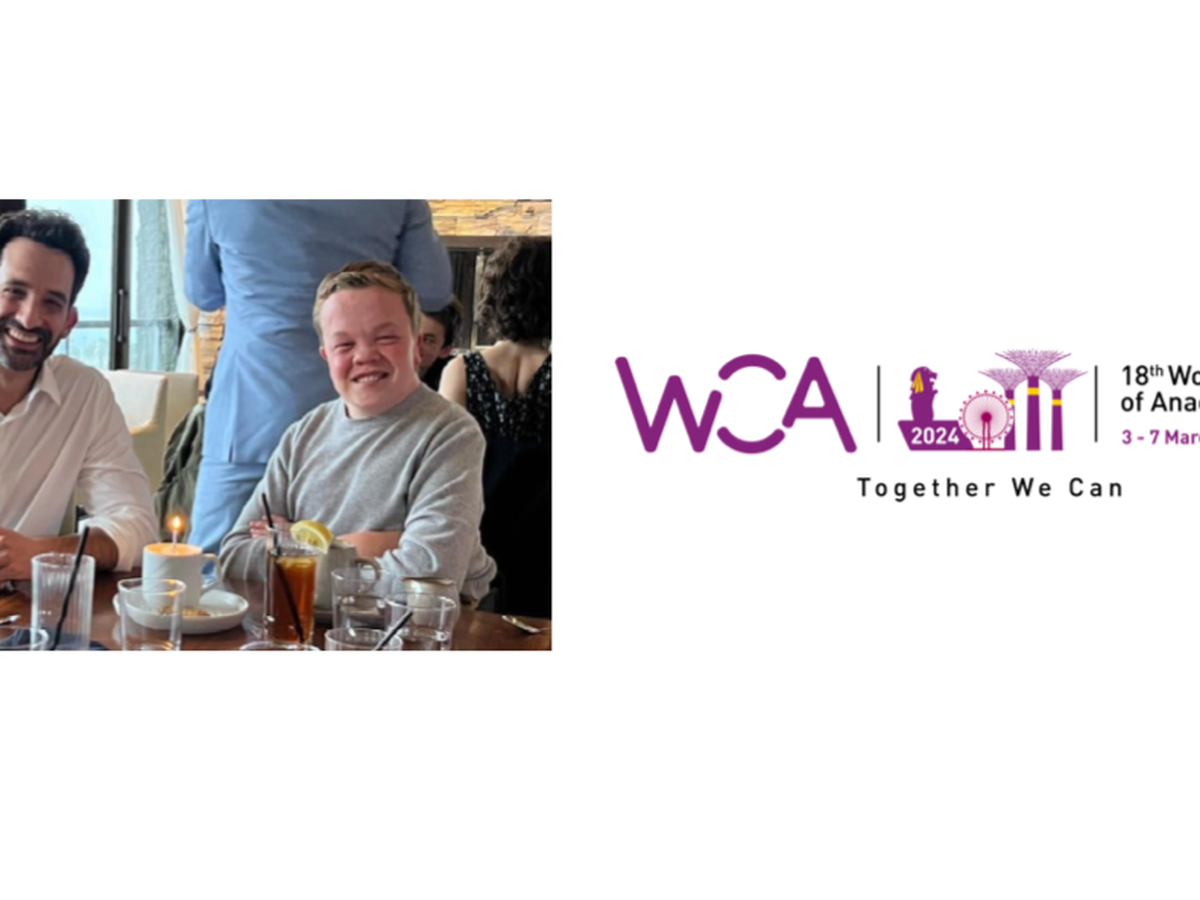
Presentation at the World Congress of Anesthesia
0% complete
$1,600 raised of $5K
8 donations
Hello all,
Over the course of the past year, I completed my Masters in Global Health at the University of California, San Diego while completing prerequisites for medical school. It was a privilege to have this opportunity, and there were many things that I learned and opportunities that I had that were valuable in preparation for medical school and eventually, a career in medicine.
One particularly impactful experience came through collaboration with a colleague, Daniel Hayek, from my Masters cohort, and a professor in our program, Dr. Reema Sanghvi, a professor of Anesthesiology in the UC San Diego School of Medicine. Dr. Sanghvi works closely with a number of clinics in underserved areas internationally in an effort to enhance anesthesia and surgical care through teaching and collaboration. Through her work with the Foundation for African Medical Education clinic in rural Tanzania, a pressing issue in these areas was brought to her attention: a lack of ability to neutralize isoflurane, the gas that is used for anesthesia. Here in the United States, hospitals supply disposable activated charcoal filters that are used for this purpose. Due to expense and supply chain issues, these are not a feasible solution in Tanzania.
Dr. Sanghvi approached me to see whether I could collaborate on developing a cost-effective reusable activated charcoal container for use in adsorption (neutralization) of anesthesia gas in cases such as rural Tanzania. Working in a team with Dr. Sanghvi, and Daniel, we were able to develop a container that was cost-effective, reusable, and met other needed criteria.
The container was taken by Dr. Sanghvi to the clinic in rural Tanzania for testing in patients. The results of the testing showed a significantly decreased wake-up time following surgery with use of the activated charcoal container, when compared to surgeries in which the container was not used. With the results of this testing, and the ability of this tool to improve surgical care and outcomes in resource-limited settings, we chose to analyze the results for an abstract, which was then submitted to the 2024 World Congress of Anesthesia, which will take place in Singapore from March 3rd to 7th. Last week, we were notified of the abstract’s acceptance for presentation at the Congress.
In order to showcase the results and potential applications of this tool in additional resource-limited settings, Daniel and I are planning to travel to Singapore for the presentation of the abstract. It is an honor to have this opportunity, and we are looking forward to sharing our findings with the larger anesthesia community as well as learning from others’ presentations at the conference. Unfortunately, travel to Singapore entails a sizable financial commitment. Since we have graduated from UC San Diego, we are no longer eligible for research-based travel support through the university. Due to this, we humbly ask for your financial support to defray the costs of engaging in this opportunity, in whatever amount you feel compelled to give at this time. Funds will be used to subsidize the costs of airfare, accommodation and conference registration fees associated with the Congress. If you are not able to provide financial support at this time, we thank you for taking the time to read this, and invite you to follow along as I provide updates from Singapore in March.
Thank you again for your time and support.
Sincerely,
Andrew and Daniel