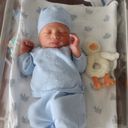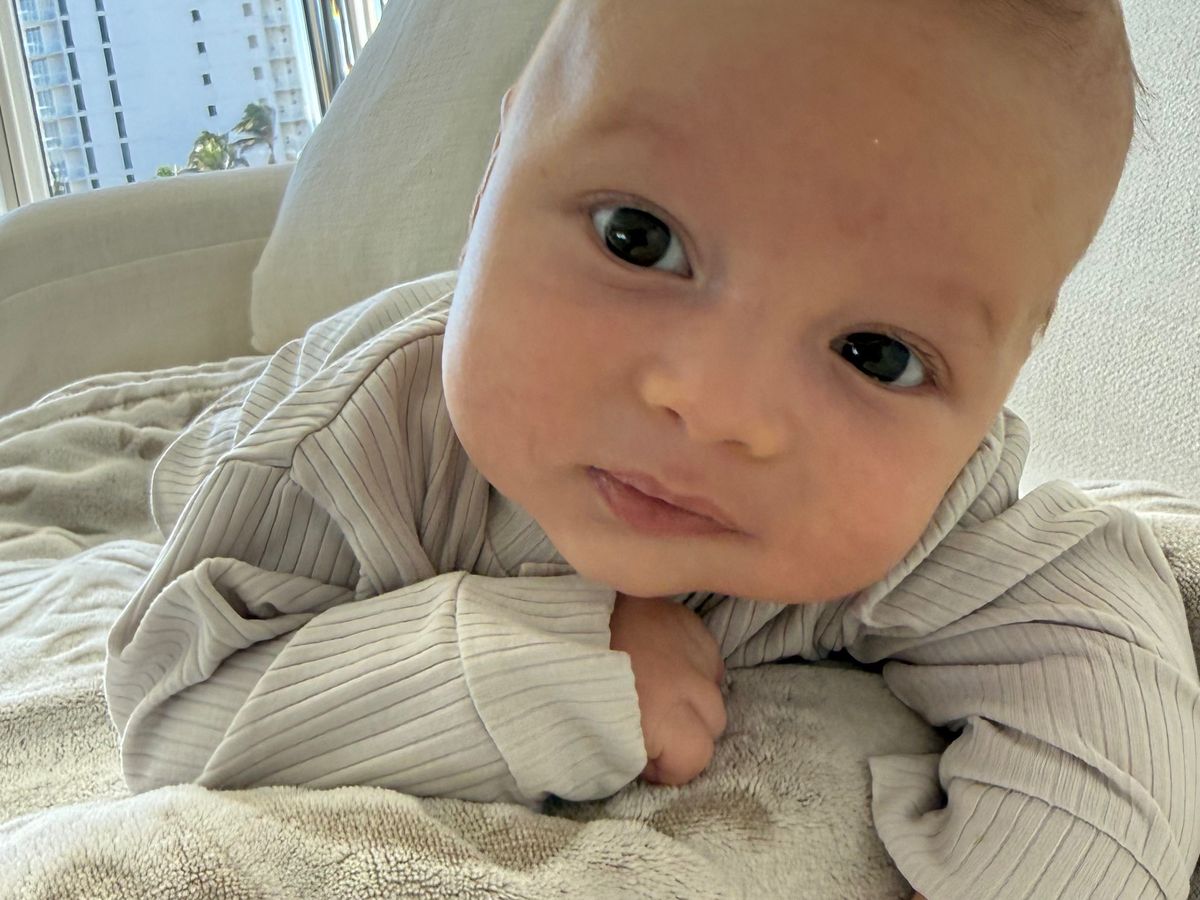
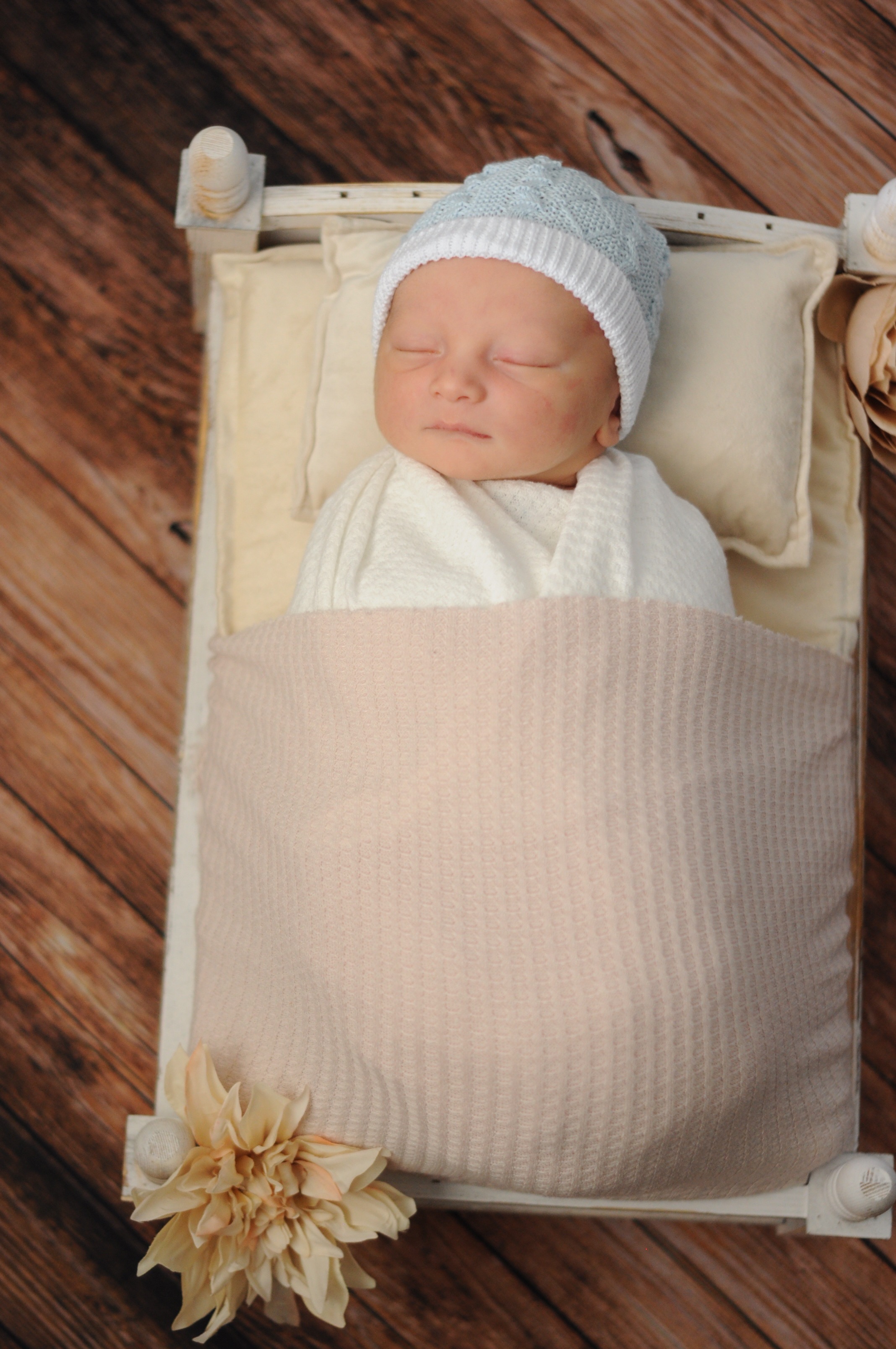
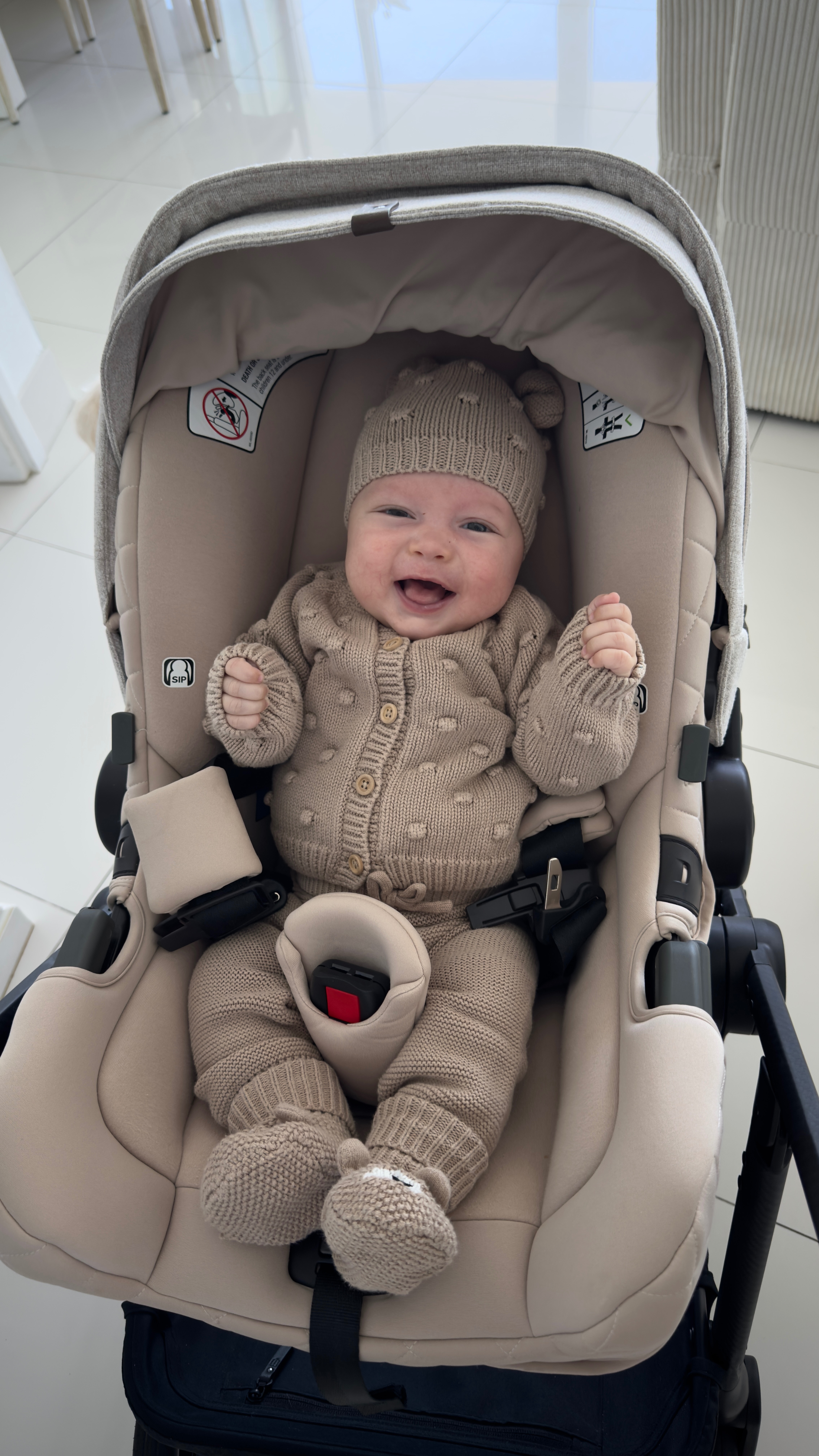
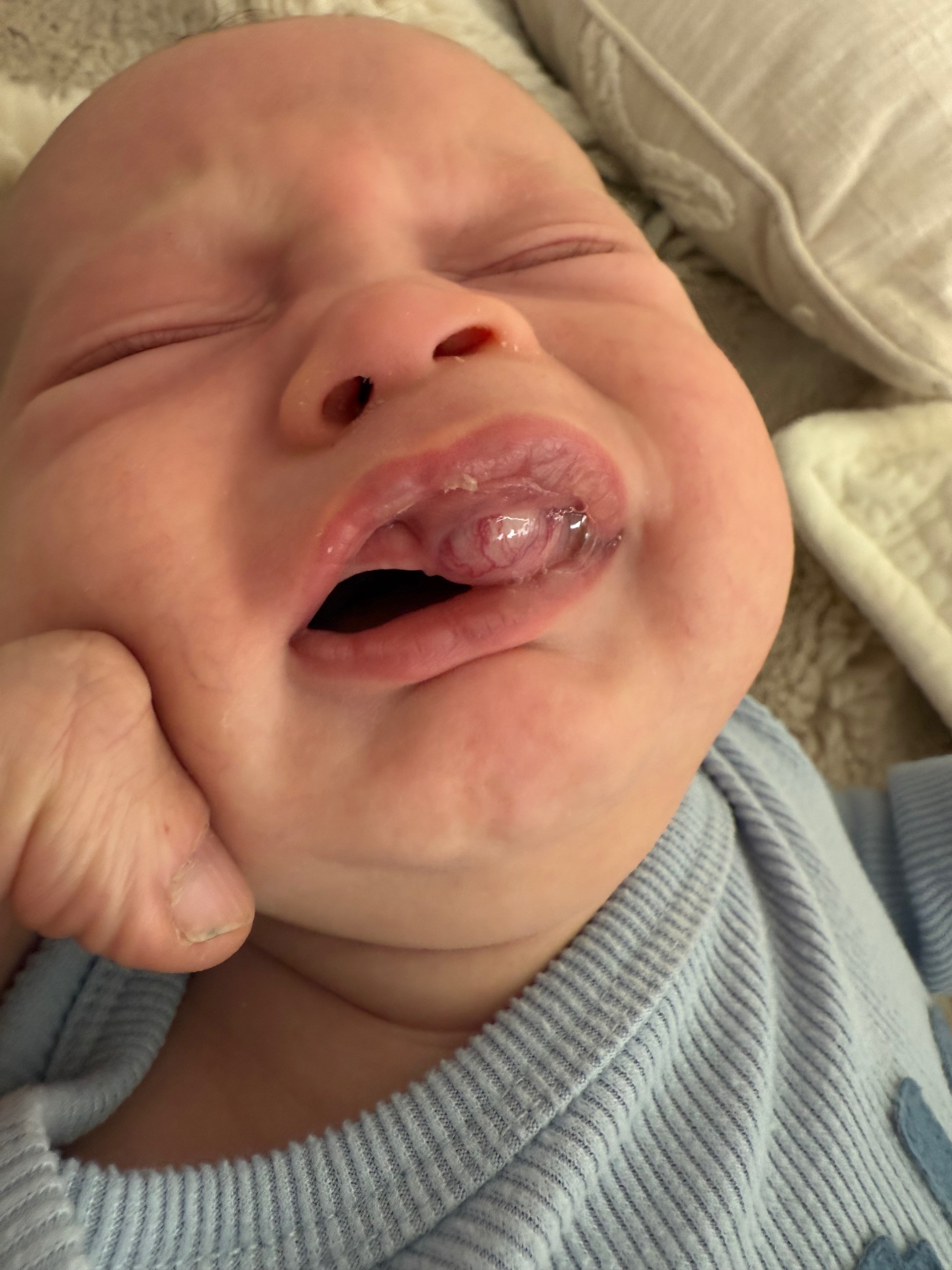
Two months after Theodore was born, we noticed what looked like a small cyst on his upper jaw. Within weeks, it began growing rapidly.
What we eventually learned was that he had developed Melanotic Neuroectodermal Tumor of Infancy, an extremely rare and aggressive tumor that most doctors will never see in their careers.
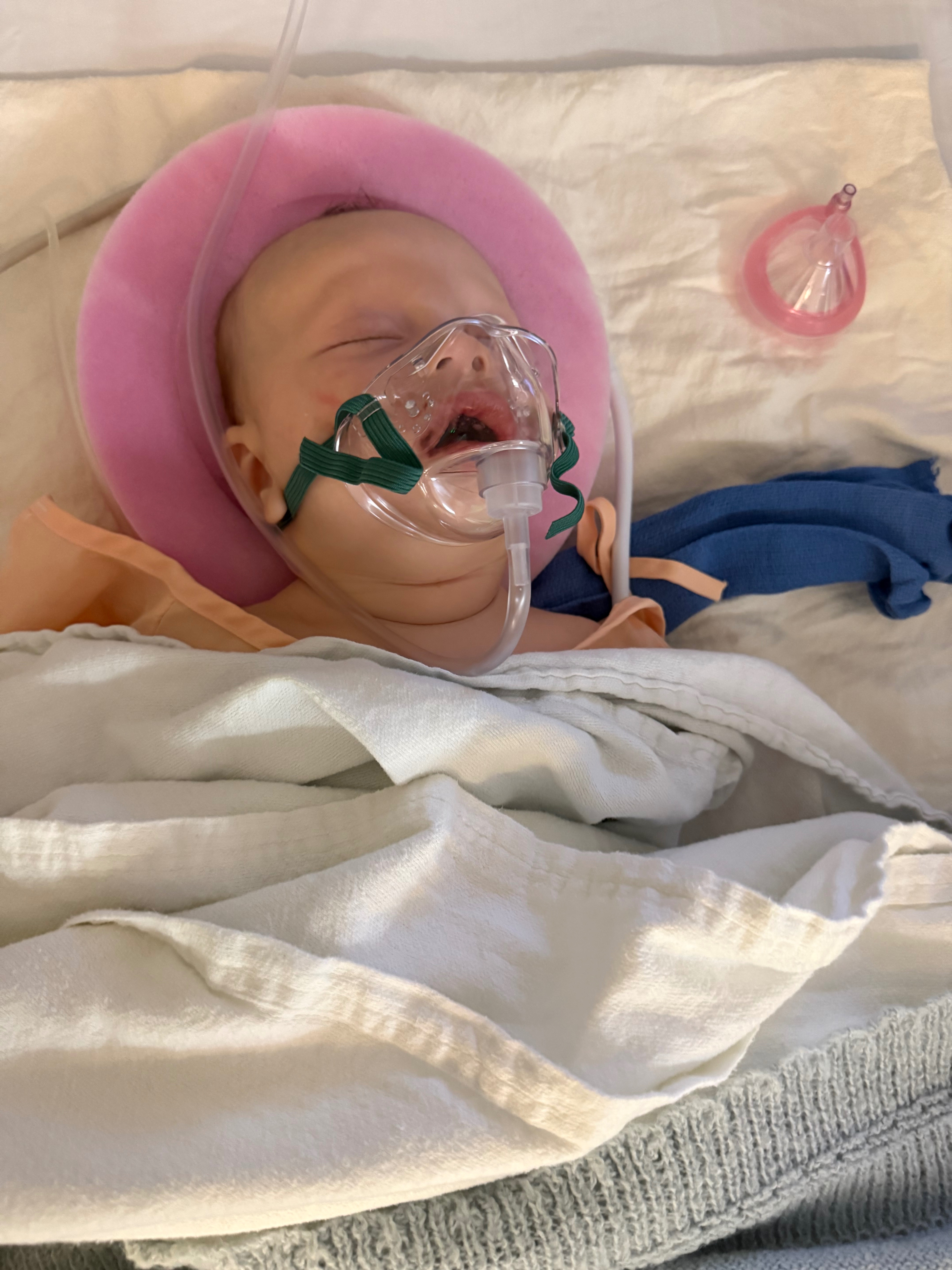
By the time it was properly diagnosed, it had already destroyed part of his upper jaw and cranial bone. It began affecting his ability to breathe and eat. What started small became life threatening.
Because of how rare and complex his case is, we were sent from specialist to specialist while the tumor continued to grow. We were searching for answers while watching it change his little face. At one point, surgery was delayed due to insurance complications.
Ultimately, it required a team of specialists to remove Theodore’s tumor. Because of how rare MNTI is, multiple surgeons with decades of experience had never personally treated a case like his and had only read about it in textbooks. His case is now being formally studied because of the size and severity of the tumor.
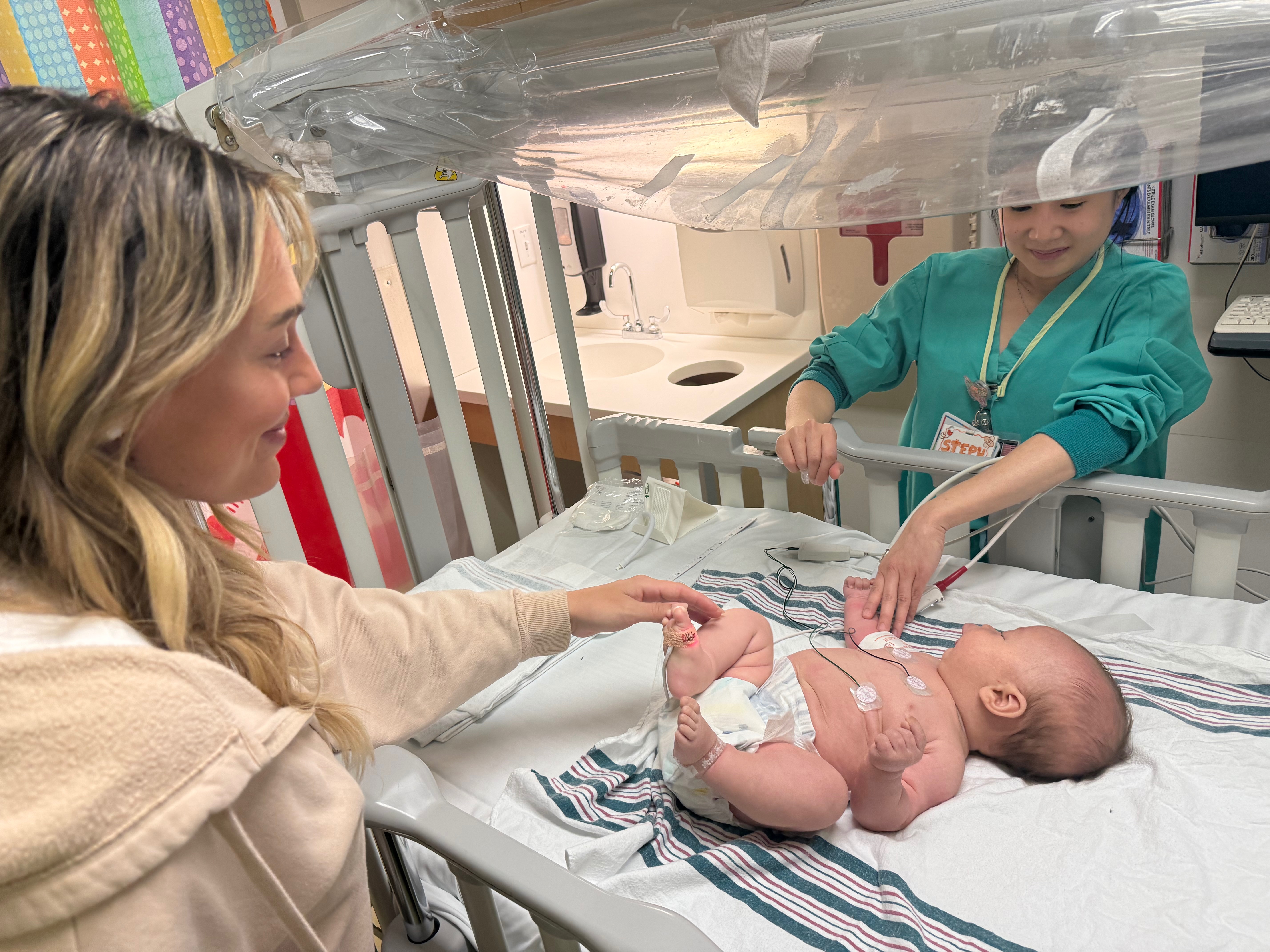
The surgery was extensive. Based on the first of three pathology reports, there is concern that margins may remain, which could require additional procedures and careful monitoring for several years to come. Even if the tumor is ultimately confirmed to be benign, the damage it caused may mean future interventions as he grows.
Much of his specialized care is out of network due to the rarity of his diagnosis. Insurance coverage has already been complicated and uncertain. A significant portion of his care will be out of pocket. At the same time, one of us has had to step away from work to care for him full time during surgeries and recovery.
We never imagined that a rare diagnosis at two months old would become a multi year medical journey. We thought we were bringing home a healthy baby and learning how to be parents.
But here we are.
As we have begun speaking with craniofacial specialists and families who are years ahead of us on this path, we are learning that cases like Theodore’s can require long term reconstruction and monitoring throughout childhood and even into adolescence.
Because the tumor damaged part of his upper jaw and bone, his face and dental structure will continue developing as he grows, and that may mean bone grafting, jaw support, dental rehabilitation, and continued imaging over time.
While we do not yet know every step of what lies ahead, we do know this is not a short term chapter.
The financial impact of specialized, out of network surgical care, ongoing hospital monitoring, imaging, anesthesia, travel for treatment, and lost income during recovery adds up quickly.
We are trying to prepare for what may be many years of care while still taking this one day at a time.
Our fundraising goal reflects both the extensive surgery he has already undergone and the reality that his care will continue for years as he grows.
If you feel led to support Theodore’s healing and future care, we are deeply grateful. Every contribution helps us focus on what matters most, our son’s health, healing, and long term future.
Organizer