- l
- A
WE URGENTLY NEED YOUR HELP TO PAY FOR EXPERTS TO RESPOND TO UPC's ENVIRONMENTALLY DESTRUCTIVE WIND FARM DEVELOPMENT APPLICATION
We are a local group with wide support working towards protecting Robbins Island and the globally significant inter-tidal wetlands that surround it (including Robbins Passage and Boullanger Bay) from an environmentally destructive industrial scale wind farm proposal.
Whilst our group supports renewable energy, this location is WRONG for so many reasons.
Wind farm projects need to be environmentally sound too.
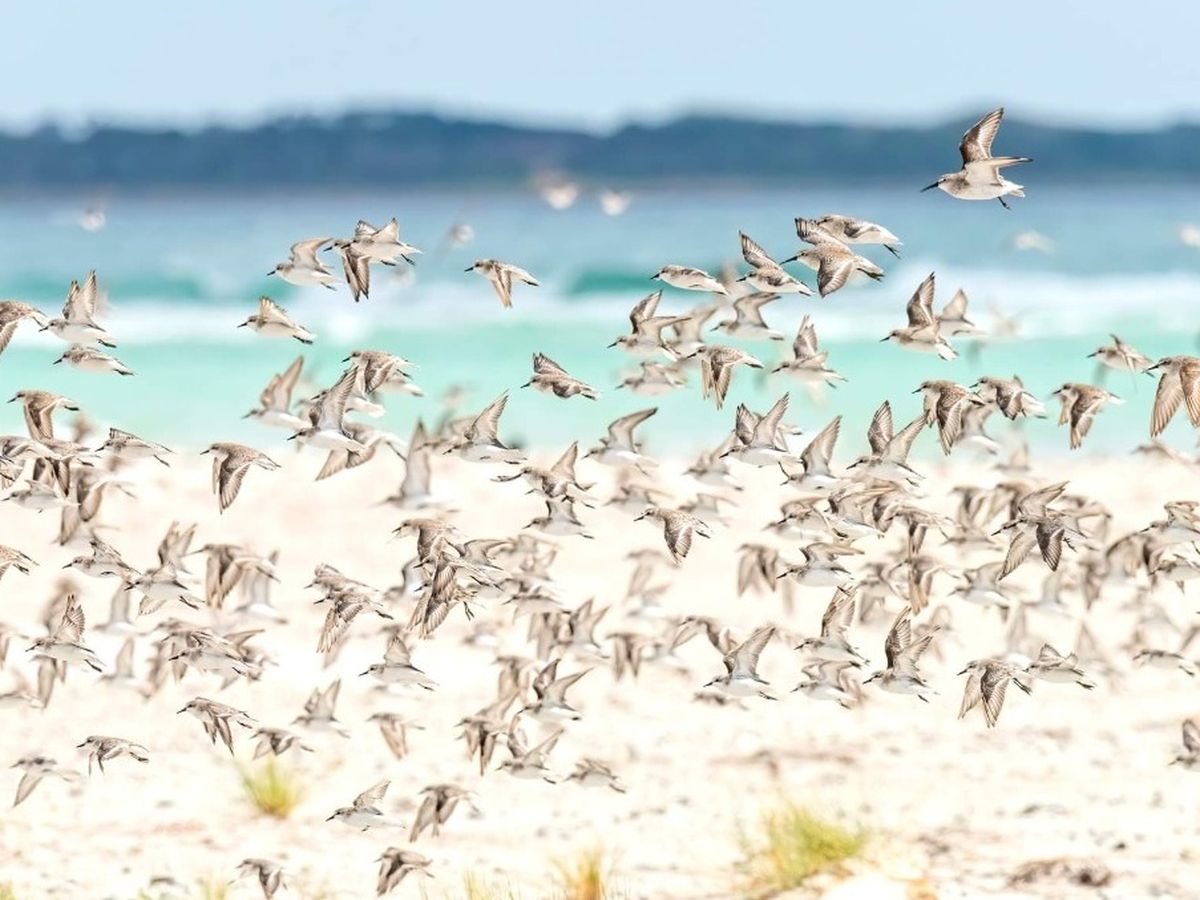
The proposal is to put approximately 120 – 140 gigantic wind turbines (up to 270 metres tall) in the middle of one of Tasmania’s most significant wetlands and saltmarsh areas as well as smack bang in the middle of the southern-most critically important area for 20 species of migratory shorebirds on the globe-spanning East Asian-Australian Flyway. The wetlands are recognised internationally as an 'Important Bird Area’, contributing to the conservation of global biodiversity.
Robbins Island has significant biodiversity and habitat that supports numerous species that are protected under the Environment and Biodiversity Conservation Act 1999 (EPBC Act) including the iconic Tasmanian Devil.
The Tasmanian Devil population on Robbins Island is known to be disease free. Now that almost 80% of Tasmanian Devils have succumbed to the Devil Facial Tumour disease, the healthy population on the island is all the more important.
The development proposal includes digging, disturbing and clearing vast areas of the island through creating gigantic concrete bases for turbines, extensive road networks, large sand and aggregate mines and more. The biggest footprint of the project is to occur on land that has not yet been cleared.
Essentially vast amounts of the island will be put in a giant washing machine, rumbled and spat back out.
The waters around Robbins Island are known to be a nursery for numerous fish species – important to both recreational and commercial fishers. Boullanger Bay and Robbins Passage have the largest seagrass beds in Tasmania. Elsewhere in Australia the immense importance of seagrass beds to the marine environment is recognised and they are protected. A private bridge/causeway is proposed to be built across the dynamic and iconic Robbins Passage.
The Aboriginal Heritage on Robbins Island is significant.
Less than 2 kms off the coast of North West Tasmania and in close proximity to the town of Smithton the proposal will have a massive impact on the visual and lifestyle amenity of Circular Head.
The Montagu area, Robbins Passage, Boullanger Bay and the waters surrounding the island are an integral part of Circular Head life. It has been enjoyed and respected by many generations of Tasmanians.
Now this globally significant area and all its' vital birdlife and wildlife habitat is threatened by an inappropriately sited massive scale development proposal that would destroy it forever.
The development application for the wind farm was released on 15 January 2022 and the public comment period runs until 28 February 2022, a very short period for such a complex project to be assessed by private citizens.
WE NEED YOUR HELP IN RAISING FUNDS TO EMPLOY RELEVANT EXPERTS TO RESPOND TO THE DEVELOPMENT APPLICATION BEFORE IT'S TOO LATE .
Thanking you in advance for your support.
For more information, visit our Facebook page https://www.facebook.com/groups/1200968830237916/?ref=share
We are a local group with wide support working towards protecting Robbins Island and the globally significant inter-tidal wetlands that surround it (including Robbins Passage and Boullanger Bay) from an environmentally destructive industrial scale wind farm proposal.
Whilst our group supports renewable energy, this location is WRONG for so many reasons.
Wind farm projects need to be environmentally sound too.
The proposal is to put approximately 120 – 140 gigantic wind turbines (up to 270 metres tall) in the middle of one of Tasmania’s most significant wetlands and saltmarsh areas as well as smack bang in the middle of the southern-most critically important area for 20 species of migratory shorebirds on the globe-spanning East Asian-Australian Flyway. The wetlands are recognised internationally as an 'Important Bird Area’, contributing to the conservation of global biodiversity.
Robbins Island has significant biodiversity and habitat that supports numerous species that are protected under the Environment and Biodiversity Conservation Act 1999 (EPBC Act) including the iconic Tasmanian Devil.
The Tasmanian Devil population on Robbins Island is known to be disease free. Now that almost 80% of Tasmanian Devils have succumbed to the Devil Facial Tumour disease, the healthy population on the island is all the more important.
The development proposal includes digging, disturbing and clearing vast areas of the island through creating gigantic concrete bases for turbines, extensive road networks, large sand and aggregate mines and more. The biggest footprint of the project is to occur on land that has not yet been cleared.
Essentially vast amounts of the island will be put in a giant washing machine, rumbled and spat back out.
The waters around Robbins Island are known to be a nursery for numerous fish species – important to both recreational and commercial fishers. Boullanger Bay and Robbins Passage have the largest seagrass beds in Tasmania. Elsewhere in Australia the immense importance of seagrass beds to the marine environment is recognised and they are protected. A private bridge/causeway is proposed to be built across the dynamic and iconic Robbins Passage.
The Aboriginal Heritage on Robbins Island is significant.
Less than 2 kms off the coast of North West Tasmania and in close proximity to the town of Smithton the proposal will have a massive impact on the visual and lifestyle amenity of Circular Head.
The Montagu area, Robbins Passage, Boullanger Bay and the waters surrounding the island are an integral part of Circular Head life. It has been enjoyed and respected by many generations of Tasmanians.
Now this globally significant area and all its' vital birdlife and wildlife habitat is threatened by an inappropriately sited massive scale development proposal that would destroy it forever.
The development application for the wind farm was released on 15 January 2022 and the public comment period runs until 28 February 2022, a very short period for such a complex project to be assessed by private citizens.
WE NEED YOUR HELP IN RAISING FUNDS TO EMPLOY RELEVANT EXPERTS TO RESPOND TO THE DEVELOPMENT APPLICATION BEFORE IT'S TOO LATE .
Thanking you in advance for your support.
For more information, visit our Facebook page https://www.facebook.com/groups/1200968830237916/?ref=share
Organizer and beneficiary
Donald Hay
Beneficiary