- M
- N
- L
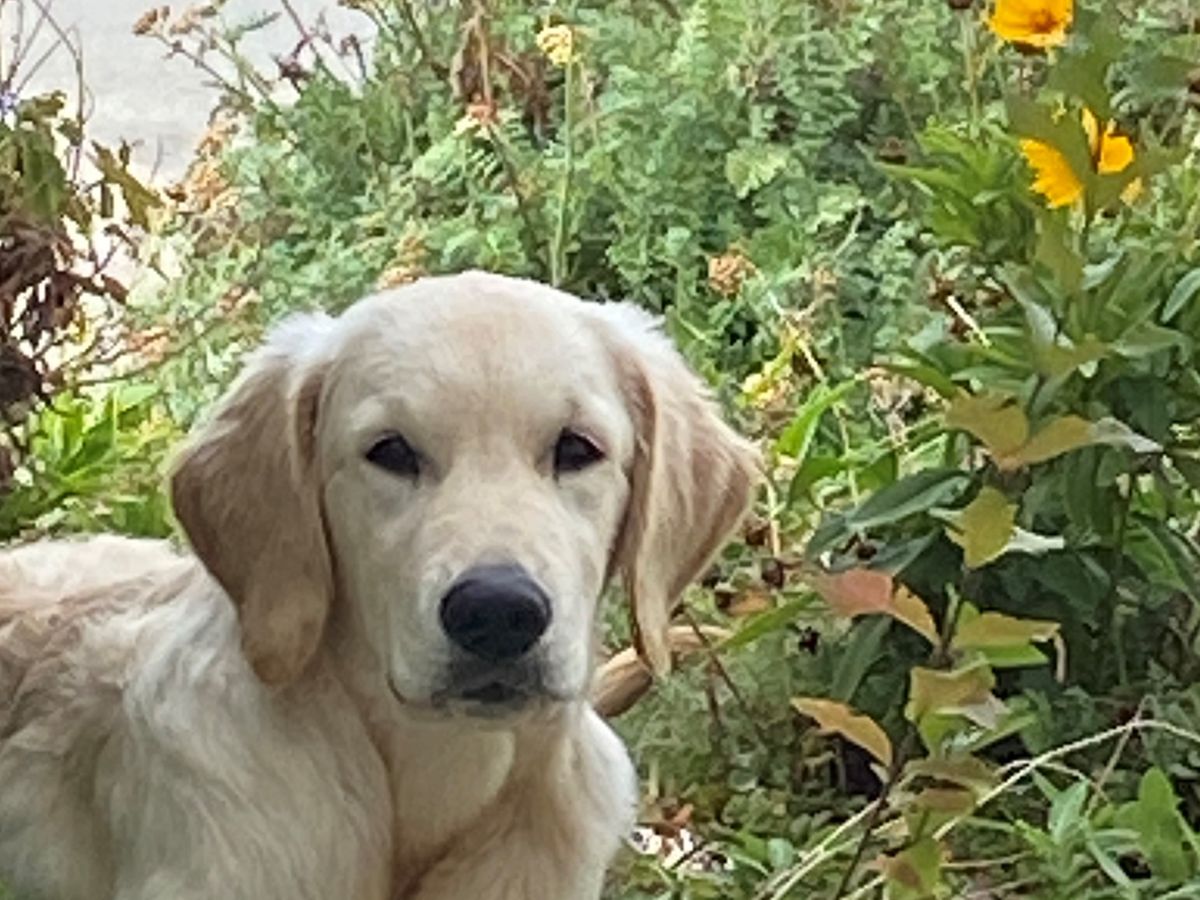
Hi, my name is Shari and my puppy's name is Jake. Jake is 8 months old, and I rescued him when he was 4.5 months old. Jake lived in very poor conditions during that time, he was not allowed in the house, rather, he had to sleep on the cement ground and was not given the appropriate amount of food for a puppy. He was thin and could barely walk (from his sleeping conditions) when I picked him up on October 21, 2022. Jake has a congenital heart condition known as “Patent Ductus Arteriosus (PDA) – a severe left atrial enlargement and severe left ventricular dilation with secondary congestive heart failure – left to right continuous shunting flow.” I took Jake to West Vet in Garden City, Idaho to see Dr. Anna Sirochman, the veterinarian cardiologist. She was very thorough in her assessment, and I wanted to share:
“Based on today's studies, Jake has a patent ductus arteriosus (PDA). A PDA is an inherited birth defect of the vessels of the heart. It is the most common birth defect in the heart of dogs and occurs in approximately 0.2% of the canine population. The ductus arteriosus is a vessel that connects the fetal aorta and the pulmonary artery in utero and allows blood to bypass the un-inflated, developing lungs. Normally, once an animal is born and begins to breathe on its own, the changes in pressure and rise in oxygen tension cause this vessel to naturally collapse and close. The word "patent" means "open" and indicates an abnormal condition where this vessel persists after birth. In the classic PDA presentation, oxygenated blood from the aorta (which should go out to the body) flows through the open PDA into the pulmonary circulation and returns to the lungs. This movement of blood is called shunting. In classic PDAs blood shunts in a left to right direction. Each time the heart tries to pump oxygenated blood out to the body a portion of it is shunted across the PDA and lost, forcing the heart to work harder to maintain circulation to the body. Over time, the left side of the heart and the lungs will become overloaded by the additional blood volume. If a PDA is not closed, the heart will become enlarged and fluid will fill the lungs, also known as congestive heart failure. All unrepaired PDAs are eventually fatal due to inevitable heart failure; therefore, minimally invasive closure of all PDAs are recommended. Fortunately, successful minimally invasive closure of a PDA prior to the onset of heart failure is typically 100% curative (with a small percentage of dogs requiring concurrent medical therapy). Jake, like most dogs with this condition, has evidence of congestive heart failure on thoracic radiographs and we have started therapy for his heart failure with pimobendan and furosemide.”
The clinic was also kind enough to include this in their paperwork:
“Please email us the link for your GoFundMe and we will spread the word. :)
Estimates for surgery:
Soft tissue surgery intervention: estimated cost is $5500 - $6000
Minimally invasive Cardiology surgery estimate: $4500- $6500”
Dr. Anna Sirochman said Jake will most likely live a normal life after the surgery, but will not survive without it.
I'm asking for your help because the surgery is more than I can afford. I’ve decided to have the Minimally Invasive Cardiology Surgery because it is less dangerous, and Jake will recover more quickly. If the surgery costs less than what is raised, I will donate the remaining money to the Idaho Humane Society.
I want to save my dog's life, but I cannot do it alone.
Thank you kindly.