ONE LAST CAR, A LIFETIME OF LOVE — HELP MARIANNE
0% complete
$970 raised of $5K
11 donations
One Last Car, A Lifetime of Love: Help Marianne
Organized by Racing for Sunset
Brian Henry of MOTORVAULT
Goal: $5,000
Sometimes a car is worth far more than its market value.
That is how I met Marianne.
Marianne originally contacted me because she needed help with an old Mercedes that belonged to her late husband, Bob. I went to meet her thinking I was simply going to look at a car, determine what it might be worth, and see if I could help.
When I arrived, Marianne was sitting on a bench outside the retirement community.
She was dressed to the nines. Elegant, beautifully put together, and carrying herself incredibly well. Before we ever really looked at the Mercedes, I sat down beside her and we talked.
For the next 20 or 30 minutes, we talked about life, Bob, her current situation, and how I might be able to help with the car.
That is really where this story began.
Marianne explained that she had the Mercedes brought to the retirement community because she believed she would be moving in fairly quickly. Unfortunately, she learned that she was going to have to wait.
Meanwhile, Bob's Mercedes was sitting in the parking lot. A violation notice had been placed on the windshield telling her the car needed to be moved. Marianne had already spoken with the manager and explained that she was unable to move it herself, but that she would find a way to take care of it.
As we sat on that bench and talked, I started to understand that this was about much more than an old Mercedes.
Marianne had recently lost her husband. She believed the Mercedes might have enough value to provide some of the money she needed to move into the retirement community. She also believed Bob had left behind enough financially to help provide for her future needs and care.
Unfortunately, the situation was very different from what she expected.
The money she believed would be there wasn't.
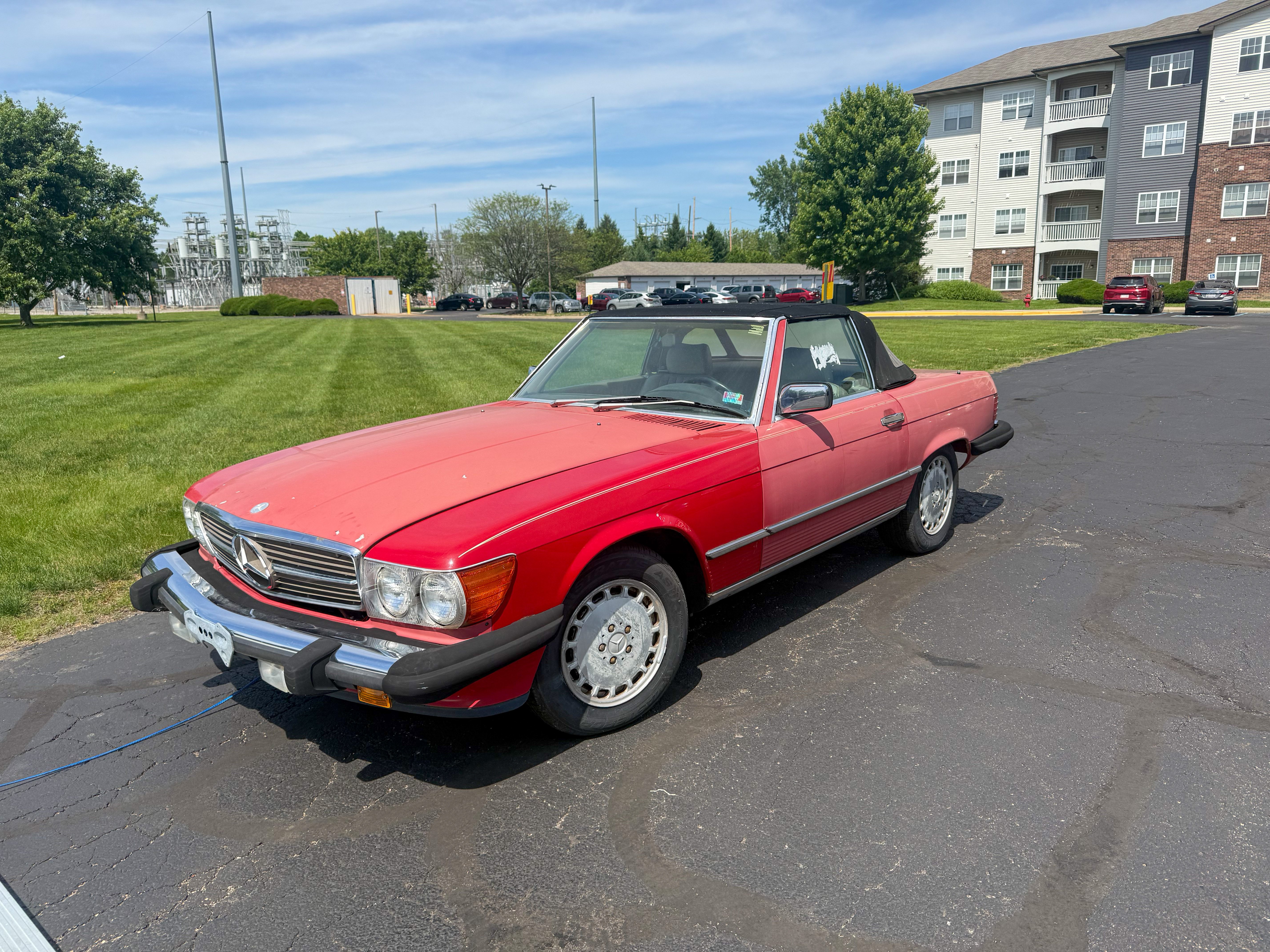
Once I looked at the Mercedes, I had to give her more news I desperately wished were different. The car had been sitting, it wasn't running, and its condition was considerably rougher than I expected.
It simply wasn't worth what Marianne hoped it would be.
I couldn't sit there, tell her what the car was worth, and walk away.
I wanted to help her.
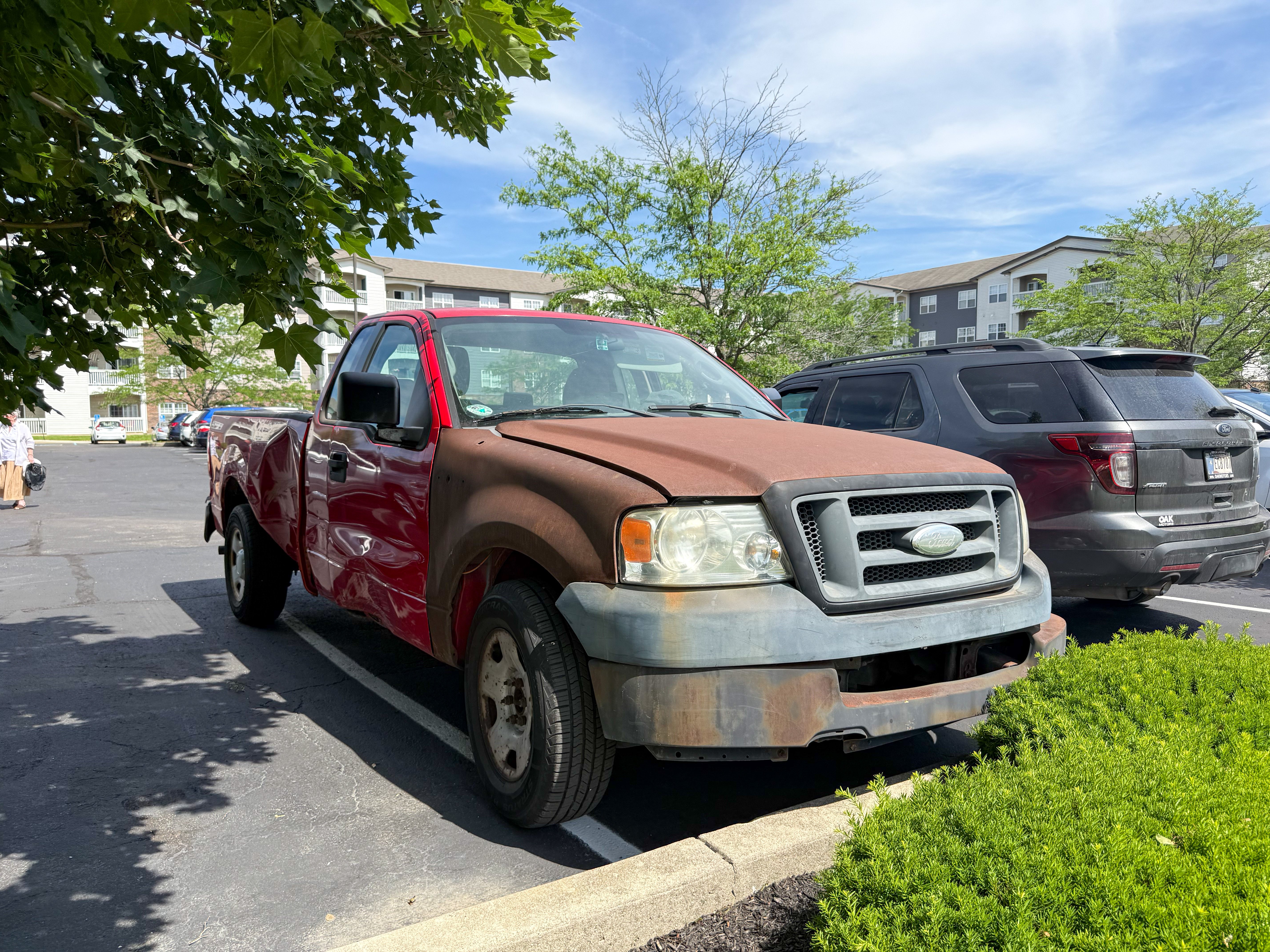
Then there was Bob's truck.
Marianne was still driving the old Ford pickup that belonged to her husband. You can see it in the photographs. Calling it rough would be generous.
Yet Marianne drove it herself.
She drove Bob's truck back and forth to the retirement community and wherever else she needed to go. Many of us would probably hesitate to drive that truck around the block. Marianne simply figured out how to make it work.
That stuck with me.
Here was the same woman I had first met sitting elegantly on a bench, dressed to the nines and carrying herself with tremendous grace, climbing into Bob's battered old pickup and continuing on with her day.
It didn't stop her. She had somewhere she needed to be, so she got there.
The more time I spent with Marianne, the more I admired that determination. She had lost Bob. Her financial situation wasn't what she expected. Her living situation was uncertain. The Mercedes wasn't worth what she hoped. Even dependable transportation was a challenge.
But Marianne kept moving forward.
When I returned to recover the Mercedes, I asked Marianne if she would sit with me again and tell me about Bob.
This time, I turned on a recorder.
For nearly 45 minutes, I mostly listened.
What I heard was a love story, and automobiles happened to be woven through almost every chapter.
Bob taught Marianne how to drive when she was 23. There were Cadillacs and Corvettes, Thunderbirds, restoration projects, airplanes, and even biplanes.
And there was a Jaguar.
Bob had bought a beautiful Jaguar, but when Marianne told me about it, what mattered wasn't the car itself.
One day Bob pulled off the road and told Marianne to look inside the glove box.
She opened it and found an engagement ring.
That was how Bob asked Marianne to marry him.
Decades later, sitting with me and talking about the man she had lost, Marianne could still remember that moment.
That's when you begin to understand why automobiles are so intertwined with Marianne's memories of Bob. They weren't simply things he bought, drove, or restored. Some of the most important moments of their life together happened in and around them.
That same Jaguar gave them another story.
One day Bob decided he wanted fried clams from a place he remembered in New England.
So they went.
While traveling in the Jaguar, Marianne happened to look at the speedometer.
They were doing 120 mph.
She looked over at Bob and asked, "Robert, do you realize that you're traveling at 120 miles per hour?"
Apparently, he didn't.
Bob slowed down.
Then Marianne added, "But not much."
We both laughed.
For a moment, I wasn't listening to someone talk about losing her husband. I was listening to Marianne relive an adventure with Bob.
That is what cars were to them.
They were part of their life together.
Eventually Bob's health began to decline, but there was still one more car.
The red 1987 Mercedes Benz 560SL that brought Marianne and me together.
Even when Bob was using a wheelchair, he continued going outside to work on that Mercedes. Marianne told me she would watch him through the window without letting him know she was watching.
There were times when he fell while trying to work on it and neighbors had to help him back up.
He still went back to it.
The Mercedes gave Bob something to work toward. It gave him hope.
He wanted to get it running so Marianne could drive it.
Bob told her, "There's no reason, Marianne, you can't drive that car."
Marianne remembers him putting tires and a battery on it while continuing to work through its problems. She promised him she would drive it.
When she described what the Mercedes became toward the end of Bob's life, she said:
"That was his last love, his last project."
Neither Marianne nor Bob understood how little time they had left.
Both had difficulty hearing, and Marianne explained that they did not fully understand what was being communicated about the seriousness of Bob's condition. By the time her brother understood what was happening and explained it to her, Marianne said it was already too late.
She never got the opportunity to say everything she wanted to say to Bob.
If you have a few minutes, I encourage you to hear Marianne tell these stories herself. I can write about Marianne and Bob, but hearing her laugh, remember, and talk about her husband tells the story better than I ever could.
The day we went to retrieve Bob's Mercedes, my friend Ralph Haga came along to help.
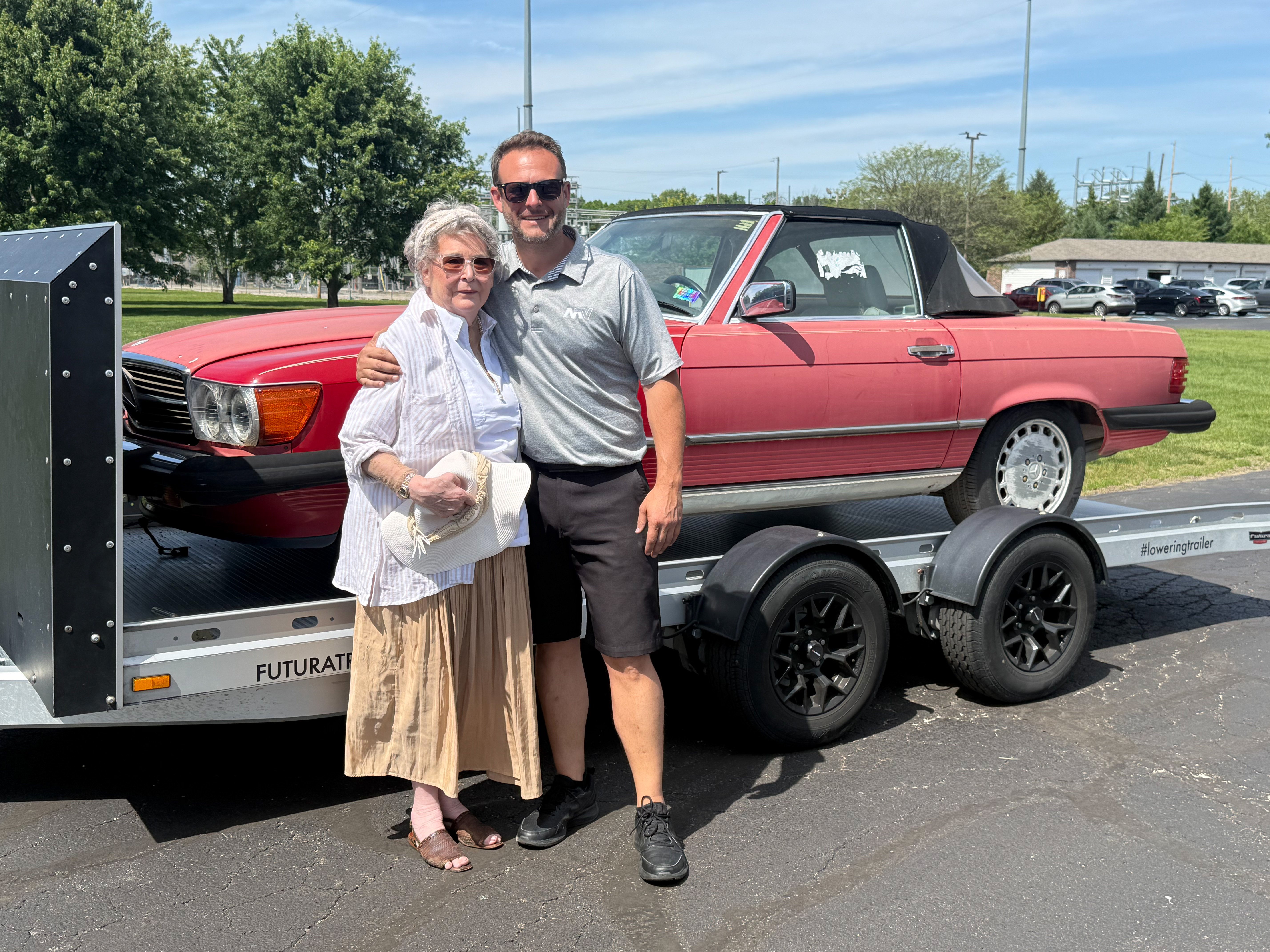
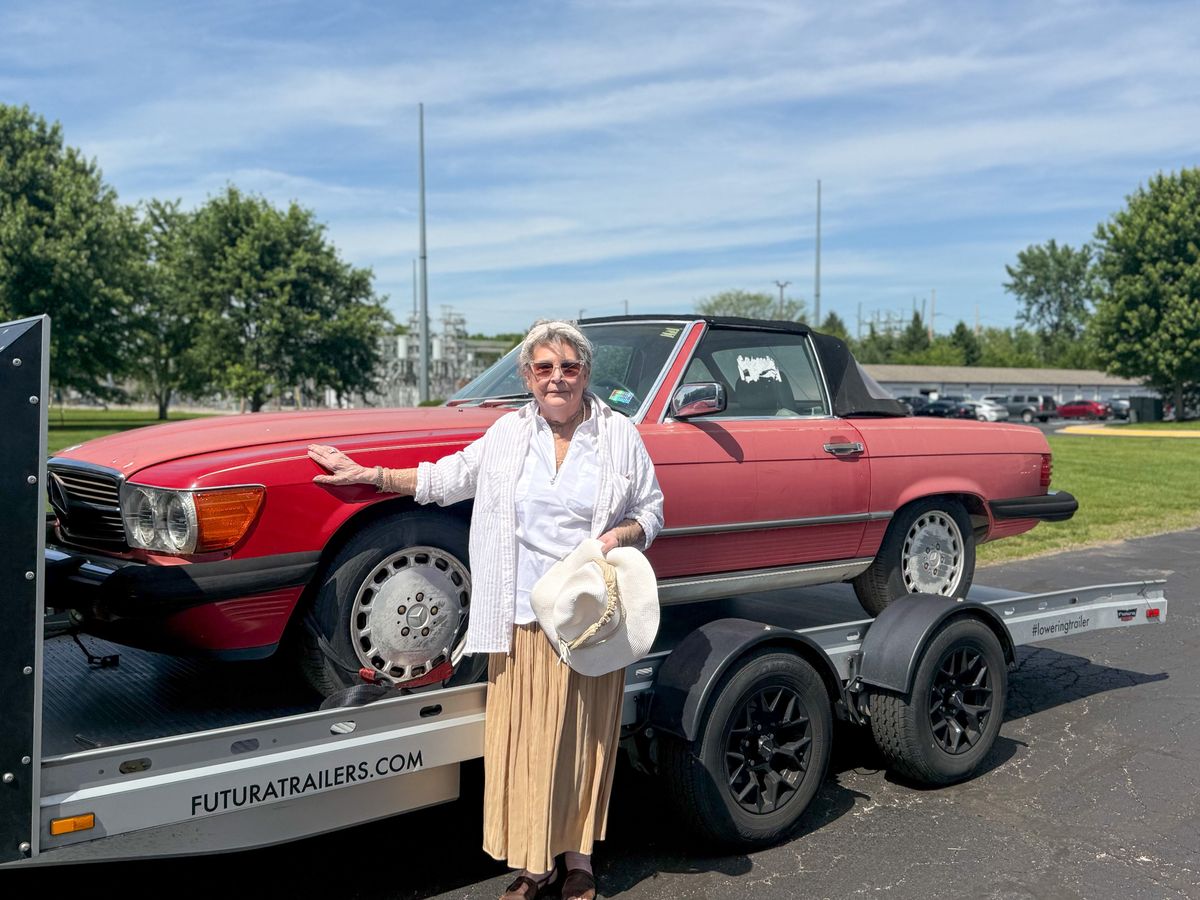
The car was no longer running, although Marianne says it had been running and driving when it was parked. Using a Futura Trailer and recovery winch, we carefully loaded the Mercedes.
Before leaving, Marianne and I took some photographs together. There is one in particular that I love. Marianne is standing beside the Mercedes with her hand resting on the car.
After hearing everything she had just told me, I looked at that photograph differently.
It wasn't simply Marianne standing beside an old, faded Mercedes.
It was Marianne standing beside one of the last things Bob had poured himself into.
She told me:
"It has a lot of love in it."
She's right.
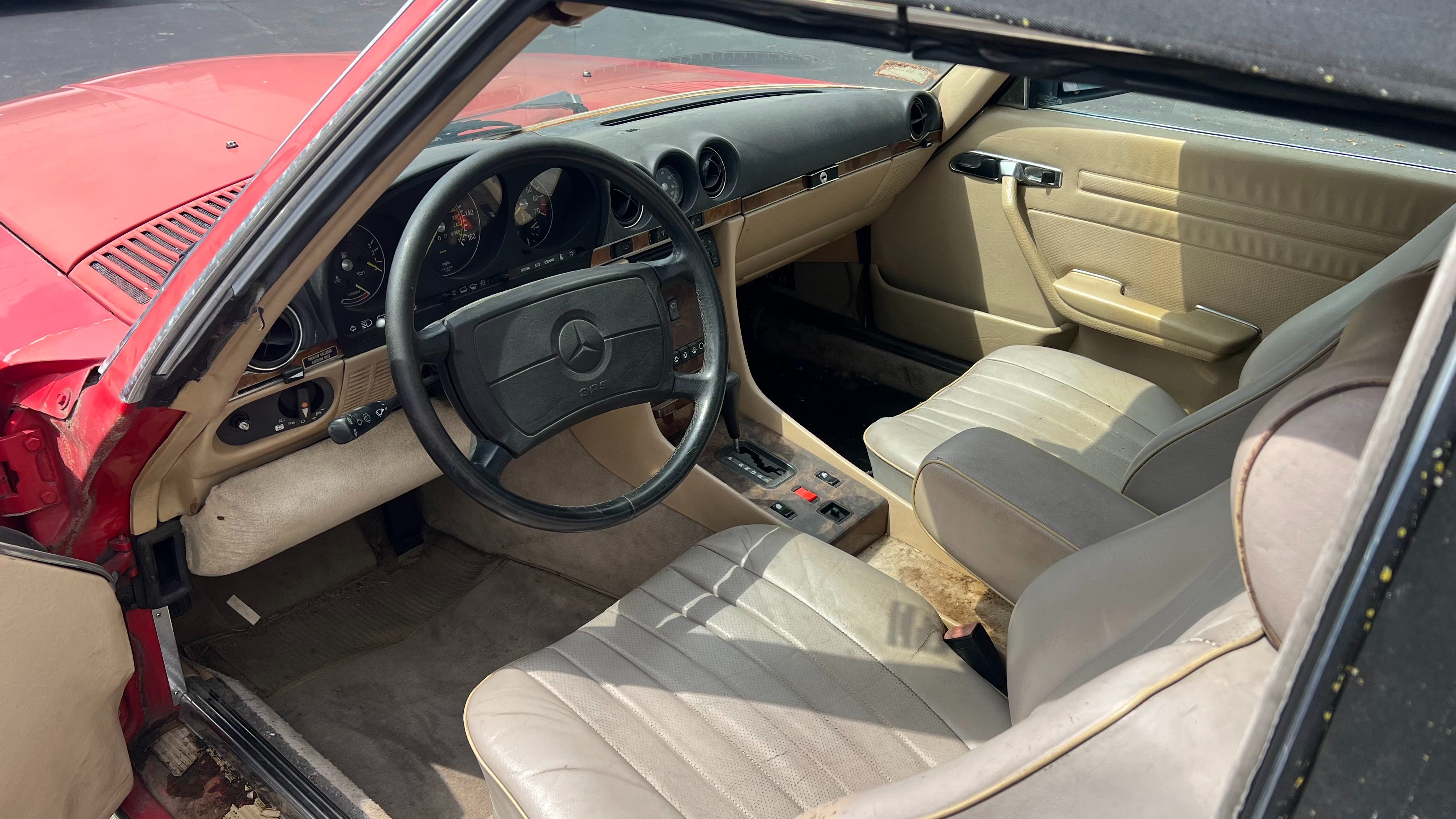
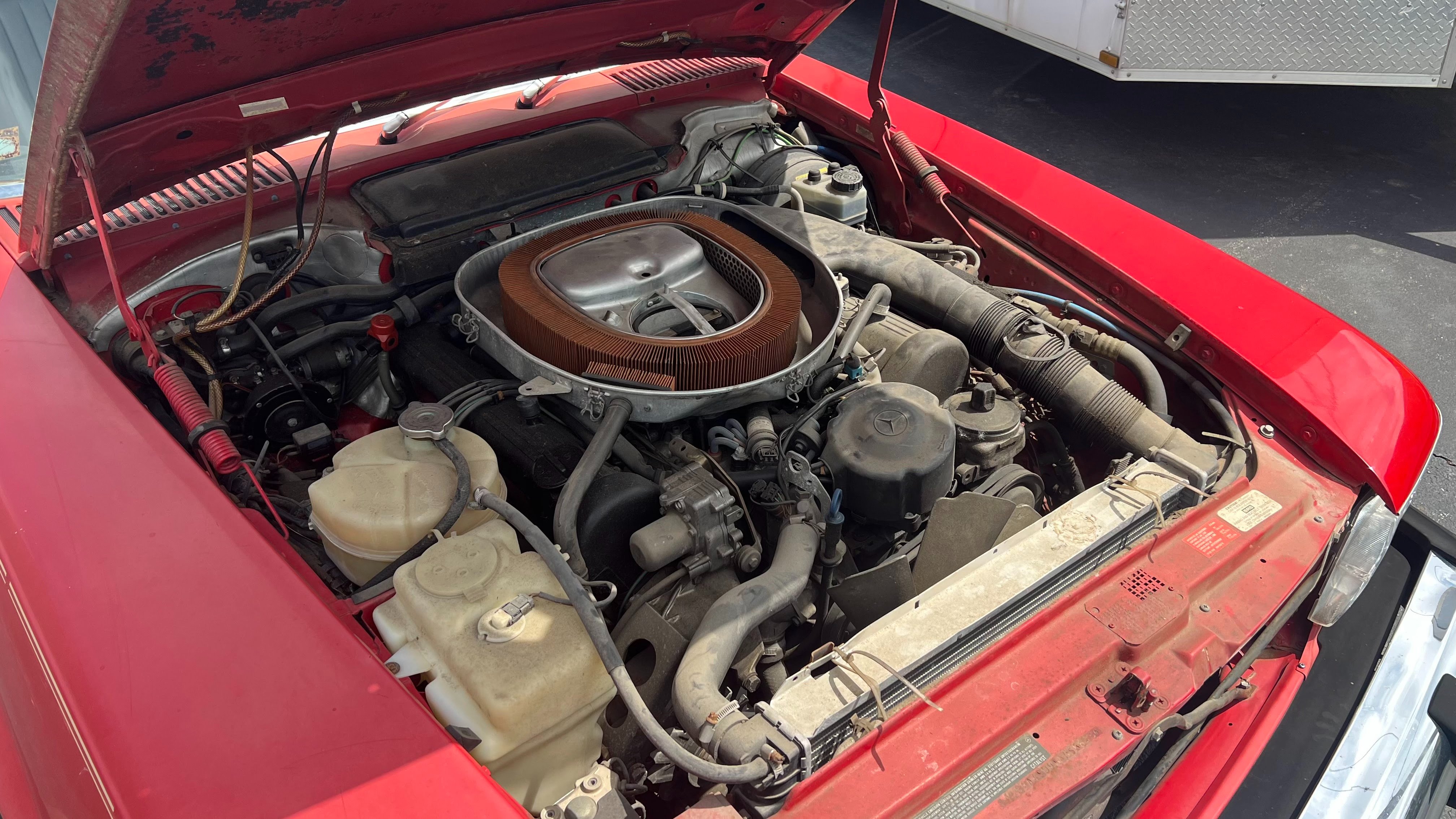
Bob's Mercedes is still here. It is a 1987 560SL showing 75,192 miles. It doesn't currently run, and years of sitting have taken their toll. It needs someone willing to take on a real project.
But Bob's last project is still here.
We've photographed the Mercedes extensively and included its CARFAX for anyone who would like to see the car in greater detail.
I'm Brian Henry of MOTORVAULT, and I'm helping Marianne personally with Bob's Mercedes at no charge. I'm storing the car, photographing and documenting it, and taking care of the work needed to help her with it.
There is no commission, fee, or compensation being charged to Marianne for my help.
Sometimes the right thing to do has nothing to do with business.
And that brings me to something Marianne doesn't know.
She doesn't know about this GoFundMe.
She never asked me to raise money for her. In fact, everything I've seen from Marianne has been the opposite. She has been trying to figure things out herself.
After getting to know her, I wanted to see what the automotive community could do.
That is where Racing for Sunset comes in.
Our goal is $5,000.
I'm not pretending $5,000 will solve every problem Marianne faces. It won't. But it can give her some breathing room as she works through housing, transportation, everyday expenses, and this unexpected chapter of her life.
When we reach the goal, Racing for Sunset plans to surprise Marianne with a check for the full amount raised.
None of the money raised will be retained as compensation for the time or work involved in helping her.
But I also want Bob's Mercedes to have a good ending.
Originally, the plan was to help Marianne sell the car so whatever it brought could help her.
The more I thought about it, the more I wanted to see if we could accomplish something different.
If we meet our $5,000 goal, with Marianne's approval, Racing for Sunset will look for the right person to become the next caretaker of Bob's Mercedes.
We will invite anyone genuinely interested in taking on the 560SL to send us a message.
Tell us about yourself. Tell us why Marianne and Bob's story connected with you. Tell us what you would do with the Mercedes and why you want to be the person who brings Bob's last project back to life.
Then, with Marianne's approval, we'll select its next caretaker based on their story, their intentions for the car, and whether we believe they're the right person to finish what Bob started.
It will have nothing to do with how much someone donated.
No donation or purchase will be required to send us a message or be considered for the Mercedes. Someone who doesn't donate will receive the same consideration as someone who does.
This isn't a drawing, sweepstakes, or prize connected to a donation.
We simply want to find the right person.
Someone who understands the story.
Someone willing to put in the work.
Someone who will finish what Bob started.
And maybe that's what this entire story is really about.
Racing for Sunset
Not driving fast. Not trying to outrun time.
Just understanding that none of us gets unlimited time and making something of the time we're given.
Marianne and Bob did that.
Sometimes Racing for Sunset looked like an engagement ring waiting for Marianne in the glove box of a Jaguar.
Sometimes it looked like Bob deciding he wanted fried clams in New England and somewhere along the way realizing he was doing 120 mph.
Toward the end of Bob's life, it looked very different.
It looked like a man in a wheelchair going back outside to work on an old red Mercedes because he still had something he wanted to finish.
He wanted Marianne to drive that car.
Even when his hands weren't cooperating. Even when his body wasn't cooperating. Even after falling and needing neighbors to help him back up, Bob kept going back.
Bob was still Racing for Sunset.
And now, in her own way, so is Marianne.
I saw it the first day I met her, sitting on that bench dressed to the nines and carrying herself with grace while trying to figure out what came next.
I saw it when she climbed into Bob's battered old truck and drove herself where she needed to go because the condition of the truck wasn't going to stop her.
Marianne keeps moving forward.
That's why Racing for Sunset is asking this community to help her.
100 people giving $50 gets us to $5,000.
But it doesn't have to be $50. Whatever you can give matters. And if you can't donate, sharing Marianne's story matters just as much.
I would love to surprise Marianne twice.
First, hand her a check and tell her that people she has never met heard her story and wanted to help.
Then tell her that Bob's last project doesn't have to disappear simply because she needed the money.
Instead, with her blessing, it can go to someone who wants to give it another life.
And maybe someday that person brings the Mercedes back.
Running.
Top down.
And Marianne finally gets to take the drive she promised Bob she would.
I originally met Marianne because she needed help with an old Mercedes. I thought my job was to figure out what the car was worth.
I was wrong.
Marianne reminded me that the reason so many of us love cars has very little to do with what they're worth.
It's the people attached to them.
Bob left behind an unfinished Mercedes, but he also left behind decades of stories and a woman who still lights up when she talks about the life they shared.
Marianne hoped Bob's last car could help her.
The Mercedes couldn't do that by itself.
Maybe we can.
And maybe we can give Bob's last project another life at the same time.
None of us knows exactly how much road we have left.
We just get to decide what we do with it.
Keep moving. Keep making memories. Keep Racing for Sunset.
This time, the car isn't the valuable part of the story.
Marianne is.
Thank you to everyone who donates, shares her story, or simply takes a few minutes to listen to Marianne talk about Bob.
And a very special thank you to Ralph Haga for giving his time and helping us recover Bob's last project.
Brian Henry of MOTORVAULT
Racing for Sunset