- D

Fundraiser Summary:
I'm Alex, a lifelong chronic illness sufferer who has had to rely on a single dad for early career support and test after test that usually came back "normal." Unfortunately, my symptoms just keep worsening no matter how much money gets thrown at this. Now I'm finding out that I might have an illness that will require travel out of state to get help from expensive treatment programs without insurance. I no longer have the option to struggle trying to work and work with hopes of being able to afford this on my own some day over time or when I can get insurance again. The chaos of dysautonomia is thwarting my every attempt and I am at my wit's end fighting it as I am becoming increasingly disabled. I have had to essentially become my own doctor because invisible illness and our medical system have left me with few answers and without an established group of medical professionals I can trust and see regularly. At this stage, I am hoping to find help getting to a real doctor who is knowledgeable about this and able to find the cause of my difficulty sitting and standing and living in particular. I also want to improve my general quality of life with illness and work towards long term individual stability. Any support down to simple shares is greatly appreciated!
Even without my own diagnosis, I have friends who have been diagnosed too, some of which have donated themselves. They talked to me about their struggles for months to help me. So, please read the supporter letter below to learn about what might be causing my illness and what it is like to live with these symptoms! Spread the word!
(Purchase proofs are in the update section. Scroll to the bottom to view my goals list and exactly what your donation would do TODAY!)
------------------
Letter to Supporters: The Full Story, My Multiple Likely Illnesses, Statistics/Estimates
Personally, I'm driven by doing something that matters for others, being creative, and sharing with people what I learn about perspectives most never imagine affecting them and are actually touched by every day, but simply miss for various reasons in life. This time, I was affected by the worst I have seen and thought possible from my own (still under-diagnosed and many times misdiagnosed) illness while educating myself about Ehlers-Danlos Syndrome to see if and how I needed to pursue more help for myself. Chaos has progressed in the middle of it. So, while I try to address that I am in urgent need of help, let me tell you a story about what I have learned by reading, listening, and through experience about people suffering from the hypermobile type (hEDS) and the common comorbidities like POTS (dysautonomia), autoimmunity (1) (2), and mast cell dysfunction just in time to realize exactly how sick I really was when I kept hitting roadblocks with doctors telling me I was fine or being difficult.
Illustrated with photos I have been taking for more than 10 years now.
The naturally super flexible "double jointed" people you know are not okay and they're struggling to find help in the US medical system, which often treats patients like they need to earn a PhD in their own illnesses and educate themselves on how to navigate new illness before they can even see the right specialists, which may take years to get an appointment with. Weirdly thought of culturally and medically as RARE in the past, but also so common people thought of it as normal and non-harmful too. So, what's going on?
I've spent years looking for answers. With my illness getting worse, without tons of salt, my body weight turns against me and I feel like I'm an overloaded skeleton with the pressure in my head going wild and the physical sensation of not having enough oxygen no matter what I do.
Here is how I got here. And what happened for many of these conditions in the medical field has been a big discussion lately.
One of my earliest medical memories is of trying to walk in a straight line at an annual physical. The doctor was observing my nearly flat feet but didn't say much or offer a name to what might be causing it. At the time, I don't remember doing much. I was probably around 6 and it wasn't until a few years that I started to regularly wear inserts in my shoes.
Around 27 years later in 2025, I was scrolling social media out of boredom and saw an ad for finger joint stabilizing rings. I thought to myself " People are stabilizing their finger joints with cool jewelry?! How awesome is that?! I have so much pain when writing for long periods of time and no one ever told me this option existed!" Being chronically ill and a science nerd will give you a necessary, but also not boring (in my opinion) interest in random medical stuff. So, I started looking into hypermobility and was very shocked about what I was learning for the first time about myself.
Weirdly... I've never considered myself to be hypermobile. Never had hyperextended elbows or visibly hyperextended knees often seen in hypermobile children. Being extra flexible in limited ways is normal too, especially for a former dancer. Didn't know I shouldn't be able to do certain other things at all though and how much would be considered abnormal. Hypermobility wasn't weird in my mind until I discovered what it really was: Millions of people around the world living in bodies that create abnormally flexible cartilage throughout all of their organ systems that doesn't really properly hold them together without muscle and tendon strength to compensate.
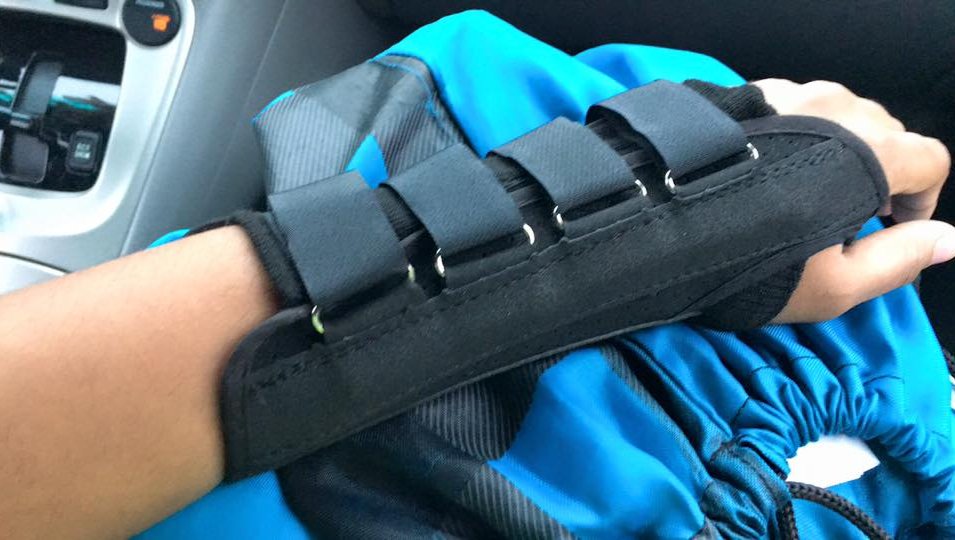
Even the tendon strength can be really faulty, as shown here after playing a LOT of guitar, video games, and making art much more frequently in college. Both arms were unusable for a while due to microtears in them, which I am highly prone to.
As a sufferer of horribly painful chronic sternum cartilage inflammation (costochondritis) and a laundry list of other problems since I was 17, I wondered how had I never looked into this. How had I never been told about this? Am I the only one in my family? I got my answer through surveying my dad and siblings for hypermobile "tricks" as the zebras know them from growing up bendy. Do their fingers also bend beyond where they should not? Were they ever told this wasn't normal and that there are options out there to manage the pain of using a pencil on all those notes and Scantrons as kids? Did they know it could make them sick? What other related medical history is there on this side of the family?
The answers:
Yes. I discovered they were very bendy in varying ways.
Yes, I had forgotten that my youngest brother had some pretty wild hand tricks when we were children.
No, like many others, especially as men, they did not know many of these things. For women, estrogen is thought to play a role in being more symptomatic or having more severe symptoms.
This runs in our family but hasn't been identified by name until now or we would have all been warning each other.
And I've probably had it since I was very small when I had extreme difficulty "learning" how not to wet the bed with undiagnosed hypermobility and POTS. No amount of yelling at a child with chronic illness or medical devices could fix that. But that's essentially how it goes, right? It's your fault. But... you're asleep. For children suffering from these illnesses, you're low on oxygen and blood to the brain and don't know it. Lower transport efficiency and communication between nerves means you can't wake up quickly and sleep deeply or shallowly and confused. You haven't been diagnosed with nervous system dysfunction at that age and made the proper changes to make it through the night on high urine production because it's treated as behavioral. So, you're just at a loss for why you can't do what you're told you should be able to when you're just a child. You're scared of sleepovers. And no one would hear "I can't."
The "can't"s increased slowly over decades. Starting as small as quiet yet semi-constant ear ringing I assumed was fine because it was all I knew and could completely ignore. Escalating to standing sometimes and having my vision go black for a few seconds like the closing of a Looney Tunes episode. Accelerating and morphing into exhaustion in the 8th grade when my health was beginning to start requiring 12-13 hours of sleep. Allergies made my throat so raw that year that I thought it was strep throat round 2. But the doctor swabbed it and didn't find any virus. Then brain fog slowly increased year after year after this. So slowly that I never saw what happened next coming.
It was when I was in my senior year that things seemed to go from these little escalations to big jumps during a slow motion car crash:
- I couldn't see my homework sometimes because of spots disappearing into white blurs in my vision. Whole areas of paintings due soon would go missing before returning and disappearing again while standing at my easel at home. Migraine aura. Mild at first. I hadn't suffered from chronic headaches before. So, this was the first alarming sign something was up.
- My lungs were making popping noises while breathing as if badly infected.
- Searing pain would tear through the center of my chest suddenly and severely, temporarily making me bedridden for the night if anti-inflammation and pain pills I kept in my backpack at all times were not taken at the first sign.
- My hands would be ice cold. Then hot. Red. Painful. Swelling.
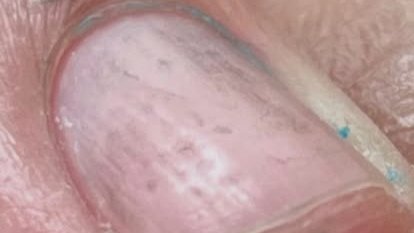
- Nailbed splinter hemorrhages had me digging around in my nail clippings trying to figure out what was causing it. Never did. Found out only recently it was blood.
- Shallow pitting in my nails. Shown highlighted with a bit of marker in 2026. Also of note: I don't have lunulae on my nail beds, which can be a visible sign of chronic anemia.
- Etc.
The world around me became an ocean I was swimming through daily.
The first doctor I was scheduled with diagnosed the costochondritis, noting that, usually, only a serious chest injury should cause it.
She thought it might be autoimmune. Possibly Lupus. So, she referred me to a specialist. Going great, right?
Well, this was my first (second?) medical nightmare before the avalanche.
I waited 3 months to see him only for my symptoms to suddenly disappear just before my appointment. The rheumatologist, who disagreed with the bloodwork, let me explain for a few minutes and immediately started with "Well, I don't event WANT to do more tests" despite all my symptoms. Crazy for someone whose entire job should be reviewing these types of symptoms, right? He barely looked at me in a quick physical and sent me home with no other suggestions. I still remember this first appointment was $50 after insurance.
Many young women in their early to late teens often start to suffer from these worsening symptoms at around the same age and struggle through the most important years in becoming an adult.
So, I graduated high school and spent the next 4 years in and out of the ER and UC with severe hemiplegic migraines that temporarily have made half my face numb, made me struggle to process speech, and caused me to forget my own name (aphasia). Usually, by the time I arrived and began answering questions, I needed to shove my face into the big weird vomit bag. The good news? Not a stroke. Never a stroke. The bad news: Never found the problem. Addictive pain medications were prescribed each time. Luckily, I hated taking them. Taking them meant I would be too gone to get homework done. And sometimes I did make the decision to get a 0 on an assignment the next day anyway. Anything to make the pain stop once it got to a certain point. I took nausea medication to prevent endless, forceful vomiting down to nothing but saliva. The packaging said they were also for cancer patients. I remember that well. Hot showers caused me to have tremors and nearly faint even though I never would get to the point of actually passing out. Scalp irritation started causing my hair to break off in a large visible patch. So, luckily my hair was thick and only doctors or stylists noticed. After exams once, I slept 22 hours straight. Didn't wake up even once and, when I finally did, I felt very ill and needed to eat. The years most young adults use to enjoy youth, complete school, and lay the foundation for their careers, I spent sick, scared, angry, and confused. Mostly functioning in terms of moving around. Heart palpitations etc were not something I typically felt. I was just exhausted. So, I still had fun and looked ok to most people. But I was in an even deeper fog than ever before.
I thought everyone was just as tired as I was as a college student until things started escalating again and going really really wrong.
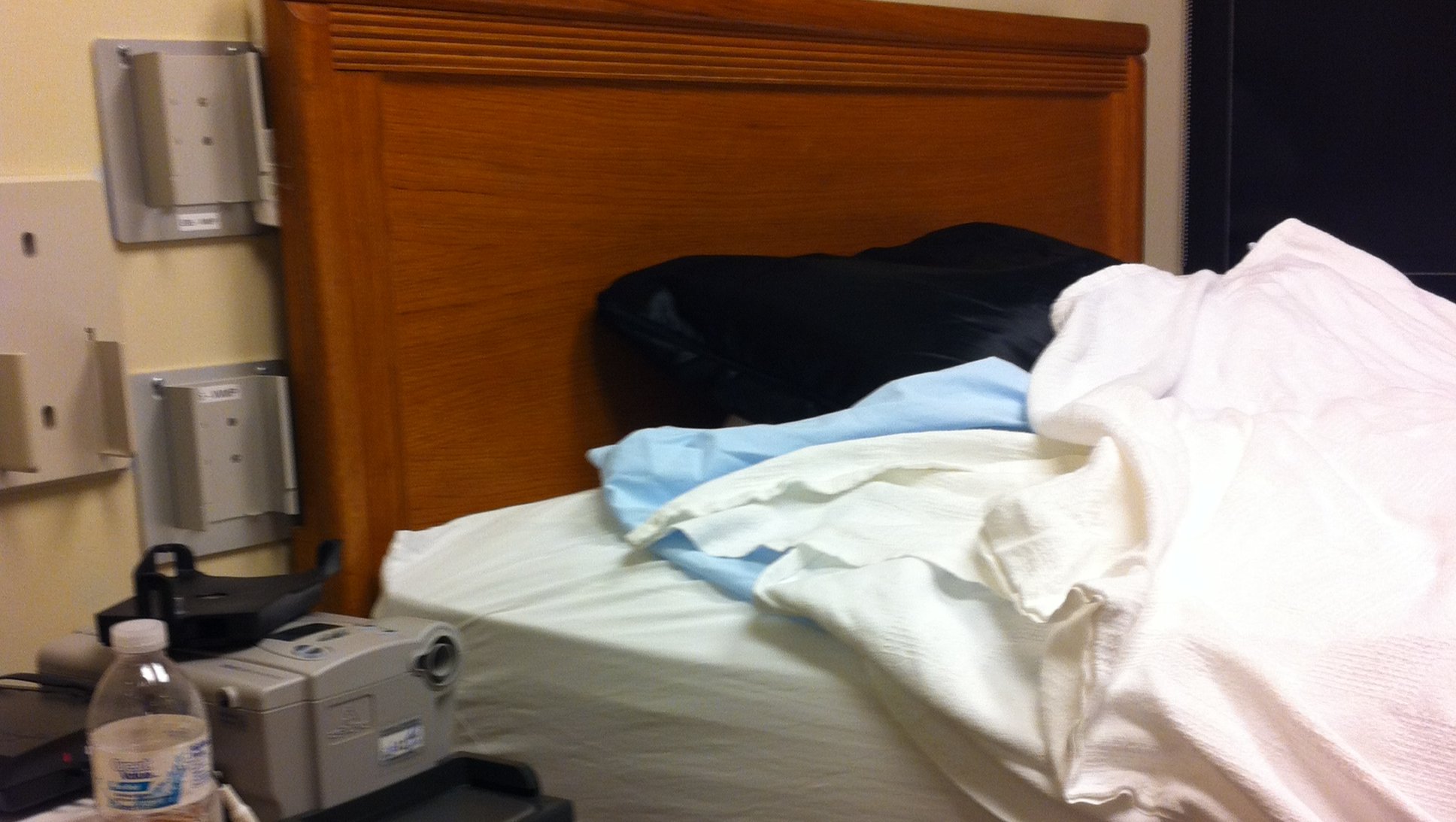
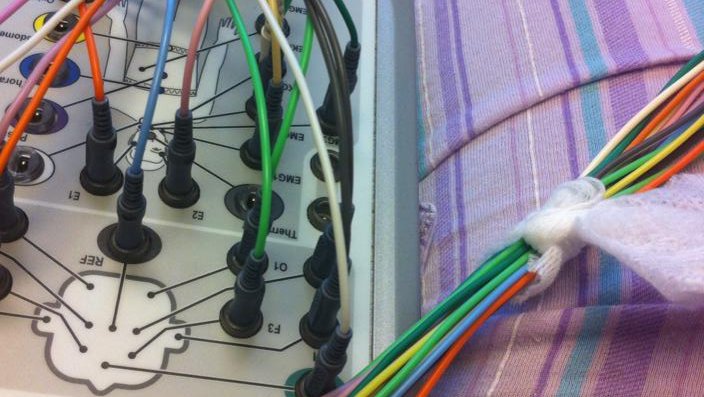

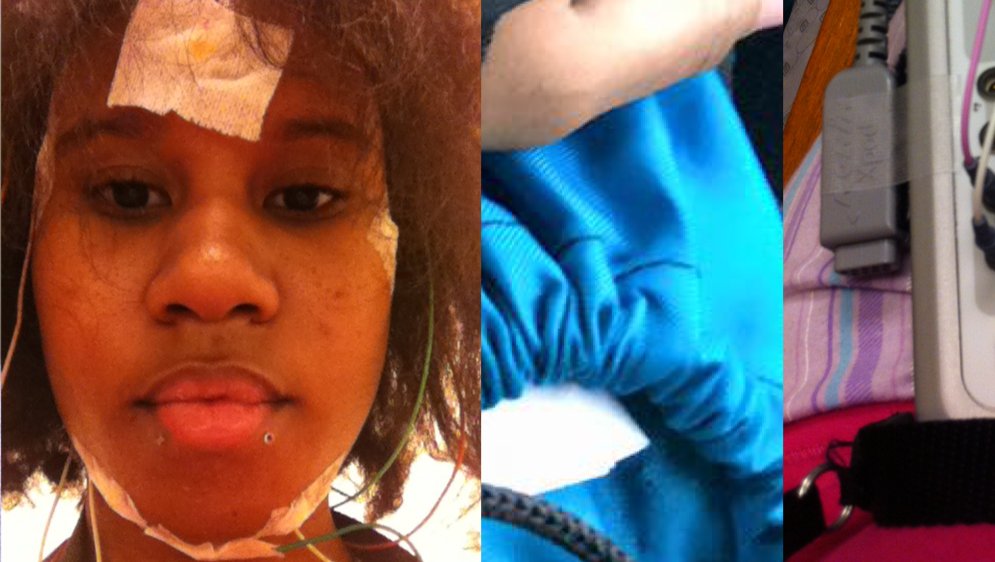
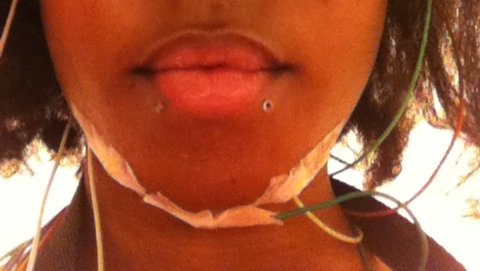
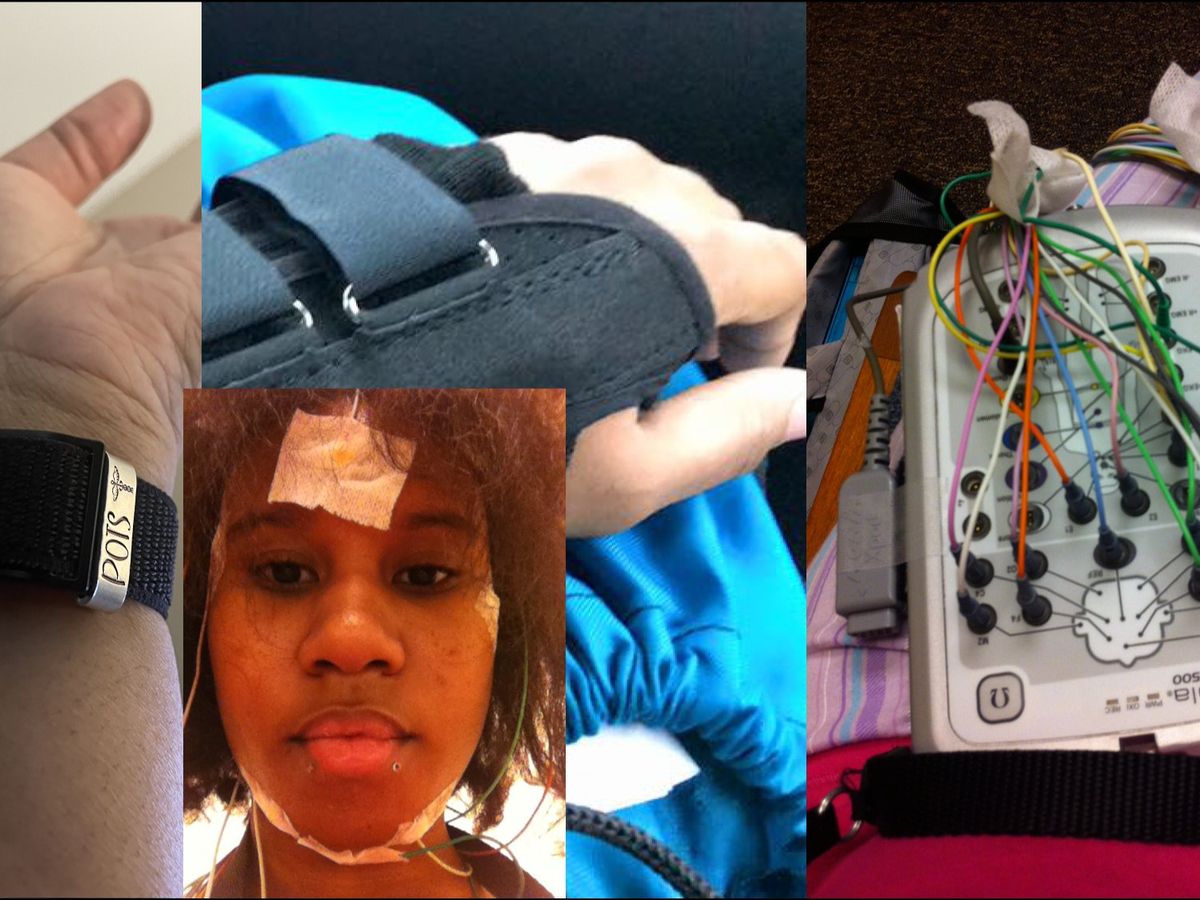
September 11, 2014 Inpatient Sleep Study
Luck back then? A history professor with ADHD freshman year of college pulled me aside after class and asked if I had narcolepsy and was really adamant about it. I wasn't just falling asleep in class. I was nodding off mid note-taking in classrooms where the lights were dim or off. I was paying attention and making A's on exams. It took 3 more years of reading up on sleep disorders and pushing at my doctor to get diagnosed with a sleep breathing disorder (my oxygen goes down to 89% with shallow breathing interruptions 15-20 times an hour, sleep apnea was identified that was possibly misdiagnosed UARS), sleep paralysis, and hypersomnia that never resolved after treatment. Things were only a little better with automatic positive airway pressure therapy (APAP as opposed to commonly known CPAP). Several thousands of dollars later, that ended my second ever major flare. I was able to walk across the stage but not graduate. I had finally flunked a whole class. The school hadn't considered that people don't just get chronically sick and get diagnosed to qualify for medical accommodations in time enough not to destroy your initial 4.0 GPA. I qualified for medical accommodations only in the last few classes of my entire degree.
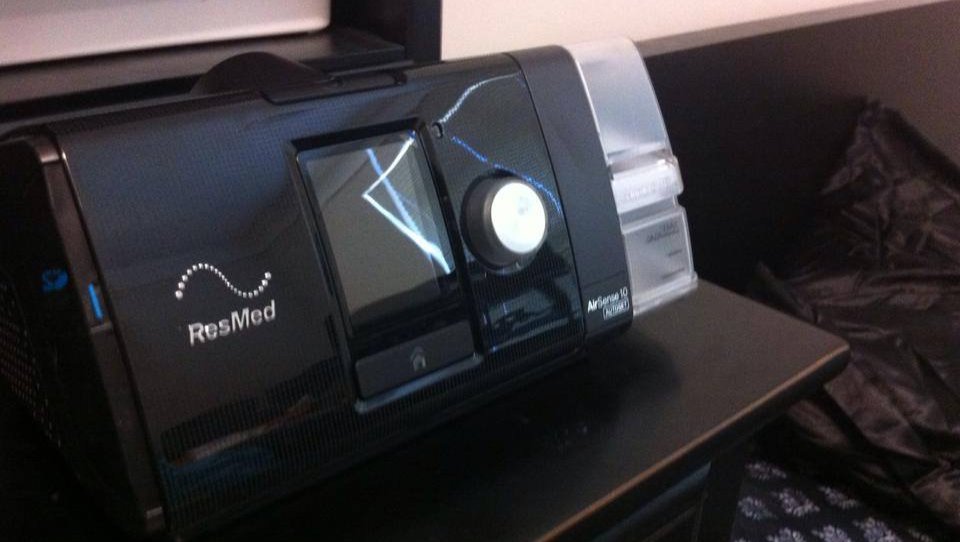
December 12, 2014 The brand new APAP machine, which I now own two of. Total cost of about $2,000.00. Plus hundreds spent replacing and cleaning tubing, masks, etc. that only last 3-5 months.
I learned, with practice and new and safer actual migraine medication, to manage my migraines in combination with oxygen at night. I rarely get to the pain part now if I notice aura and no longer take prescriptions for it.
And then new symptoms started within months! And I gave up on trusting doctors to just keep referring me to random departments or guess only within their own departments with whatever was bothering me for 1 day. 1 month. 2 years later. Every 3-4 years I had another unexplained worsening and new symptoms. And I wondered at different points in that time: Am I actually breathing okay during the day or is it just at night?
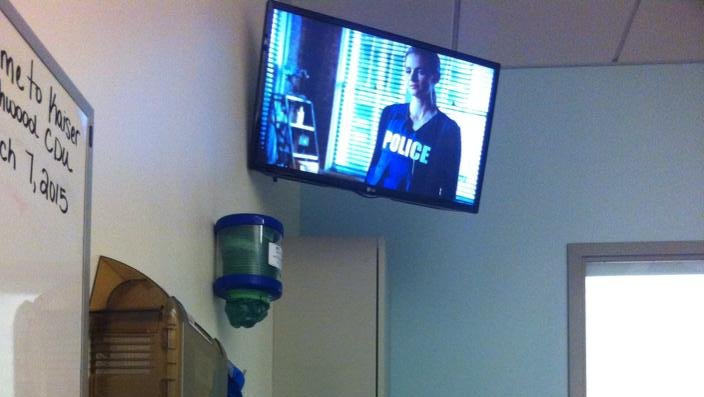
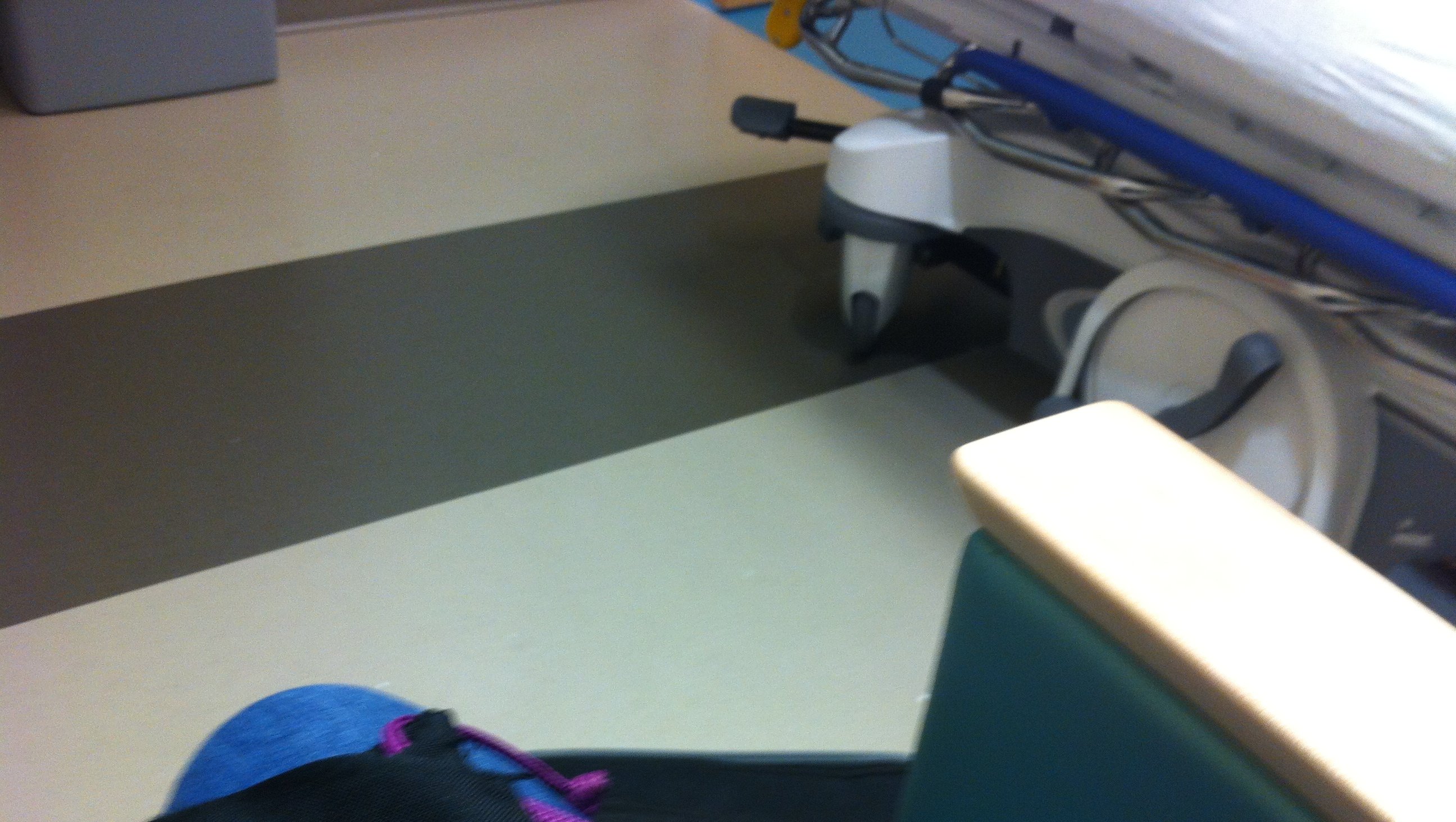
March 7, 2015 at urgent care. Post starting APAP. I had the worst pre-syncope episode yet after a hot shower and a bad sleep night. This time I was struggling to breathe for nearly an hour. I took photos because I am always collecting images for art and sometimes showed friends where I was and let them know I was ok. By the time I get to urgent care for THIS, my symptoms usually stop and the docs just shrug. Very expensive, awkward waiting. I really just stopped going after a while, which is common in chronic illness. At some point, there might not be more help or willingness to try. Emergency care is often not helpful.
With what I know now, it's likely that time spent laying on the floor when I was struggling to breathe helped that blood get back to my brain before this particular emergency visit. But it's many years too late.
This is what it's like to have a chronic illness. Becoming an expert on the hell that is our medical system and keeping yourself alive between appointments beyond what is reasonable to ask of patients. Dysautonomia is complicated but it was a lack of collaboration between expertise that caused bouncing between doctors when I was actually listened to.
So, what exactly is wrong with me? I don't know for SURE. I'm not an expert. But I've got that feeling again with new, changing, returning, and worsening symptoms that I might have figured out at least the area of the medical field I have a lot of questions for, which helped me get SOME answers the first time by the same method. Only with more life experience. Like the fact that APAP is unreliable as a treatment by itself for me but stabilizing my hypermobile neck (1) (2) can help me get through the night with no heart rate spikes due to blood flow possibly getting cut off and/or nerves getting upset. New sleep positions to do this made it very apparent that my hips really enjoy partial dislocations in the mornings, causing either popping back in once I am up or I experience mild pain until they decide to slowly move back into place after several hours of movement. Hypermobility was never asked about at the sleep disorder center I was sent to by my insurance for help.
People with medical degrees are supposed to listen, explain, and have curiosity about why you are sick. They help you, especially as a child, navigate expectations of the medical system so they can keep you alive. But sometimes they don't. And then, 15 years later, you can't sit or walk without heart rate spikes and need a cane at 32 to feel safe.
I can only connect dots and ask for help to get to the RIGHT doctors to the best of my ability. No one is going to do that for me. And I am sick NOW. That won't change with a diagnosis.
I do know I have comorbid postural orthostatic tachycardia syndrome (POTS). Wearing a health bracelet and also tracking blood pressure changes in the last few months (since those symptoms very suddenly took an even worse downturn) while reading about this very disorder helped to figure that out. My ears pop all day with pressure changes. The ringing is louder. Without salt water, food, supplements, and sometimes compression socks all day: my body physically feels so heavy I'm scared I will fall. Luckily I have not yet. I can feel blood moving around in my head when leaning. An estimated up to 70% of POTS patients have some combination of low blood volume (hypovolemia) with blood flow control problems and other possible types. The heart rate increases to compensate and prevent passing out by ensuring at least some blood gets to the brain. This is good but causes other problems and risk of long term heart problems and dysautonomia prevents this from working well in general. While sitting still or standing still and feeling ill, I have recorded sustained heart rates up to 170 bpm. My normal is about 60-65 bpm. This is a heart rate increase of more than 100 beats per minute on my worst days and these bad days are more frequent than I ever expected to record.
Something is likely wrong with my autonomic nervous system, the system we all take for granted for automatic functioning. It controls almost all of this. This is dysautonomia. It can be primary or it can have a cause like hEDS. And many patients pay nearly $10,000.00 or more in treatment programs to figure out what that cause of POTS is and see a doctor who actually knows what they're talking about without suggesting that an estimated 85% of hEDS patients sees a psychologist instead if I remember correctly. (Correction on this one: 95%. Initially, I heard this from a doctor on YouTube and had to find the study. And the number was SO high, I had difficulty remembering where between 85-95%) Medical gaslighting is a BIG problem. And $2-5K for a test that might come back negative is A. PROBLEM. Especially for people who go through so much to even get here. To get themselves here. And most patients with these disorders are women. So, it's just icing on the cake to be sent home and also instructed to have multiple spoons of salt and several liters of water each day, while suffering, as the first, and sometimes last line of treatment. Without the premium cost, getting proper medication is next to impossible. There are not enough doctors. And, due to this sometimes being triggered by viral infection, Long COVID made waits longer for everyone.
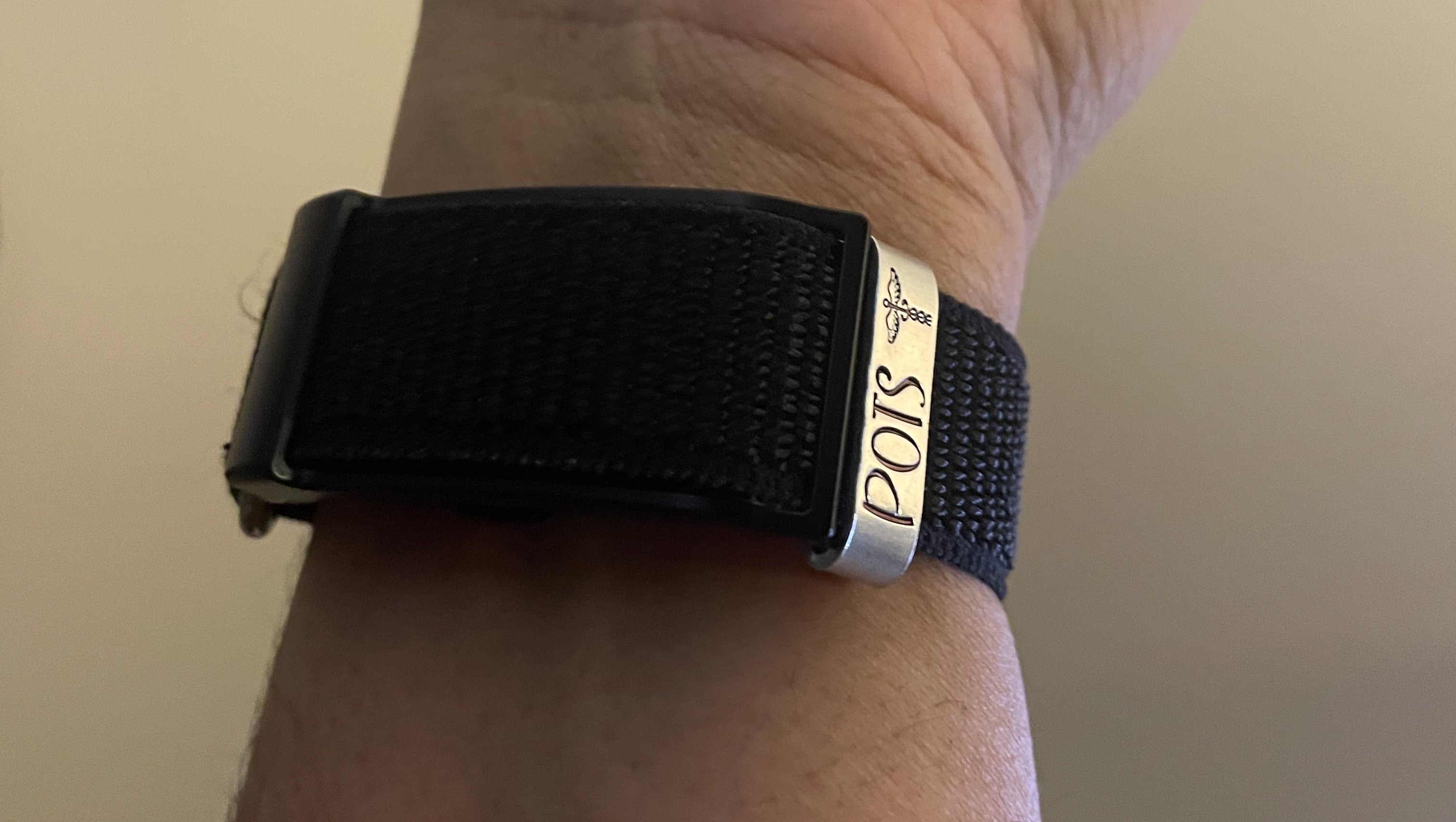
Bracelet gifted by my boyfriend and a handmade medical tag ordered by a friend that I started wearing after symptoms worsened in March 2026 for safety and symptoms note taking. (More pre-fundraiser help and thankyous are in the fundraiser update feed below this letter and are also estimated and included in the fundraiser totals at $615)
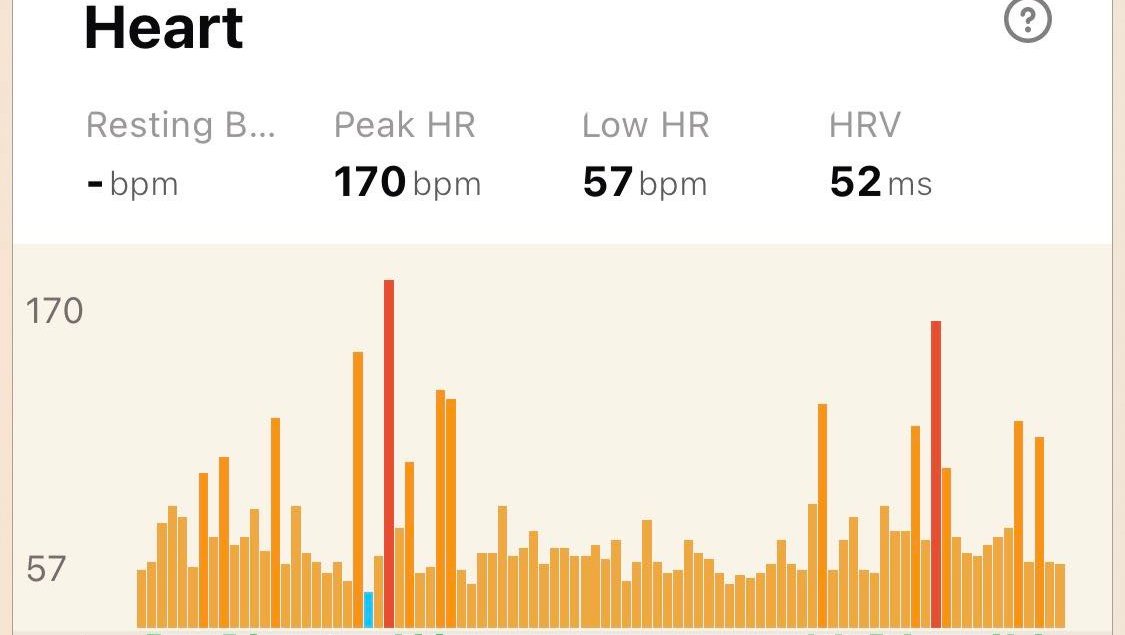
March 17, 2026. A day of rest, not exercise. Lower measurements are when I was laying down. Napping, sleeping, or resting. High readings were standing, sitting, and walking. Only an increase of below about 30-40 bpm is normal for an adult. On average, brisk walking might be 100-120 bpm for someone who has a usual heart rate of around 80-90 bpm. Although not 100% peachy with this illness, having this low of a resting heart rate also suggests that my heart is very strong at least and just properly doing the job of preventing total loss of oxygen to the brain when the rate goes up. It is where an athlete's heart rate typically falls.
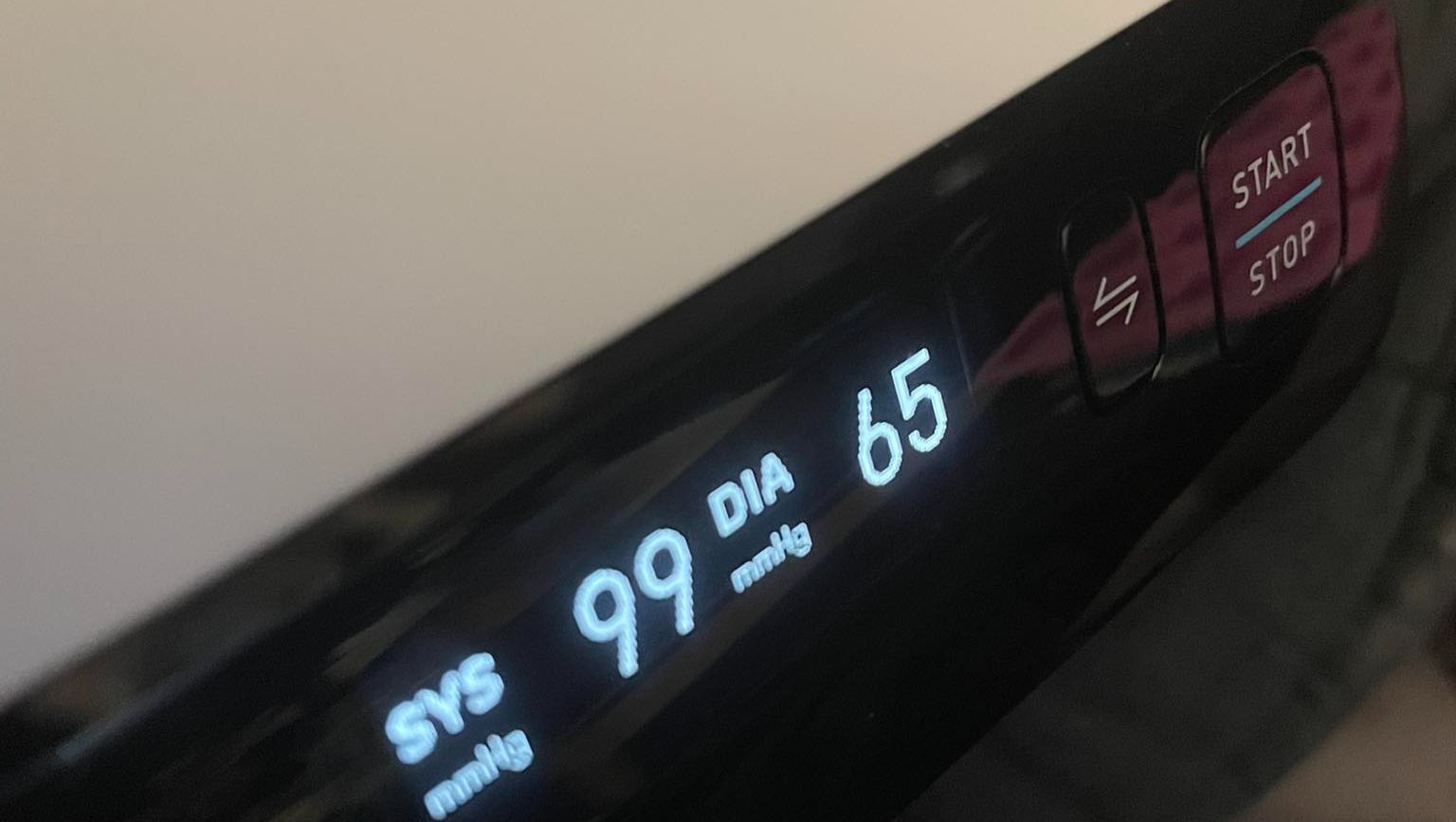
Lowest blood pressure I was able to record. Under this, it doesn't even register on automatic arm devices and I'll have to measure manually. I don't have the ability to do this yet. Working on it! Another example of extra costs unforeseen. This is an expensive blood pressure cuff too. Sometimes I still cannot rely on it. While trying to find my nonexistent blood pressure, it has also threatened to injure me a few times. Found out after that there are usage warnings in the documentation about blood pressure device use and blood flow disorders. It does have an emergency stop button I have been using.
A few years ago, the stress got so bad at the start of the worst hypovolemia symptoms, it triggered Shingles in my late 20s. During the pandemic. Before I even got COVID. What did I do to trigger it? I just left the house a few times to take a family member to their appointments. Trauma at this point didn't help it.
Mysteriously, I gained 60 lbs over two years with no change in diet. I was always small. It took me the full two years to get control of my weight again and it has now been two years since my weight has been stable. But what triggered it: doing squats and cardio still has me afraid to exercise and be forced to lose all of that weight I didn't earn. My body has had times of improvement due to trial and error but, overall, the illness has just worsened with time. Bandaids on symptoms can only do so much now. I have reactions to vaccines I need to get checked out in case of mast cell disorders causing a risk for anaphylaxis. Getting shots causes pain for days in places where I wasn't stuck with the needle and heart palpitations. Don't even get me started on how the lady at Walgreens handled that concern. The list goes on and on.
Other chronically ill, disabled, POTSies, OH sufferers, dysautonomia sufferers, autoimmune sufferers, Long COVID sufferers, cancer survivors, etc I have talked to in my friend group and within my family have offered both support and some early confirmations that I am on the right track. And also confirmed there might only be one doctor in all of GA who can treat this. Great. It takes a year and a half to get through the patient list. Fantastic. Other locations are out of state. Need I say more?
The good news: After all this time and the nature of the illness things are pointing to, it likely won't suddenly kill me tomorrow. There is also no cure in some cases. But it is serious and needs symptom treatment ASAP to improve quality of life and to avoid further complications. So, this fundraiser will be long term and an ongoing effort. Without longer term solutions and constant maintenance and adjustments, it will worsen.
Your donations will make a huge difference in my life immediately.
I HOPE I finally have this figured out. And I hope I also remind others to take their own healthcare into their own hands. It is your illness. And our current medical system often puts the patient in charge but doesn't respect their experiences combined with the medical knowledge.
------------------
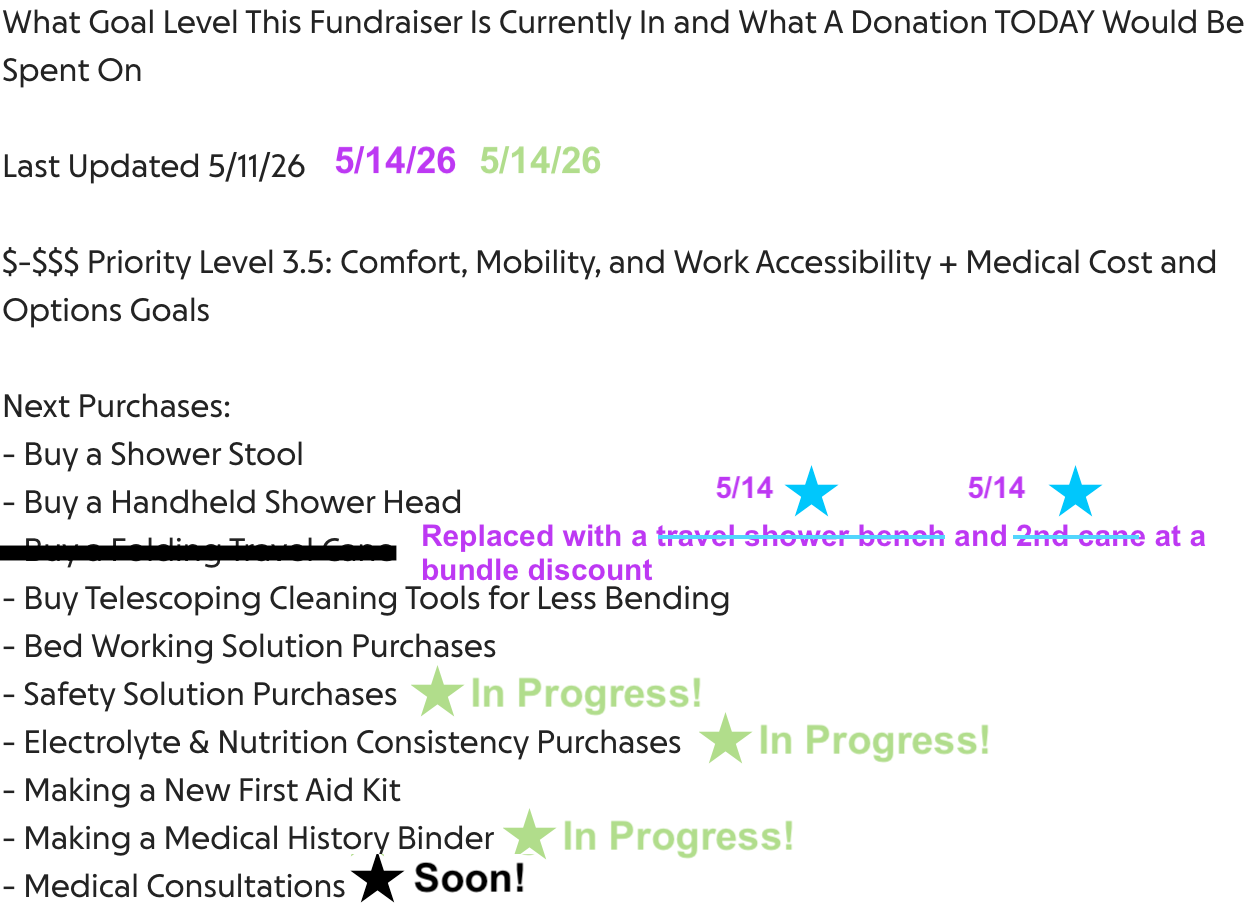
Funding Goals in this order:
(The estimated $615 in help received, and included in the current GoFundMe total, pre-fundraiser is itemized in the thank you post at the bottom of the details page. All goals below are after the initial $615 in help received before the fundraiser was posted to GoFundMe. So, subtract this number from the total to track where we are.)
1. $ The first few dollars: Sanity and less fear of not being able to pay bills. Keeping everyone posted on how I am doing and how people, with whatever illnesses I am eventually confirmed diagnosed with, are doing.
2. $$ Moderate help: Stocking the perpetual necessities like blood production and nervous system vitamins (B-12, B1, Folate, C, D etc) , minerals (salt, potassium, iron), emergency food supplies, allergy medicine, daily medical supplies, symptom tracking and documenting tools, and medical compression stockings to maintain good blood pressure for basic functioning and to also keep my hair, which has responded very well to returning to daily allergy medication and medicated shampoos but is only just starting to grow back.
3. $$$ Major help: The first few hundred: Make disability more comfortable, mobile, safer, and livable at home. Improving my ability to work. (Converting my office, bedroom, shower, reduction of excessive movement in everyday routines, etc.)
4. $$$ Major help: Get 1-3 opinions about my options and diagnostic possibilities. Get extensive autoimmune bloodwork redone independent of any insurance choosing or approving the right tests.
5. $$$$ Extensive help: Get more diagnostic and eliminating tests done. Get to the source of POTS through a treatment program. Get allergy and genetic tests done. Track progress on quality of life options and cure research.
6. $$$$$ Massive help: The beginnings of longer term financial stability and mobility. Continued shouting from the rooftops to help support the efforts in saving as many people as we can in the chronic illness community. If there is extreme excess at this point, I can certainly pay it forward. With new medical attention: POTS and hEDS won't win but the solutions are still very new around the world.
Organizer