- D

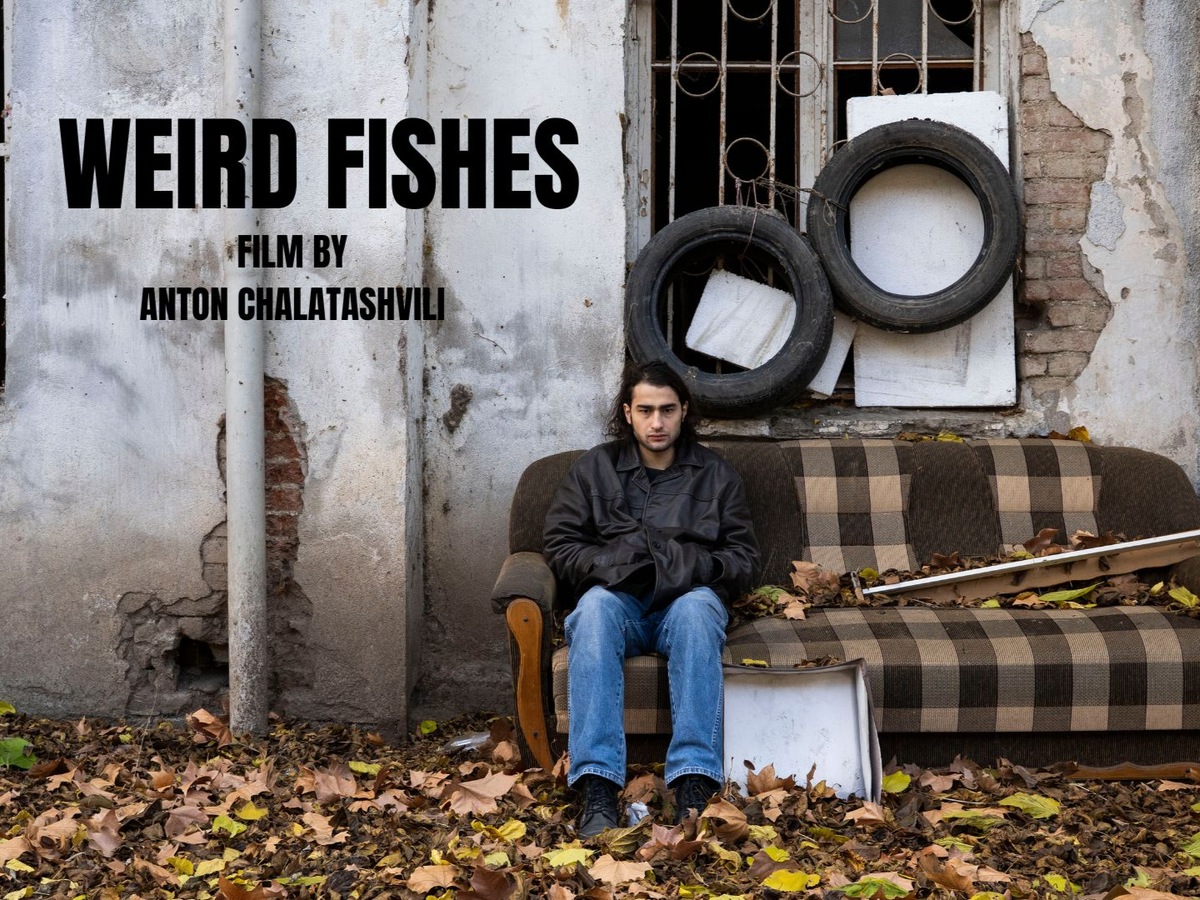
Short Film - Weird Fishes
0% complete
€65 raised of €5K
6 donations
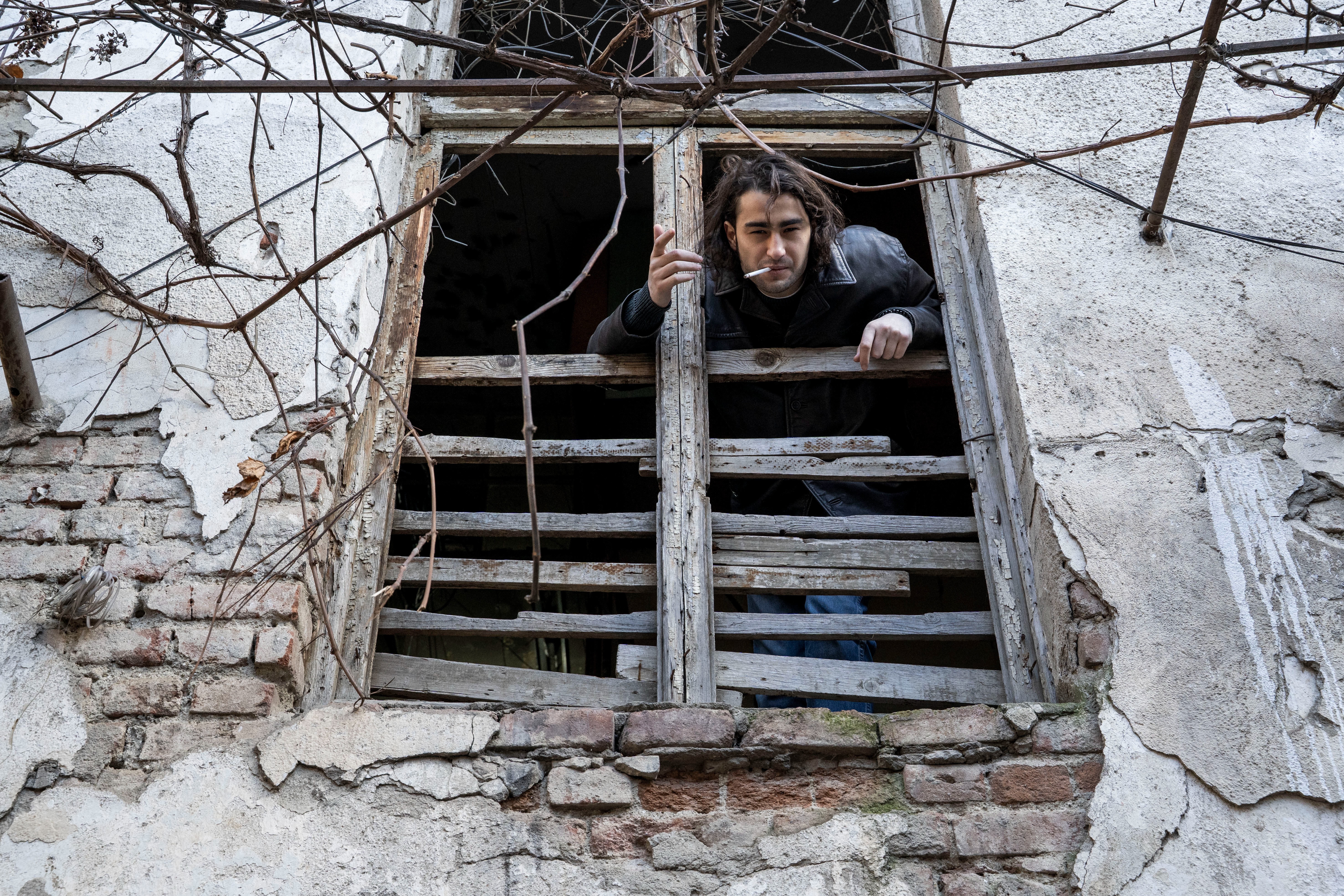
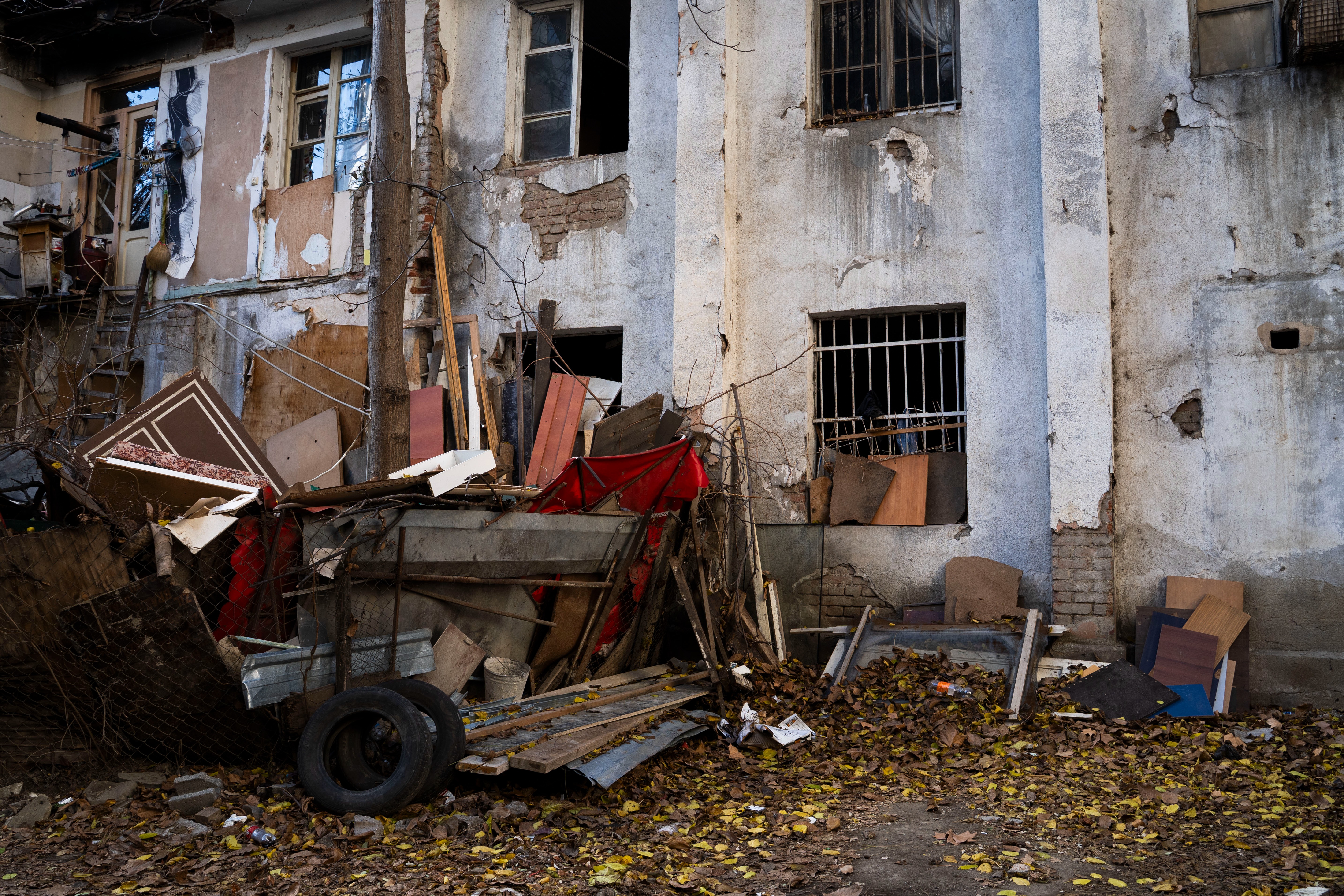
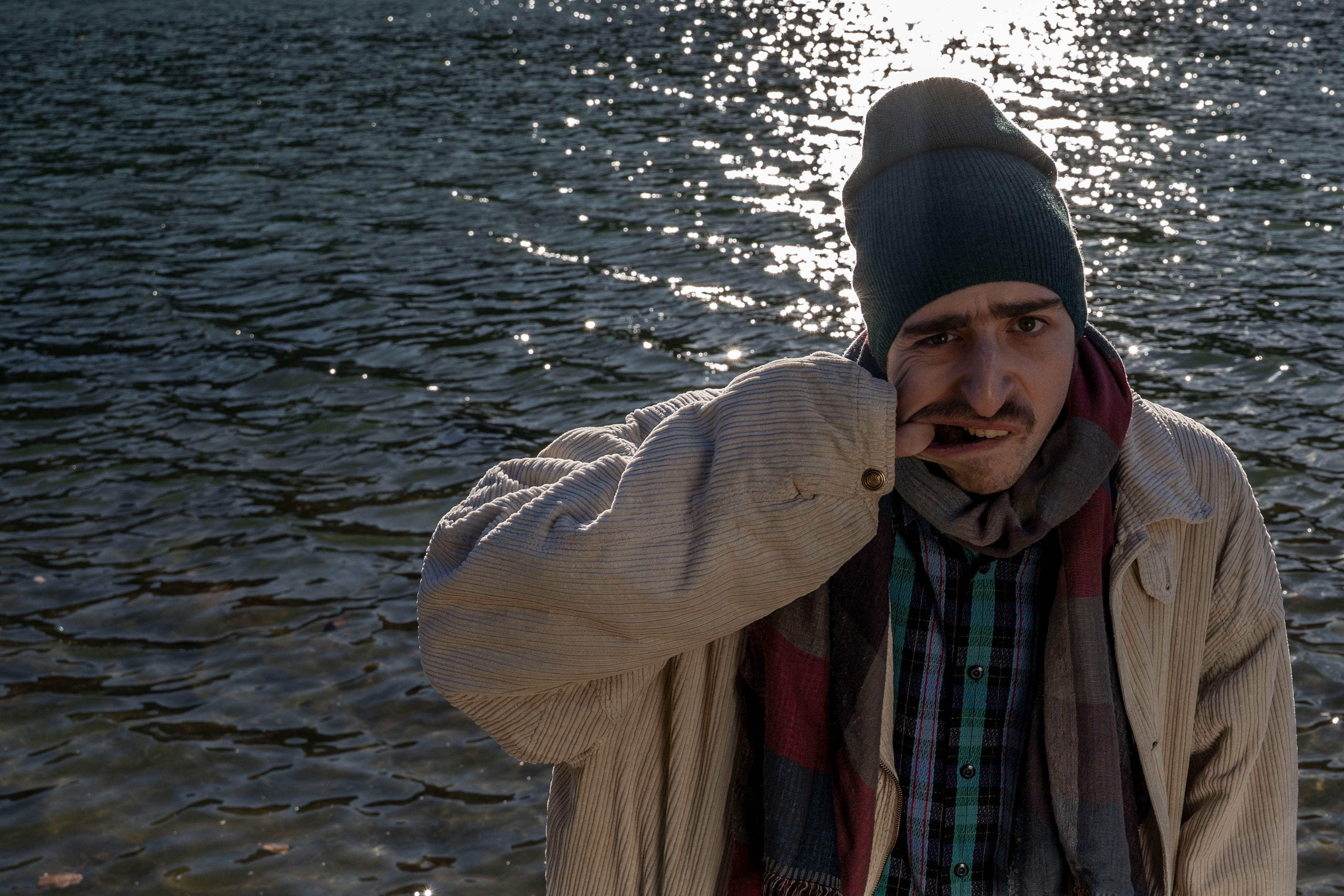
The film addresses a theme that remains a deep scar on Georgia and the Georgian people to this day. The character shown in the film could be standing next to any one of us, carrying a similar pain. We want to remind people once again of the devastating consequences the Abkhazian war brought upon our country, and we believe that cinema is the best way to speak about this. Tekla is a young photographer working on a commercial assignment. Despite a technically flawless series of photographs, the client is dissatisfied, saying that the works lack what is decisive for them: living human emotions - “something that cannot be put into words.” In search of an answer to this demand, Tekla goes to the sea, a space where she hopes that the camera lens will capture exactly what she has been unable to find before. When Tekla arrives at the shore, she discovers Zuka. Zuka is a quiet boy with an unusual inner world, and it is evident that he carries great pain within him. Unfortunately, 20 percent of Georgia’s territory remains occupied by Russia to this day. As a result of the Abkhazian war of 1992-1993, approximately 250,000-300,000 people were forced to leave their homes, and Zuka is one of them. Zuka, too, left his home and went to live elsewhere, where he had nothing and no one. Zuka left Sokhumi with his mother, but she never reached the next city with him. During their escape, his mother fell from the ship and drowned. Zuka spends his entire life thinking about her, trying to find a deeper connection with his mother, who remains on the seabed. Because Zuka has no grave for his mother and suffers deeply from this, he decides to build a device that will be placed on the seabed. From his room, Zuka will listen to the sounds of the ocean floor, thus compensating for the absence of his mother’s grave. This device will, in a literal sense, become his mother’s grave. After hearing this idea, Tekla becomes even more of Zuka’s ally. Everything seems to be going well, but a small conflict arises between them, after which Tekla leaves Zuka for a short time. She soon realizes that she should not abandon him so easily and decides to return. When she arrives at the settlement for displaced people, she learns that Zuka has gone to the shore and plans to enter the water. She runs toward the coast at full speed, hoping to reach him before he goes into the sea. In parallel, we see Zuka entering the water; at some point he runs out of breath and drowns. When Tekla reaches the shore, no one is there. In the final scene, we see Zuka’s room, filled with the sound of the seabed. Zuka has drowned, but he still sank to the bottom, taking the device with him, and ultimately reunited with his mother. Zuka is a person who fell victim to nostalgia and to his own ideas.
Organizer