



Help the Lemon Boys: Fighting for Time, Together
0% complete
$462,492 raised of $500K
3K donations
In March 2026, Ben and Katja Lemon abruptly lost their oldest son, Solomon, to a rare and fatal mitochondrial disease that attacks the brain, liver, and muscles. Solomon was seven years old. He had this disease his whole life, but no one knew. He was mama’s protector, a warrior on the playground, and a fighter to the very end. He wiggled his whole life, and now he can finally rest.
The morning after Solomon’s passing, his two younger brothers were tested. Both are positive for the same genetic mutation.
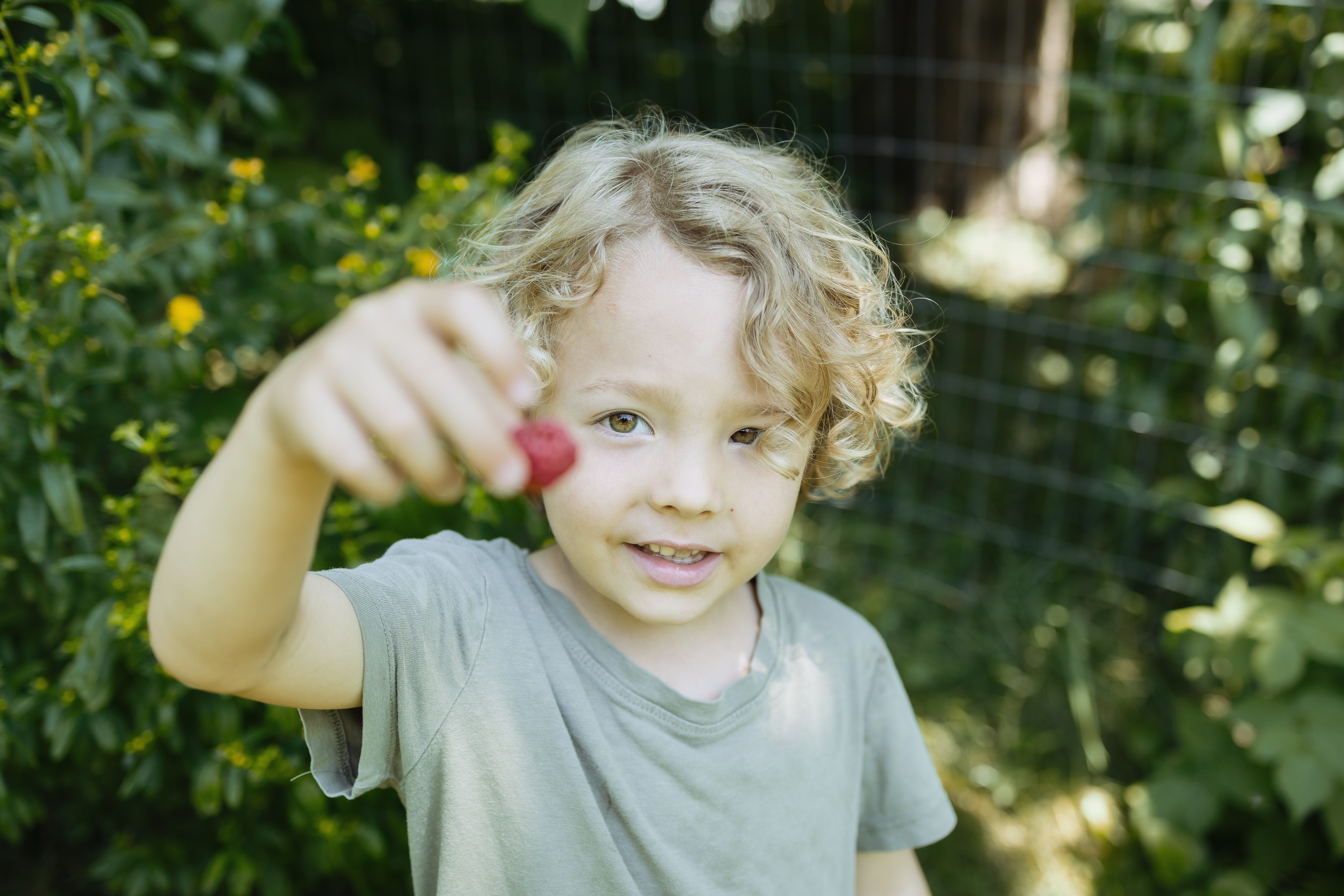
Silas is five. He’s thoughtful and kind. He loves building Legos, painting and art, taking photos, and rough housing. A few days after Solomon passed, Silas told his mother he was worried he “would have to fight a lot, now that he was the oldest brother.” He’s stepping into a role no five-year-old should have to carry.
Aurelius — “Lolo” — is three. He’s already a firecracker. He loves making people laugh, playing “piggy” and “monster” with his dad, and making goofy faces that demand your attention. His big personality fills the room.
Both boys are already showing early signs that the disease is affecting them. They have elevated liver enzymes, and their mom and dad worry each time they say their head, belly, or muscles hurt. Because Solomon’s disease was severe and early-onset, the doctors have a strong concern that it will be the same in his brothers.
There is no cure today. But there is hope.
What the Family Is Fighting For
- Ben and Katja aren’t giving up. They’re doing everything in their power to extend and improve their boys’ lives. Right now, that means:
- Getting to the best specialists in the world. The family is working to establish care at Children’s Hospital of Philadelphia (CHOP) with one of the leading mitochondrial disease specialists in the world. They live in Salt Lake City. CHOP is in Philadelphia. Every trip means flights, hotels, and out-of-network medical care for a family of four.
- Pursuing cutting-edge clinical trials. A new drug called PX578, published in Nature in 2025, has shown the ability to restore function to the exact type of broken enzyme the boys carry. It’s entering Phase 1 trials in 2026. Ben and Katja want their boys in that trial. Getting there may require travel anywhere in the world.
- Covering the medical costs that are already arriving. Solomon’s end-of-life care generated over $300,000 in medical bills. The family now faces years of specialist care, testing, and treatment for two more children with the same disease.
- Protecting the boys’ quality of life right now. Katja, a nurse, has stopped working to provide full-time care and lead the medical research effort. Ben, a West Point graduate and former Black Hawk pilot who now works as a software engineer, has reduced his hours to 30 per week to spend more time with his sons while maintaining the family’s health insurance.
- Making memories while there’s time. The family loves the outdoors — camping, fishing, caring for their chickens and rabbits, walking their backyard trails. The boys have always talked about going to the beach. Ben and Katja want to give their boys the best life they can, for as long as they can.
In Memory of Solomon (2018–2026)
Solomon was filled with energy and wiggled his whole life. He had many struggles and we only found out the true reason for those at the end. He was a protector and a warrior. His family deeply misses him, but they find comfort in knowing he is at peace.
Everything being raised here is in Solomon’s name — to fight for the brothers he left behind.
How the Funds Will Be Used
- Specialist medical care: Establishing and maintaining care at CHOP and other leading mitochondrial disease centers, including travel from Salt Lake City, lodging, and out-of-network costs.
- Clinical trial access: Travel and associated costs for participation in the PX578 trial and any other promising therapies, wherever they are in the world.
- Outstanding and expected medical costs: Solomon’s care and ongoing diagnostic and treatment costs for Silas and Aurelius.
- Family support: Income gap from Ben’s reduced work hours, homeschool resources and socialization for the boys, and meaningful family experiences.
- Research and advocacy: Supporting the family’s ability to stay informed, connected to the research community, and engaged with clinical trials as they develop.
About Ben and Katja
Ben Lemon is a West Point graduate, former Army Black Hawk pilot, and veteran. Ben now works as a software engineer at L3Harris, where he’s reduced his hours to spend every possible moment with his boys.
Katja is a nurse who left her career to provide full-time care for Silas and Aurelius and to lead the family’s medical research effort. She’s making sure the boys are nourished, educated, and loved. She’s also the one on the phone with specialists, reading everything she can about the disease, and making sure nothing is missed.
Their guiding philosophy, as Ben said, “We want to give our children the best life they can have. We want to let them learn, grow, and feel safe and loved for as long as possible.”
About the Disease
Mitochondria are the parts of our cells that produce energy. The boys carry a genetic mutation that prevents their mitochondria from replicating and repairing themselves. Over time, the cells lose the energy they need to function — especially in the brain, liver, and muscles. The disease is progressive and currently fatal.
A breakthrough drug (PX578) published in Nature in April 2025 has shown the ability to restore function to the exact enzyme affected by the boys’ mutation. It is now entering human trials. This is the most promising development in decades.
Time is the one thing this family doesn’t have enough of. Every dollar raised here buys more of it.
"Life is good, but life is hard."
— Ben Lemon
This fundraiser is organized by Dave Huff, a fellow veteran who served with Ben’s brother Jared in Afghanistan with the 82nd Airborne Division. Every dollar goes directly to the Lemon family.
Organizer and beneficiary
Benjamin Lemon
Beneficiary