- L
- T

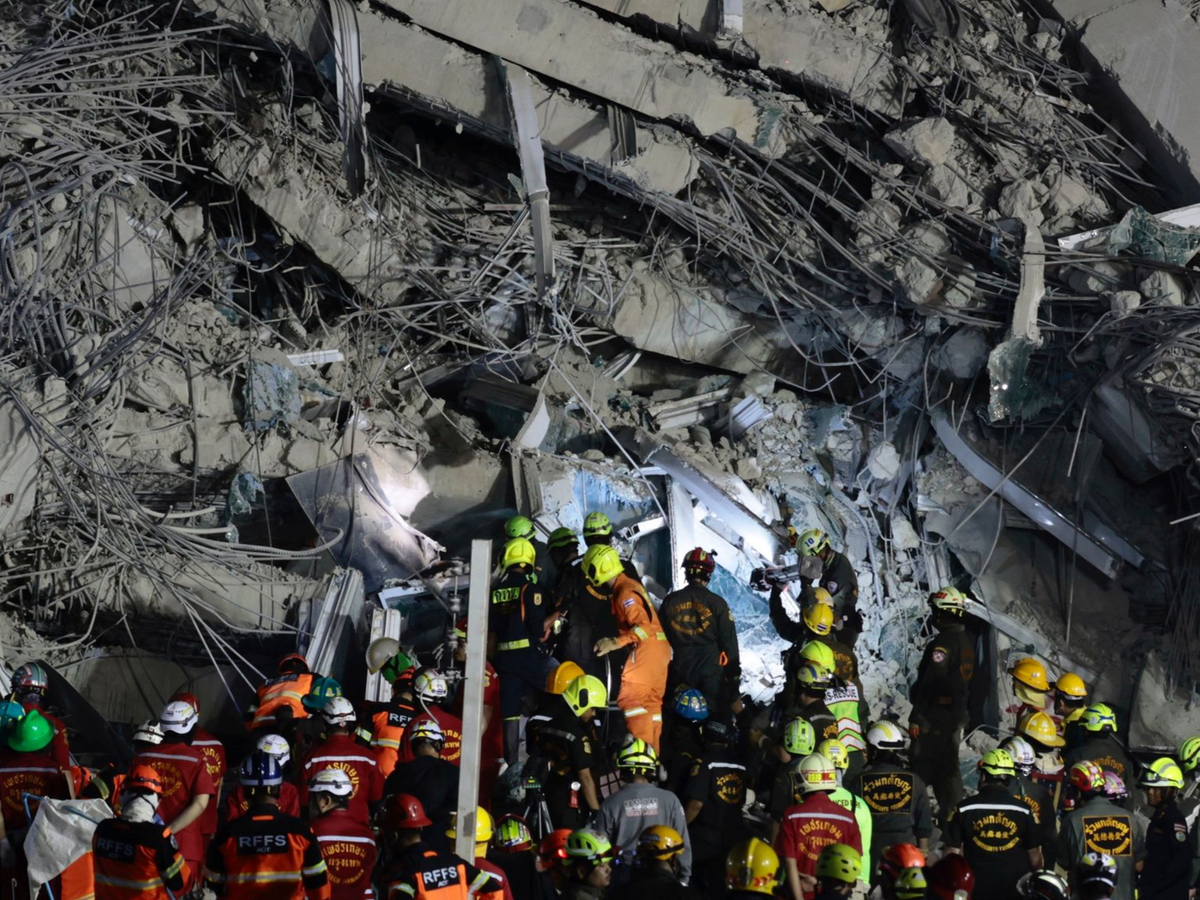
A devastating 7.7-magnitude earthquake struck central Myanmar on March 28, 2025, causing widespread destruction and loss of life. The quake's epicentre was near Mandalay, the country's second-largest city, leading to the collapse of numerous buildings, including mosques, schools, and residential structures. As of March 31, reports indicate that over 3,00 people have died, with more than 3,500 injured and 498 missing.
The disaster has further strained Myanmar's already fragile infrastructure and compounded the ongoing humanitarian crisis resulting from internal conflicts. The military junta, led by General Min Aung Hlaing, has declared a state of emergency and appealed for international assistance—a rare move for the regime.
In response to the catastrophe, the National Unity Government (NUG), an opposition faction, has announced a two-week ceasefire in the affected areas to facilitate rescue and relief operations. The NUG has allocated $1 million for emergency aid and is collaborating with international organizations to support relief efforts.
However, the international response has been complicated by recent cuts to foreign aid programs. The earthquake is the first major disaster to occur following the shutdown of the U.S. Agency for International Development (USAID) by President Donald Trump, which had previously provided substantial aid to Myanmar. This reduction in assistance has hindered the global community's ability to respond effectively to the crisis.
The people of Myanmar are in dire need of assistance to rebuild their lives and communities. Your support can make a significant difference in delivering essential aid to those affected by this disaster.
For those in Australia wishing to support this vital humanitarian effort, donations can be made to the Lawkapala Foundation, a registered Australian charity partnering with the Ministry of Humanitarian Affairs and Disaster Management (MoHADM) of the NUG. All funds raised will be securely transferred to the Ministry for direct use in emergency response, medical aid, shelter, and food distribution in the hardest-hit regions.
Organizer