- G
- C
Logline:
Marion, an impulsive drug addict, has neglected her inner child. When faced with her past self, Marion must reflect on who she has become.
Summary:
Marion, a cocaine addict with little self-respect, panics when she runs out of drugs. As Marion struggles to find her drug of choice, she is met with memories and visions of her younger self. Through fragments of her past, Marion acknowledges her inner child and begins to accept her harsh reality.
Mission Statement:
Battling drug addiction through the years lead me to learn and unlearn many things. The most important lesson I learned was nothing matters unless it’s the truth–if I wanted to live, I needed to be honest with myself. This film is my truth, and I am hopeful my truth will help others realize theirs.
About:
Every single year there are approximately 20 million American citizens who struggle with substance abuse and addiction. Out of those 20 million people, statistically, 100,000 of them will die from a drug overdose within the next year. (National Center for Health Statistics, 2021). My name is Madeline Carter, and I have been battling a drug addiction since I was 17 years old. Now, being almost 22 I look back at a younger version of myself, the self that didn’t need to be high, and I find I am extraordinarily frustrated. Frustrated as to how my 12-year-old self could succumb to such destructive behaviors within a matter of a few years. It felt like one day I was 12 years old walking back from dance class, and then a second later I was an adult walking down the street in search of cocaine. In my mind, there was no progression to who I had become.
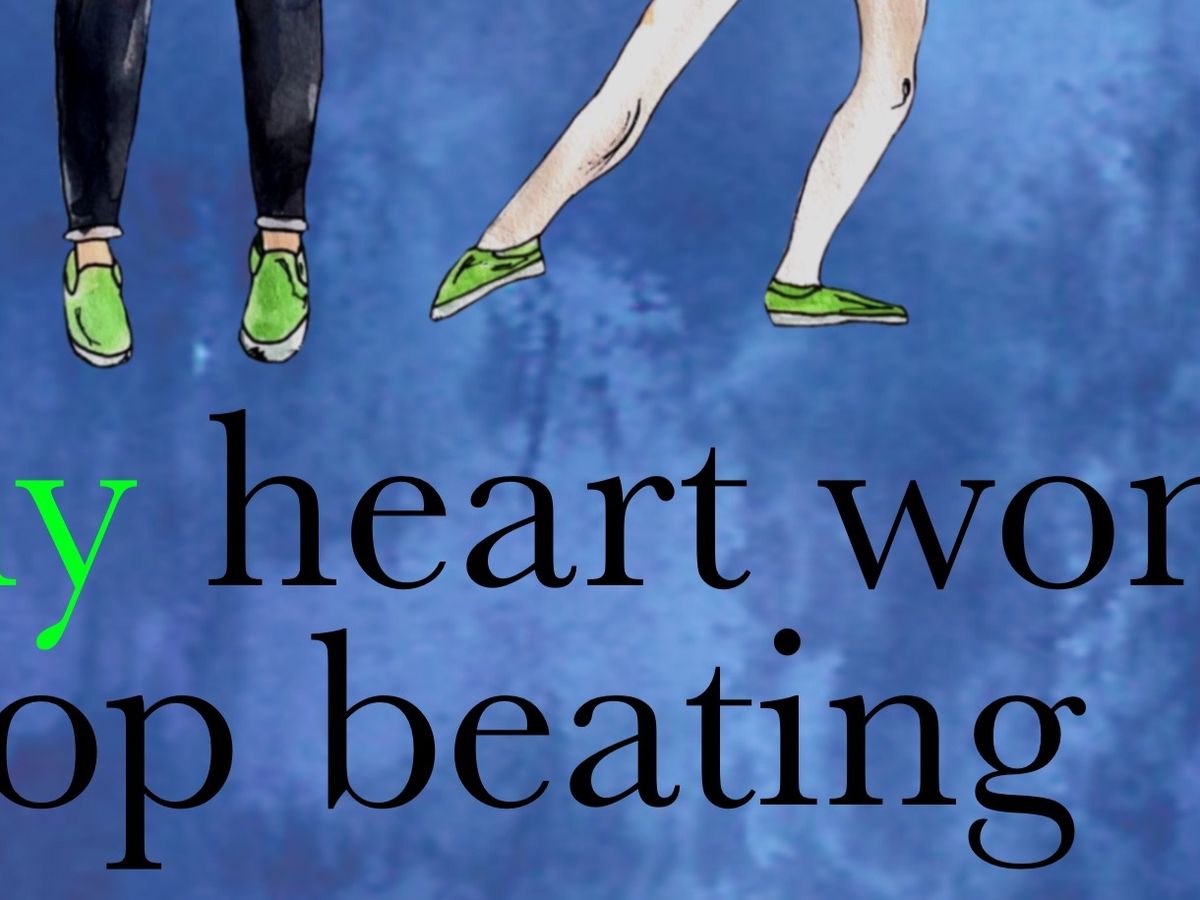
When it came time to start considering my thesis, I knew I needed to visualize this feeling of instant self-destruction. Thus came my thesis screenplay, My Heart Won’t Stop Beating. Once the story was finalized, I had cemented my end goal for the film: to tell a truthful story. Through my years of battling drug addiction, I have learned and unlearned many things. But the most important thing I took away from every rehab center, therapy session, and drug test was, nothing matters if it isn’t the truth. This film matters because the story is my truth, and I hope that my truth, through this film, will help others realize theirs.
My Heart Won’t Stop Beating, follows 20-year-old Marion– an active cocaine addict, and her past 12-year-old self– a ballerina withdrawn from her surroundings. At these two points in her life, Marion needs to decide what is best for her and suffer any consequences as a result. Through forgotten memories and fragments of her past, Marion will mentally face her 12-year-old self and begin to acknowledge her inner child. With a choreographed ballet routine concluding the film, Marion will metaphorically be reunited with her inner child and start the process of healing.
Whilst writing the script, I pulled inspiration from writer and director David Lynch. Specifically looking at his film Mulholland Drive, I was able to better understand how to structure a screenplay with two parallel stories. Looking also at Lynch’s film Blue Velvet, I was inspired to take a somewhat surreal approach to the story using mundane or simple situations. For example, in Blue Velvet, Lynch uses the facade of idealistic suburbia to tell a rather unnerving story– that nothing is ever as it seems. In the account of my script, you could say that ballet is “suburbia” whilst Marion’s addiction and dissociation from reality is the idea that “nothing is ever as it seems.”
The film has already, been and will probably continue to impact my own life, both personally and career-wise. Writing this story and visualizing it is a very powerful and heavy feeling for me. I am forcing myself to visualize very real and harsh feelings and while I'm fully capable of doing so, reflecting on the point of my life in which the story came from is nothing less than challenging. In the end, the film will stand alone as its own statement and its own truth. As an up-and-coming screenwriter and director, I know the film will be a stepping stone into my career and not only encourage artistic growth but growth in my addiction recovery as well.
Thank you,
Madeline Carter (writer and director)