Mutual Aid in Gaza – by women for women
0% complete
£3,540 raised of
58 donations
Preserving seeds & breeds in Gaza – a lifeline
Preserving Gaza’s indigenous seeds and livestock breeds is crucial work. Indeed, it is a lifeline.
Because Israel has blocked access to all agricultural inputs since Oct 7th 2023, and the majority of food aid since the 'ceasefire', preserving and sharing Gaza’s Indigenous agricultural commons (seeds, livestock breeds and knowledge) has never been more important. But it is also dangerous.
Yet women are leading the way in this work. They are prepared to defend millennia of knowledge even as Gaza continues to suffer military violence and is left to fend for itself.
This GoFundMe campaign supports two sisters who make a crucial daily contribution to Gaza’s food system.
Meet the Muhanna sisters - Hanadi and Mona
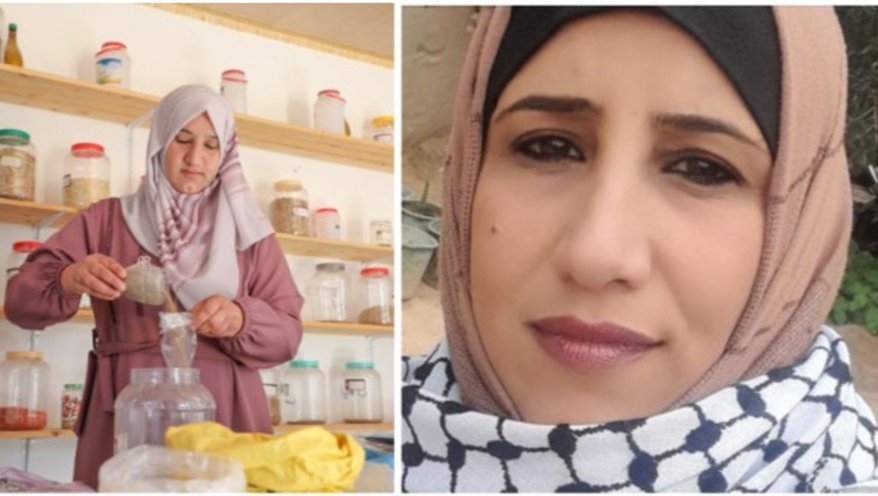
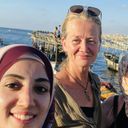
(seed preserver Hanadi (left) at Al Qarara seed bank, and vet Mona (right) before October 2023.)
Hanadi is the co-founder of the Al Qarara Seed Bank, a community-supported initiative primarily funded by family farmers. Hanadi began this initiative with her father Salama.
Their goal was to protect open-pollinated baladi seed varieties through a highly skilled process of breeding, selection, multiplication and storage.
Until December 2023 when it was destroyed by the IDF, the seed bank with its multiplication and training area was one of the few remaining spaces where Gaza’s collective agricultural memory was preserved and exchanged.
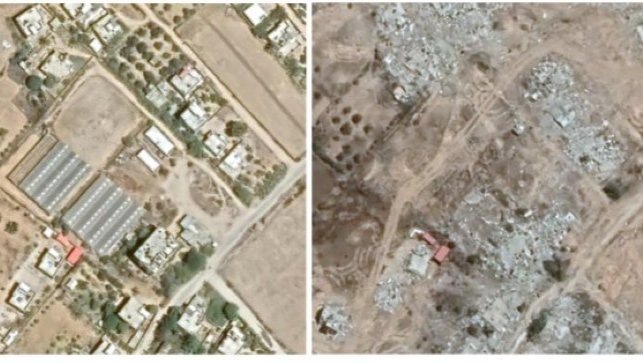
(The Muhanna family home in 2022, housing seed storage, multiplication and training areas. On the right after it was destroyed and the area levelled in December 2023) (Google Earth)
Al Qarara focused on baladi varieties because these have been adapted to heat, salinity and diseases. Requiring little water and no synthetic inputs, they are suited to dryland ba’li cropping. They are nutrient-dense and are preferred for their taste.
The seed bank used to distribute baladi seeds to local farmers: jute mallow, malokhia, barley, watermelon, and others. After each harvest, farmers returned an equivalent amount of seeds to the bank for distribution to members.
This reciprocity ensured the survival of local plant varieties. It also fostered a network of trust and knowledge-sharing among farmers. These connections are now more important than ever.
Despite unimaginable circumstances, Hanadi continues her mission with steadfastness. She understands the value of baladi seed to food system autonomy. She knows the imported hybrid seed varieties that needed to be purchased year-on-year are poorly suited to Gaza's conditions, and are highly water and input dependent. And, 3 years on, she also knows that any of the remaining hybrid seeds left in Gaza are now unviable.
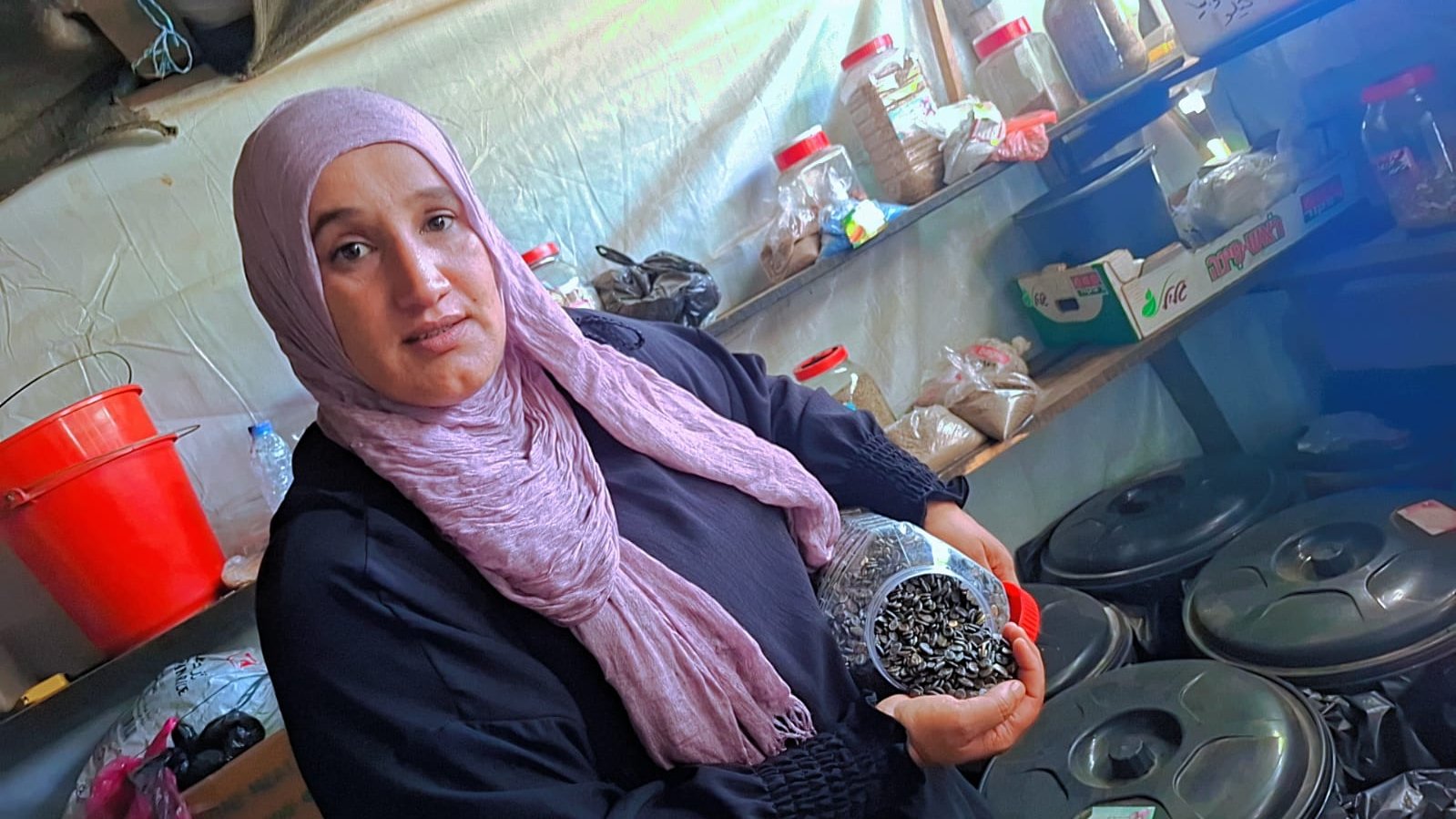
Like most other Gazans, Hanadi is now displaced and living in a makeshift shelter. Hanadi and her father count the containers of seed that they escaped with amongst their most precious belongings.
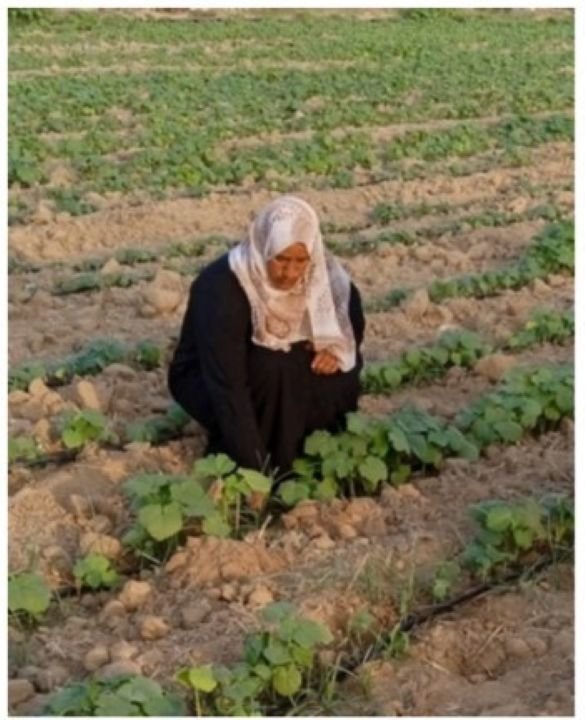
Yet she continues to trace seeds still held by farmers. With her father, she has begun to multiply seed on rented land in Deir al-Balah. Their seed collection represents hope. It's a way to stay rooted in collective care and possibility.
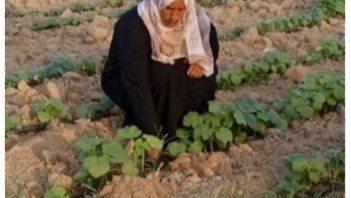
(Hanadi in Deir Al Balah, multiplying seed for distribution across their network)
Hanadi’s sister, Mona is a dairy producer and cheese maker who trained as a vet. Long before October 7th, she was concerned about livestock intensification in Gaza. Mona used to train people, particularly women, how to farm without using industrially produced feeds or medications to improve animal health.
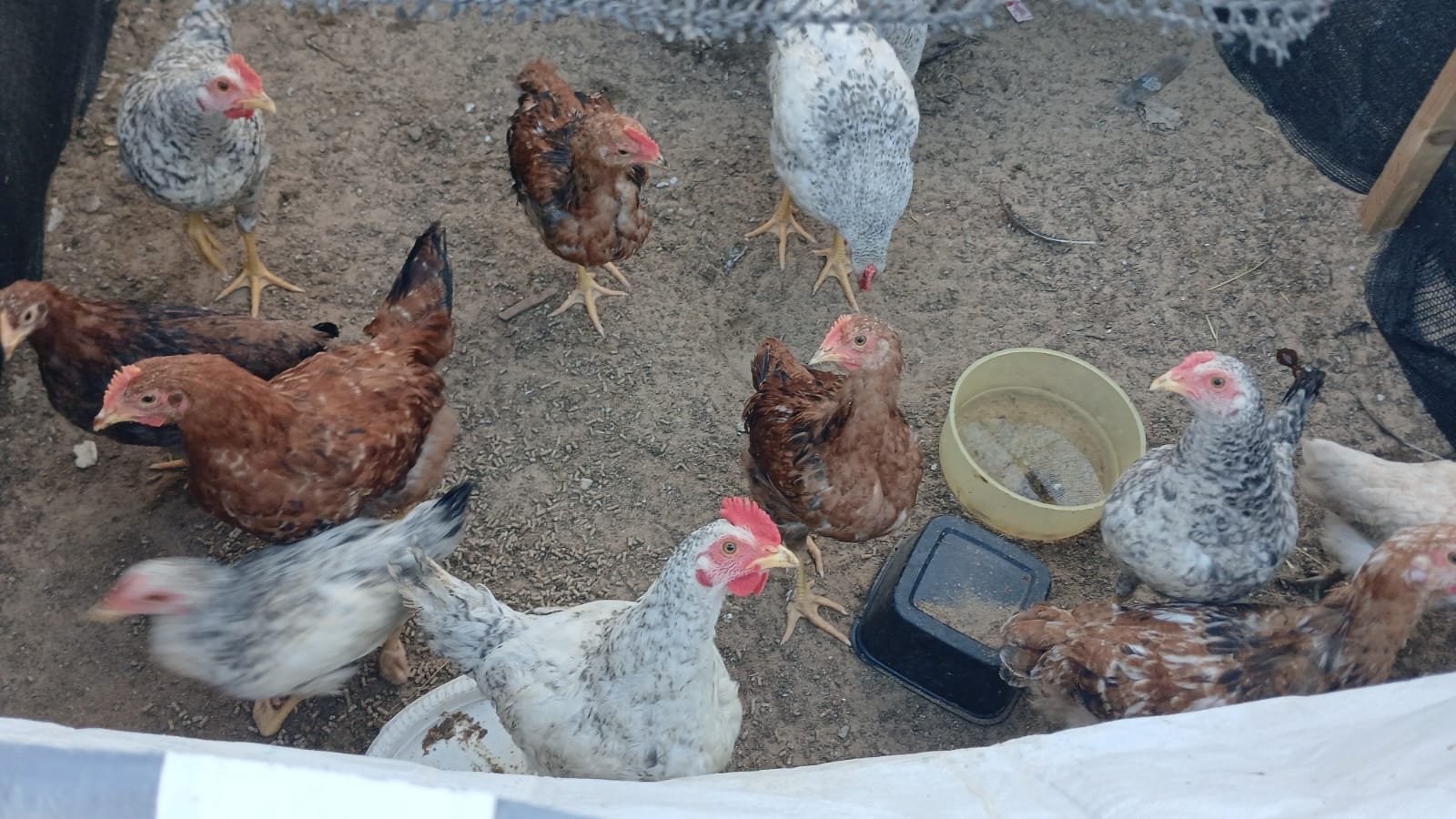
Now displaced in Al-Mawasi, Mona has set up hatcheries. She is breeding indigenous chickens for egg production and distribution. Her work provides essential sources of protein, as well as advice on animal welfare.
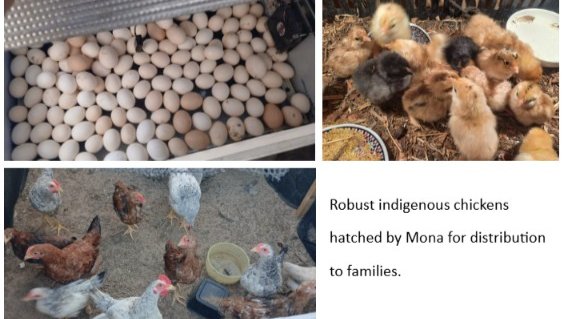
Since Israel’s genocide on Gaza began, Mona, Hanadi and others have established a women’s family farming advisory service that responds to women farmers’ needs.
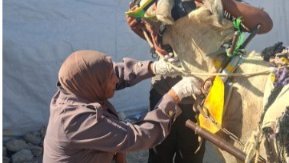
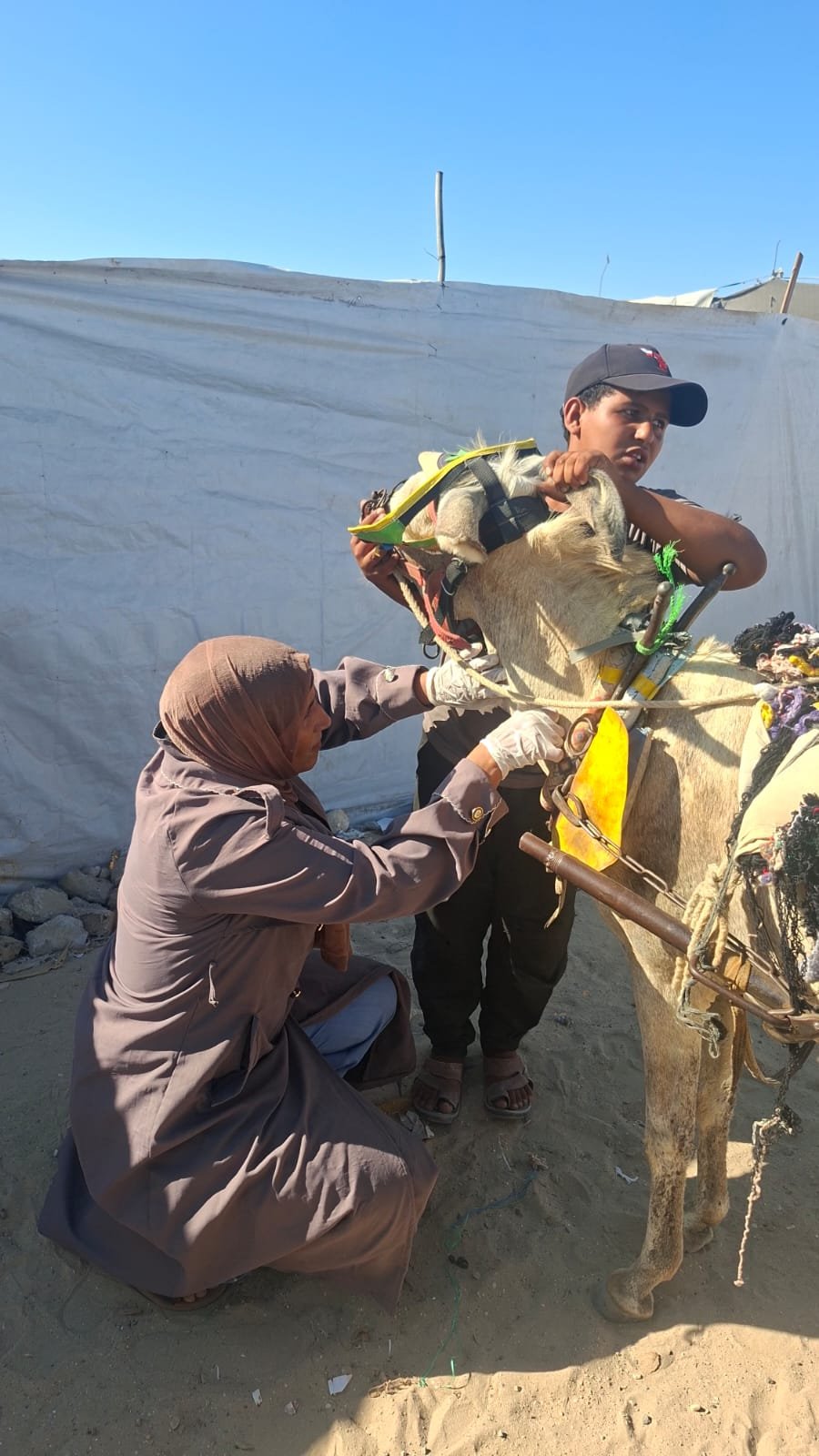
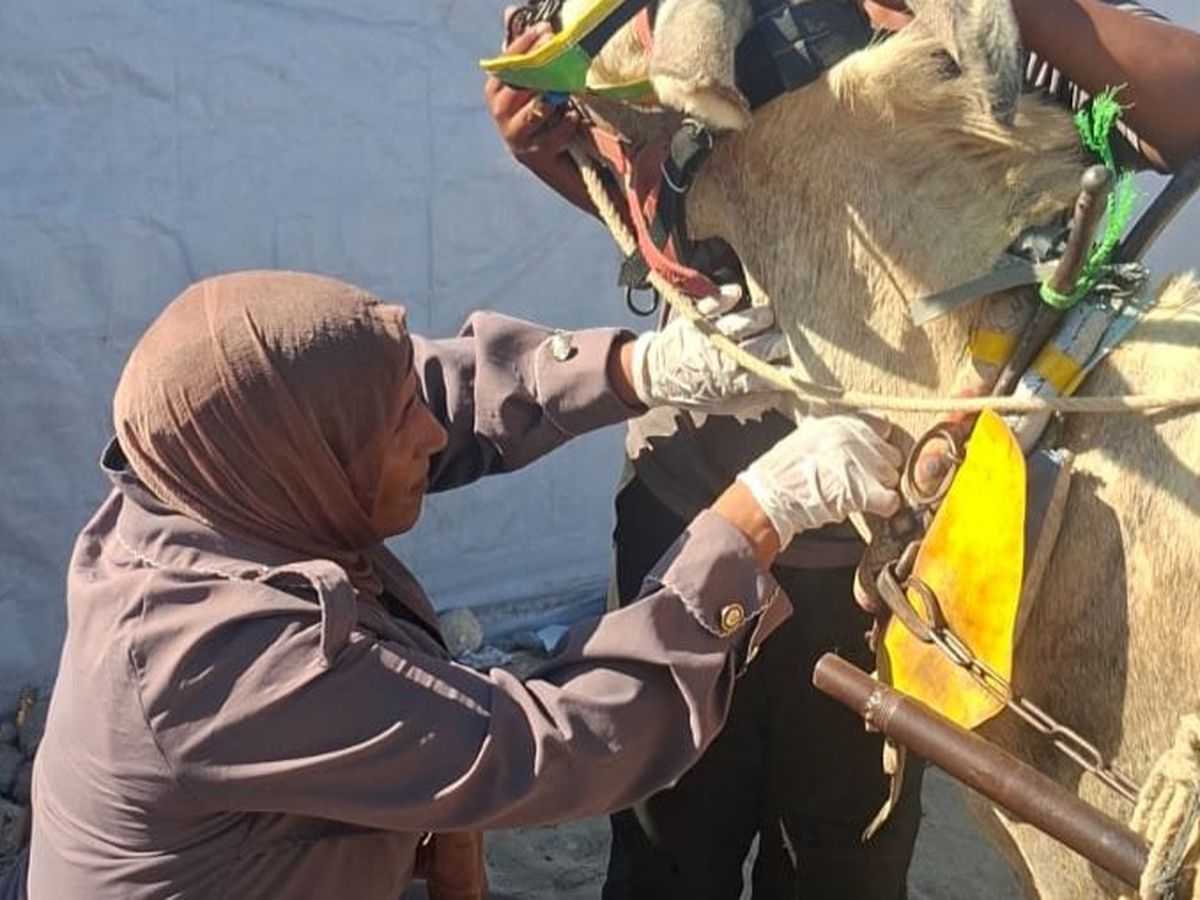
(Mona providing nutrition and welfare advice to a family who depend on their donkey for their sole livelihood source)
Travelling under extremely difficult and dangerous conditions to provide one-to-one advice, and using a Whatsapp group to share techniques and check on each other, they organise and support mutual aid networks.
Their approach provides support to women by women. There are now over 600 women producers in the network.
What do the sisters plan to do with your support?
Their intention is to continue their outreach to women across Gaza. And, in Mona's own words:
"Soon, we are going to establish a women’s productive area focused on pastries, food drying, and pickles, in order to respond to people’s needs in the current situation.
In this area, we are trying to connect the three fields together through an integrated approach:
- Using food scraps and agricultural waste as animal feed.
- Using animal and poultry manure as fertilizer for agricultural crops.
- Using animal waste, agricultural residues, and food waste to produce compost.
This creates a cycle that links animal production, agriculture, and food processing while reducing waste and making the best use of available resources."
Mona and Hanadi’s life-giving skills, and their gift of sharing, are amongst the most precious assets in Gaza.
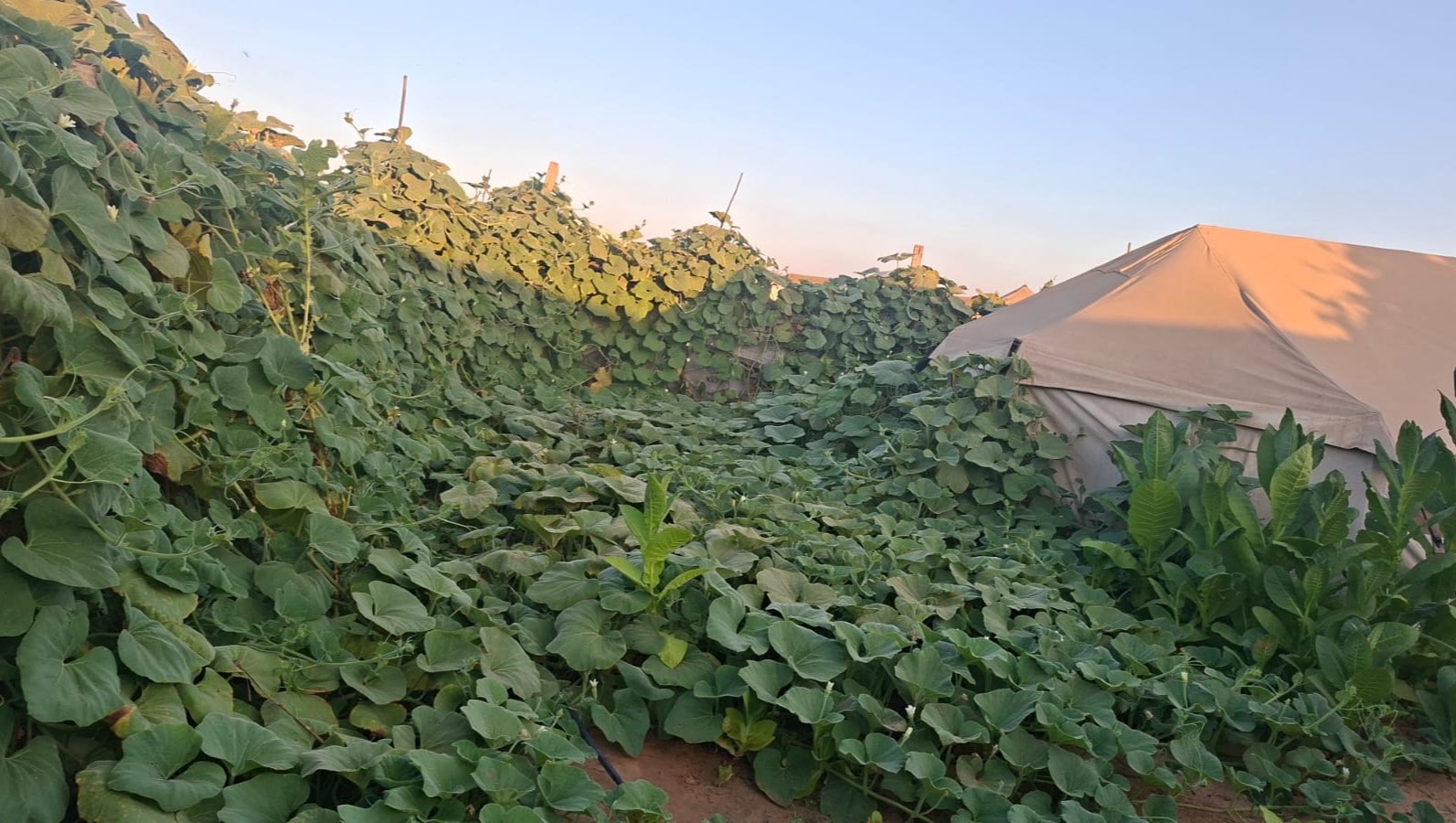
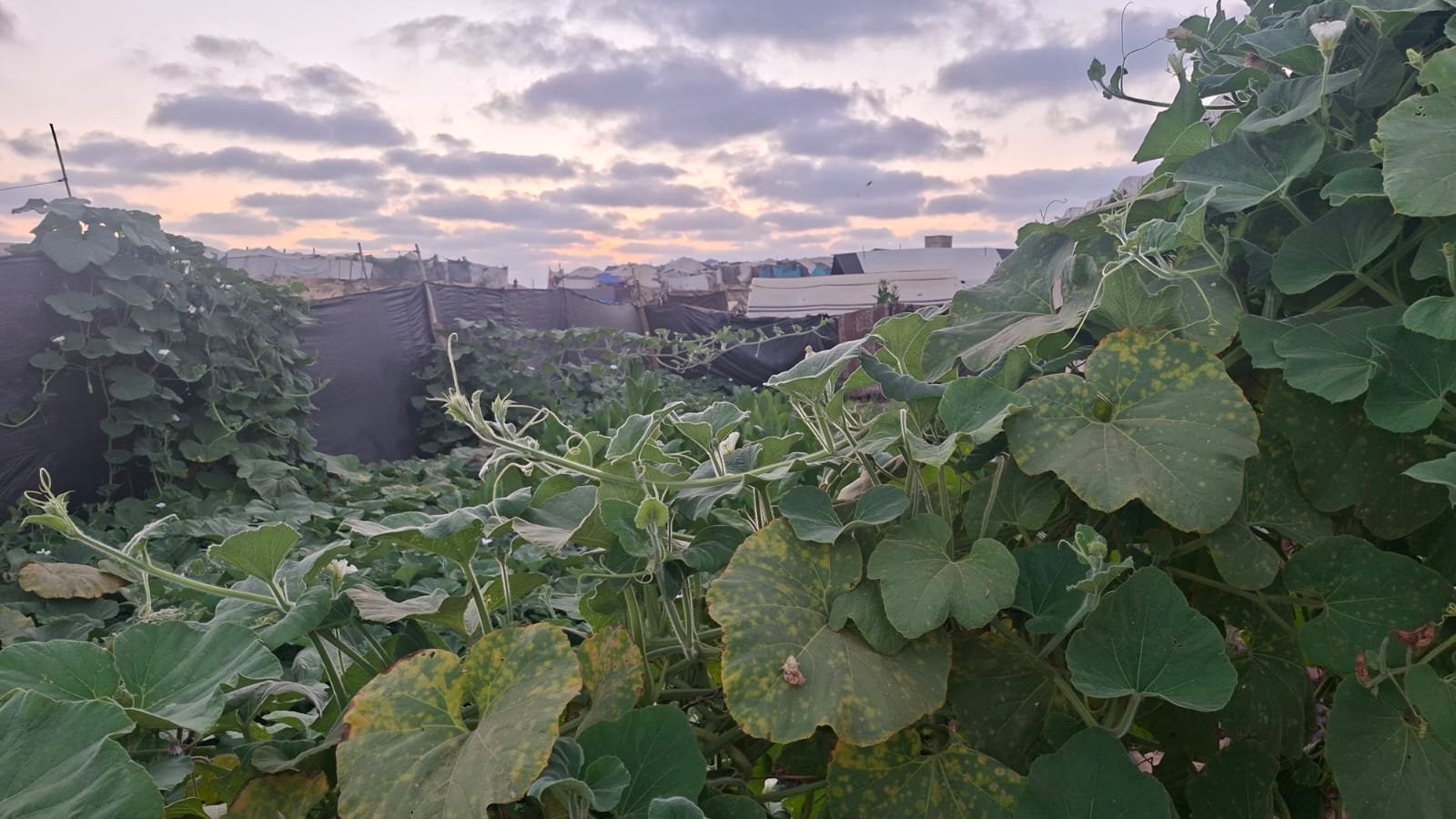
(Pumpkin planted around tents housing displaced families provides a source of food, privacy and beauty amidst the devastation.
Who are we?
We are food systems researchers based in the UK who first met Hanadi, Mona and other women farmers in Gaza in 2022. We continued working with them in online focus groups through a project called Gaza Foodways , that ran between November 2021 until May 2026.
We first wrote about Hanadi’s experience as part of the international research collective AgroecologyNow Since then, we have reported on how women like Hanadi and Mona are refusing the erasure of Gaza’s foodways .
Organizer