- W
- K
Muscular Dystrophy treatment options for Kaius
0% complete
$4,548 raised of $20K AUD
33 donations

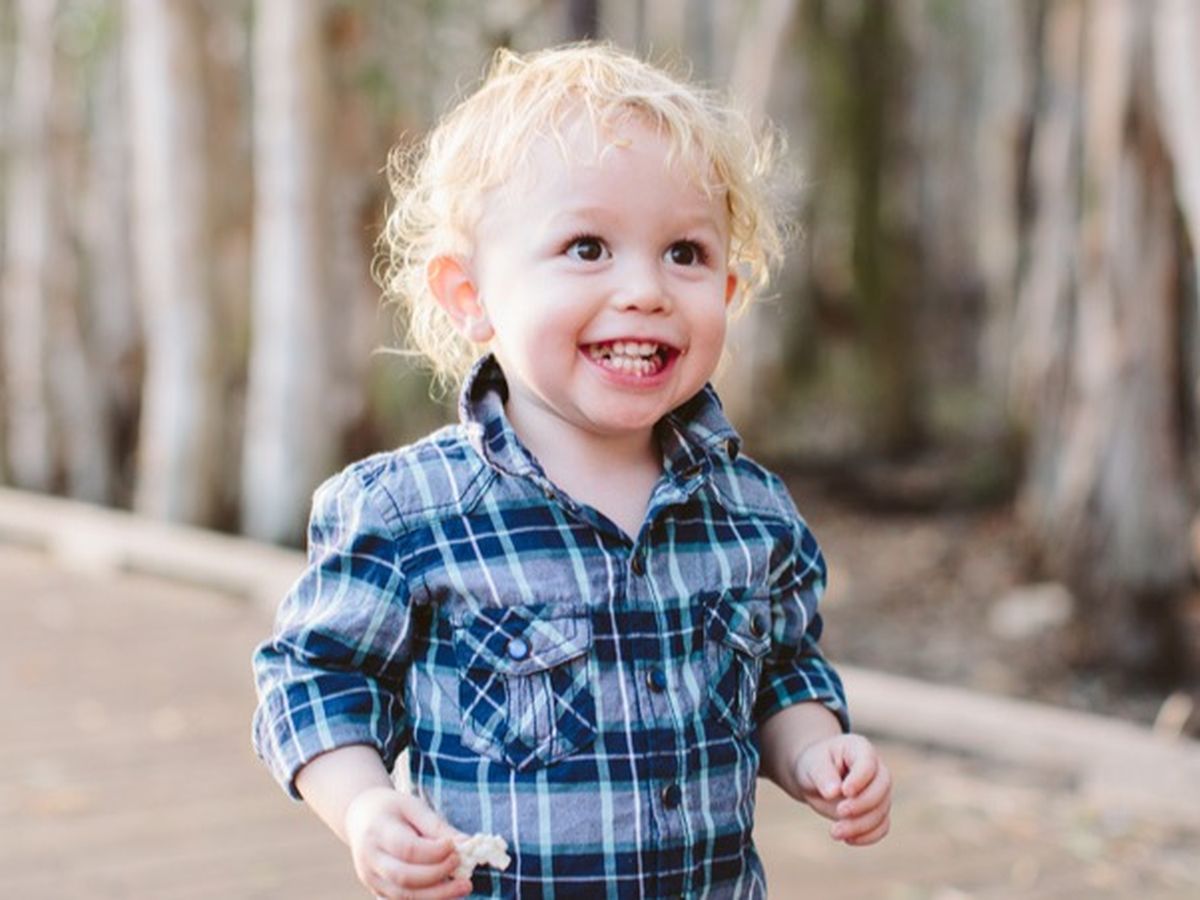
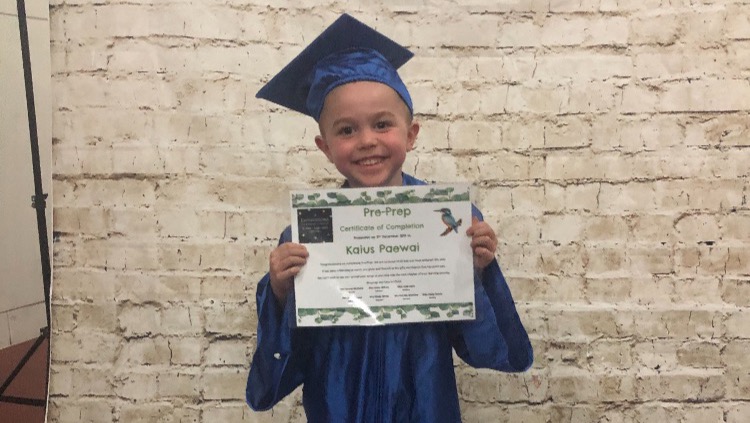
Kaius, our cheeky firstborn son, was diagnosed with Duchenne’s Muscular Dystrophy (DMD) on the 15th of December 2017 at the tender age of three. He always had a duck gait and used to run with his hips. We just thought at the time, that it was a cute waddle.
A few days before finding out about Kaius’ diagnosis, he woke up one morning and was unable to put his foot flat on the ground without excruciating pain. We immediately took him to the hospital and after running a battery of initial testing, we were told that he had a muscle infection, and we would need to do further genetic testing for muscular dystrophy.
The moment they confirmed it was DMD was the single most crushing moment of my and my husband’s lives. The overwhelming sense of sorrow, injustice and grief that followed is difficult to put into words.
Duchenne’s Muscular Dystrophy (DMD) is a progressive and degenerative neuromuscular genetic disorder and one of the most severe of all muscular degenerative conditions diagnosed in children. DMD is caused by a fault/alteration in a protein called Dystrophin that normally helps maintain the integrity of muscle fibers. Over time, muscle cells become easily damaged and are replaced by scar tissue, called fibrosis, which results in progressive weakness first affecting the proximal muscles (the muscles closest to the core), and later the distal limb muscles (those close to the extremities).
As the condition progresses, children often begin to lose mobility in their legs between the ages of 5 to 12. By the time they reach high school almost all DMD patients are fully wheelchair-bound.
In later years, the heart, throat, and respiratory muscles are also affected, meaning DMD patients often require pacemakers, feeding tubes and breathing assistance. Eventually, this progressive weakness can lead to the risk of cardiac and respiratory complications and eventual failure of those organs.
The life expectancy of those with DMD ranges from the second to the fourth decade of life.
As the Dystrophin protein is also expressed in neurons within specific brain regions, children with DMD can also present with non-progressive cognitive dysfunction affecting memory, the ability to focus, as well as language and reading difficulties.
There is currently no cure for this disease and most treatment options are unavailable within Australia, where more funding, awareness and research are desperately needed to combat this cruel condition.
We do, however, have an opportunity to explore alternative treatment options overseas in the US, the UK & other countries. Currently, two specific therapies and treatment options can give Kaius a few more years of mobility and muscle function, extending his quality of life, namely gene therapy and stem cell therapy.
Gene Therapy in DMD consists of a single infusion designed to correct the genetic fault in the dystrophin protein. Gene Therapy cannot bring back the cells Kaius has already lost, but it can preserve the cells that remain and keep them functioning for longer. Children with DMD in preliminary trials showed improvement in strength and endurance at an age where most other children with DMD would have usually become weaker.
Stem Cell Therapy for the treatment of DMD can be created from Kaius’s cells, which would then be genetically altered in vitro to restore dystrophin expression and then would be subsequently re-implanted. Alternatively, stem cells can be taken from another person who has functional dystrophin proteins and then these cells can be transferred and then transplanted.
Though these therapies are not a cure, they are showing promising results in DMD patients. Kaius will be turning 9 years old this year and we have created this page in the hopes of providing him with the best possible treatment options available. Please help us to raise enough funds to be able to explore these options for our son - we appreciate any donation and all your prayers.
We thank you sincerely from the bottom of our hearts,
Kahu & Jessica Paewai
Further information & reading: