Support this fundraiser
Mundo Verde is a small non-profit in Guatemala making a significant impact in the lives of many indigenous families and communities by providing small, sustainable gardens and communal greenhouses. These gardens and greenhouses are not only a source of nutritional food for indigenous families but they also provide an additional source of revenue by affording the families an opportunity sell or trade up to 95% of the crops.
Having small, sustainable gardens has a significant impact on small families and neighborhoods. By growing their own food, families can reduce their reliance on expensive, processed foods and instead consume healthy, locally sourced produce. Additionally, the extra food that they produce can be sold or traded with their neighbors, providing an additional source of revenue for families. This not only helps to improve their economic situation but also creates a sense of community and camaraderie among neighbors. Having access to fresh, healthy produce also helps to promote a more hopeful mindset for the future, as families can see the tangible benefits of their hard work and dedication.
Mundo Verde's efforts are truly making a difference in the lives of those they serve, and their commitment to sustainable gardening practices ensures that these benefits will continue for generations to come.
Family Micro-farming
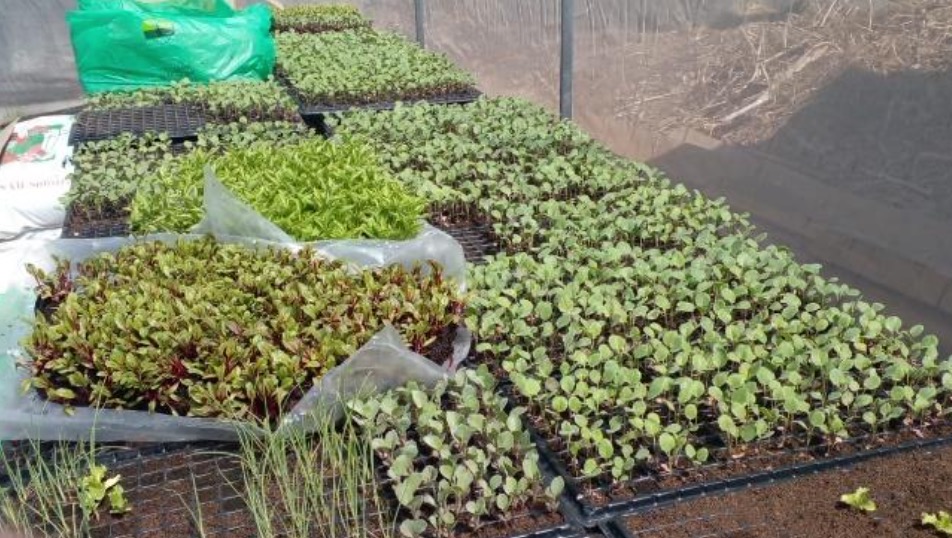
Micro-farms are being established in diverse locations, including rooftops, indoor spaces, as well as backyards and front yards. These transformative endeavors give rise to compact yet highly productive family farms, yielding an abundance of delectable vegetables suitable for consumption, commercialization, or trade.
Communal gardens & greenhouses
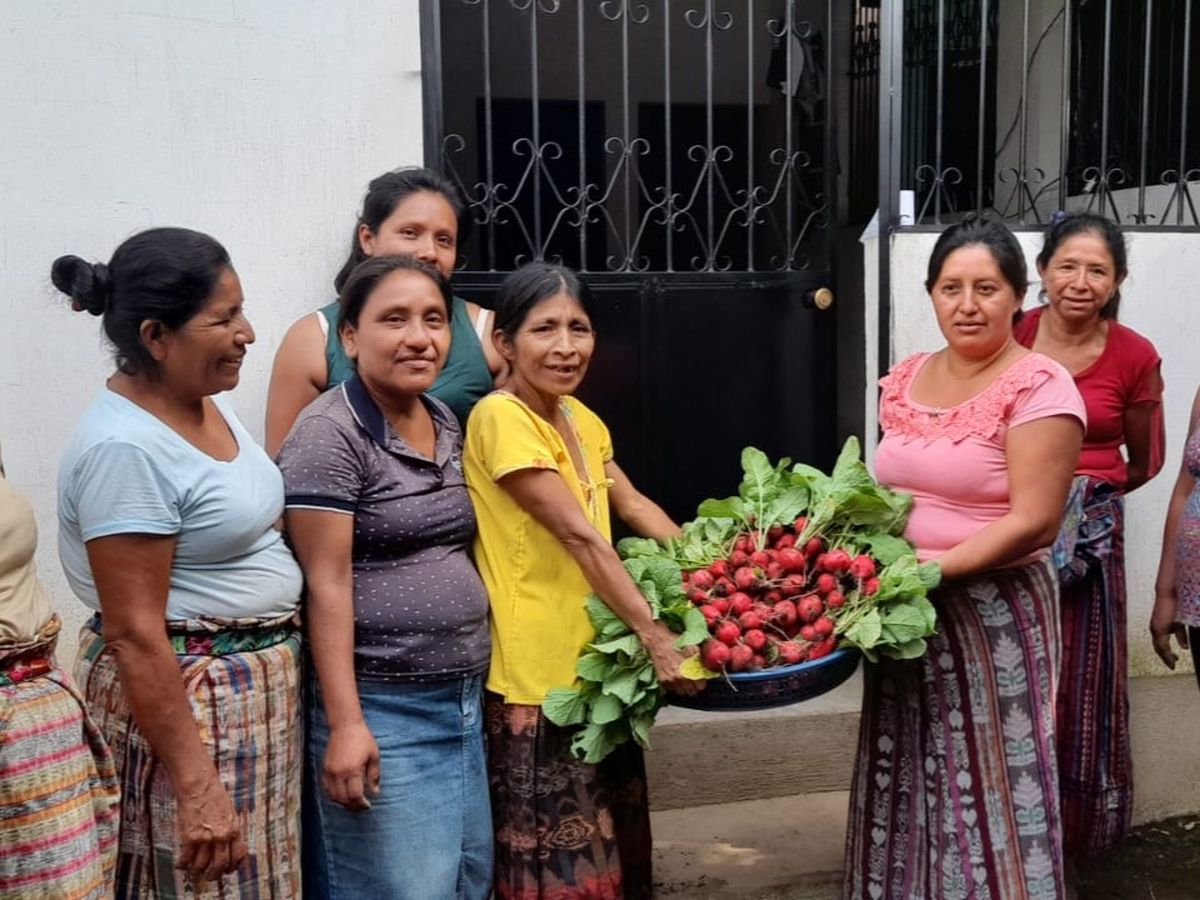
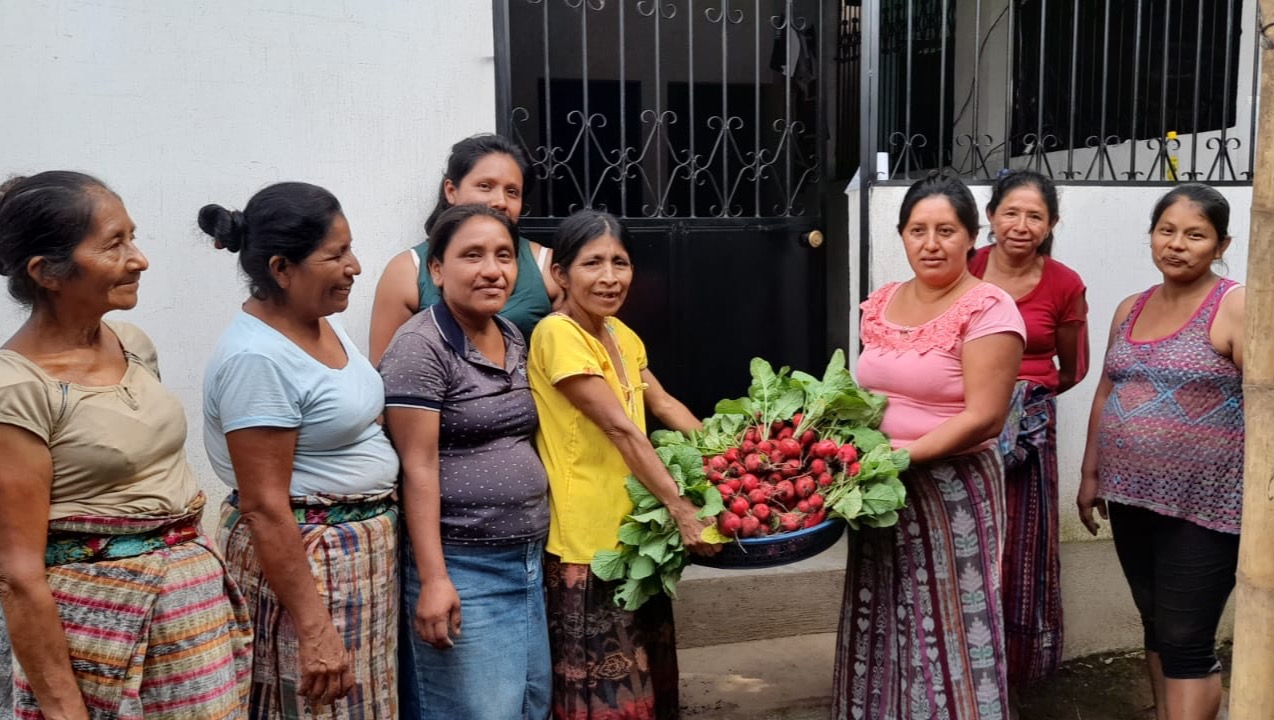
We are in the process of constructing new greenhouses and establishing communal gardens specifically intended to support single mothers and women. This collaborative effort enables a small group of women to share the gardening responsibilities by alternating their workdays in the garden. Within these greenhouses, high-yield crops such as tomatoes are cultivated, and subsequently sold to local merchants. The resulting proceeds are then equitably distributed among the participating families, ensuring a fair distribution of income.
In Montecarlo we have a Tomato and Cucumber Greenhouse.
It is a very poor community, 18 women receive the benefit together with their children.
Second Greenhouse. Located in Colonia El Recuerdo Chicacao.
It will benefit 14 women.
6 of them are single mothers with malnourished children.
Youth Education Farming, planting trees and recycling
Classes are conducted to teach young children from ages 5-15 the essential components to growing a small subsistence garden and many children go home and teach their parents.
In addition to teaching about gardening Mundo Verde is planting trees to replace the rapidly declining number of trees exported for lumber.
In our modern world, imported soft drinks and processed foods product tons of waste and without waste removal services, those containers all-too-often find their way into garbage dumps and in the forests. MV teaches children about the importance of collecting aluminum, plastics and glass to deliver to a local recycling center.
COST PER SUSTAINABLE GARDEN
Seeds, Fertilizers & Insecticides 700 quetzals $90
Labor & Education 300 quetzales $40
Fuel and Transport 150 quetzales $20
TOTAL PER GARDEN 1,150 quetzales $150
Additional needs tools 1,500 quetzales $200
2022 IMPACT
Since June 2022, the sustainable garden program has benefitted 60 families.
2023 GOAL
From Arnoldo - “I dream of helping 200 families create their micro-gardens with orchards and fruit plants. And I dream of working with schools to plant vegetable crops”.
About Mundo Verde 2023
Founded less than five months ago, in June of 2022, by Arnoldo Televario as a response to rampant malnutrition and dire economic situations. Mundo Verde helps solve both problems through affordable micro-farms and sustainable gardening.