
- S
- C
- M

Dear Reader,
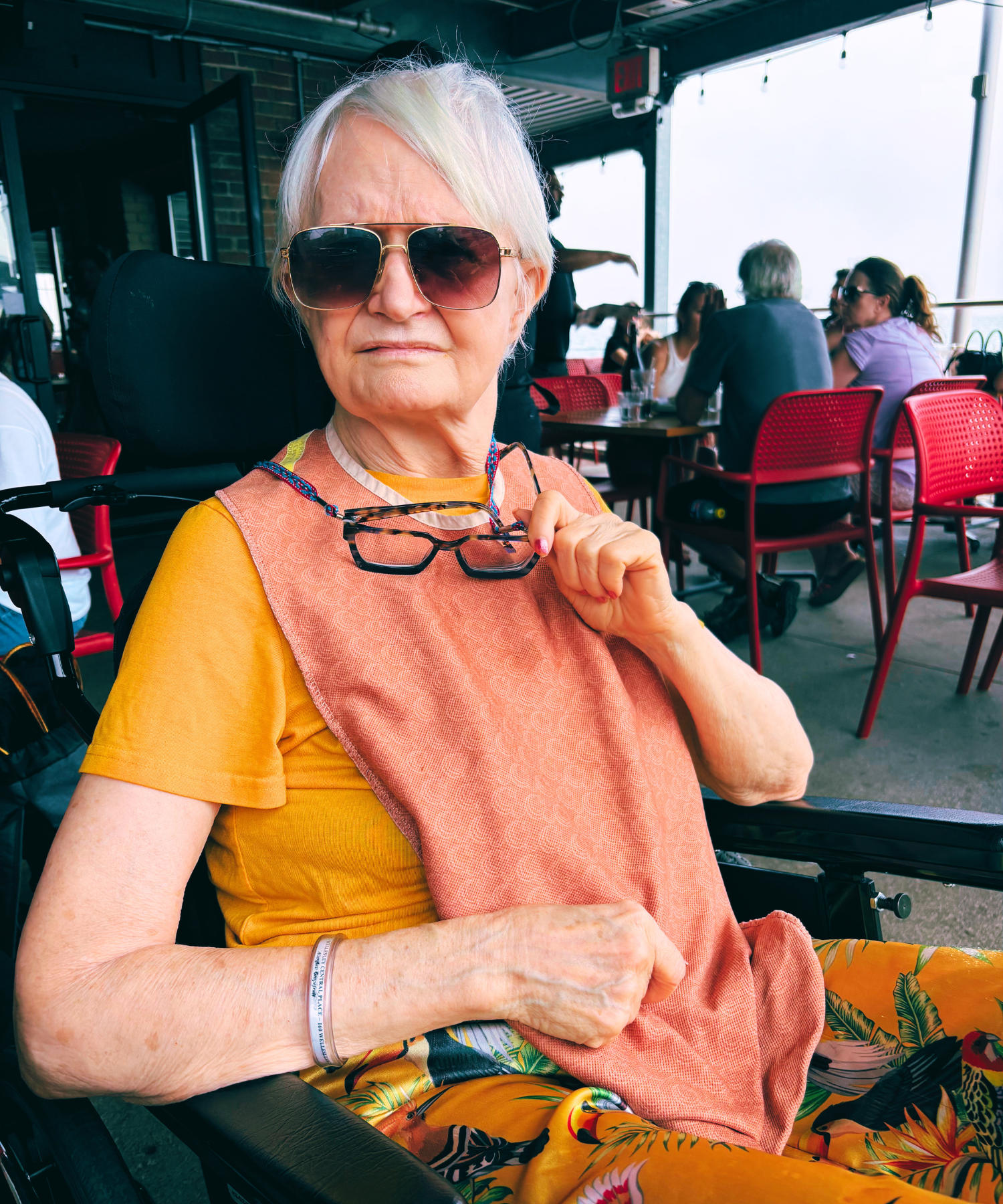
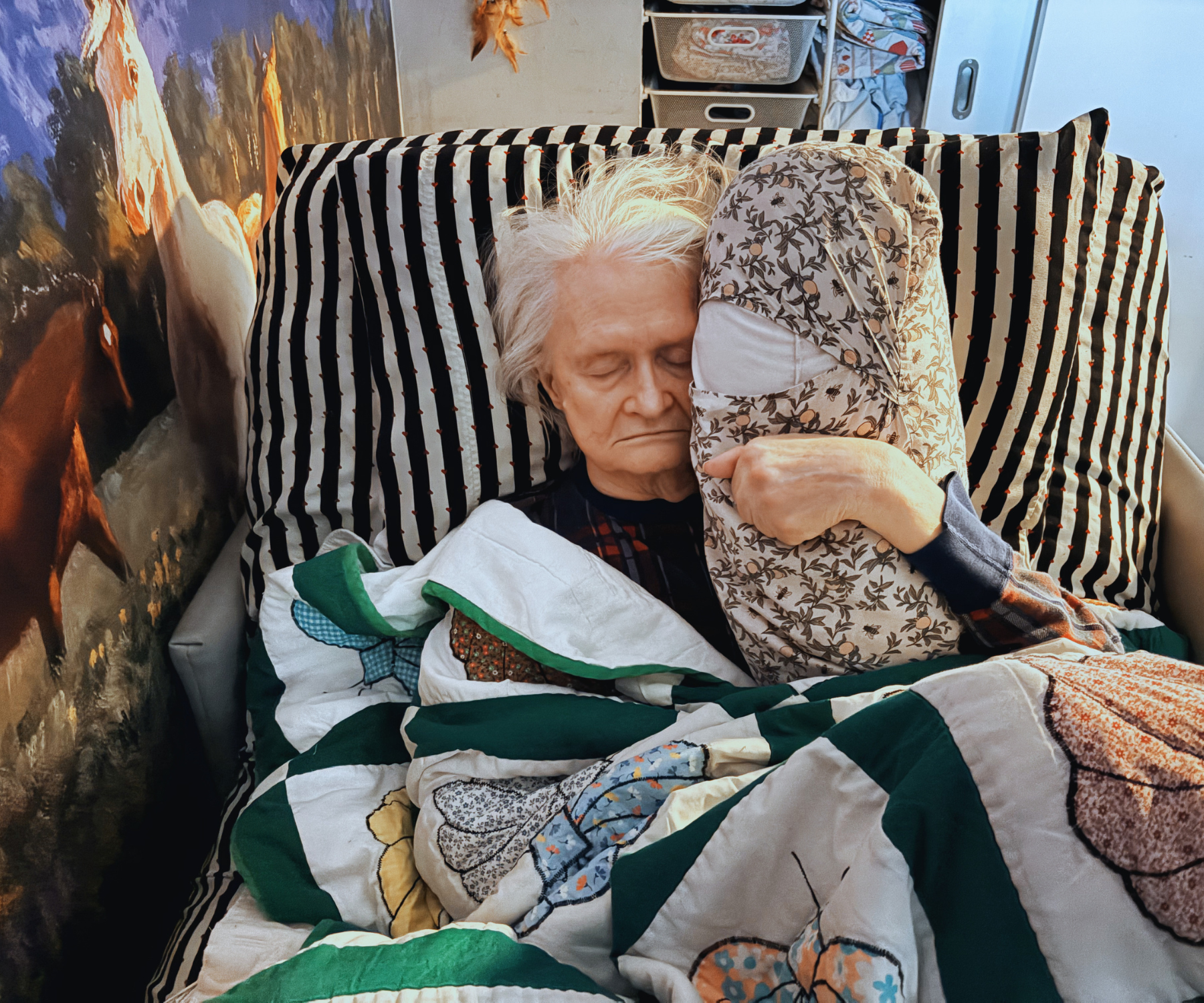
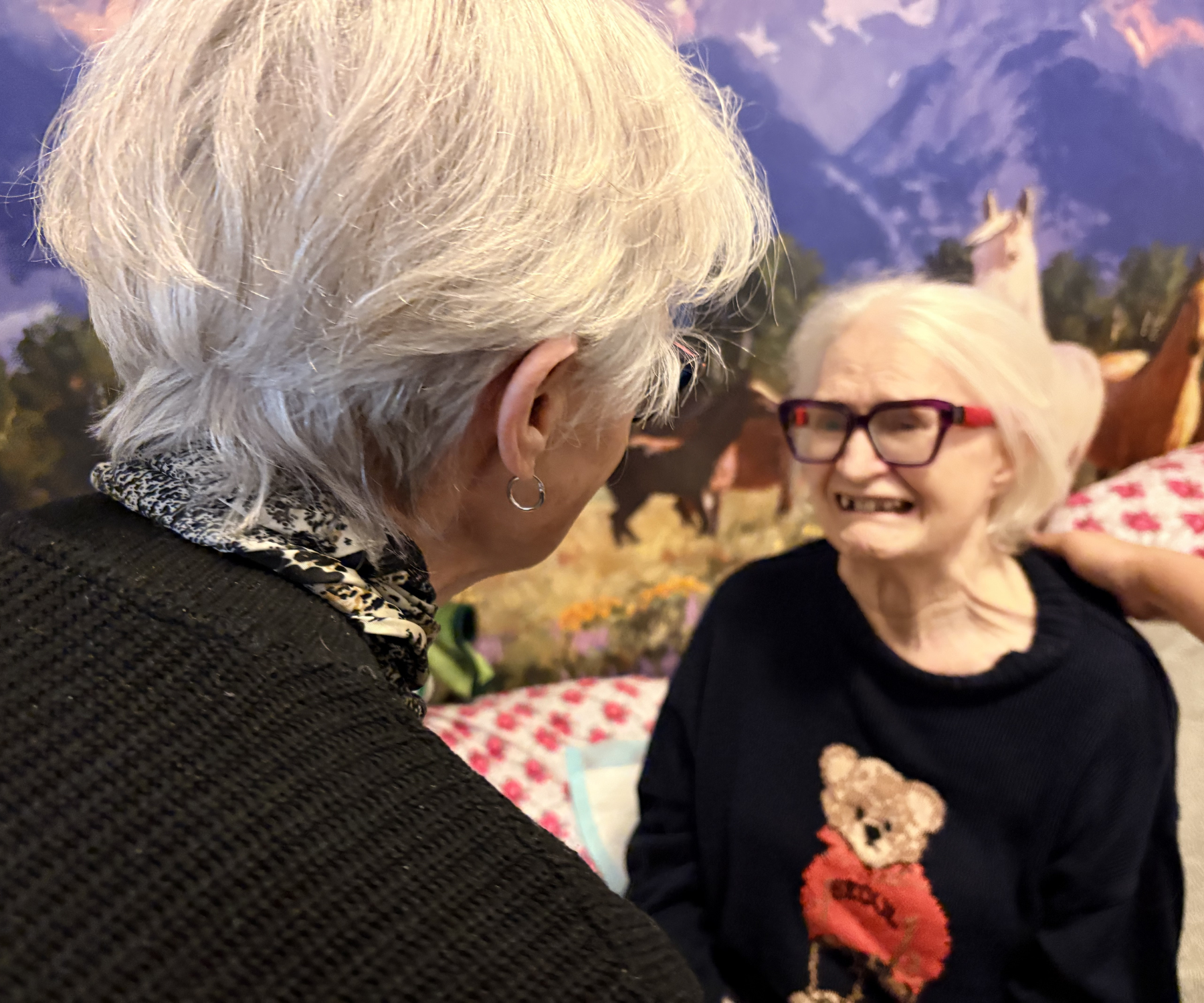
For many reasons, I wish I wasn't writing this on behalf of my mother, Beatrice Weatherly (née Gilbertson), known as Beatty to her siblings, Grandma Bea to her grandchildren, Auntie Bea to her nieces and nephews, Bea to her friends, and Mrs. Weatherly to her former students.

About 15 years ago, it became noticeable that my mother was struggling to remember things, like the name of spaghetti. In early 2016, her memory challenges became more frequent and concerning, like driving around Calgary’s neighbourhoods trying to remember where she lived. This led her to undergo initial memory tests, which affirmed her declining cognitive abilities.
This was also around the time that I decided to move from Calgary to Toronto. Knowing my mother was having memory difficulties, I woke up in the middle of the night, panicked, to the stark realization that I couldn’t leave her in Calgary to navigate this new scary reality. So, I asked if she would like to move with me to Toronto, and she excitedly said yes—my mother is always up for adventure, and I was relieved she said yes.

So, in October 2016, we both moved to Toronto’s beautiful, quirky, neighbourhood of Leslieville. It has a small-town vibe that we love, especially given we are originally from the Village of Czar, which has a population of less than 200. Once we were settled in Leslieville, my mother was matched with a kind neurologist (who also loves Charlie Brown, like my mother) to continue the journey of more tests. Around 2017, she was diagnosed with Aphasia and later diagnosed with Alzheimer’s Disease. The official news was devastating, although we anticipated its delivery.

I was determined to help maximize my mother's holistic wellness, including her independence and happiness, starting with enrolling her in some of Toronto's public programs, including painting, drawing, and cooking classes for all ages at local community centres. She also regularly went to aquafit at a pool nearby and after class she went out for coffee and fries with her classmates - she loved that - they even laminated a card with my mother's order on it so that she could give the card to the server (she could no longer easily communicate with words), attended weekly movies at a public library nearby, went on daily walks around the neighbourhood, took herself out to dinner at Baldini's (thank you, Patrick, for being so good to my mom!), went to her favourite café, Bobbette and Belle (thank you to all the kind servers there!), to have her favourite carrot cake, among other adventures.

When not walking around the neighbourhood, my mother would take public transportation by herself, referring to a list of the stops that I had given her, and I'd keep tabs on her through her phone and eventually by her wearing a medical monitoring device. People in Leslieville, and surrounding communities, got to know her, and would help her fill in the "blanks" as needed. In addition to our adventures together, it brought me much joy to know my mother could be out and about by herself too, having so much fun.

Then, in March 2020, COVID-19 hit, and everything changed. Like most of the world experienced, there were no more outside activities for my mom, no more interactions with people. This was devastating for many reasons, including the decrease in her cognitive abilities.
My mother lived with me, from 2016 to 2020, until it became unmanageable and unsafe for her – she was getting up regularly during the night and was “exit-seeking.” I faced the difficult realization that I could no longer provide the full-time care she needed and in October 2020, I reluctantly admitted her to a long-term care facility. It was heartbreaking. I felt like I had abandoned her. I felt like I had failed her. And, I was really going to miss her.

Although it was a huge adjustment, my mother rose to the challenge of yet another adventure, as she settled into her new "home," and I became more used to the idea as well. At first, the facility seemed like a good place for her, but as my mother's needs increased, the facility's façade revealed itself more and more.
My mother started having intermittent rectal bleeding and after many tests, she was diagnosed with rectal cancer. It seemed unfair for my mother to have advanced Alzheimer's and cancer, but I'm slowly learning that life is not fair. After processing the cancer diagnosis and being matched with a suitable radiation oncologist, we proceeded with my mother having two sets of 10 radiation treatments, which were completed in October 2025. These treatments seemed to reduce the bleeding, and the initial scans in January 2026, revealed that the tumour had shrunk although there was some cell growth around the tumour – while the results of the radiation were mixed, it was good to know the tumour had shrunk and that the cell growth was not an imminent concern.
I was a regular visitor of the facility – so, I got to know the residents, whom I adored, and the staff. On my mother's floor, I rarely saw other visitors and wondered if they came when I wasn't there. I hoped so, yet I also knew it can be difficult to integrate visits into one's day and navigate the difficult emotions that come with it.
Initially, I placed significant trust in the staff and was patient with what I understood to be systemic gaps. However, after numerous incidents, trust was lost, the gaps became unmanageable, and my capacity for patience was exhausted. In hindsight, the experience reflects the cautionary boiling frog fable, where gradual changes mask the severity of harm over time. Early on, the lack of care was less apparent when my mother’s needs were lower; however, as her condition progressed, particularly with increasing pain management needs and a cancer diagnosis, the gaps in care became devastatingly clear.
I was regularly subjected to gaslighting , reflected in a consistent pattern of denial, dismissiveness, minimization, avoidance, and manipulation regarding my mother’s care, including inadequate care practices, pain management, and medication decisions. It was a deeply traumatizing experience, particularly in a healthcare setting where safety, transparency, and trust should be foundational.
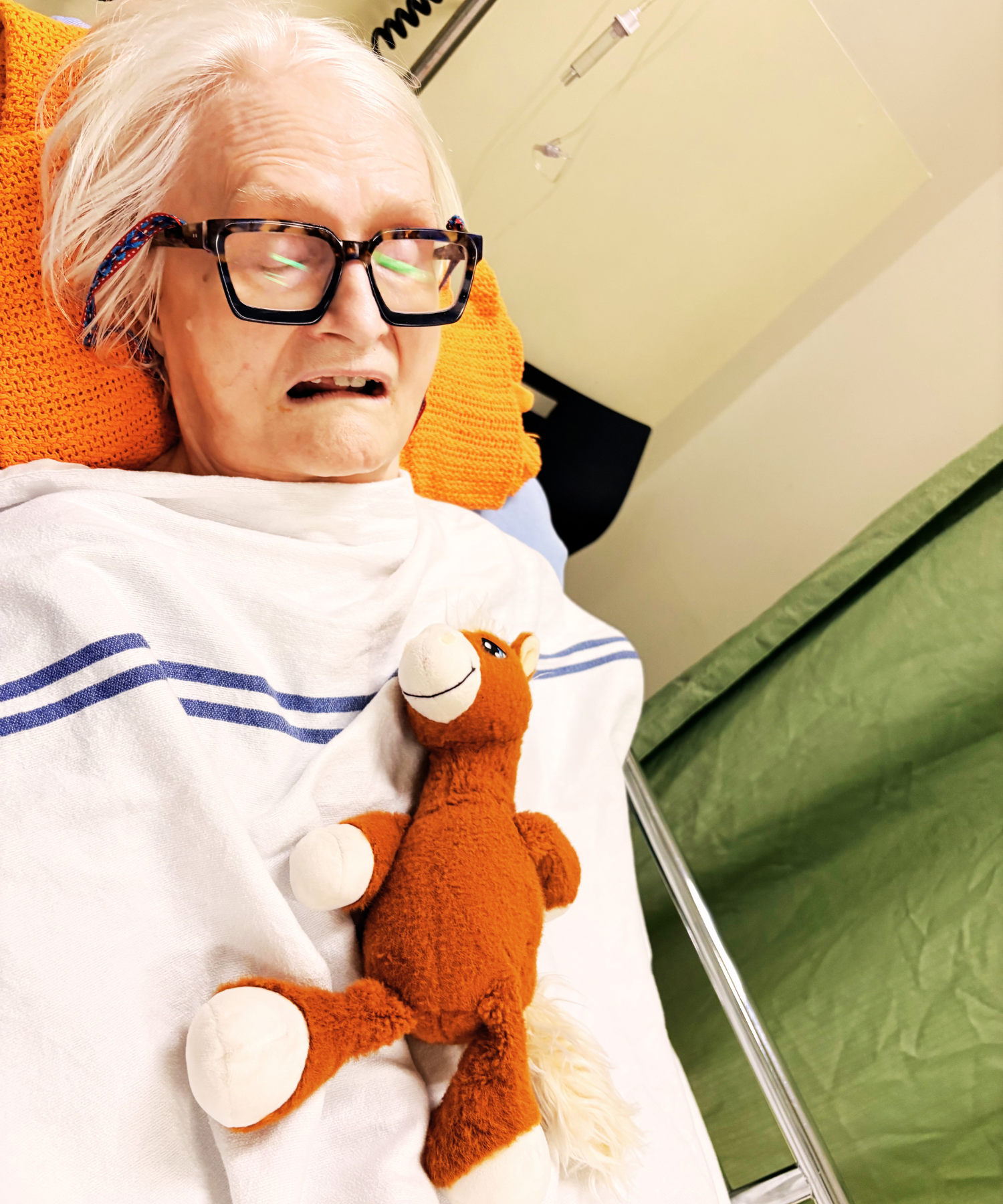
I also infer that this experience was traumatizing for my mother. Although she is nonverbal, I witnessed clear indicators of distress, including teeth grinding, grimacing, agitated movements, pulling blankets over her head, tears streaming down her cheeks, and looking at me in a way that conveyed a need for help. Her ongoing unmanaged pain, and repeated trips to the emergency department for pain management when the facility did not respond, were clear indicators of distress.
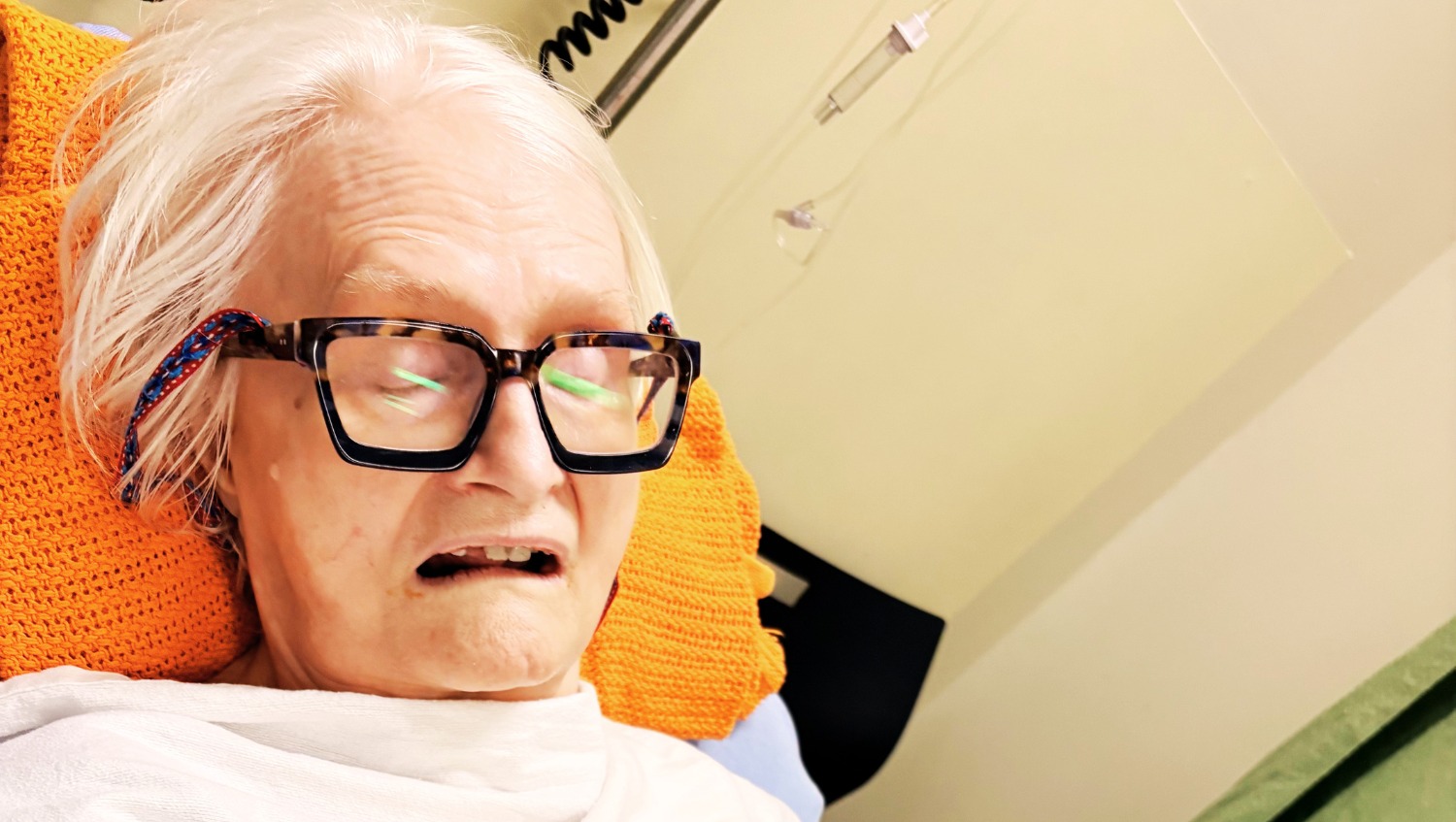
Over time, this persistent distress has also resulted in significant dental deterioration, as she has ground down much of her teeth (after a dentist's initial assessment, I learned that all her teeth will need to be removed, given the damage and significant decay, to be replaced with dentures), which appears consistent with prolonged, unmanaged, and likely excruciating pain.
As I navigated these issues, I became familiar with the Fixing Long-Term Care Act (2021) and the Residents’ Bill of Rights (2007), which made it clear that there were significantly more infractions than I had initially understood, including my exclusion, as my mother’s substitute decision-maker, from the development of her Care Plan. In Ontario, the Fixing Long-Term Care Act (2021) was introduced in response to the disproportionate number of deaths in long-term care during COVID-19, which exposed and intensified long-standing systemic issues. During the first wave of the pandemic, more than 80% of COVID-19 deaths in Canada occurred in long-term care and seniors’ homes, one of the highest proportions globally (Statistics Canada Report ), emphasizing the severity of these systemic gaps.
While there were some staff who seemed to genuinely care, this was not the norm. There was a nonchalant attitude and sometimes irritated response to my mother's pain, and other times a refusal to even acknowledge her pain. The dosages of my mother's pain medicine primarily only increased after my advocacy, and the as-needed medication seemed to be given only when I asked for it, since I was regularly there to monitor her pain and bring it to the nurse's attention. Given the lack of trust, in addition to my regular visits, I hired a private Personal Support Worker (PSW) to be with my mother when I couldn't be there, helping to monitor her pain and provide oversight of pain management. Despite my efforts to directly resolve the issues with the staff and subsequently bring these issues to the administrators, nothing was done to adequately manage her pain.
I feared for my mother’s safety, wellbeing, and ultimately her life, particularly given the medication errors and lack of adequate pain management. After it became clear that my concerns would not be addressed at the facility, despite my efforts to collaborate on solutions, I escalated the matter by contacting the Long-Term Care Family Support and Action Line and began making plans to remove my mother from the facility.
Following my complaint, the Ministry of Long-Term Care assigned an inspector to conduct an investigation, which resulted in findings of non-compliance and fines issued to the facility. Before the investigation was complete, I had already removed my mother from the facility and brought her home to live with me. I was left with no humane alternative but to do so, and on January 21, 2026, an emergency physician discharged my mother into my care.
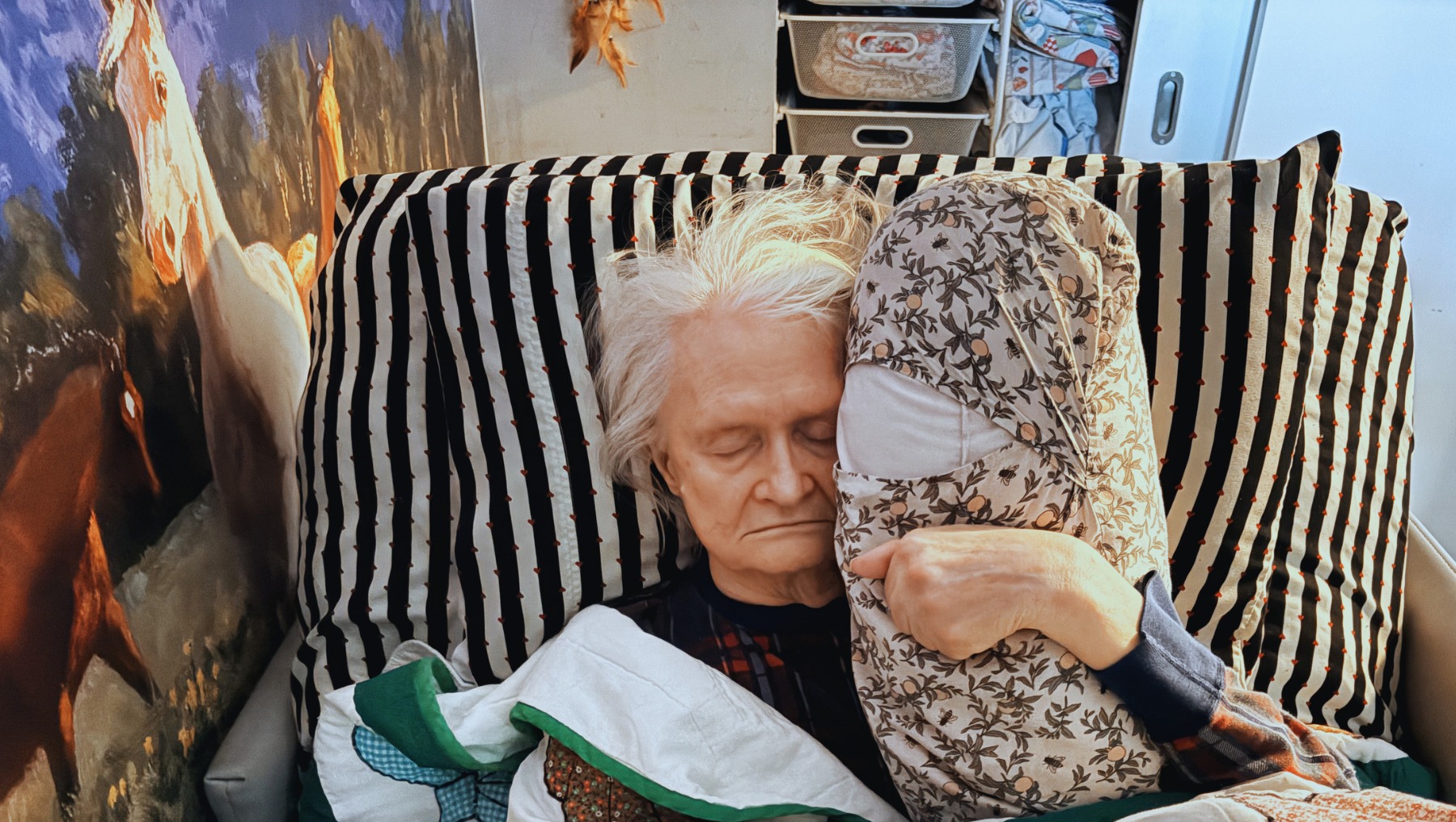
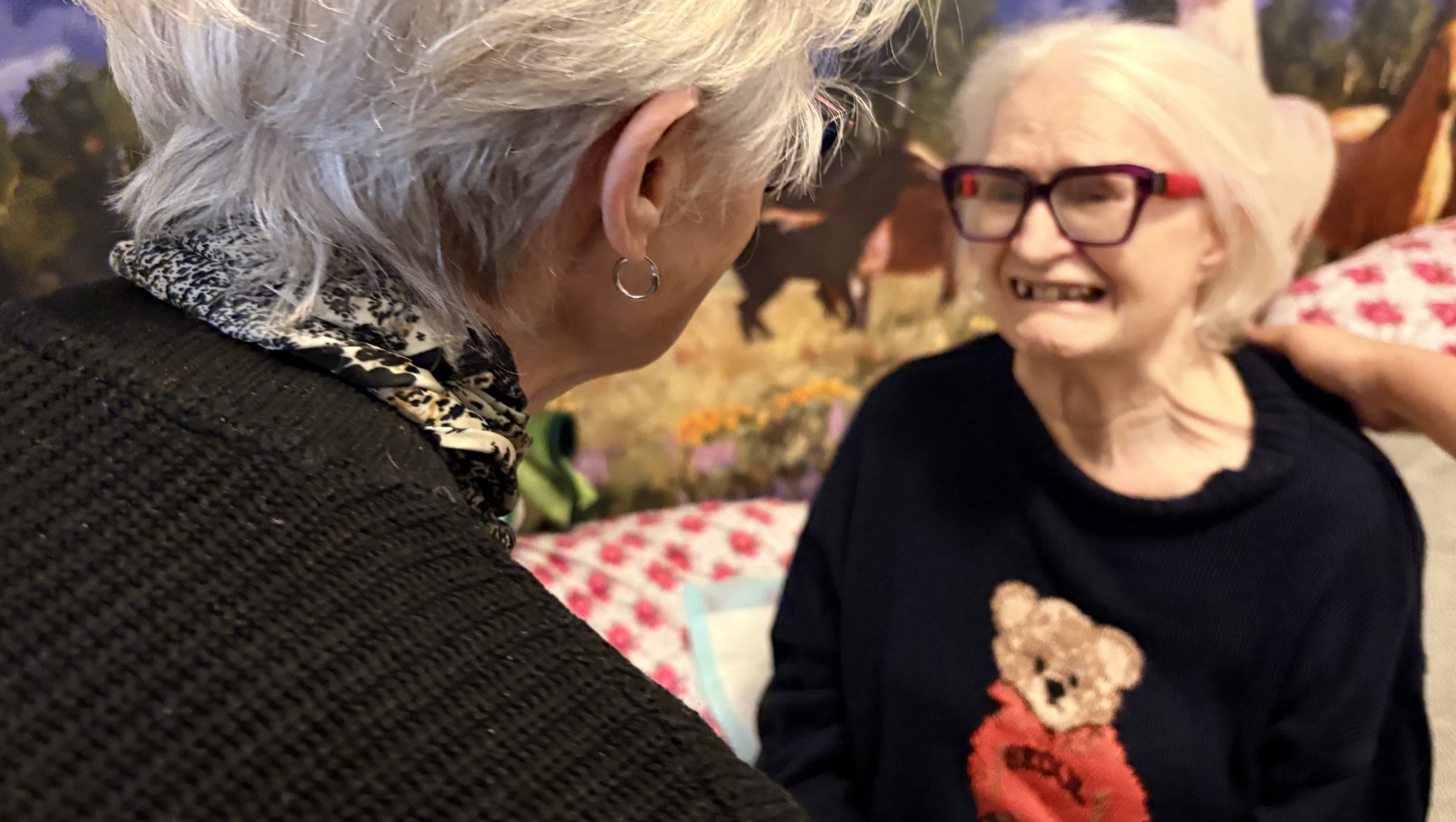
At that time, the facility’s Director of Clinical Services had cancelled the transfer of my mother’s prescriptions to a new pharmacy. To ensure continuity of care, I asked the emergency physician to provide interim prescriptions until we could meet with her new physician. After I explained the situation, he agreed. I am very grateful for this, as it ensured my mother was not left without essential medications, particularly for pain management.
With consistent monitoring and access to appropriate pain medication, I was able to stabilize my mother’s pain within approximately two days. I also addressed concerns related to her intake, as she requires additional time to eat and had not consistently been given sufficient time at the facility. Her mobility was another significant concern, as the facility had refused to adequately support it.
I later learned that my mother had been denied access to a palliative care clinic in June 2025, on the basis that the facility was expected to provide that care, which it did not. Once she was no longer at the facility, I asked her radiation oncologist to submit a new referral, and she is now receiving care through the palliative care program, including support from a home-visiting physician and nurse. Through her oncologist, I also obtained a referral to a pain specialist—something I had repeatedly requested at the facility but did not receive.
My mother has since received a targeted injection to address her pain locally, with the goal of reducing reliance on hydromorphone and improving her overall quality of life and alertness. This outcome emphasizes a significant concern: when I had previously requested a referral to a pain specialist, the facility’s physician dismissed the option, stating that such specialists would only provide injections. Despite this, a referral was later pursued without my knowledge or consent, and an assessment of my mother was conducted without my involvement as her substitute decision-maker. When I asked the physician why I had not been included, he responded, “I can’t explain that."
Given the effectiveness of this intervention, it is deeply concerning that access to a pain specialist was initially dismissed and delayed. It raises serious questions about clinical decision-making, transparency, and respect for the role of a substitute decision-maker. Had this referral been made when first requested, my mother may have been spared a significant amount of unnecessary pain and suffering. The lack of transparency, inconsistency in decision-making, and exclusion from care discussions significantly undermined trust and limited my ability to advocate effectively for her care.
After stabilizing her pain and improving her food and fluid intake over the course of approximately one month, I reintroduced physiotherapy to support her mobility. In December 2025, she had been able to walk with minimal assistance; however, this progress was not sustained due to the facility’s refusal to support her mobility, as well as the impact of chronic unmanaged pain and insufficient intake. I had also arranged for a private physiotherapist while she was in the facility, and at that time she was able to bear weight and walk with minimal support.
Now fully with my oversight, I am deeply grateful for the empathetic, compassionate, and skilled PSWs who support my mother, as well as the broader network of coordinators and healthcare professionals involved in her care. When I made the decision to remove my mother from the facility, I knew it was necessary, despite the significant financial, emotional, mental, and physical impact. I anticipated the initial challenges, particularly in securing suitable PSW support. Fortunately, the PSW I had privately engaged while my mother was at the facility was available to increase her hours, and through word-of-mouth I have since identified two additional PSWs. I am still in the process of securing one more to ensure adequate coverage.
Balancing a full-time job while also acting as a hands-on caregiver has been extremely demanding. My goal is to establish stable PSW coverage so that I can focus on oversight and coordination of care, rather than direct caregiving, while also maintaining my own wellbeing. Along the way, I have had to quickly learn and manage many aspects of care, including incontinence support, monitoring vitals, medication administration, and sourcing supplies, while also navigating the significant financial burden of home-based care.
My mother does have some income through her teacher’s pension, as well as CPP and OAS, and I am contributing financially as well. We have also recently been approved for some government funding; however, this has not yet started, and even when it does, it will not fully cover the costs of her care.
The reality is that the upfront and ongoing costs of providing appropriate care at home are substantial. This includes essential equipment, caregiving support, medical supplies, therapies, and day-to-day living needs, costs that became necessary after I made the decision to remove my mother from a long-term care facility due to serious concerns about her safety and wellbeing.
If you are in a position to contribute, any support, no matter the amount, would be deeply appreciated and will go directly toward ensuring my mother receives the care, dignity, and comfort she deserves.
Beyond financial support, I am also using this platform to raise awareness about the state of long-term care in Canada. Through this experience, I have made it my mission to advocate for change. I will continue to pursue accountability through formal channels, including the Patient Ombudsman and relevant regulatory bodies.
Any one of us could find ourselves in a long-term care setting, regardless of financial resources, depending on life circumstances. My hope is that by sharing this experience, we can contribute to greater awareness, accountability, and ultimately, meaningful system change.
Thank you for taking the time to read, share, and/or support in any way you can.
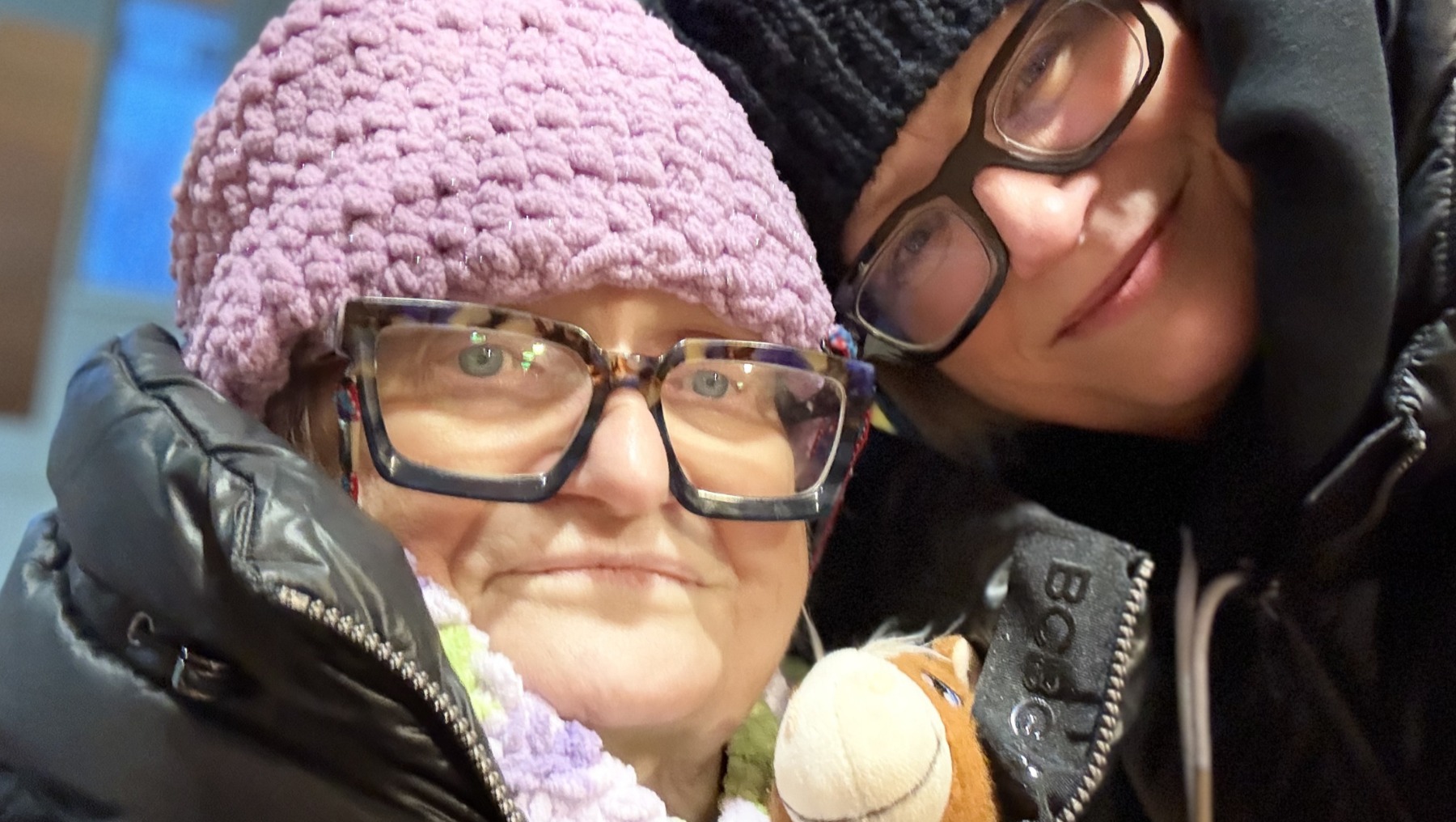
With much gratitude,
Nicole Weatherly, Beatrice Weatherly's daughter and Power of Attorney
Approximate Monthly Costs:
- Personal Support Workers (12-hour coverage, 7 days/week): ~$12,000
- Incontinence supplies (e.g., briefs, soaker pads, barrier creams, gloves, wipes): ~$400
- Cleaning and personal care supplies (e.g., laundry detergent, disinfectants, paper towels, soaps, lotions, garbage bags): ~$300
- Food and nutritional supplements: ~$1,000
- Medications (not covered) and pharmacy costs: ~$300
- Physiotherapy (currently ~$300/week): ~$1,200/month (expected to decrease as mobility is reassessed and stabilized, with potential reduction in frequency of visits)
Estimated Total Monthly Cost: ~$15,200
Upfront Costs:
- Mechanical (hospital) bed: ~$9,000
- Wheelchair: $1,124.75 (this is 25% of the total and the remainder was covered by a grant)
- Dental surgery and dentures: TBD
Note: This is not an exhaustive list, but reflects the primary and necessary costs required to support my mother’s care at home.
Resources & Support:
For those seeking to better understand long-term care, advocate for loved ones, or pursue accountability, the following resources may be helpful.
Understanding Long-Term Care & COVID-19 Impact:
During the first wave of COVID-19, more than 80% of deaths in Canada occurred in long-term care and seniors’ homes, one of the highest proportions globally, highlighting longstanding systemic vulnerabilities. However, the pandemic did not create these problems; it exposed and intensified long-standing systemic failures.
- Statistics Canada: Impacts of COVID-19 in long-term care (https://www150.statcan.gc.ca/n1/pub/45-28-0001/2021001/article/00025-eng.htm)
- Canadian Institute for Health Information (CIHI): Long-term care and COVID-19 (https://www.cihi.ca/en/covid-19-resources/impact-of-covid-19-on-canadas-health-care-systems/long-term-care)
Long-Term Care Systemic Issues (Ontario & Canada):
Beyond the pandemic, longstanding systemic issues within long-term care have been well documented. In Ontario, approximately 62% of long-term care homes had at least one reported case of abuse between 2019 and 2022, and more than half of those homes had repeated incidents. About 9% of inspections in that study identified abuse findings. Inspections are conducted to assess compliance with legislation, yet findings of non-compliance, including abuse, neglect, and inadequate care, continue to be identified across the sector. Oversight reports have also pointed to delays in inspections and gaps in transparency, making it difficult for families to fully understand the quality of care being provided.
- Ontario LTC abuse and inspection findings - peer-reviewed study (https://pmc.ncbi.nlm.nih.gov/articles/PMC11163654)
- Ontario Auditor General – LTC inspection program - transparency and delays (https://www.ola.org/en/legislative-business/committees/public-accounts/parliament-41/reports/long-term-care-home-quality-inspection-program)
These patterns reinforce that the challenges in long-term care are not isolated incidents, but part of broader systemic issues that require continued attention and accountability.
National Context (Canada-wide):
This is not just an Ontario issue. Long-term care is a national systems issue.
In Canada, there are approximately 2,076 publicly funded long-term care homes and 198,220 long-term care beds. By province and territory, the sector includes:
- Ontario: 627 homes
- Quebec: 440 homes
- British Columbia: 308 homes
- Alberta: 186 homes
- Saskatchewan: 161 homes
- Manitoba: 125 homes
- Nova Scotia: 84 homes
- New Brunswick: 70 homes
- Newfoundland and Labrador: 40 homes
- Prince Edward Island: 19 homes
- Yukon: 4 homes
- Northwest Territories: 9 homes
- Nunavut: 3 homes
- Canadian Institute for Health Information (CIHI): LTC homes in Canada (https://www.cihi.ca/en/long-term-care-homes-in-canada-how-many-and-who-owns-them)
Inspection and reporting systems vary across the country, and directly comparable national statistics on abuse findings and non-compliance are not always consolidated in one place. However, provinces and territories maintain inspection, licensing, and compliance processes, and public reporting continues to indicate that safety, quality of care, transparency, staffing, and accountability remain significant concerns across jurisdictions.
During the investigation process at my mother’s former facility, I learned that facilities in Ontario are responsible for self-auditing other than financials. This means that facilities, including those where abuse, harm, and/or neglect may be occurring, are assessing their own performance. The lack of independent, third-party oversight, particularly in a sector serving a highly vulnerable population with known compliance issues, is deeply concerning. Strengthening external oversight would be a clear and practical step toward improving accountability and the quality of care provided in long-term care facilities.
Public Reporting & Freedom of Information (Canada):
Public reporting and access to detailed records vary across Canada. Below are links to inspection reports and Freedom of Information processes by province and territory for those seeking more detailed reports, with greater transparency and accountability.
Ontario:
British Columbia:
Alberta:
Saskatchewan:
Manitoba:
Quebec:
Nova Scotia:
New Brunswick:
Newfoundland & Labrador:
Prince Edward Island:
Yukon:
Northwest Territories:
Nunavut:
Filing Complaints & Seeking Accountability (Ontario):
- Long-Term Care Home Complaint Process
- Patient Ombudsman – Make a Complaint
- College of Physicians and Surgeons of Ontario
- Ontario Health Regulatory Colleges Directory
Documentaries:
- Stolen Time (NFB) - Follows an elder-rights lawyer taking on for-profit LTC homes and exposing lack of transparency and accountability.
- I Lost My Mom - J’ai placé ma mère - A deeply personal Canadian documentary about navigating long-term care and COVID restrictions.
- The Castle - Le Château - Explores the transition into long-term care and its emotional and systemic implications.
Organizer