- R
- A
- L
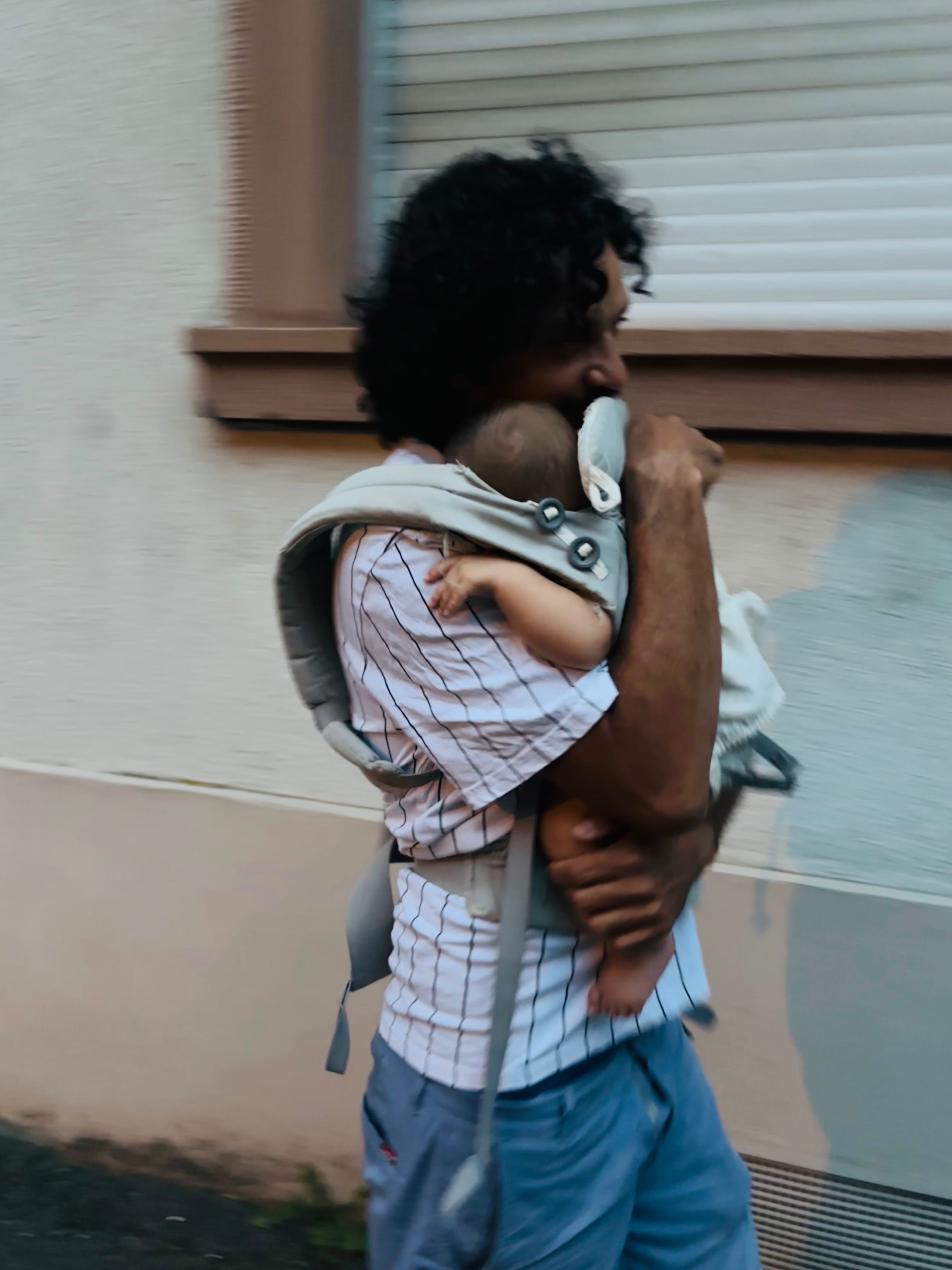
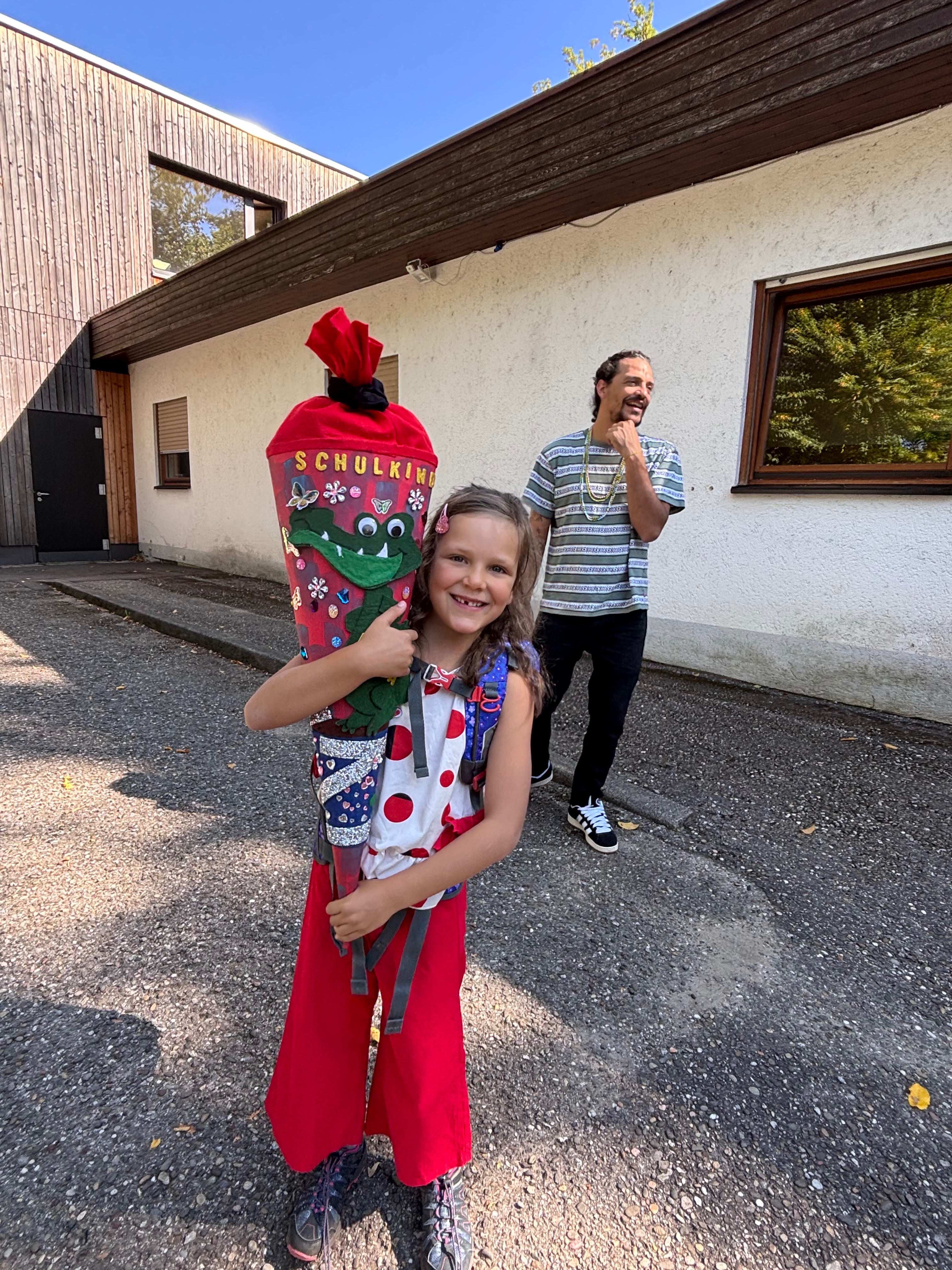
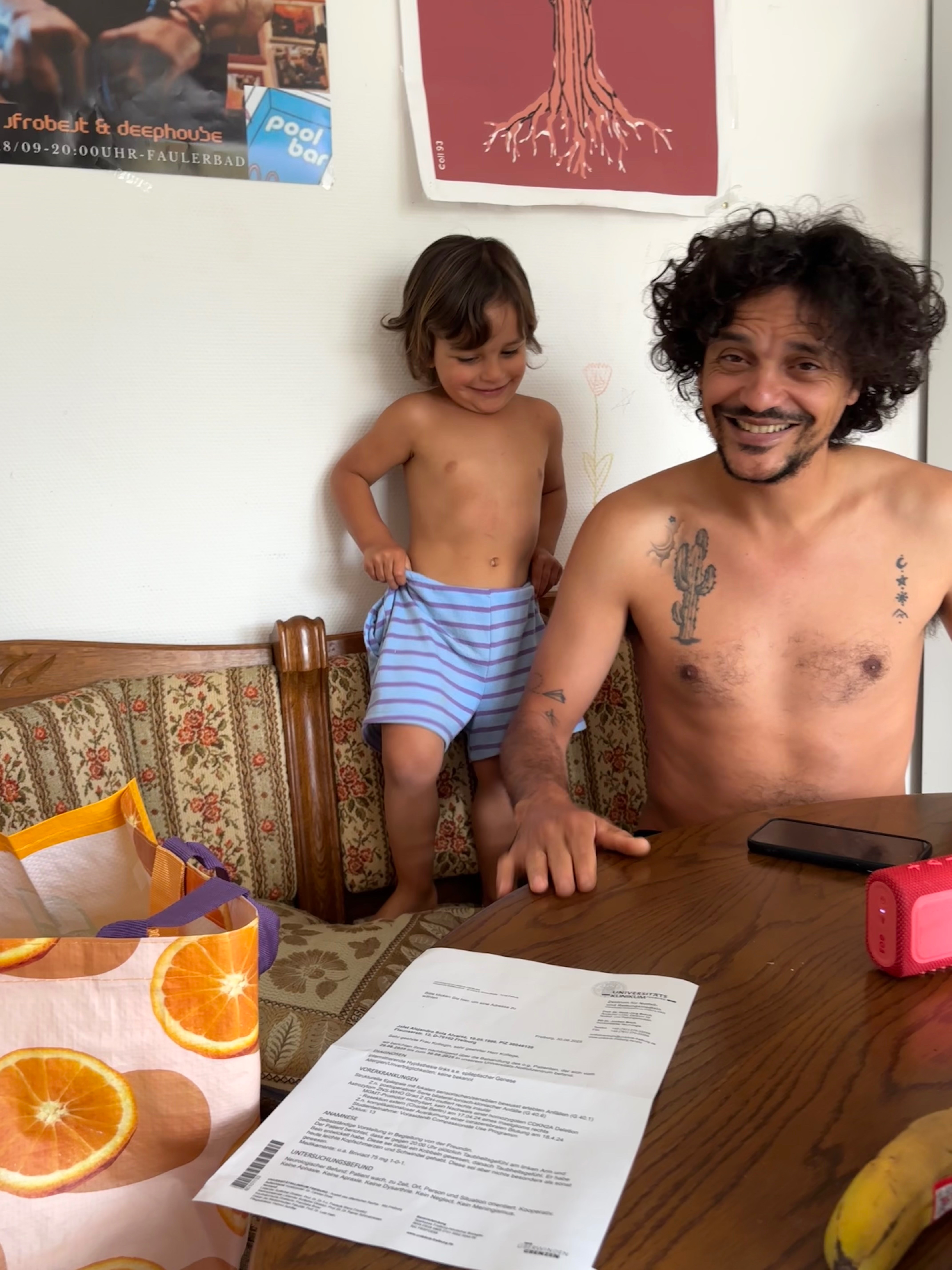
Medizinische Behandlung für Jafet, Vater von drei Kindern
0% complete
€34,013 raised of
422 donations
Jeder kleine Betrag zählt, genau wie das Teilen der Spendenaktion! Danke von Herzen…
Hallo, hello, hola!
hier der link: https://gofund.me/a52e80315
Der Text wird unten noch auf Englisch und Spanisch übersetzt.
English:
The text is also translated into English and Spanish below.
Español:
El texto también está traducido al inglés y al español más abajo.
Hallo, Ich heiße Jana und sammle Spenden für meinen lieben Mann Jafet, dem Vater von unseren drei kleinen Kindern. Wir möchten Jafet die Chance geben, noch lange bei uns zu bleiben, mithilfe einer zusätzlichen Therapie gegen Hirntumore.
Im Februar 2024 wurde bei Jafet, damals 33 Jahre alt, zufällig ein Hirntumor entdeckt. Er war bereits so groß wie eine Orange, und obwohl er bereits maligne war, da er in das umliegende gesunde Gehirngewebe hineinwuchs, konnte man ihn glücklicherweise operieren und alle sichtbaren Tumoranteile entfernen.
Die Zeit nach der Operation war schwer, aber Jafet hat sich danach schnell zurück ins Leben mit unseren kleinen Kindern gekämpft. Der Tumor wurde nach der Operation histologisch untersucht, die Diagnose lautete: IDH1-mutiertes Astrozytom WHO Grenzfall Grad 2 zu 3, wurde also noch als niedriggradig eingestuft, was eine gute Nachricht war.
Das hieß, er wächst langsam und kontrolliert, obwohl diese Art von Tumor dafür bekannt ist, dass er immer wieder nachwächst.
Nach der Operation waren wir deshalb einerseits beruhigt, da es noch ein niedriger Grad war, gleichzeitig aber natürlich auch voller Sorge, dass der Krebs irgendwann wieder zurückkommt.
In den regelmäßigen MRT-Kontrollen war über lange Zeit kein Tumorrest zu sehen, weswegen wir voller Hoffnung waren und einen normalen chaotischen Familienalltag mit kleinen Kindern führen konnten! Außerdem bekam er Vorasidenib, ein neues Medikament, welches ein erneutes Wachstum hinauszögern oder verhindern sollte.
Wir wussten natürlich immer, dass die Gefahr bestand, dass der Tumor irgendwann wieder kommen könnte.
Aber mit den Medikamenten und jedem unauffälligen MRT wurde die Hoffnung größer, dass wir tatsächlich viele Jahre oder Jahrzehnte gewonnen hatten. Wir haben angefangen, wieder nach vorne zu schauen und freuten uns über die Zeit mit unseren inzwischen drei Kindern.
Dann kam nach etwa 2,5 Jahren, im Juli 2026, genau das Szenario, vor dem wir immer Angst gehabt hatten: Jafet bekam wieder epileptische Anfälle, und das aktuelle MRT zeigte diesmal deutlich ein Rezidiv- der Krebs ist zurückgekommen.
Und diesmal ist er nicht mehr derselbe, sondern deutlich aggressiver. Der Tumor hat sich verändert und wird inzwischen als Astrozytom WHO Grad 4, das ist der höchste Grad, eingestuft.
Eine erneute Operation im Juli 2026 konnte den Tumor nicht vollständig entfernen, weil er inzwischen sehr nah an wichtigen Gefäßen und funktionell wichtigen Hirnstrukturen lag.
Manchmal versuchen wir, uns das bildlich vorzustellen:
Der Tumor war die ganze Zeit unter Kontrolle, und dann hat er es irgendwie geschafft, sich zu verändern und die Behandlung zu „überlisten“. Der Tumor wurde schlauer.
Seit Ende August wird Jafet in Heidelberg mit Bestrahlung und Chemotherapie behandelt. Diese Behandlung ist seine notwendige Standardtherapie. Aber wir möchten nicht einfach abwarten, da diese aggressive Art von Tumor erfahrungsgemäß auch nach einer Radiochemotherapie irgendwann wieder zurückkommt. Die Radiochemotherapie soll das nur verzögern.
Wir versuchen, jede zusätzliche medizinische Möglichkeit zu finden, die für Jafet infrage kommen könnte.
Wir haben dafür mit zahlreichen Ärztinnen und Ärzten in verschiedenen Zentren gesprochen und uns auch seit Wochen intensiv mit internationalen Forschungsansätzen beschäftigt.
Eine Möglichkeit, die für Jafet jetzt konkret geworden ist, ist eine individuell auf seinen Tumor zugeschnittene Peptid-Impfung über ein spezialisiertes Zentrum für Onkologie.
Die Impfung ist in diesem Fall natürlich nicht vorbeugend, sondern wird während der Erkrankung gegeben.
Jafets Tumor trägt eine bestimmte „IDH1-R132H-Mutation“.
Diese Mutation ist bereits ein Ansatzpunkt für immuntherapeutische Impfstrategien, an denen seit Jahren wissenschaftlich geforscht wird.
In der deutschen NOA-16-Studie wurde untersucht, ob eine Impfung gegen genau diese Mutation das Immunsystem gezielt gegen Tumorzellen aktivieren kann.
Die Langzeitergebnisse dieser Studie wurden im Juli 2026 veröffentlicht und sind eindrucksvoll!
Nach acht Jahren lebten noch 66% der Studien-TeilnehmerInnen, 42 % waren nach acht Jahren ohne Fortschreiten der Erkrankung.
Es waren bei einem Großteil langanhaltende Immunantworten gegen die Mutation nachweisbar.
Das sind für eine solche Erkrankung bemerkenswerte Langzeitdaten.
Zum Vergleich: Bei Wildtyp- Glioblastomen wie auch bei IDH-mutierten Astrozytomen Grad 4 sind die durchschnittlichen Überlebenszeiten leider signifikant kürzer.
Das bedeutet nicht, dass diese Zahlen auf jeden gleichermaßen übertragbar sind.
Aber sie zeigen, dass hinter diesem Ansatz vielversprechende wissenschaftliche Erkenntnisse und klinische Langzeiterfahrungen stehen, die erlauben, hoffnungsvoll in die Zukunft zu blicken.
Zwischenrein ein paar Artikel darüber, für die, die es interessiert!
https://www.focus.de/gesundheit/ratgeber/deutsche-forscher-killen-unheilbare-hirntumoren-mit-impfung_0aecb4dd-7524-47d9-9da7-17ec691a752d.html
https://www.klinikum.uni-heidelberg.de/newsroom/impfung-gegen-hirntumoren-zeigt-vielversprechende-langzeitergebnisse/
https://www.morgenpost.de/berlin/article411092953/schwanger-und-ploetzlich-schwer-krank-der-kampf-gegen-den-hirntumor.html
Die NOA-16, wie auch NOA-21-Studie selbst ist inzwischen abgeschlossen und Jafet kann daran leider nicht mehr teilnehmen. Wir haben in den vergangenen Wochen sehr viel recherchiert und nach einer Möglichkeit gesucht, wie dieser immuntherapeutische Ansatz für ihn trotzdem zugänglich werden könnte. Dabei sind wir schließlich auf ein Zentrum für Onkologie in Tübingen gestoßen.
Heute hatten Jafet und ich das Beratungsgespräch mit den Spezialisten:
Es besteht die Möglichkeit, eine individuell auf seinen eigenen Tumor (das Gewebe ist noch aus der Operation vorhanden) zugeschnittene Peptid-Impfung herzustellen.
Hierbei wird zusätzlich sein eigener Tumor molekular untersucht, um neben der IDH Mutation weitere persönliche Zielstrukturen zu finden, und daraus eine auf ihn zugeschnittene Impfstrategie zu entwickeln.
Was natürlich großartig ist!!
Die molekulare Untersuchung seines Tumorgewebes wird von der Krankenkasse übernommen und verursacht für uns keine Kosten, aber die Herstellung seiner individuellen Vakzine, da es ein so genannter „individueller Heil/Behandlungsversuch ist“.
Da die Behandlung noch keine reguläre Kassenleistung ist, müssen wir die Kosten selbst aufbringen (Selbstzahlerleistung). Voraussichtlich sind etwa 14 Impfungen vorgesehen.
Die Impfungen sollen zu Beginn in regelmäßigen Abständen, etwa alle 4-6 Wochen, erfolgen. Für die Herstellung der Vakzine und die anschließende Impfserie rechnen die SpezialistInnen mit Kosten von ungefähr 70.000 Euro.
Mit starken Nebenwirkungen ist nicht zu rechnen.
Wir wissen nicht, wie diese Impfung bei Jafet wirkt, aber es besteht Hoffnung, den Tumor damit langfristig kontrollieren zu können. Und diese Hoffnung wollen wir als 5 köpfige Familie ergreifen.
Denn wir haben einen Gedanken, der uns seit einiger Zeit nicht mehr loslässt: die Medizin entwickelt sich rasant weiter. Was heute noch Gegenstand von Forschung ist, kann morgen zur ganz normalen Behandlung gehören, die ermöglichen, mit dieser Erkrankung lange Zeit zu leben. Von einer tödlichen Erkrankung, hin zu einer chronischen. Vielleicht wird man in einigen Jahren zurückblicken und sagen: Damals waren diese Impfungen noch individuell und experimentell , heute sind sie ein ganz normaler Bestandteil der Behandlung.
Und mein schlimmster Gedanke ist, dass Jafet diese Zeit nicht mehr erlebt, weil er diese Möglichkeit heute noch nicht Standard ist und wir sie ausgerechnet jetzt nicht finanzieren können.
Und dass wenige Jahre später eine Therapie, die ihm vielleicht hätte helfen können, für viele andere Menschen ganz selbstverständlich zur Verfügung steht und auch von den Kassen übernommen wird. Was natürlich wunderbar ist für die Menschen, ein unglaublich wertvoller Meilenstein, aber wir wollen, dass Jafet auch zu den Menschen gehören darf, oder es zumindest versuchen.
Wir möchten später nicht mit dem Gedanken leben müssen, dass wir eine vielversprechende medizinische Möglichkeit allein aus finanziellen Gründen nicht genutzt haben.
Niemals sollte das Geld darüber entscheiden, welche medizinischen Chancen ein Mensch wahrnehmen kann. Leider wissen wir, dass die Welt so nicht funktioniert und finanzielle Möglichkeiten viel zu oft darüber entscheiden, welche Chancen einem Menschen offenstehen.
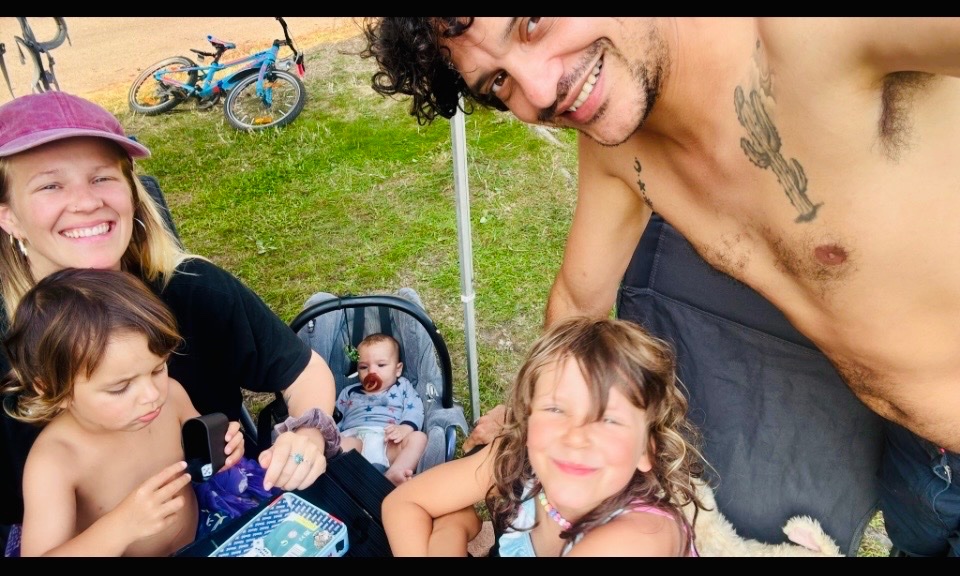
Wir haben inzwischen drei wundervolle Kinder, Luna ist sieben, Lanny drei und unser jüngster Sohn ein Jahr alt, die ihren Papa brauchen. Wir möchten alles tun, was medizinisch vertretbar ist, damit wir noch möglichst viel gemeinsame Zeit haben.
Wir geben Jafet nicht auf.
Wenn ihr uns mit einer Spende unterstützen könnt, helft ihr uns dabei, diese Behandlung möglich zu machen.
Jeder Betrag hilft.
Und auch wenn ihr nichts spenden möchtet, ist das Teilen unserer Spendenaktion für uns unglaublich wertvoll- teilt es gerne und überall.
Danke von Herzen an alle, die uns auf diesem Weg unterstützen!
Jafet, Jana, Luna, Lanny und Yomai
english: Hello, my name is Jana, and I am raising funds for my beloved husband Jafet, the father of our three young children. We want to give Jafet the chance to stay with us for as long as possible with the help of an additional treatment for his brain tumor.
In February 2024, when Jafet was 33 years old, a brain tumor was discovered by chance. It was already as large as an orange, and although it was already malignant because it was growing into the surrounding healthy brain tissue, fortunately it could be operated on and all visible tumor tissue was removed.
The time after the surgery was difficult, but Jafet fought his way back into life with our young children. After the operation, the tumor was examined histologically. The diagnosis was an IDH1-mutated astrocytoma, WHO grade 2–3, described as a borderline case. It was therefore still classified as a lower-grade tumor, which was good news.
This meant that it was growing slowly and in a more controlled way, although this type of tumor is known to grow back over time.
After the surgery, we were relieved on the one hand because it was still a lower-grade tumor, but at the same time we were naturally deeply worried that the cancer might return one day.
For a long time, the regular MRI scans showed no visible residual tumor. This gave us hope, and we were able to live our normal, chaotic family life with our young children. Jafet was also given vorasidenib, a newer medication intended to delay or prevent the tumor from growing again.
Of course, we always knew there was a possibility that the tumor could return.
But with the medication and every MRI that remained clear, our hope grew that we might actually have gained many years, perhaps even decades. We started looking ahead again and enjoyed the time with our now three children.
Then, after about two and a half years, in July 2026, exactly the scenario we had always been afraid of happened: Jafet began having epileptic seizures, and this time the MRI clearly showed a recurrence – the cancer had returned.
And this time, it was no longer the same tumor. It had become significantly more aggressive. It is now classified as an astrocytoma, WHO grade 4, the highest grade.
A second surgery in July 2026 could not completely remove the tumor because it had by then grown very close to important blood vessels and functionally critical structures of the brain.
Sometimes we try to picture it like this:
The tumor had been under control the whole time, and then somehow it managed to change and “outsmart” the treatment. The tumor became smarter.
Since the end of August, Jafet has been receiving radiation and chemotherapy in Heidelberg. This is his necessary standard treatment. But we do not want to simply wait and see, because experience shows that this aggressive type of tumor can eventually return even after radiochemotherapy. The radiochemotherapy is intended to delay that as much as possible.
We are trying to find every additional medical option that could potentially be suitable for Jafet.
To do this, we have spoken with numerous doctors at different centers and have spent weeks intensively researching international approaches.
One possibility that has now become concrete for Jafet is an individualized peptide vaccine tailored specifically to his tumor, offered through a specialized oncology center.
Of course, this vaccine is not preventive. It is given during the course of the disease.
Jafet’s tumor carries a specific “IDH1-R132H mutation”.
This mutation has already been a target for immunotherapeutic vaccine strategies that have been researched scientifically for many years.
The German NOA-16 study investigated whether a vaccine targeting precisely this mutation could activate the immune system specifically against tumor cells.
The long-term results of this study were published in July 2026 and are remarkable.
After eight years, 66% of the study participants were still alive, and 42% were still free of disease progression. In a large proportion of participants, long-lasting immune responses against the mutation could be detected.
These are remarkable long-term results for a disease like this.
For comparison: with wild-type glioblastomas, as well as with IDH-mutated grade 4 astrocytomas, average survival times are unfortunately significantly shorter.
This does not mean that these figures can be applied to every individual patient.
But they show that this approach is supported by promising scientific findings and long-term clinical experience, which gives us reason to look toward the future with hope.
A few articles about this, for anyone who is interested:
https://www.focus.de/gesundheit/ratgeber/deutsche-forscher-killen-unheilbare-hirntumoren-mit-impfung_0aecb4dd-7524-47d9-9da7-17ec691a752d.html
https://www.klinikum.uni-heidelberg.de/newsroom/impfung-gegen-hirntumoren-zeigt-vielversprechende-langzeitergebnisse/
https://www.morgenpost.de/berlin/article411092953/schwanger-und-ploetzlich-schwer-krank-der-kampf-gegen-den-hirntumor.html
The NOA-16 and NOA-21 studies themselves have now been completed, and unfortunately Jafet can no longer participate in them.
Over the past few weeks, we have researched extensively and searched for a way to make this immunotherapeutic approach accessible to him nevertheless. Eventually, we found a specialized oncology center in Tübingen, Germany.
Today, Jafet and I had a consultation with the specialists.
There is a possibility of producing an individualized peptide vaccine specifically tailored to his own tumor. His tumor tissue from the surgery is still available.
His tumor will first undergo additional molecular analysis to identify further individual targets beyond the IDH mutation. Based on these findings, the specialists can then develop a personalized vaccination strategy for him.
Which is, of course, an incredible opportunity for us.
The molecular analysis of his tumor tissue is covered by health insurance and therefore does not cause any costs for us. However, the production of his individual vaccine is not currently covered because it is considered an “individual experimental treatment attempt”.
Since this treatment is not yet a standard service covered by health insurance, we have to pay for it ourselves.
Approximately 14 vaccinations are currently planned.
The vaccinations are expected to be given at regular intervals initially, approximately every 4–6 weeks.
For the production of the vaccine and the subsequent vaccination series, the specialists estimate the total cost at around €70,000.
Serious side effects are not expected.
We do not know how this vaccine will work for Jafet. But there is hope that it could help control the tumor over the long term. And as a family of five, we want to take that chance.
There is one thought that has stayed with us for some time:
Medicine is developing incredibly rapidly. What is still considered research today may become a completely normal treatment in the future, allowing people to live with this disease for many years. A disease that is currently considered fatal could perhaps become a chronic disease.
Maybe, years from now, people will look back and say: Back then, these vaccines were still individualized and experimental. Today, they are a normal part of treatment.
And my greatest fear is that Jafet will not live to see that time because this treatment is not yet standard today – and because, right now, we simply cannot afford it.
That a few years from now, a treatment that might have helped him could become routinely available to many other people and even be covered by health insurance.
That would, of course, be wonderful for those people and an incredible medical milestone.
But we want Jafet to have the chance to be one of those people – or at least to try.
We do not want to have to live with the thought that we did not use a promising medical option simply because we could not afford it.
No one should have to depend on money to determine which medical opportunities they can access.
Unfortunately, we know that the world does not work that way, and that financial circumstances far too often determine which opportunities are available to a person.
We now have three wonderful children. Luna is seven, Lanny is three, and our youngest son is one year old. They need their dad.
We want to do everything that is medically reasonable to give us as much time together as possible.
We are not giving up on Jafet.
If you are able to support us with a donation, you are helping us make this treatment possible.
Every amount helps.
And even if you do not wish to donate, sharing our fundraiser would mean an incredible amount to us. Please feel free to share it with others and wherever you can.
Thank you from the bottom of our hearts to everyone who is supporting us on this journey.
Jafet, Jana, Luna, Lanny and Yomai
español:
Hola, me llamo Jana y estoy recaudando fondos para mi querido marido Jafet, el padre de nuestros tres hijos pequeños. Queremos darle a Jafet la oportunidad de quedarse con nosotros durante mucho tiempo más, con la ayuda de un tratamiento adicional para su tumor cerebral.
En febrero de 2024, cuando Jafet tenía 33 años, le descubrieron un tumor cerebral por casualidad. Ya tenía aproximadamente el tamaño de una naranja y, aunque ya era maligno porque estaba creciendo hacia el tejido cerebral sano que lo rodeaba, afortunadamente pudieron operarlo y eliminar todo el tejido tumoral visible.
El tiempo después de la operación fue difícil, pero Jafet luchó por volver rápidamente a su vida junto a nuestros hijos pequeños. Después de la operación, el tumor fue examinado histológicamente. El diagnóstico fue un astrocitoma con mutación IDH1, grado 2–3 según la clasificación de la OMS, descrito como un caso límite. Por lo tanto, todavía se consideraba un tumor de bajo grado, lo cual fue una buena noticia.
Esto significaba que crecía lentamente y de una manera más controlada, aunque este tipo de tumor es conocido por volver a crecer con el tiempo.
Después de la operación, por un lado nos sentimos aliviados porque seguía siendo un tumor de bajo grado, pero al mismo tiempo, naturalmente, teníamos mucho miedo de que el cáncer pudiera volver algún día.
Durante mucho tiempo, las resonancias magnéticas periódicas no mostraron ningún resto visible del tumor. Esto nos dio mucha esperanza y pudimos continuar con nuestra vida familiar normal y caótica con nuestros hijos pequeños. Además, Jafet recibió vorasidenib, un medicamento relativamente nuevo destinado a retrasar o evitar que el tumor volviera a crecer.
Por supuesto, siempre supimos que existía el riesgo de que el tumor regresara.
Pero con el medicamento y cada resonancia que seguía mostrando resultados tranquilizadores, nuestra esperanza crecía. Empezamos a pensar que quizás realmente habíamos ganado muchos años, tal vez incluso décadas. Volvimos a mirar hacia el futuro y disfrutamos del tiempo con nuestros tres hijos.
Entonces, después de aproximadamente dos años y medio, en julio de 2026, ocurrió exactamente aquello que siempre habíamos temido: Jafet volvió a tener crisis epilépticas y, esta vez, la resonancia mostró claramente una recurrencia: el cáncer había regresado.
Y esta vez ya no era el mismo tumor. Se había vuelto mucho más agresivo. Ahora está clasificado como un astrocitoma de grado 4 según la OMS, el grado más alto.
En julio de 2026 fue necesario realizar una segunda operación, pero el tumor no pudo eliminarse por completo porque para entonces se encontraba muy cerca de vasos sanguíneos importantes y de estructuras cerebrales funcionalmente esenciales.
A veces intentamos imaginárnoslo de una manera sencilla:
El tumor había estado bajo control durante todo ese tiempo y, de alguna manera, consiguió cambiar y “engañar” al tratamiento. El tumor se volvió más inteligente.
Desde finales de agosto, Jafet está recibiendo radioterapia y quimioterapia en Heidelberg. Este es su tratamiento estándar necesario. Pero no queremos simplemente esperar, porque sabemos por la experiencia clínica que este tipo agresivo de tumor puede volver a aparecer en algún momento incluso después de la radioquimioterapia. El objetivo de la radioquimioterapia es retrasar ese momento lo máximo posible.
Estamos intentando encontrar todas las opciones médicas adicionales que puedan ser adecuadas para Jafet.
Para ello, hemos hablado con numerosos médicos de diferentes centros y llevamos semanas investigando intensamente diferentes enfoques internacionales.
Una posibilidad que ahora se ha concretado para Jafet es una vacuna peptídica individualizada, diseñada específicamente para su propio tumor, a través de un centro especializado en oncología.
Por supuesto, en este caso la vacuna no es preventiva. Se administra durante la enfermedad.
El tumor de Jafet presenta una mutación específica llamada “IDH1-R132H”.
Esta mutación ya es un objetivo de estrategias de vacunación inmunoterapéutica que llevan años siendo investigadas científicamente.
En el estudio alemán NOA-16 se investigó si una vacuna dirigida precisamente contra esta mutación podía activar el sistema inmunitario de manera específica contra las células tumorales.
Los resultados a largo plazo de este estudio se publicaron en julio de 2026 y son realmente llamativos.
Después de ocho años, el 66 % de los participantes del estudio seguían vivos y el 42 % seguían sin progresión de la enfermedad. En una gran parte de los participantes pudieron detectarse respuestas inmunitarias duraderas contra la mutación.
Son datos de seguimiento a largo plazo muy relevantes para una enfermedad de este tipo.
Como comparación: en los glioblastomas de tipo salvaje, así como en los astrocitomas de grado 4 con mutación IDH, los tiempos medios de supervivencia son, por desgracia, significativamente más cortos.
Esto no significa que estas cifras puedan aplicarse de la misma manera a cada paciente.
Pero muestran que este enfoque cuenta con resultados científicos prometedores y experiencia clínica a largo plazo, lo que nos permite mirar hacia el futuro con esperanza.
Compartimos aquí algunos artículos sobre este tema, para quienes tengan interés:
https://www.focus.de/gesundheit/ratgeber/deutsche-forscher-killen-unheilbare-hirntumoren-mit-impfung_0aecb4dd-7524-47d9-9da7-17ec691a752d.html
https://www.klinikum.uni-heidelberg.de/newsroom/impfung-gegen-hirntumoren-zeigt-vielversprechende-langzeitergebnisse/
https://www.morgenpost.de/berlin/article411092953/schwanger-und-ploetzlich-schwer-krank-der-kampf-gegen-den-hirntumor.html
Tanto el estudio NOA-16 como el NOA-21 ya han finalizado y, lamentablemente, Jafet ya no puede participar en ellos.
Durante las últimas semanas hemos investigado muchísimo y hemos buscado una manera de que este enfoque inmunoterapéutico pueda estar disponible para él de alguna otra forma. Finalmente, encontramos un centro especializado en oncología en Tubinga, Alemania.
Hoy Jafet y yo tuvimos una consulta con los especialistas.
Existe la posibilidad de fabricar una vacuna peptídica individualizada, diseñada específicamente para su propio tumor. El tejido tumoral de la operación todavía está disponible.
Además, se realizará un análisis molecular de su propio tumor para buscar, además de la mutación IDH, otras estructuras que puedan servir como objetivos individuales. A partir de estos resultados se desarrollará una estrategia de vacunación personalizada para él.
Lo cual, por supuesto, es una oportunidad increíble para nosotros.
El análisis molecular de su tejido tumoral está cubierto por el seguro médico y, por tanto, no supone ningún coste para nosotros. Sin embargo, la fabricación de su vacuna individual no está cubierta actualmente, ya que se considera un “intento de tratamiento individual”.
Como este tratamiento todavía no forma parte de las prestaciones médicas habituales cubiertas por el seguro, tenemos que asumir los costes nosotros mismos.
Actualmente están previstas aproximadamente 14 vacunas.
Al principio, las vacunas se administrarán a intervalos regulares, aproximadamente cada 4–6 semanas.
Para la fabricación de la vacuna y la posterior serie de vacunaciones, los especialistas calculan un coste total de aproximadamente 70.000 euros.
No se esperan efectos secundarios graves.
No sabemos cómo funcionará esta vacuna en Jafet. Pero existe la esperanza de que pueda ayudar a controlar el tumor a largo plazo. Y como familia de cinco, queremos aprovechar esa oportunidad.
Hay un pensamiento que nos acompaña desde hace algún tiempo y que ya no podemos dejar de lado:
La medicina está avanzando a una velocidad increíble. Lo que hoy todavía es objeto de investigación puede convertirse mañana en un tratamiento completamente normal, que permita a las personas vivir muchos años con esta enfermedad. Una enfermedad que hoy se considera mortal podría quizá convertirse algún día en una enfermedad crónica.
Quizás dentro de algunos años se mire atrás y se diga: En aquel momento, estas vacunas todavía eran individuales y experimentales. Hoy forman parte habitual del tratamiento.
Y mi mayor miedo es que Jafet no llegue a vivir ese momento porque este tratamiento todavía no es un estándar hoy y, precisamente ahora, no podamos financiarlo.
Y que unos pocos años más tarde, un tratamiento que quizá podría haberle ayudado esté disponible de manera habitual para muchas otras personas y también sea cubierto por los seguros médicos.
Por supuesto, eso sería maravilloso para esas personas y un hito médico increíblemente valioso.
Pero queremos que Jafet también pueda formar parte de esas personas, o al menos queremos intentarlo.
No queremos tener que vivir algún día con el pensamiento de que no utilizamos una posibilidad médica prometedora únicamente por razones económicas.
El dinero nunca debería decidir qué oportunidades médicas puede aprovechar una persona.
Por desgracia, sabemos que el mundo no funciona así y que las posibilidades económicas determinan con demasiada frecuencia qué oportunidades están al alcance de una persona.
Ahora tenemos tres hijos maravillosos. Luna tiene siete años, Lanny tres y nuestro hijo pequeño tiene un año. Ellos necesitan a su papá.
Queremos hacer todo lo que sea médicamente razonable para tener el mayor tiempo posible juntos.
No vamos a rendirnos con Jafet.
Si pueden apoyarnos con una donación, nos estarán ayudando a hacer posible este tratamiento.
Cada cantidad ayuda.
Y aunque no quieran donar, compartir nuestra campaña significa muchísimo para nosotros. Por favor, compártanla con otras personas y allí donde puedan.
Gracias de todo corazón a todas las personas que nos están apoyando en este camino.
Jafet, Jana, Luna, Lanny y Yomai
Organizer