- E

Maureen’s Rare Cancer Recovery
0% complete
$3,990 raised of
42 donations
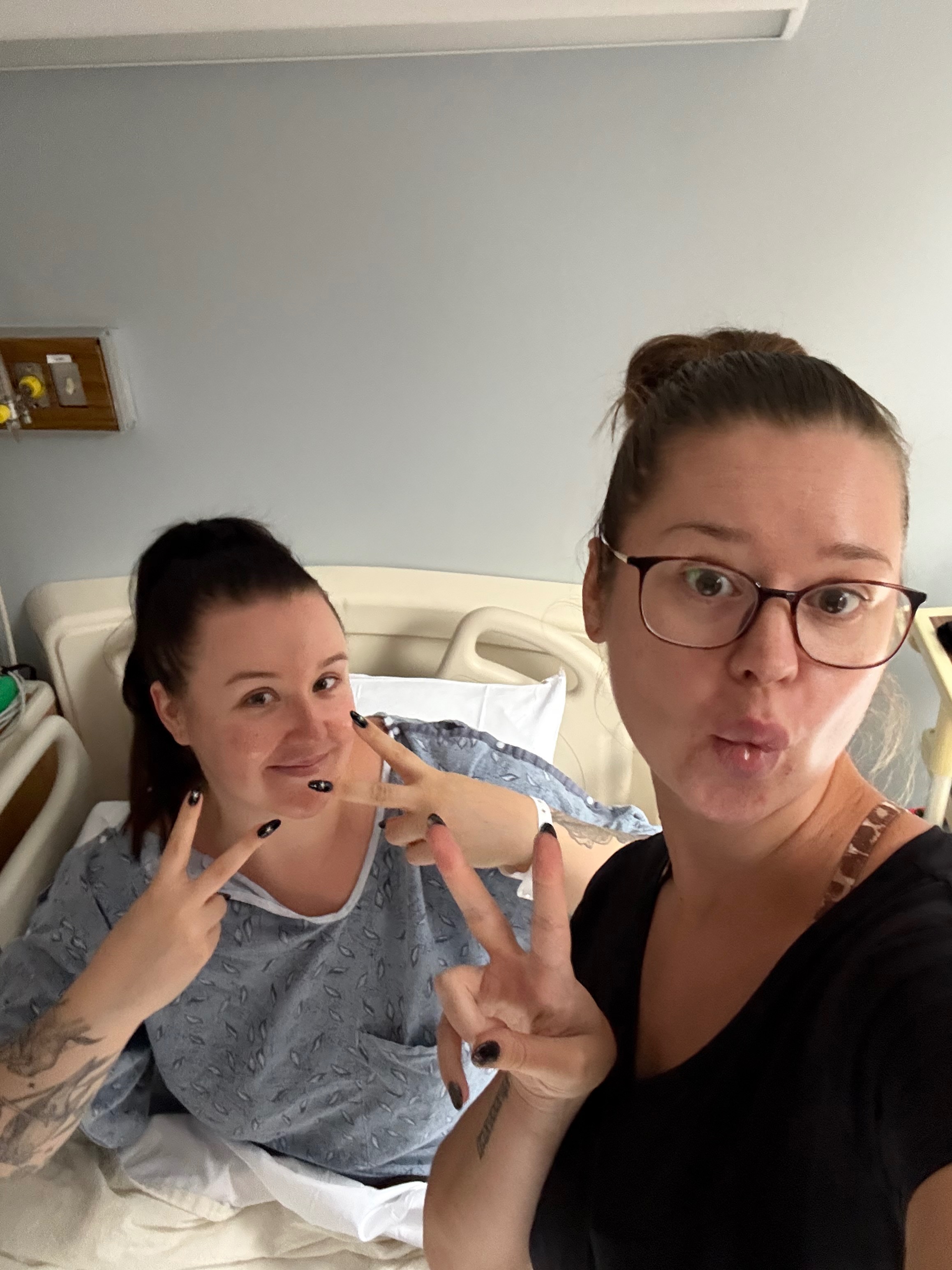
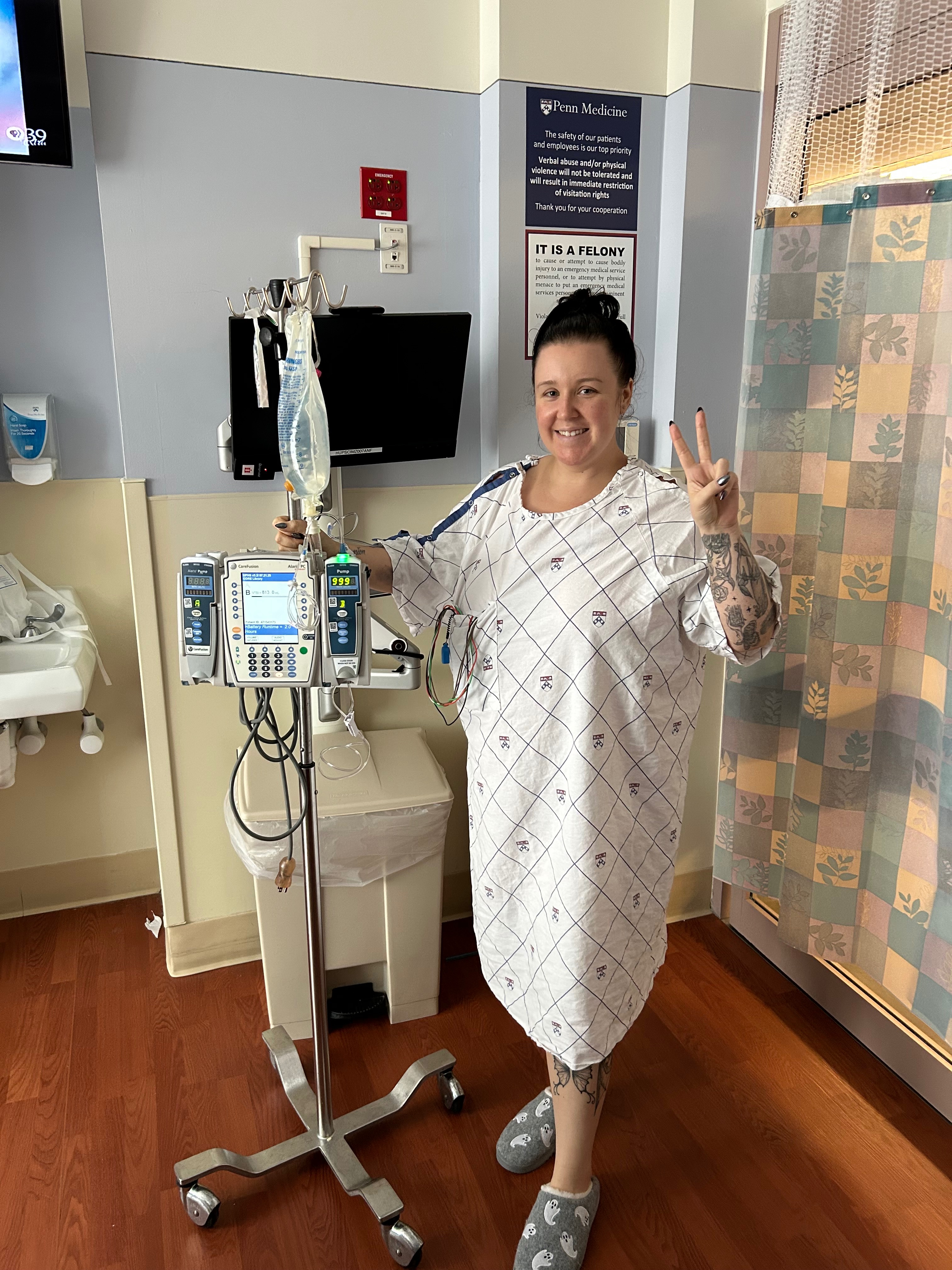
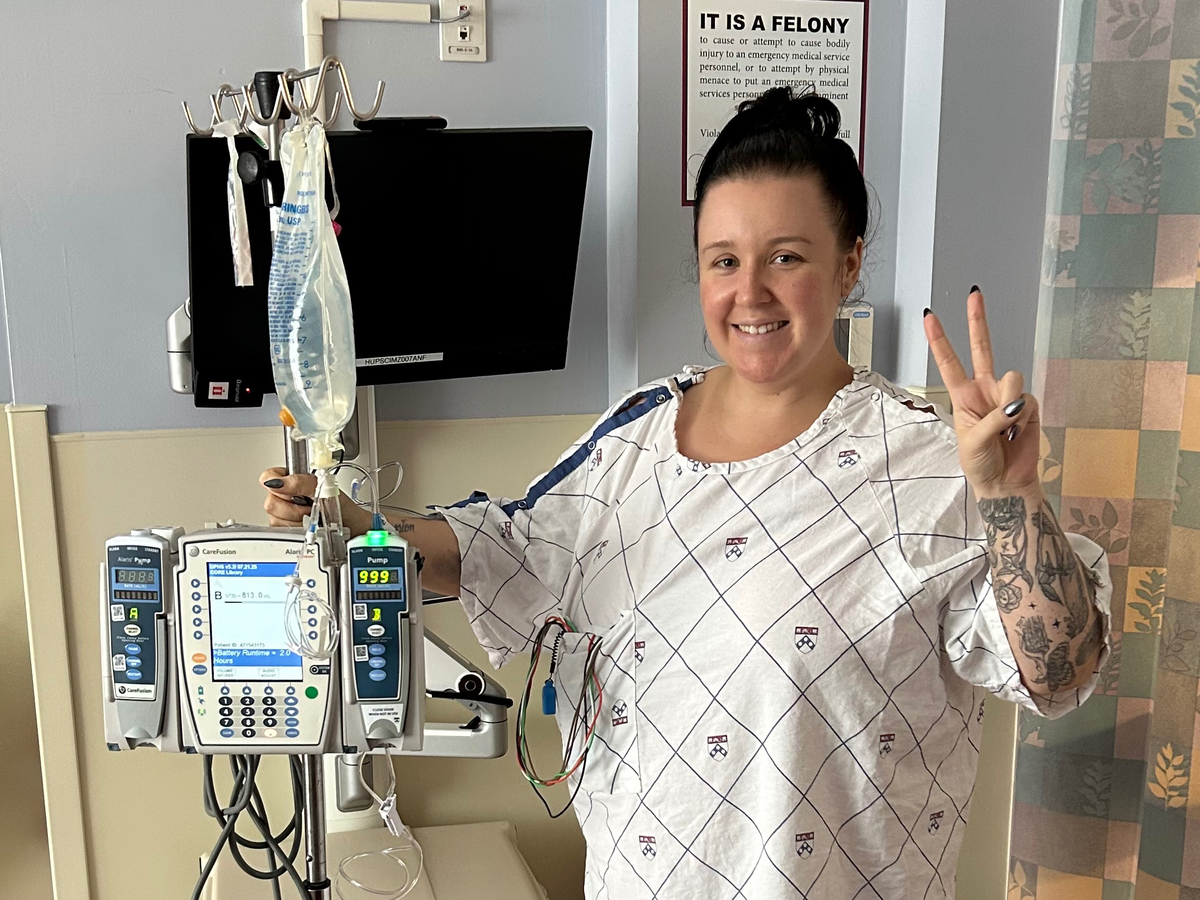
At the end of August, I started feeling really sick while visiting my parents. Honestly, I thought it was just my typical anxiety and OCD acting up, so I waited a few days before finally asking my dad to take me to the hospital. I figured it was probably a virus, but after a CT scan, the doctors found a tumor on my appendix and said I needed emergency surgery right away. My husband dropped everything and flew in to be with me. After surgery, we got the news: the tumor was cancerous and had reached the base of my colon. I was totally floored—I'm 32, always been healthy, and never thought I'd be dealing with something like this. Three weeks later, I had to go back for another surgery to remove a third of my colon. Waking up in the ICU after blood transfusions and fighting off a nasty infection was honestly wild. This whole experience has been the toughest thing I've ever faced, and trust me, I've faced some weird stuff thanks to my anxiety.
Before all this, I was focused on work, staying active, and just living life. Now, my days are filled with recovery, hospital visits, and waiting for more pathology results. The cancer I have is extremely rare, and my recovery is expected to take at least ten weeks, maybe more. Not exactly the adventure I had planned, but here we are.
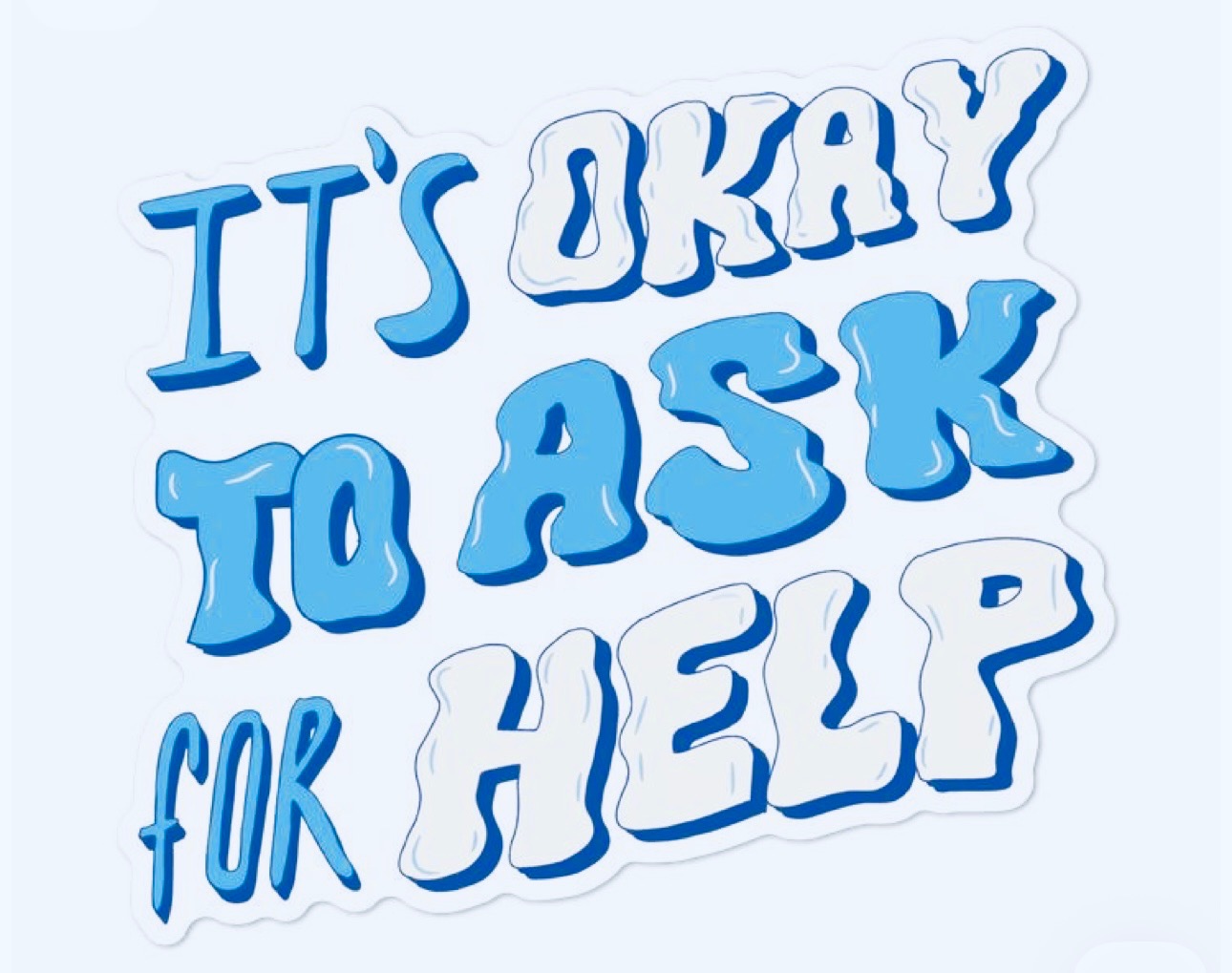
As many of my friends and family know, I also live with health anxiety and OCD, which makes situations like this even more overwhelming. It’s not always easy to trust your instincts when your mind is already running wild with worry, and sometimes it feels like you’re fighting your own brain just to make a decision. But here’s the thing: it’s totally okay to ask for help. It’s not weak to go to the doctor or to seek medical treatment when you don’t feel well. If something feels off, listen to your body and don’t be embarrassed to get checked out. I’m so grateful I finally did, because waiting any longer could have made things much worse. If you’re struggling with anxiety or OCD, you’re not alone—there’s nothing wrong with reaching out for support, and it can make all the difference.
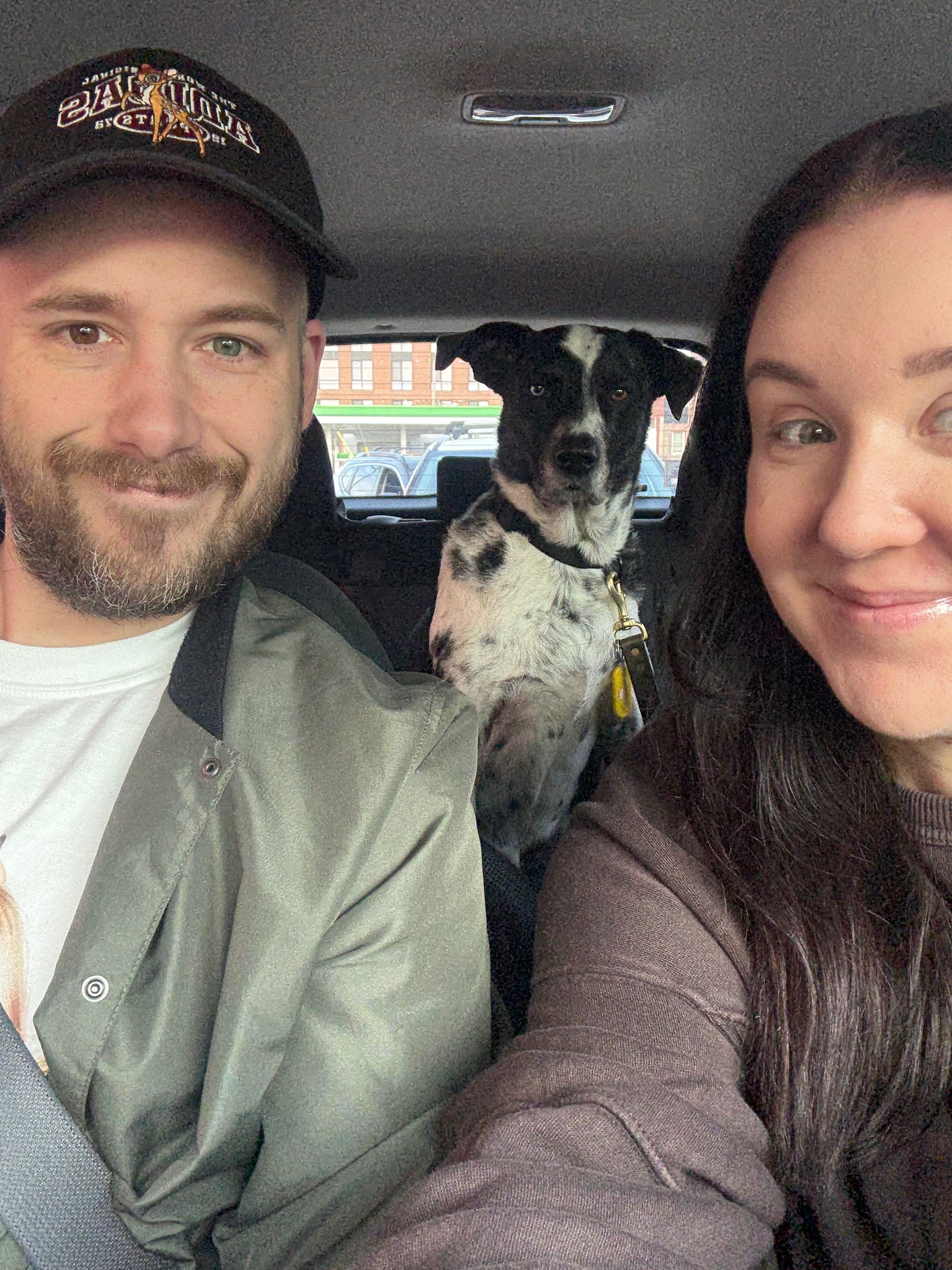
I’m lucky to have my amazing husband, friends, family, and the oncology team at Penn Medicine in Philadelphia cheering me on. Any funds raised will go toward my medical bills and treatment.
If there are extra funds after my recovery, I’ll be donating them to NAMI Philadelphia. NAMI (National Alliance on Mental Illness) Philadelphia is a nonprofit that helps people and families dealing with mental health—advocacy, education, and community support. Their work means a lot to me, and I want to help others get the support they need.
Before all this, I was focused on work, staying active, and just living life. Now, my days are filled with recovery, hospital visits, and waiting for more pathology results. The cancer I have is extremely rare, and my recovery is expected to take at least ten weeks, maybe more. Not exactly the adventure I had planned, but here we are.
As many of my friends and family know, I also live with health anxiety and OCD, which makes situations like this even more overwhelming. It’s not always easy to trust your instincts when your mind is already running wild with worry, and sometimes it feels like you’re fighting your own brain just to make a decision. But here’s the thing: it’s totally okay to ask for help. It’s not weak to go to the doctor or to seek medical treatment when you don’t feel well. If something feels off, listen to your body and don’t be embarrassed to get checked out. I’m so grateful I finally did, because waiting any longer could have made things much worse. If you’re struggling with anxiety or OCD, you’re not alone—there’s nothing wrong with reaching out for support, and it can make all the difference.
I’m lucky to have my amazing husband, friends, family, and the oncology team at Penn Medicine in Philadelphia cheering me on. Any funds raised will go toward my medical bills and treatment.
If there are extra funds after my recovery, I’ll be donating them to NAMI Philadelphia. NAMI (National Alliance on Mental Illness) Philadelphia is a nonprofit that helps people and families dealing with mental health—advocacy, education, and community support. Their work means a lot to me, and I want to help others get the support they need.
Organizer