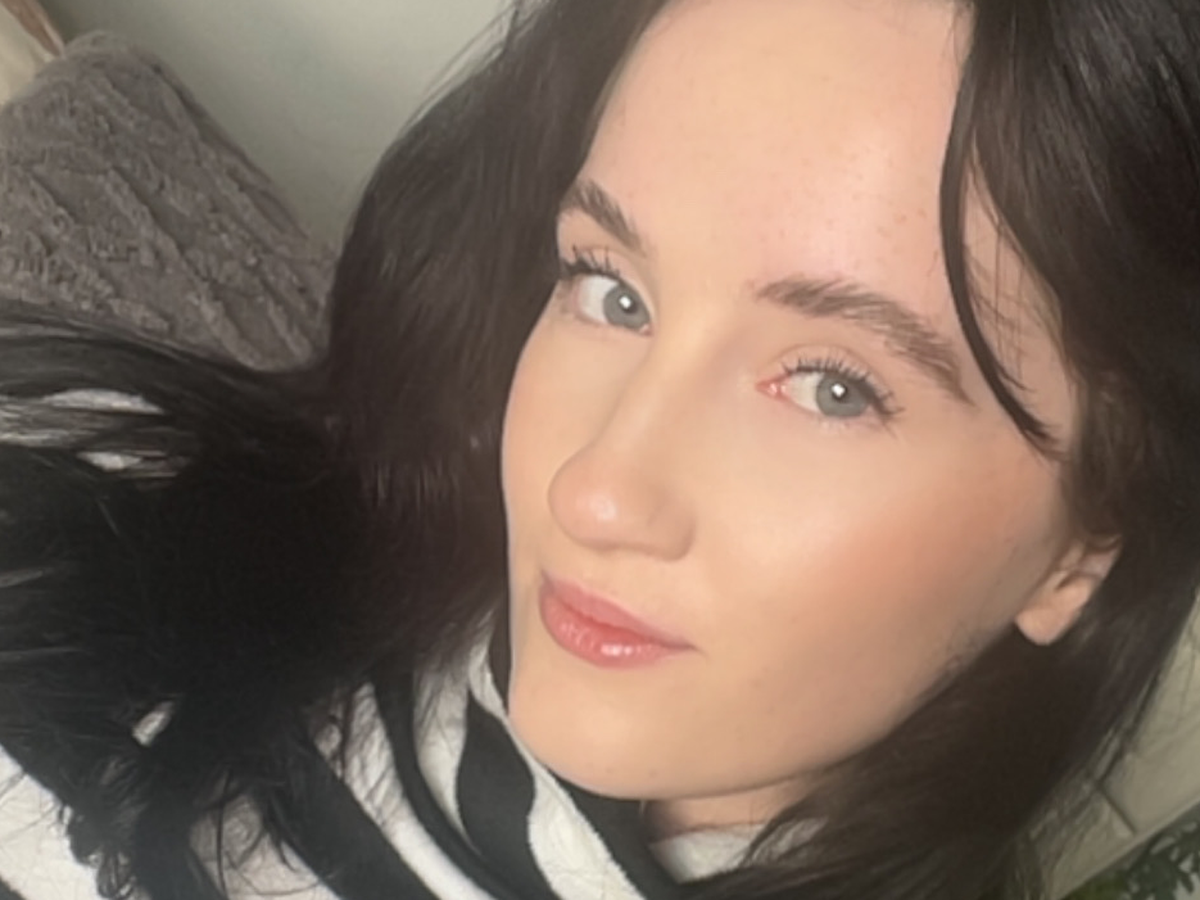
Hello my name is Freya. I am 22. I am from Derbyshire. I will be walking 100 miles for Endometriosis UK — not just for awareness, but for every person who has ever been told their pain isn’t real.
I have been waiting for a diagnosis of endometriosis since I was 12 years old — and I am still waiting. Although the symptoms I experience, the scans, and the tests that have been carried out all indicate endometriosis, I still do not have that official diagnosis. At an age when I should have been worrying about homework and friends, I was instead navigating severe pain and medical appointments, searching for answers that never seemed to come.
Month after month, the symptoms came — the crippling cramps, the nausea, the exhaustion, the heavy bleeding, the hospital trips.
I would bleed so heavily that I was going through incontinence pads every 20–30 minutes. My periods would last far longer than what’s considered “normal,” leaving me drained, anaemic, and terrified to leave the house in case I bled through my clothes. This wasn’t just a “bad period.” This was life-disrupting, overwhelming, and frightening.
And yet, time and time again, I was told the same things:
“It’s all in your head.”“You’ll grow out of it.”“Just go on birth control — you’ll be fine.”
But I wasn’t fine.
Endometriosis is a condition where tissue similar to the lining of the womb grows elsewhere in the body, causing inflammation, pain, and sometimes organ damage. It affects 1 in 10 women and those assigned female at birth — that’s around 190 million people worldwide. In the UK alone, it affects approximately 1.5 million people. Despite this, the average diagnosis time in the UK is around 8 years. Eight years of being dismissed. Eight years of suffering without answers.
I am still waiting to see a gynaecologist. Still waiting to be taken seriously.
The hardest part hasn’t just been the physical pain — it’s been the invisibility of it. Smiling through flare-ups. Cancelling plans. Missing out. Feeling like I have to justify why I can’t function normally. Being made to feel dramatic for pain that feels unbearable.
But it doesn’t just affect the body — it affects the mind too.
Living with constant pain takes a huge mental toll. The anxiety of not knowing when a flare will hit. The fear of making plans and having to cancel. The exhaustion of fighting to be believed. The loneliness that comes from feeling like no one truly understands. Over time, it chips away at your confidence, your sense of control, and your emotional wellbeing. Endometriosis is not just a physical condition — it carries a deep mental strain that so many suffer with silently.
Endometriosis is under-researched, underfunded, and under-discussed. For a condition that affects so many, the silence around it is deafening. Research funding does not reflect the scale of impact. Education around menstrual health is limited. Too many people are suffering quietly because they’ve been taught that this level of pain is “normal.”
It isn’t normal.
This 100-mile walk is for the hospital visits where I felt unheard. It’s for every person who has been told they’re exaggerating. It’s for those still waiting for diagnosis. It’s for those who feel alone.
I am walking 100 miles in solidarity. In frustration. In hope.
I am walking because awareness leads to conversation. Conversation leads to research. Research leads to better treatments, faster diagnoses, and — one day — a cure.
If you’ve ever felt dismissed, doubted, or defeated by this condition, please know: I see you. I hear you. Your pain is real.
Together, we can make sure that every single woman is heard, believed, and reminded that her pain is real — and that she never has to fight to prove it again.
Organizer

Endometriosis UK
Beneficiary