I am a true believer in the idea of building with "site cast cellular concrete." I have been trying to gather the resources to promote this idea for 18 months. Here's why: It's a high quality and very cheap way to make a house. One could even say it's "the highest quality yet cheapest way to make a house". Do I have the data to back that up? Yes I do. The details are boring but here are a few of the facts. Most of the world builds houses a single way: They use a "concrete frame" as foundation, footers, floor, and load bearing columns. Then they use either bricks, concrete masonry units (CMU's), or a relatively new type of block called autoclaved aerated concrete (AAC).
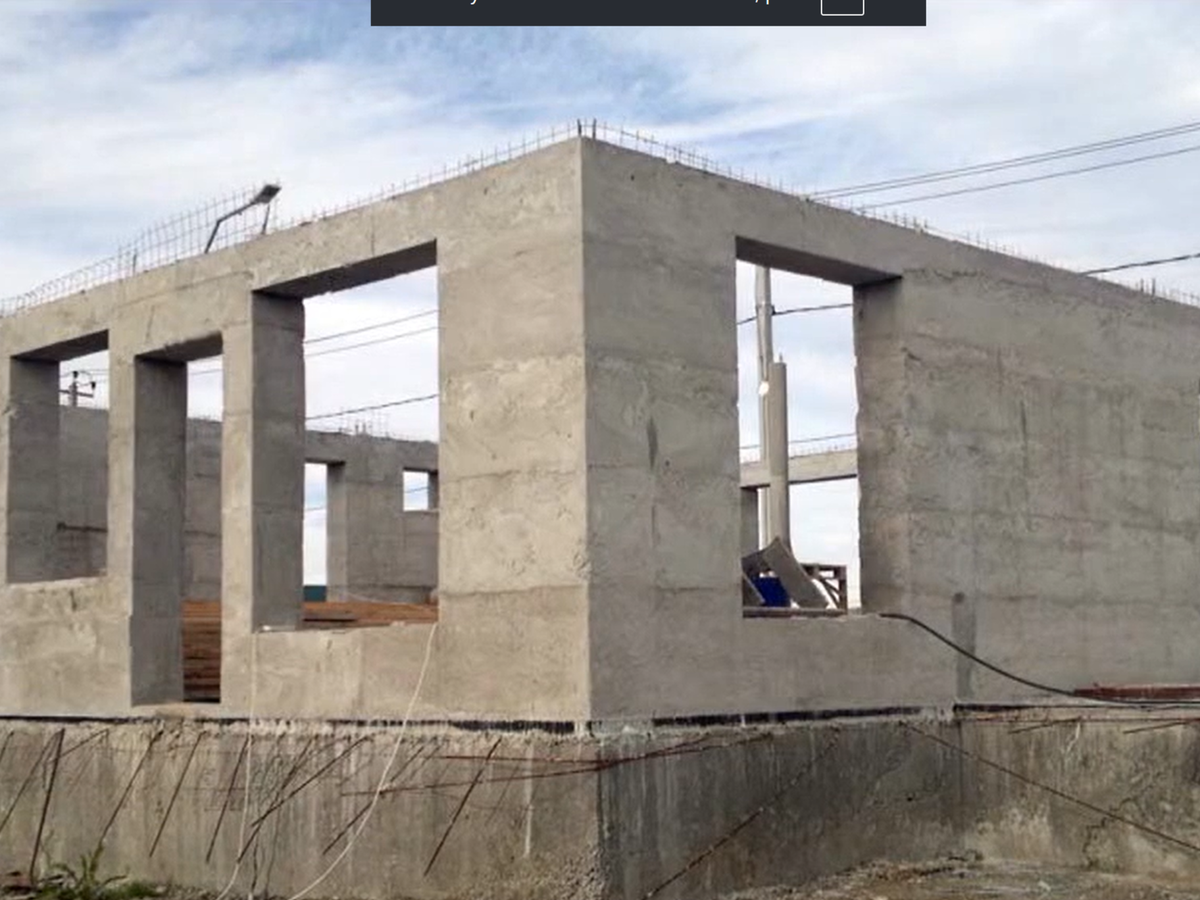
I have a better idea. Well some other people had it first but that is a long story. It involves using aerated concrete, similar to AAC. Instead of cooking the blocks with an "autoclave (steam overn) to cure blocks, we make a material called "non autoclaved aerated concrete" (NAAC aka aircrete aka foamed concrete). Back of the envelope math shows that 250 bags of 50kg Portland cement are all that's needed to build foundation, floors, infill walls for a 1,000 sq ft home (100M2). Well, 500 bags of cement plus some soap foam or sand. That stuff is very cheap. The cement would cost about $12,500 int he USA, at $25 a bag. In Mexico it would cost $4,000, at $8/bag. In India it would cost $1,500 at $3/bag. Very, very cheap. Not an entire house but it's a very low cost way to build the floor and walls. "Structural insulation" can be made with aircrete too, for the roof (very important).
This aircrete provides waaay better thermal performance that cinderblocks or red bricks. Better passive cooling in the summer and passive heat retention int he winter. It provides better sound attenuation (quieter). For the prices above, one gets a foot thick wall (30CM). It's a nice, aircrete igloo of a house. And yes it is strong enough. This material is used in roadbeds in Alaska and Canada. It's been around 80 years and can be properly engineered to do anything. It performs well in freeze/thaw cycles and earthquakes. It works well as a retrofit option to crumbling structures.
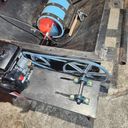
So why haven't we been building with this stuff and what can we do to help people, especially poor people have access to this material, and these homes? There has been a lack of good, cheap, small contractor grade mixing and pumping equipment. If you want to buy a good aircrete mixer it costs $200,000. There is an option for DIY enthusiasts to mix it with a drill but that is a very labor intensive way to build a house. I'm aware of a mixer design we could develop that would cost less than $3,000. I want to build a few.
There is one way we can start a pilot program in an impverished place to demonstrate the economic and performance advantage of these homes: fund the production of some good, small mixers and a "pilot home development". It could be anywhere and the roadmap has already been set out....they do it in Western Russia. There they have developed the cheap mixers and built the exact kind of homes I have been talking about. But there are sanctions so we can't cooperate fully with them. We need a new effort. The money I am trying to raise will go towards funding small mixer builds of under $3,000 and pilot home walls + floors + roofs made out of aircrete for less than $10,000 anywhere we can build them. India, Brazil, Haiti. Please help donate and we will get to work.
Organizer