- D
- M
Since 1930, when Luther Replogle began making paper globes, people have seen the Earth as a “dead” picture glued to a ball and mounted on a stand, or a flat map hanging lifelessly on a wall. And when you view the Earth that way for very long, it’s bound to influence what you think about the Earth and how you treat it.
Then on Christmas Eve, 1968, Apollo 8 astronaut William Anders took the first color photograph of Earth from space. The image—a sun-lit Earth appearing above the barren lunar horizon—is called Earthrise,
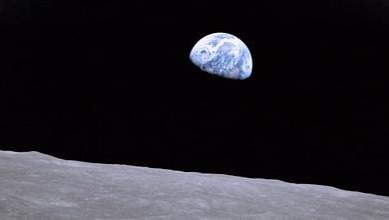
and it quickly circulated around the world igniting a global environmental movement. Nature photographer Galen Rowell described Earthrise as "the most influential environmental photograph ever taken."
Why was this one photograph so special? Because it was the very first time Humanity saw the Earth floating against the blackness of space. Never before had humans been far enough away from Earth to see the whole planet, and this two-dimensional photograph was enough to create a powerful effect in virtually everyone who saw it.
Fifty years to the day after taking the Earthrise photo, Anders observed, "We set out to explore the moon and instead discovered the Earth." And Apollo15 astronaut Alfred Worden said, “Now I know why I’m here. Not for a closer look at the moon, but to look back at our home—the Earth.”
Earthrise was soon followed by numerous Apollo and International Space Station astronauts coming back from space having experienced “a deep cognitive and emotional shift accompanied by unexpected and even overwhelming emotions” when they looked at a three-dimensional Earth from space.
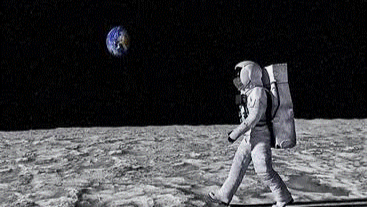
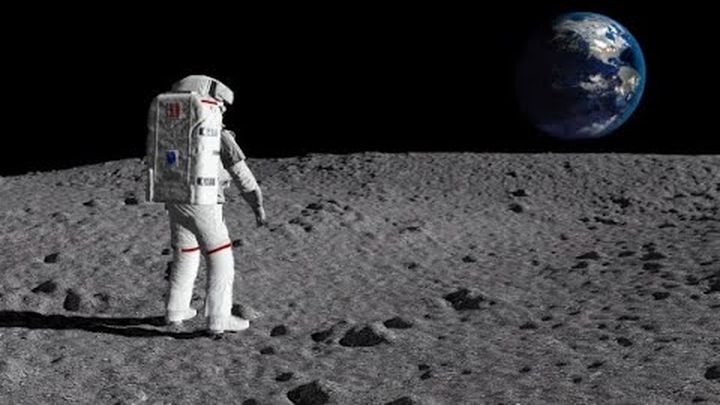
Author Frank White calls this the “Overview Effect” and explains that seeing Earth as a whole—free of national boundaries, surrounded by the vastness of space—fundamentally changed the way astronauts thought about humanity, the environment, and their place in the universe.
And Apollo 14 astronaut Edgar Mitchell once said, “From out there on the moon… you develop an instant global consciousness, a people orientation, an intense dissatisfaction with the state of the world, and a compulsion to do something about it.”
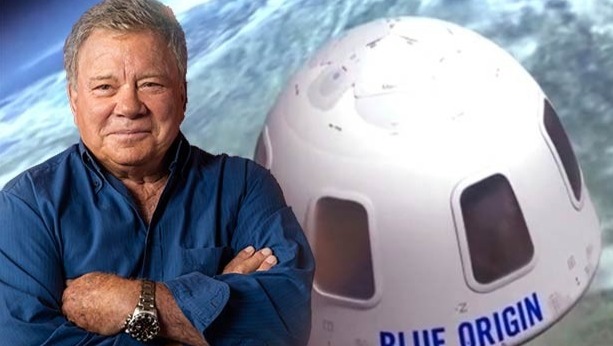
More recently, 90-year-old William Shatner (aka “Captain Kirk”) returned from his 11-minute Blue Origin rocket trip into space saying, “I’m so filled with emotion about what just happened. It’s extraordinary. Everybody in this world needs to do this.”
Unfortunately, we can’t send all of humanity into space to experience the Overview Effect like Edgar Mitchell and William Shatner did. Yet its end result is desperately needed and sorely lacking. In the words of renowned astrophysicist Neil deGrasse Tyson, “We could all use a strong dose of the Overview Effect right now.”
And apparently "something happens" when a human being sees the whole Earth live. Today, we may not know exactly what this “something” is; perhaps scientists will discover that in the years to come. What we DO know is that Humanity needs to change its relationship to the Earth—and quickly—in order to avert a serious climate crisis. At the Living Globes Society, we are certain that the future—the Earth’s as well as Humanity’s—depends on creating a new Earthrise movement, and as Frank White later said, “If we could bring the Overview Effect down to Earth, perhaps we can shift the awareness of the entire planet.”
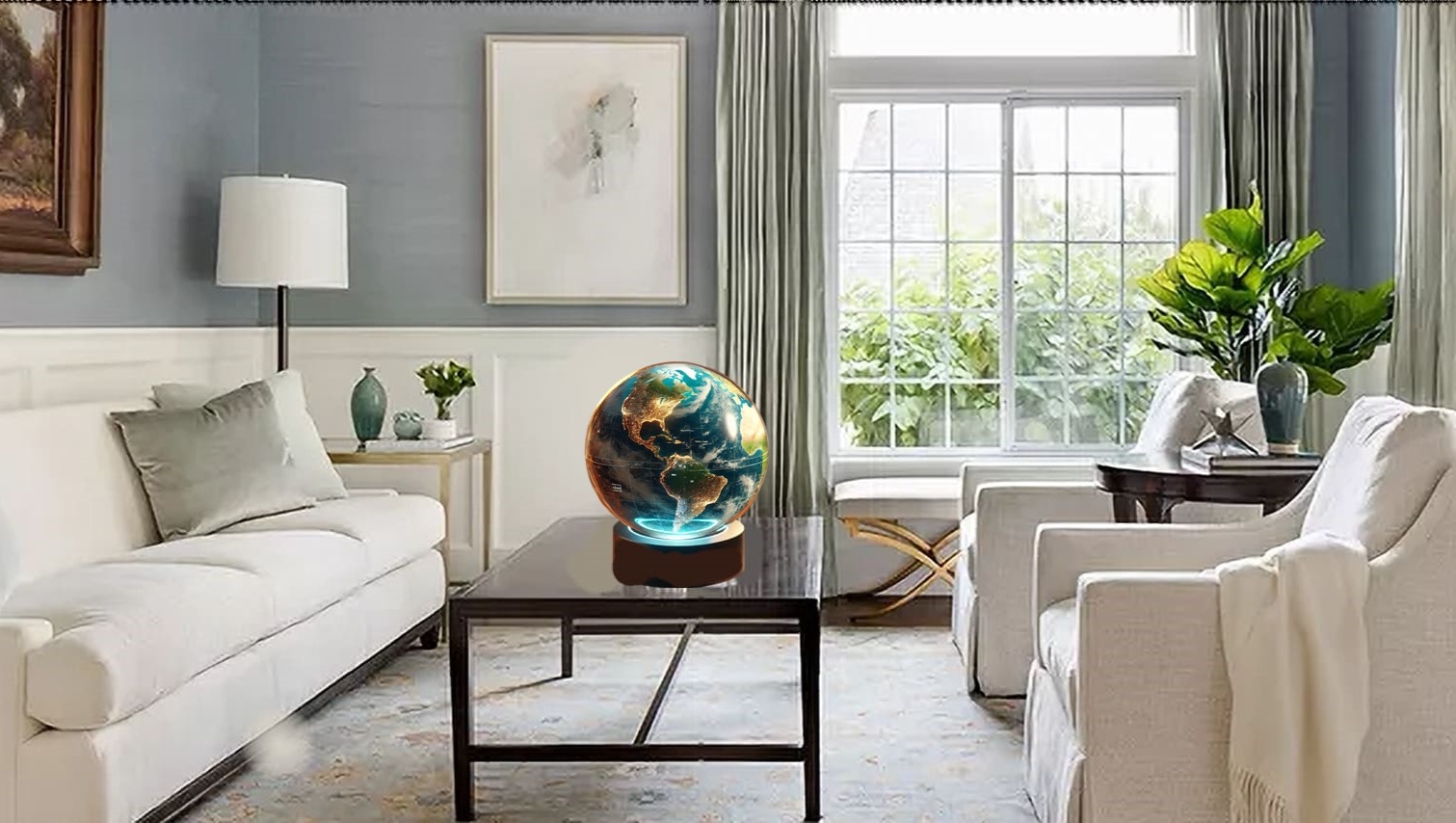
The Purpose of the Living Globes Society is to let everyone, everywhere, see the whole Earth in three dimensions—as the astronauts saw her from the moon—by developing next-generation digital spheres displaying real-time satellite images of our living planet for use in private homes, classrooms, and community spaces around the world. Please join us in making our Vision a reality.
Organizer


Living Globes Society
Beneficiary