- V
- E
- A
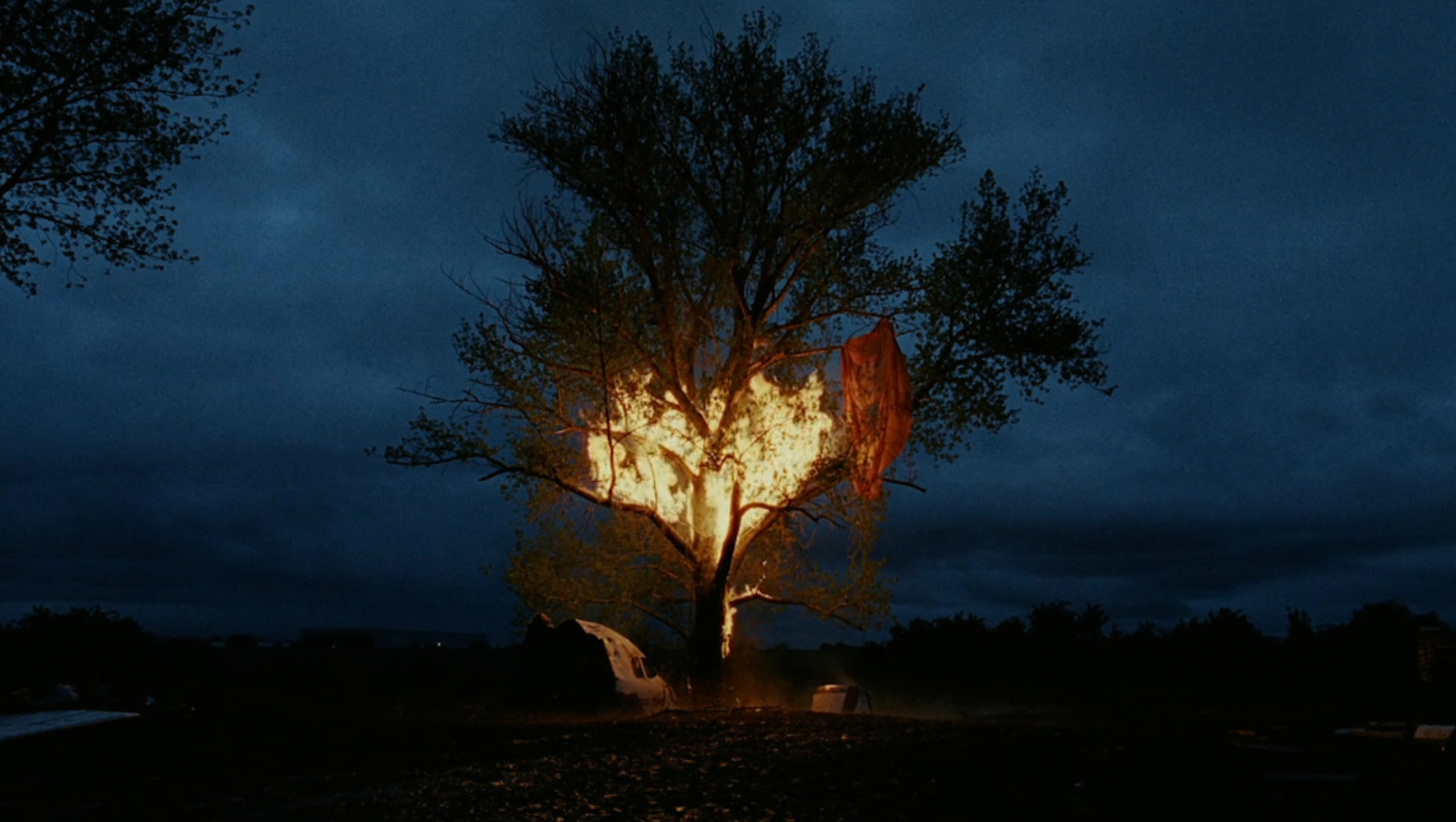

Ciao! Mi chiamo Rebecca e sono una Junior Producer di Milano. Lavoro in una nota casa di produzione ma parallelamente cerco di seguire anche progetti indipendenti in cui credo, aiutando registi emergenti a realizzare prodotti innovativi e sperimentali, spesso a sfondo sociale.
Ho conosciuto Lisaly Martinez (regista) per via di amicizie in comune, quando il suo nuovo documentario era ancora in fase di scrittura. E' un progetto ambizioso ma incredibilmente affascinante che prenderà vita a partire dal 7/10/25 quando una piccola crew di ragazzi partirà per la Repubblica Dominicana per le riprese.
La regista, io, il direttore della fotografia Giovanni Barsotti e il montatore Filippo Guarino stiamo finanziando il docu-film ma è inutile dire che per questo tipo di progetti i soldi sembrano non bastare mai.
Spero che coglierete in questo progetto l'importanza della storia che vuole raccontare, così specifica ma paradossalmente universale.
Qui una piccola e breve descrizione fatta dalla regista Lisaly Martinez con alcune considerazioni sul progetto:
In Repubblica Dominicana, nel complesso intreccio di tensioni migratorie con il vicino Haiti, tra lotte politiche e storie segnate da tragici successi, si svolge la vita silenziosa di molte giovani immigrate haitiane. Queste ragazze, lontane dalla loro terra e dalle loro famiglie, trovano impiego presso famiglie dominicane come domestiche.
Accudiscono i figli altrui, puliscono le case di altri, preparano i pasti per altri, diventando custodi di vite che non appartengono loro. Quasi come moderne meninas, non discendono da nobili stirpi, ma il loro servizio richiama quell'antica devozione delle giovani aristocratiche che un tempo popolavano i palazzi per servire la regina e i suoi figli. Tuttavia, qui non ci sono titoli nobiliari a renderle visibili, ma sono i loro servizi mentre si prendono cura del mondo intorno a loro, come se nelle loro mani si trovasse la chiave del ritmo quotidiano delle famiglie che le ospitano.
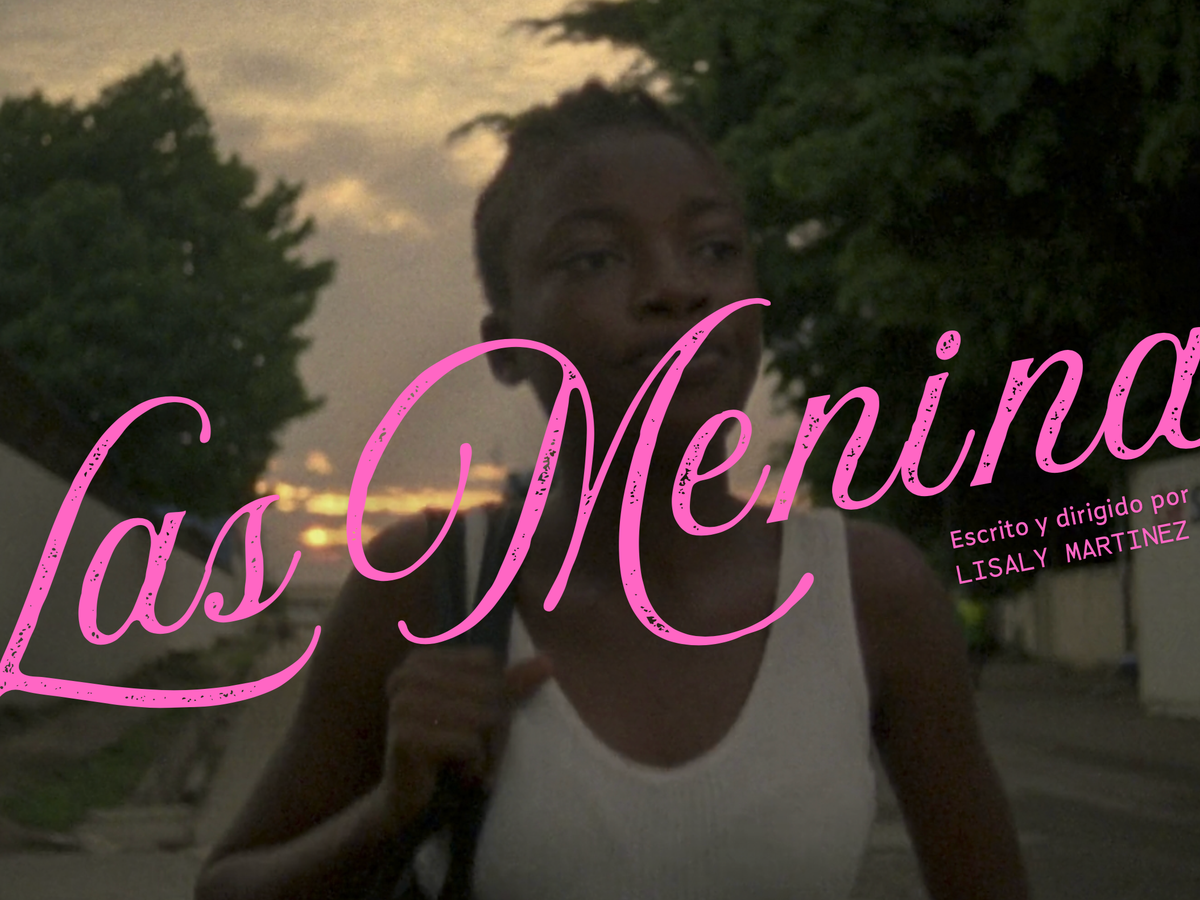
“Las Meninas” è un documentario ibrido d’osservazione che intreccia realtà e finzione, mischiandosi a del lirismo simbolico.
Il progetto intende esplorare i legami familiari a distanza, ma anche riflettere sulle disuguaglianze sociali e sulle dinamiche migratorie che incidono profondamente sulle relazioni affettive, soprattutto quando l’assenza diventa una condizione forzata e permanente.
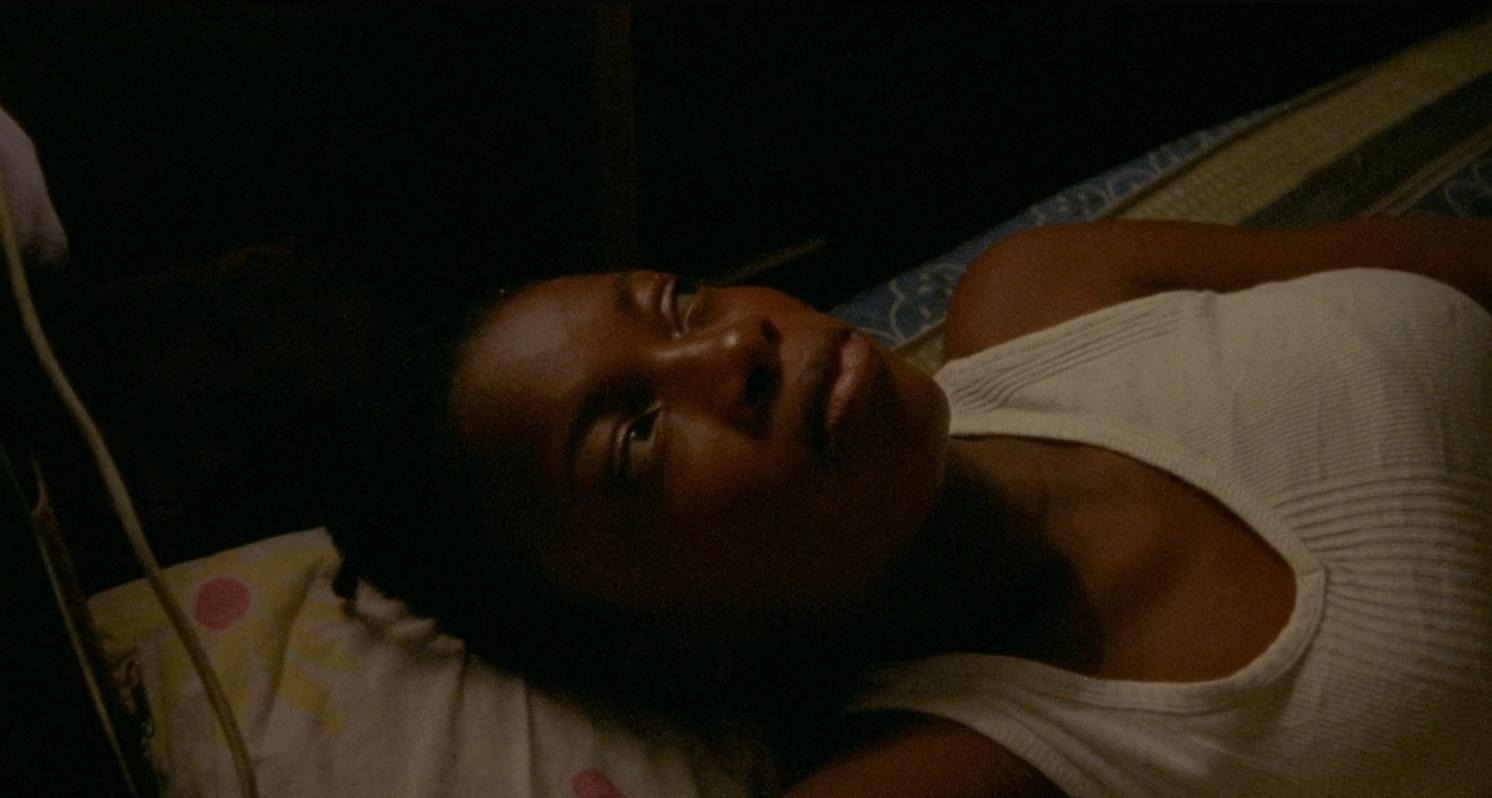
A Comendador Elias Piña, cittadina al confine tra Haiti e Repubblica Dominicana, Lourdes (19) vive immersa nella routine: ogni giorno si sveglia presto per pulire, cucinare e lavare per una famiglia dominicana. In ogni gesto, dietro ogni panno strizzato, si nasconde la nostalgia per il suo passato. Fuori dalla casa, il mondo è caotico e minaccioso. Al mercato, i polli vengono sgozzati in un gesto secco e i militari pattugliano le strade sempre più frequentemente, La tensione e la paura crescono. Lourdes osserva tutto con sguardo silenzioso, registrando una realtà ostile. La casa in cui vive non è sua, i sorrisi che la circondano nemmeno. Eppure, quando i bambini della casa corrono a
giocare con lei, Lourdes intravede per un attimo il volto di sua figlia, rimasta ad Haiti. La paura ha la meglio.
Quando un’amica le suggerisce che l’unico modo per restare è concedersi ai soldati, Lourdes, riluttante, cede. Rimane nel paese, ma a caro prezzo: perde se stessa. Nel silenzio che segue, Lourdes si rifugia nella fede.
Grazie!
Hi! My name is Rebecca and I'm a Junior Producer from Milan. I work at a well-known production company, but at the same time I try to follow independent projects I believe in, supporting emerging directors in creating innovative and experimental works, often with a social focus.
I met Lisaly Martinez (regista) through mutual friends, when her new documentary was still in the writing phase. It’s an ambitious yet incredibly fascinating project that will come to life starting from October 7th, 2025, when a small crew of young people will head to the Dominican Republic for filming.
The director, myself, the director of photography Giovanni Barsotti, and the editor Filippo Guarino are funding the docu-film ourselves—but needless to say, for this kind of project, money never seems to be enough.
I hope you’ll be able to recognize the importance of the story this project aims to tell—so specific, yet paradoxically universal.
Here’s a short description the director, Lisaly Martinez, made about the project:
In the Dominican Republic, amid the complex web of migratory tensions with neighboring Haiti—between political struggles and stories marked by tragic success—unfolds the quiet lives of many young Haitian immigrant women. Far from their homeland and their families, these girls find work in Dominican households as maids.
They care for other people's children, clean other people's homes, cook other people’s meals—becoming caretakers of lives that are not their own. Almost like modern-day meninas, they don’t descend from noble lineages, yet their service evokes the ancient devotion of young aristocratic girls who once filled the palaces to serve queens and their children. However, here there are no noble titles to make them visible—only the value of their care, as if in their hands lay the very key to the daily rhythm of the families that host them.
“Las Meninas” is a hybrid observational documentary that weaves together reality and fiction, blended with symbolic lyricism.
The project aims to explore long-distance family bonds while also reflecting on social inequality and migratory dynamics that deeply affect emotional relationships—especially when absence becomes a forced and permanent condition.
In Comendador Elias Piña, a town on the border between Haiti and the Dominican Republic, Lourdes (19) lives immersed in routine: every day she wakes up early to clean, cook, and wash for a Dominican family. In every gesture, behind every wrung cloth, hides the nostalgia for her past. Outside the house, the world is chaotic and threatening. At the market, chickens are slaughtered with a swift gesture, and soldiers patrol the streets more and more frequently. Tension and fear are mounting. Lourdes watches silently, recording a hostile reality. The house she lives in is not hers—nor are the smiles that surround her. And yet, when the children in the house run to play with her, Lourdes catches a glimpse of her daughter’s face, left behind in Haiti. Fear takes over.
When a friend tells her the only way to stay is to give herself to the soldiers, Lourdes—reluctantly—gives in. She remains in the country, but at a high cost: she loses herself. In the silence that follows, Lourdes takes refuge in faith.
Thank you!!