- J
- A
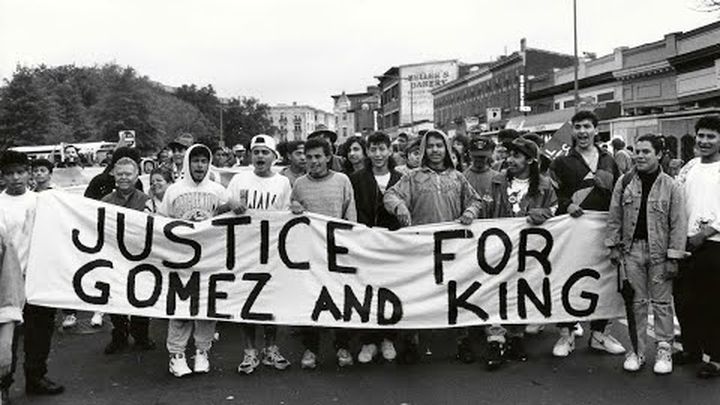
On May 5th, 1991, people took to the streets of Washington D.C.’s Mount Pleasant neighborhood to protest the police shooting of Daniel Gomez, a young man from El Salvador. Through testimony, song, poetry, and street theatre, La Manplesa: An Uprising Remembered weaves together the collective memory of one of D.C.’s first barrios, dives into the roots of the ‘91 rebellion, and explores the ways that activism of the past informs and inspires present social movements. As people across the world take to the streets to demand an end to police brutality and systemic racism, the film explores how artists prompt us to question: how much has really changed for the people whom our systems were built to oppress?
After two years of working on this feature documentary through volunteer efforts and a production grant from the Humanities Council of Washington D.C. , we need your support to help us get over the finish line. We need to raise $30,000 so that we can begin to share this pivotal chapter in the history of Washington D.C.’s Latinx community. We are anchored in two main goals:
(1) Honoring the history of Mount Pleasant, through recognizing the contributions of the Latinx community in shaping the ground on which we walk on today.
(2) Sharing this story with current residents and with the larger Washington, D.C. community to foster reflection, education and change.
All donations are tax-deductible.
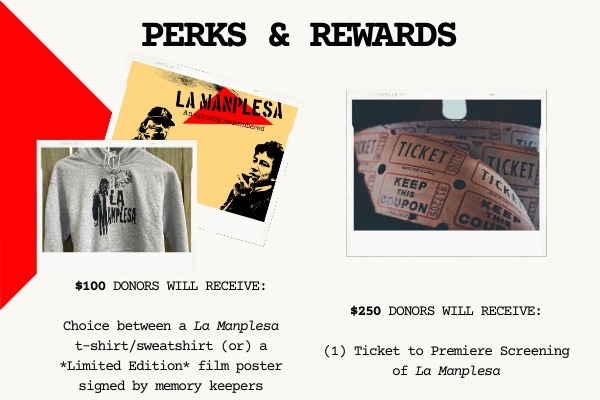
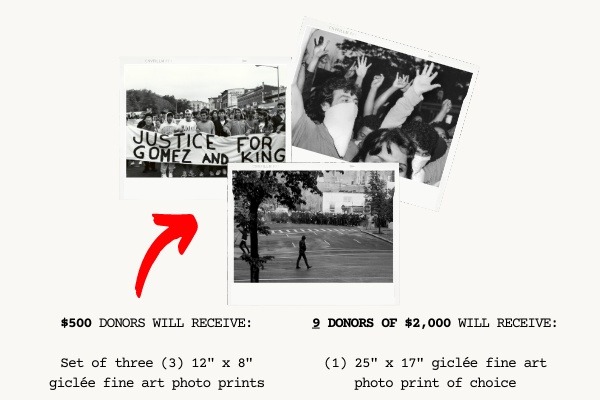
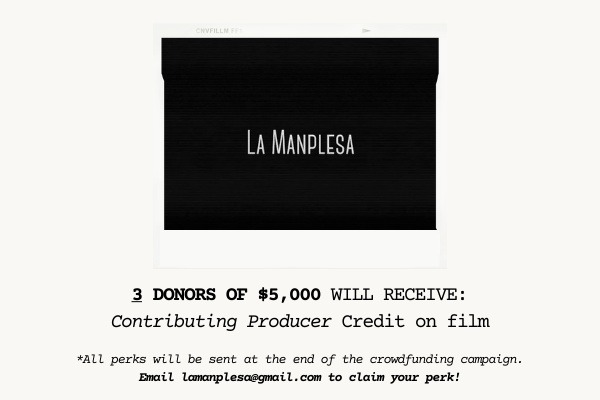
We are offering perks for certain donation amounts—more information below!
Please email [email redacted] [dot] com to claim your perk.
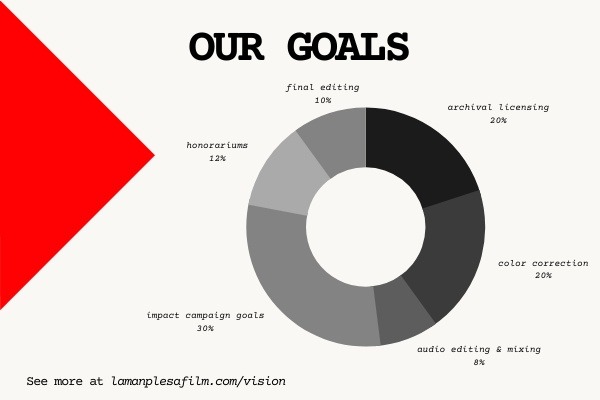 • $5,000 for archival licensing
• $5,000 for color correction
• $2,000 for audio editing & mixing
• $2,500 for final editing
• $7,500 to launch an impact campaign after the film is complete
• $3,000 to pay honorarium to the artists & memory keepers
We plan to have a series of community screenings across the DMV, taking this film to churches, community centers, non-profits, universities and schools. Our hope is that audiences will be inspired to ensure that they better understand their rich, local history, and will be moved to action to maintain the foothold of Latinx residents in this unique neighborhood. We are also pushing for this history to be incorporated into school curriculums and the DC Public Library. We’re excited and look forward to collaborating with local community leaders and partners to find ways to accomplish these goals.
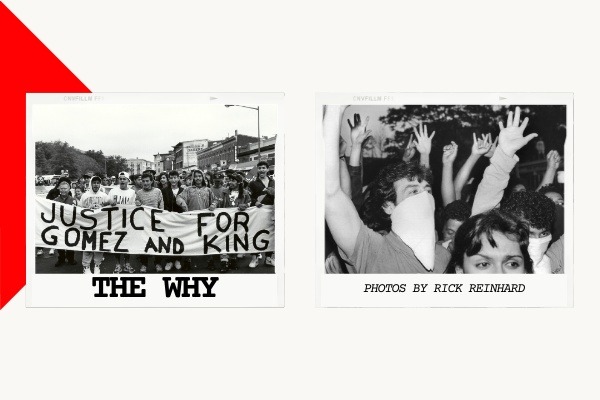 May 2021 marks the 30th anniversary of the 1991 Mount Pleasant uprisings. Against the backdrop of contemporary protests to end police brutality and racial injustice, it is critical to honor the stories of those that have come before us, as we work from our places of influence to mobilize change.
The Mount Pleasant uprising created real and substantive change for the residents of the community — from the formation of the Latino Civil Rights Task Force and the Latino Economic Development Center to the immense growth of the Latin American Youth Center. Yet despite these advances, many of the injustices that sparked the uprising still persist to this day.
 Our history informs our daily lives, our interactions as community members, the homes we live in, and the very topography that we traverse. In a city whose “official” history has been dominated by white storytellers who centered the experiences of people like themselves, La Manplesa tells a different story, from the perspective of Latinx artists and community members who shared their voices, fought for change, and continue to do so today.
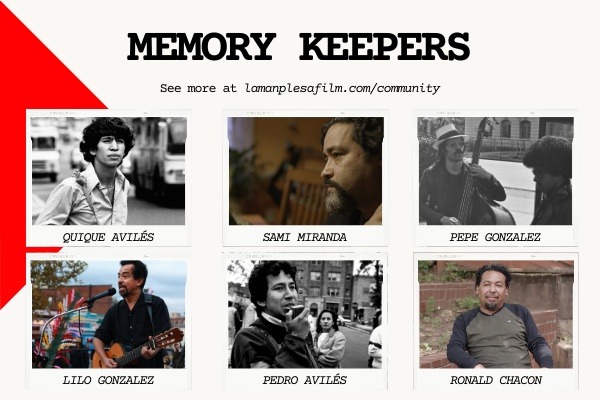
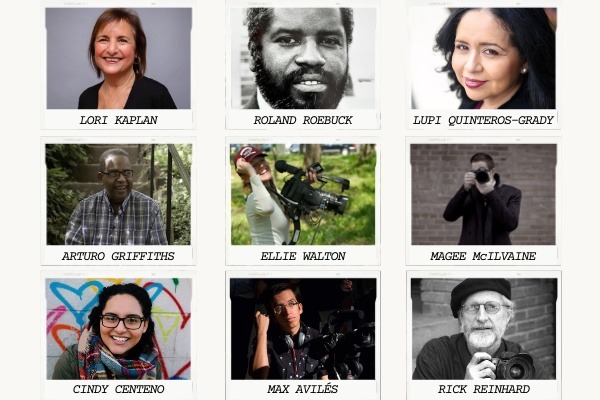
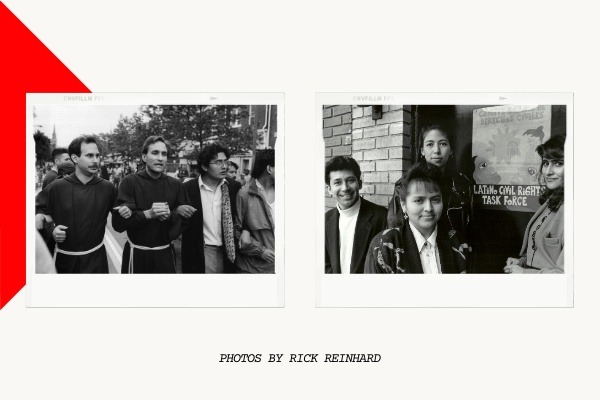
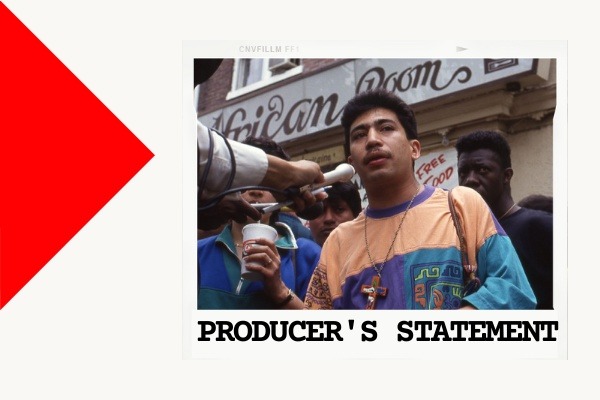 There’s a poem I wrote called Barrio that goes something like this, “Trying to write things about this place, about this time, about this air that hangs around, chewing gum blowing bubbles, trying to write about things that do not belong in poems… Trying to put it down, to say it right. It’s difficult. Very difficult.” Depending on what generation you were from, Mount Pleasant has different meanings. When I left home at 17, I lived in a group house on Hobart street, and then I got my first apartment on Lanier. It’s all an accumulation of memories, but some things get lost. This film matters because it brings together a lot of our lived experiences. In those black and white pictures of Rick Reinhard’s, you actually see all our stories coming together. As we fought, some evolution happened, but not a lot has changed. As we were living this, we didn’t have a handle on the history that we were making, on the history we were repeating. Some of us will go to our grave without finishing that task of understanding how all these things fit together into the bigger history of the United States. This film is part of that journey of understanding.
— Quique Avilés, Producer
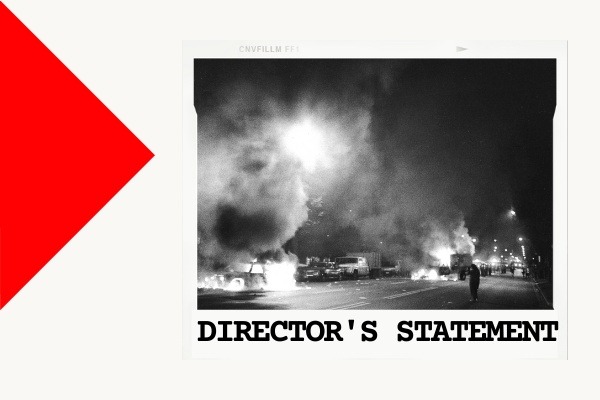 Mount Pleasant is a neighborhood whose community members, block parties, alley jams, and porch culture raised me. I was nine years old when Daniel Gomez was shot. I remember walking the block up to Mt. Pleasant Street, the gathering crowd, too many police, the ambulance taking him away. No one explained to me what was happening. But I remember witnessing the pain in my neighbor’s faces, the pit in my young belly, and a deep feeling we all shared in that moment that an injustice had transpired. The next day, I remember the stomping boots of riot police, my eyes burning while running to the roof with my older brother, watching tear gas rise into the air, our faces pushed into wet towels to calm the sting. Those three days marked the beginning of my understanding of the racial injustice and oppression in the city I have called home my whole life.
La Manplesa is made in collaboration with the activists and artists in the community. I hope this film is a small contribution to honor this history, to recognize the everyday revolutionaries who took to the streets and used their voice and creativity to fight for justice.
— Ellie Walton, Director/DP
_________________________________________________________________________________________
Sea parte de honrar la historia de La Manplesa.
Be a part of honoring the history of Mount Pleasant.
Visit our website for more information! And, make sure to follow us on Facebook & Instagram .
All donations are tax-deductible.
After two years of working on this feature documentary through volunteer efforts and a production grant from the Humanities Council of Washington D.C. , we need your support to help us get over the finish line. We need to raise $30,000 so that we can begin to share this pivotal chapter in the history of Washington D.C.’s Latinx community. We are anchored in two main goals:
(1) Honoring the history of Mount Pleasant, through recognizing the contributions of the Latinx community in shaping the ground on which we walk on today.
(2) Sharing this story with current residents and with the larger Washington, D.C. community to foster reflection, education and change.
All donations are tax-deductible.
We are offering perks for certain donation amounts—more information below!
Please email [email redacted] [dot] com to claim your perk.
• $5,000 for archival licensing• $5,000 for color correction
• $2,000 for audio editing & mixing
• $2,500 for final editing
• $7,500 to launch an impact campaign after the film is complete
• $3,000 to pay honorarium to the artists & memory keepers
We plan to have a series of community screenings across the DMV, taking this film to churches, community centers, non-profits, universities and schools. Our hope is that audiences will be inspired to ensure that they better understand their rich, local history, and will be moved to action to maintain the foothold of Latinx residents in this unique neighborhood. We are also pushing for this history to be incorporated into school curriculums and the DC Public Library. We’re excited and look forward to collaborating with local community leaders and partners to find ways to accomplish these goals.
May 2021 marks the 30th anniversary of the 1991 Mount Pleasant uprisings. Against the backdrop of contemporary protests to end police brutality and racial injustice, it is critical to honor the stories of those that have come before us, as we work from our places of influence to mobilize change.The Mount Pleasant uprising created real and substantive change for the residents of the community — from the formation of the Latino Civil Rights Task Force and the Latino Economic Development Center to the immense growth of the Latin American Youth Center. Yet despite these advances, many of the injustices that sparked the uprising still persist to this day.
Our history informs our daily lives, our interactions as community members, the homes we live in, and the very topography that we traverse. In a city whose “official” history has been dominated by white storytellers who centered the experiences of people like themselves, La Manplesa tells a different story, from the perspective of Latinx artists and community members who shared their voices, fought for change, and continue to do so today.There’s a poem I wrote called Barrio that goes something like this, “Trying to write things about this place, about this time, about this air that hangs around, chewing gum blowing bubbles, trying to write about things that do not belong in poems… Trying to put it down, to say it right. It’s difficult. Very difficult.” Depending on what generation you were from, Mount Pleasant has different meanings. When I left home at 17, I lived in a group house on Hobart street, and then I got my first apartment on Lanier. It’s all an accumulation of memories, but some things get lost. This film matters because it brings together a lot of our lived experiences. In those black and white pictures of Rick Reinhard’s, you actually see all our stories coming together. As we fought, some evolution happened, but not a lot has changed. As we were living this, we didn’t have a handle on the history that we were making, on the history we were repeating. Some of us will go to our grave without finishing that task of understanding how all these things fit together into the bigger history of the United States. This film is part of that journey of understanding.— Quique Avilés, Producer
Mount Pleasant is a neighborhood whose community members, block parties, alley jams, and porch culture raised me. I was nine years old when Daniel Gomez was shot. I remember walking the block up to Mt. Pleasant Street, the gathering crowd, too many police, the ambulance taking him away. No one explained to me what was happening. But I remember witnessing the pain in my neighbor’s faces, the pit in my young belly, and a deep feeling we all shared in that moment that an injustice had transpired. The next day, I remember the stomping boots of riot police, my eyes burning while running to the roof with my older brother, watching tear gas rise into the air, our faces pushed into wet towels to calm the sting. Those three days marked the beginning of my understanding of the racial injustice and oppression in the city I have called home my whole life.La Manplesa is made in collaboration with the activists and artists in the community. I hope this film is a small contribution to honor this history, to recognize the everyday revolutionaries who took to the streets and used their voice and creativity to fight for justice.
— Ellie Walton, Director/DP
_________________________________________________________________________________________
Sea parte de honrar la historia de La Manplesa.
Be a part of honoring the history of Mount Pleasant.
Visit our website for more information! And, make sure to follow us on Facebook & Instagram .
All donations are tax-deductible.