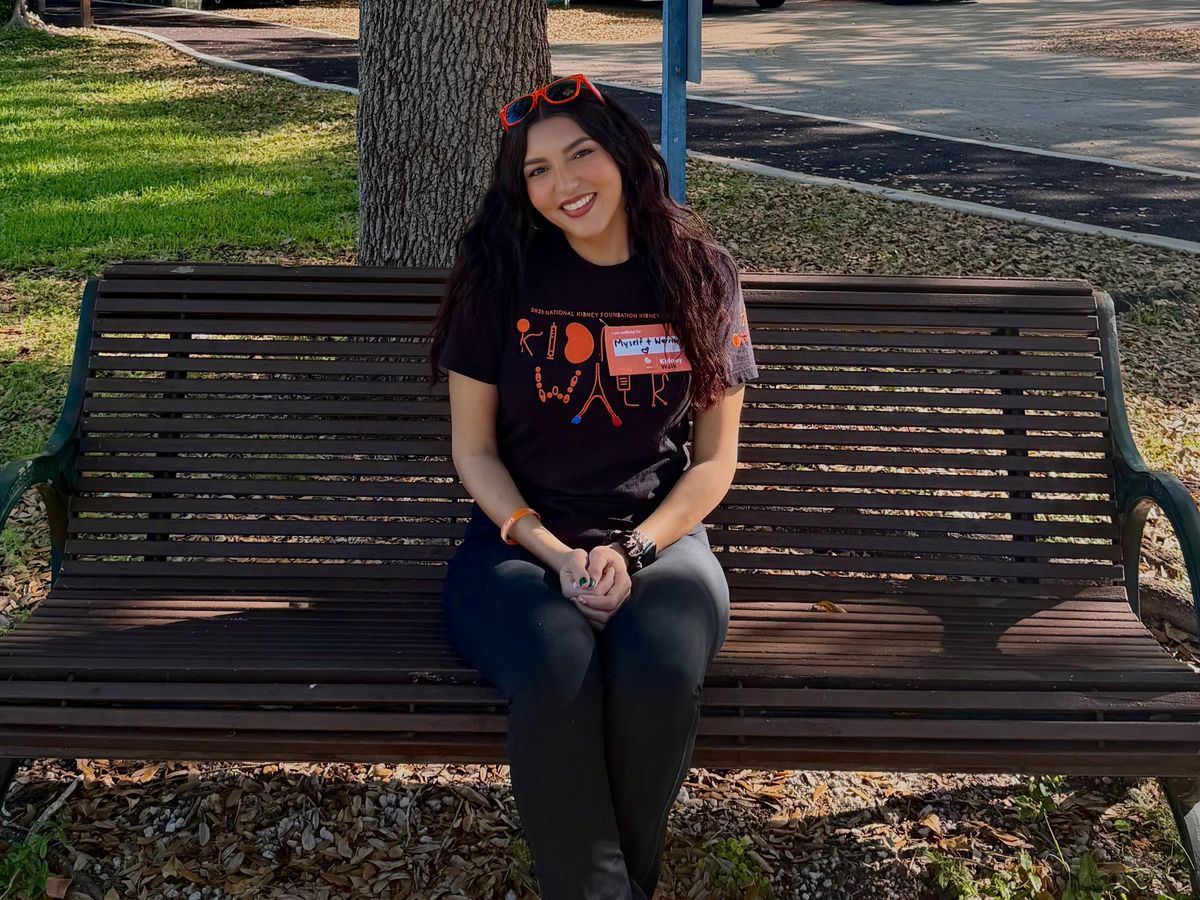
Melanie: Kidney Hero of The Year Nominee
0% complete
$130 raised of
9 donations
In 2018, Melanie was on summer break from her junior year of college when her mother suggested she get blood work done. Having grown up getting blood work yearly, Melanie didn't think it was necessary. However, after a few months of prodding, she finally caved.
No one expected the results to reveal issues with Melanie's kidneys. She didn't have high blood pressure, problems with blood sugar, or a family history of kidney disease.
"As a first-generation Hispanic with Honduran parents, college was one of the most important things I could do. So, my doctor telling me I had to stay here for more testing was harder to hear than having health problems. I was so focused on my education, getting a good job, and helping my parents retire," Melanie said. "Eventually, I had a kidney biopsy that confirmed I had lupus and lupus nephritis. My kidneys were at stage 3b."
Melanie's doctor put her on steroids and instructed her to eat less protein and salt to help maintain kidney function for as long as possible. Everything was going well until Melanie was laid off in January 2021 due to COVID-19.
"I had to take on a very stressful, low-paying job, which caused my lupus to flare up and kidney function to fall from 20% to 15% in less than six months," Melanie said. "My doctor also moved, so I got a new one. It ended up being a blessing in disguise. My new doctor insisted on seeing me every three weeks instead of every three months and took me off the steroids. He informed me that I would need to start dialysis if my function hit 10% or lower."
By July 2021, Melanie had dropped thirty pounds allowing her to get onto the kidney transplant list. Unfortunately, she also went into kidney failure and had a catheter surgically placed in her stomach so she could start peritoneal dialysis (PD).
"PD surgery is no joke, and I was in a lot of pain afterward. The training was also scary and felt weird at first but my nurses were very patient and kind," Melanie said. "It took about three months to feel confident enough to do it myself."
Melanie grew more confident in her treatments but also began gaining the weight she had worked so hard to lose. The sugar-based solution used in peritoneal dialysis made it extremely difficult to stay at the correct weight despite eating healthily and exercising. In April 2022, Melanie's transplant listing was put on hold until her body mass index, BMI, went down.
Melanie was more depressed and anxious than ever: "Latinos have a stigma around mental health, so I felt alone. I was in pain and exhausted. I struggled with a foggy brain and no one understood what I was going through."
She turned to TikTok for distraction.
"I always liked social media, and I'm very creative, so I made make-up videos. Then someone told me that drinking more water would cure my kidney disease, which is not true," Melanie said. There was a trend with a blinking sound that I thought would be funny to pair with that sentiment. I thought no one would see it, but it was my first viral video. I think others with or around kidney disease got the joke because they also receive a lot of bad advice from well-intentioned people."
Suddenly, people all over the platform related to Melanie and began sharing their own kidney disease stories in her comment section of her videos and the unsolicited advice they received from strangers and family members.
"I started finding my groove. Once I grew to 1000 followers, TikTok enabled my live streaming feature," Melanie said. "It was amazing to be able to talk to people, answer more questions, and do dialysis live. I found this entire community. It was the first time I felt seen and understood."
With community support, Melanie began to feel better and decided to get weight loss surgery. It worked! She was placed back on the transplant list and earlier this year she received a kidney transplant! "TikTok saved my life,” she shares. “I learned so much from the community. They made me realize that life was worth living."
Melanie returns this favor to the TikTok community every time she uploads a new video. By sharing her vulnerabilities, triumphs, and struggles, she helps others feel less alone and more in control of their own kidney disease story.
Organizer
National Kidney Foundation
Beneficiary