- M
- M
- M
"The Internet is not a luxury; it is a necessity." ==President Barak Obama, 2015
Think how much we all rely upon computers for our personal and professional lives--communication, information, navigations. Sure, the computer may be as small as a cel phone, but it is still a computer, and we depend upon it. These are the times we live in.
The Digital Divide between those with access to computers and those without. The pandemic made students even more dependent upon computers for learning, as "distance learning" became the norm and we all had to Zoom instead of going to class.
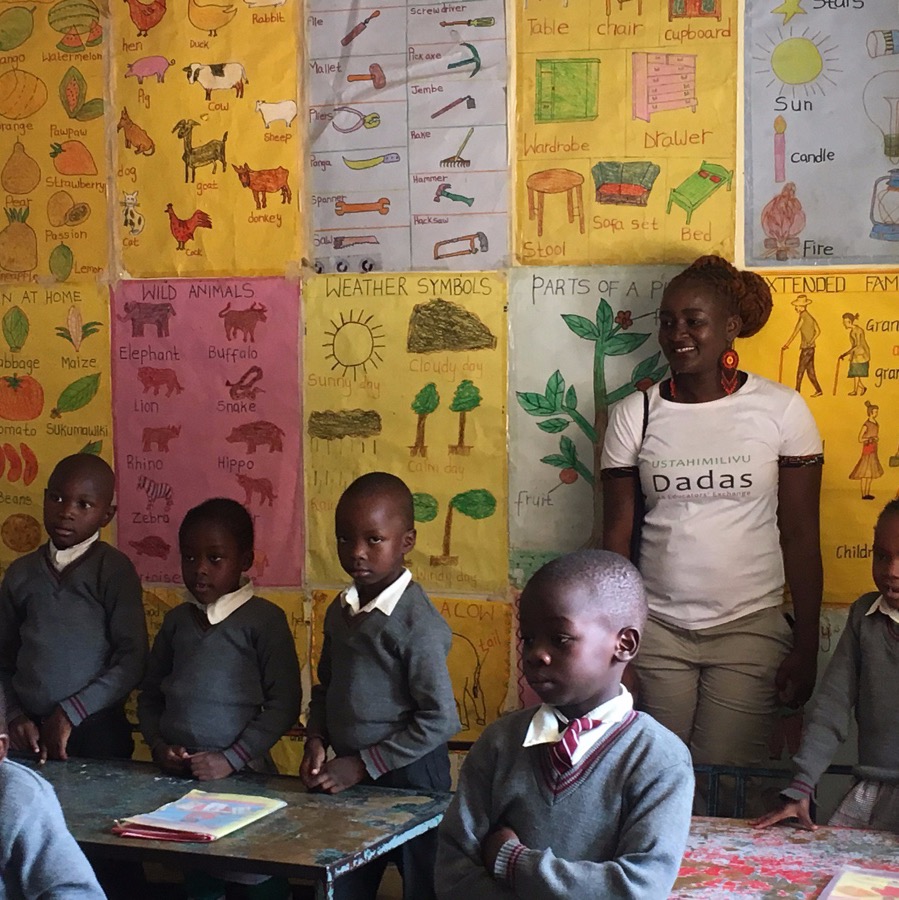
This “Digital Divide” is all too apparent in Kenya, where families often have to survive on the equivalent of $2-3 US / day. 90% of these families’ children do not have a free education; instead, they must pay $300-$500 US / year in education fees. If you want your child to go to school, you must pay these fees. If you cannot pay, your child does not go to school. These are the families of Kenya Big Picture Learning community schools in Nairobi, Kenya.
The cost of one laptop computer is $500 (US dollars). We are using a local vendor, trusted by the school, who will provide good service. This avoids a lot of complications - shipping, customs, etc. You can donate in the following ways:
Go Fund Me -- donate through the following link: https://gf.me/u/yy9pcr
Send A Check -- payable to Big Picture Learning Kenya and mail to:
KBPL, Attn: Cheryl Beeson, 3868 Eagleston Court, High Point, NC 27265
ALL money goes directly towards purchasing computers and the associated technology such as WiFi and security features. There are NO administrative costs.
If you have any questions, please do not hesitate to contact Freddie Veres -- [email redacted]. All donors will have access to photos of the computers purchased and updates on the progress Kenya Big Picture Learning students and staff are making. We hope you are able to help bridge the digital divide in Nairobi.
Here is what KBPL students say about how having computers with internet access will greatly improve their education:
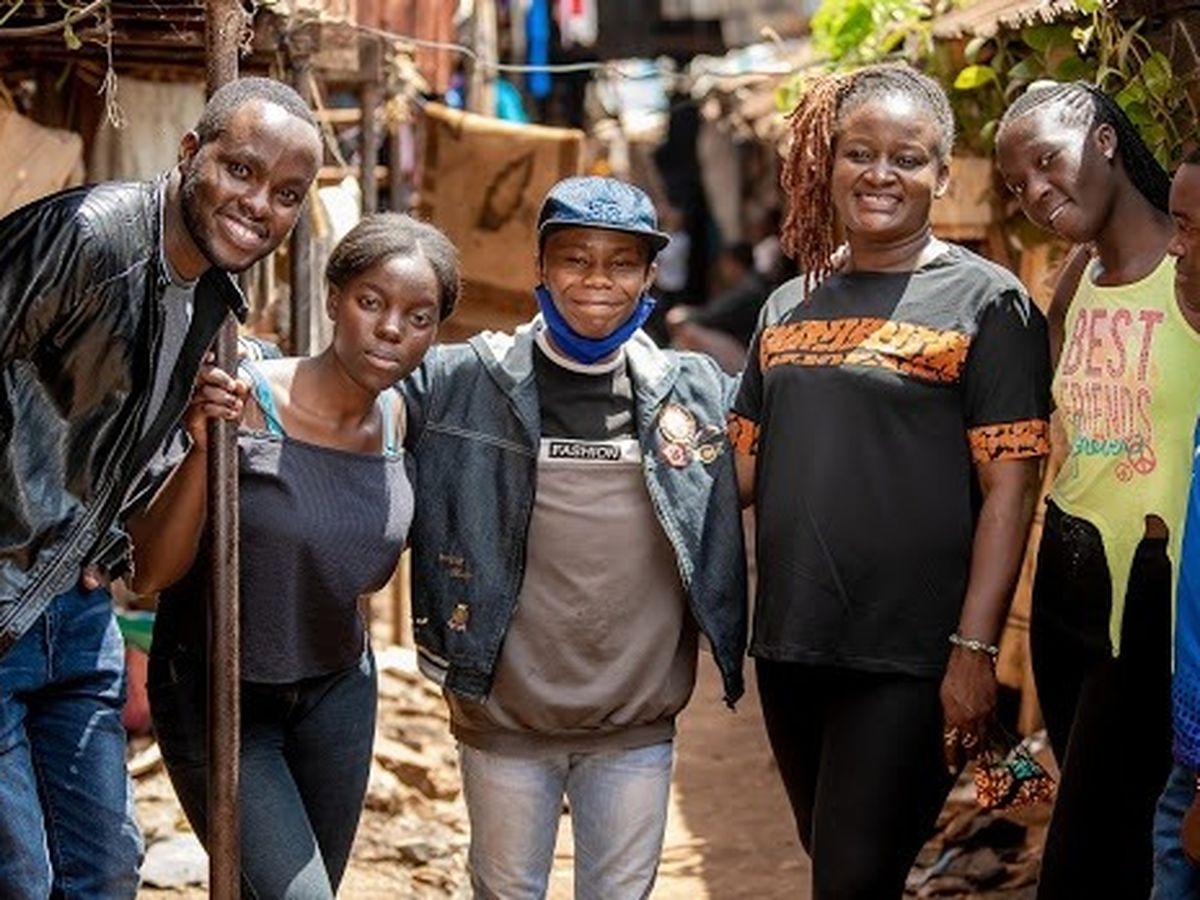
Barlin Muteyo, Stanley Bulemi, and Vyetty Muturi, all aged 18, say, “It will enable us to have easier access to our assignments and make it easier to complete our school work. It will also make it easier for us to share our work. We will also be able to conduct a lot more research because our access to books is very limited. Having access to reading online not only makes more information accessible to us, but much of it is free, so we can afford it. Finally, having internet access enables us to make connections with other people around the world, such as how we connect with other Big Picture Learning students through the Zooming Opportunities Together project -- where we learn about what our different cultures are like and what we are learning in our schools in different countries. It will also open up a world of teachers to us, as we will be able to access instructional videos, podcasts, etc online that we don’t have any access to right now.”
ABOUT KENYA BIG PICTURE LEARNING:
Kenya Big Picture Learning works with communities termed “informal settlements” -- Kibera, Kawangware, and Kangemi. These three communities have nearly two million children combined. Big Picture Learning Kenya partners with three community secondary schools -- one from each community -- to serve approximately 85-100 students.
To Learn More about Kenya Big Picture Learning, visit https://kenyabigpicturelearning.org/
How can you get involved?
Make a direct impact today and donate to this GoFundMe for Kibera schools.
Become a patron and make regular donations through Patreon
Learn more about Kenya Big Picture Learning and how you can donate and support in other meaningful ways here .
What is a community school and why do they need outside funding?
Kibera, Nairobi’s largest informal settlement, is home to an estimated 600,000 children. However, there are only three accessible public schools serving 10,000 of these children. We have found similarly low public school coverage in other informal settlements and marginalized communities, such as Kangemi and Kawangware. To respond to the overwhelming need, individuals open “informal schools”, or as we call them, community schools. Local families pay to send their children to these community schools, which serve as centers of academic, social, and emotional support in underserved neighborhoods. The government does not shoulder the total cost of education, so community schools generate their own resources to bridge the gap.
What is Kenya Big Picture Learning doing?
“Fursa Mpya” is a Swahili word that means a new beginning. The current pandemic has brought about several challenges in our communities. At Kenya Big Picture Learning, one of our values is courage and we have been looking for ways to encourage and support our schools in this tough season. For us, courage is not about being invincible, but about being resilient even in the face of adversity. Our focus is not about getting back to normal, because normal was not good enough. We want to respond to current opportunities and challenges and build new systems and spaces that will enable students to learn, thrive and fulfill their potential as they get back to school.
Think how much we all rely upon computers for our personal and professional lives--communication, information, navigations. Sure, the computer may be as small as a cel phone, but it is still a computer, and we depend upon it. These are the times we live in.
The Digital Divide between those with access to computers and those without. The pandemic made students even more dependent upon computers for learning, as "distance learning" became the norm and we all had to Zoom instead of going to class.
This “Digital Divide” is all too apparent in Kenya, where families often have to survive on the equivalent of $2-3 US / day. 90% of these families’ children do not have a free education; instead, they must pay $300-$500 US / year in education fees. If you want your child to go to school, you must pay these fees. If you cannot pay, your child does not go to school. These are the families of Kenya Big Picture Learning community schools in Nairobi, Kenya.
The cost of one laptop computer is $500 (US dollars). We are using a local vendor, trusted by the school, who will provide good service. This avoids a lot of complications - shipping, customs, etc. You can donate in the following ways:
Go Fund Me -- donate through the following link: https://gf.me/u/yy9pcr
Send A Check -- payable to Big Picture Learning Kenya and mail to:
KBPL, Attn: Cheryl Beeson, 3868 Eagleston Court, High Point, NC 27265
ALL money goes directly towards purchasing computers and the associated technology such as WiFi and security features. There are NO administrative costs.
If you have any questions, please do not hesitate to contact Freddie Veres -- [email redacted]. All donors will have access to photos of the computers purchased and updates on the progress Kenya Big Picture Learning students and staff are making. We hope you are able to help bridge the digital divide in Nairobi.
Here is what KBPL students say about how having computers with internet access will greatly improve their education:
Barlin Muteyo, Stanley Bulemi, and Vyetty Muturi, all aged 18, say, “It will enable us to have easier access to our assignments and make it easier to complete our school work. It will also make it easier for us to share our work. We will also be able to conduct a lot more research because our access to books is very limited. Having access to reading online not only makes more information accessible to us, but much of it is free, so we can afford it. Finally, having internet access enables us to make connections with other people around the world, such as how we connect with other Big Picture Learning students through the Zooming Opportunities Together project -- where we learn about what our different cultures are like and what we are learning in our schools in different countries. It will also open up a world of teachers to us, as we will be able to access instructional videos, podcasts, etc online that we don’t have any access to right now.”
ABOUT KENYA BIG PICTURE LEARNING:
Kenya Big Picture Learning works with communities termed “informal settlements” -- Kibera, Kawangware, and Kangemi. These three communities have nearly two million children combined. Big Picture Learning Kenya partners with three community secondary schools -- one from each community -- to serve approximately 85-100 students.
To Learn More about Kenya Big Picture Learning, visit https://kenyabigpicturelearning.org/
How can you get involved?
Make a direct impact today and donate to this GoFundMe for Kibera schools.
Become a patron and make regular donations through Patreon
Learn more about Kenya Big Picture Learning and how you can donate and support in other meaningful ways here .
What is a community school and why do they need outside funding?
Kibera, Nairobi’s largest informal settlement, is home to an estimated 600,000 children. However, there are only three accessible public schools serving 10,000 of these children. We have found similarly low public school coverage in other informal settlements and marginalized communities, such as Kangemi and Kawangware. To respond to the overwhelming need, individuals open “informal schools”, or as we call them, community schools. Local families pay to send their children to these community schools, which serve as centers of academic, social, and emotional support in underserved neighborhoods. The government does not shoulder the total cost of education, so community schools generate their own resources to bridge the gap.
What is Kenya Big Picture Learning doing?
“Fursa Mpya” is a Swahili word that means a new beginning. The current pandemic has brought about several challenges in our communities. At Kenya Big Picture Learning, one of our values is courage and we have been looking for ways to encourage and support our schools in this tough season. For us, courage is not about being invincible, but about being resilient even in the face of adversity. Our focus is not about getting back to normal, because normal was not good enough. We want to respond to current opportunities and challenges and build new systems and spaces that will enable students to learn, thrive and fulfill their potential as they get back to school.