- D
- J
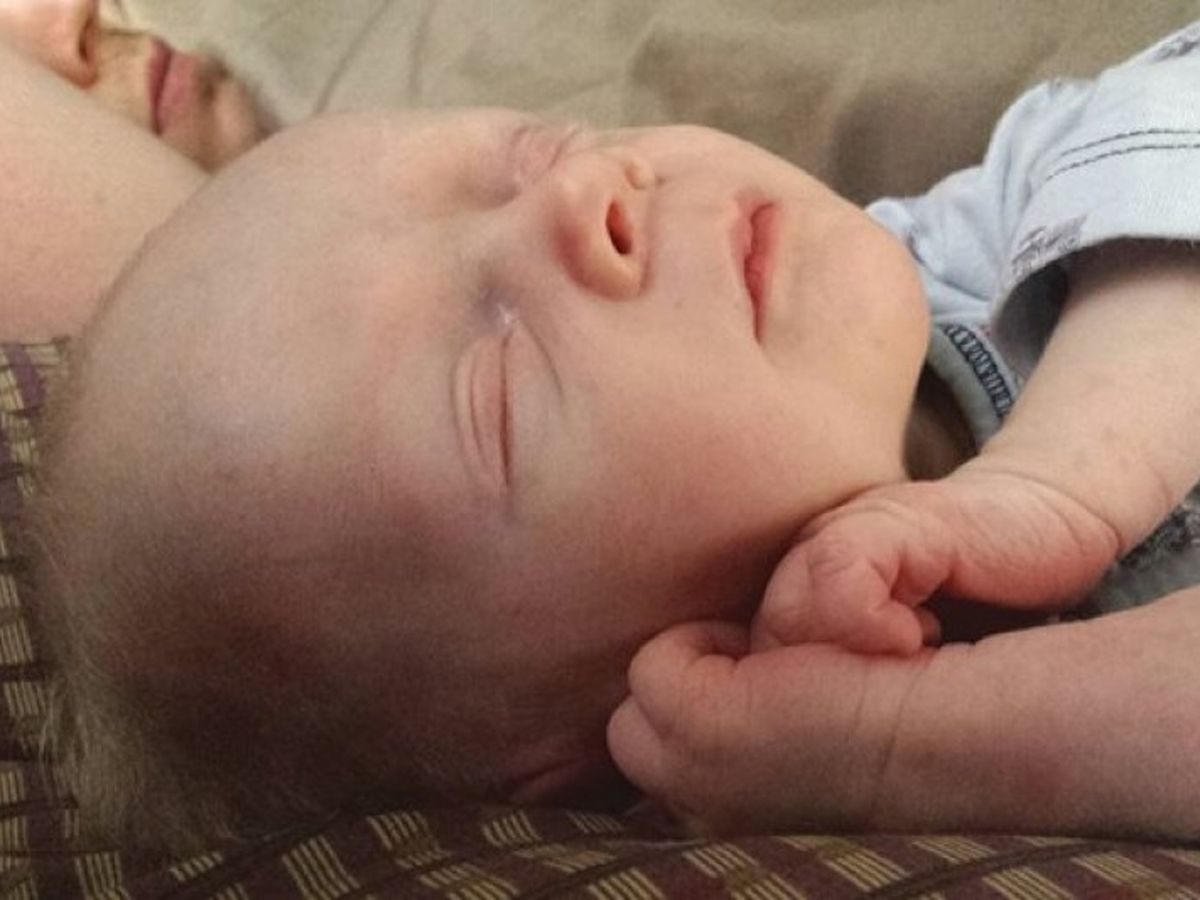
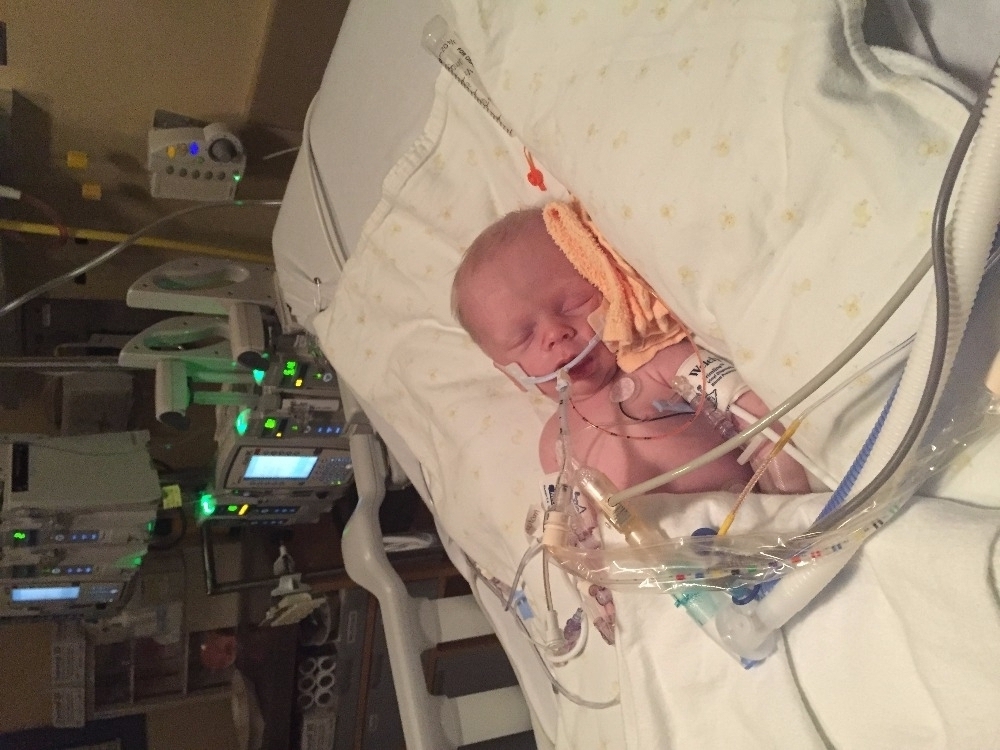
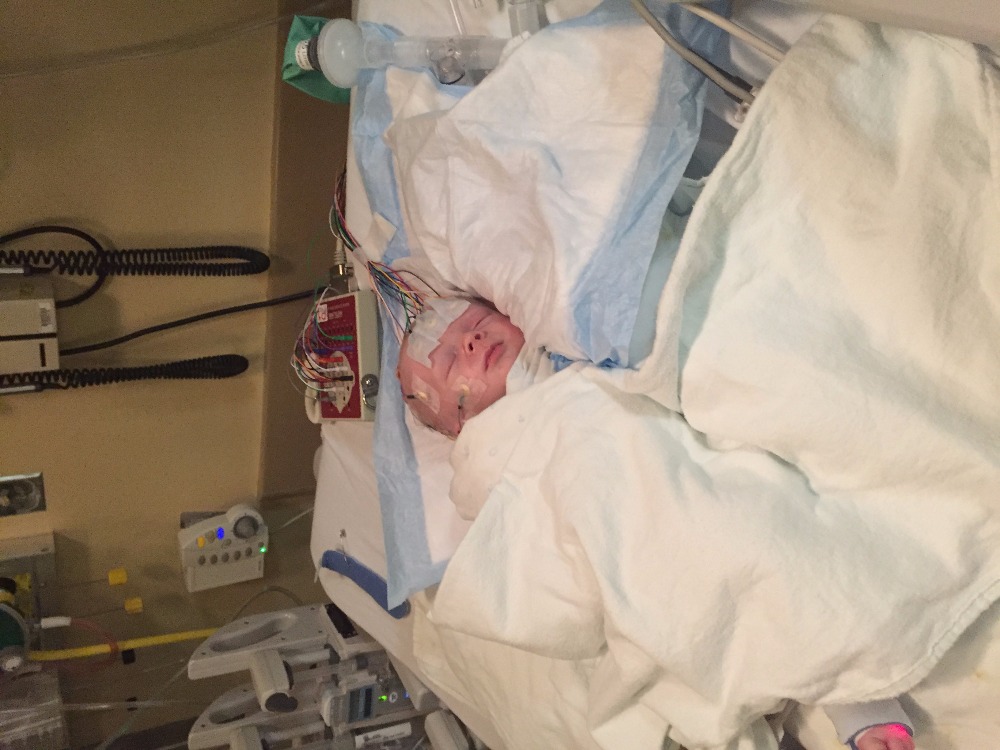
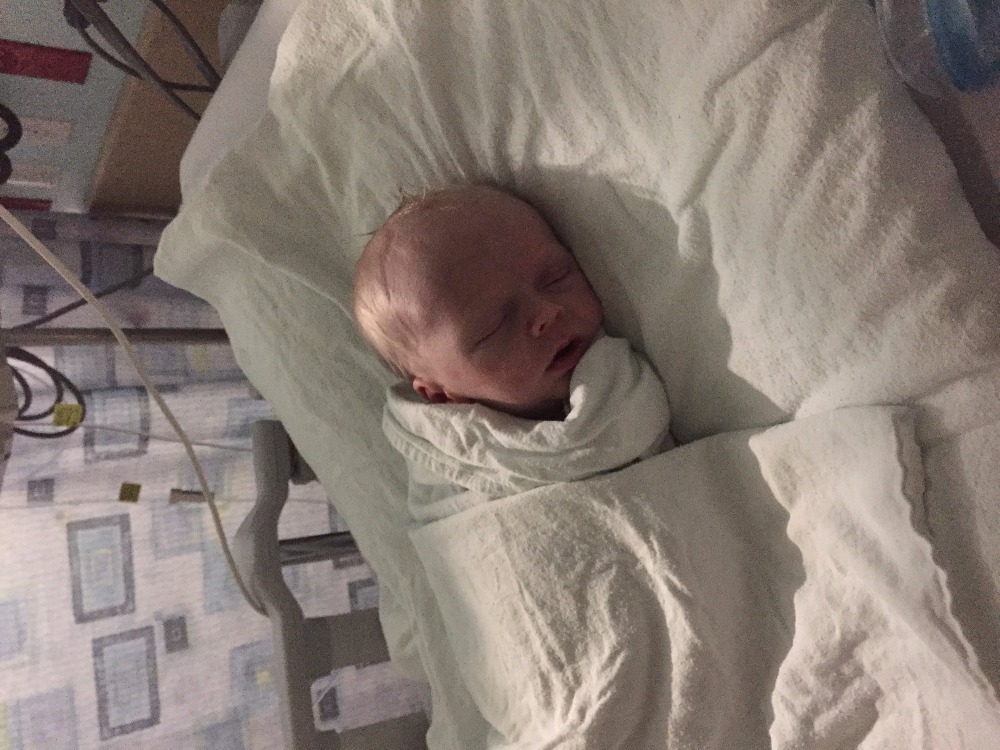
Karsen Sommer was born on Feb 23, 2016. He is the first born child of Mike and Karis Sommer. On March 11, 2016 he was taken to Kelowna General Hospital because he was having seizures. He was then air-lifted that same night to BC Children's Hospital in Vancouver, BC. Karis Sommer (the mom) was with him for that very fast flight. Over the next couple days in the pedatrics intensive care unit tests were done.
Karsen, our son, was diagnosed with Ohtahara Syndrome and Polymicrogyria. He will also need to go on a special Ketogenic diet for the rest of his life.
Right now both Mike (dad) and Mom (Karis) are in Vancouver, BC at BC Children's Hospital. Both have taken time off work to be with their son and it is unknown when Karsen will go home. Mike works as a cook and Karis is currently not working due to the birth of their son.
Karsen will need full-time care for the rest of his life as he will be dependent for his most basic care needs.
The money raised from this will go to Karsen's care, the equipment he will need and his medication and to help Mom and Dad be able to stay in Vancouver to be with Karsen.
As any parent knows it is devastating to find out something is wrong with your child. Ohtahara Syndrome has no cure. Please help make it possible for us (Mike and Karis) to both stay with Karsen and also help make Karsen's life the best that it can by donating to help with his care and medication. It is the hope for us that we will be able to provide the best quality of care we can for our son.
Ohtahara Syndrome (OS) is a rare epilepsy syndrome seen in neonates/infants. It is also known as early infantile epileptic encephalopathy or early infantile epileptic encephalopathy with burst suppression pattern. The course of Ohtahara syndrome is severely progressive. Seizures become more frequent, accompanied by delays in physical and cognitive development. Some children will die in infancy; others will survive but be profoundly handicapped. As they grow, some children will progress into other epileptic disorders such as West syndrome and Lennox-Gestaut syndrome.
Karsen was also diagnosed with Polymicrogyria . Bilateral forms of polymicrogyria tend to cause more severe neurological problems. Signs and symptoms of these conditions can include recurrent seizures (epilepsy), delayed development, crossed eyes, problems with speech and swallowing, and muscle weakness or paralysis. The most severe form of the disorder, bilateral generalized polymicrogyria, affects the entire brain. This condition causes severe intellectual disability, problems with movement, and seizures that are difficult or impossible to control with medication.
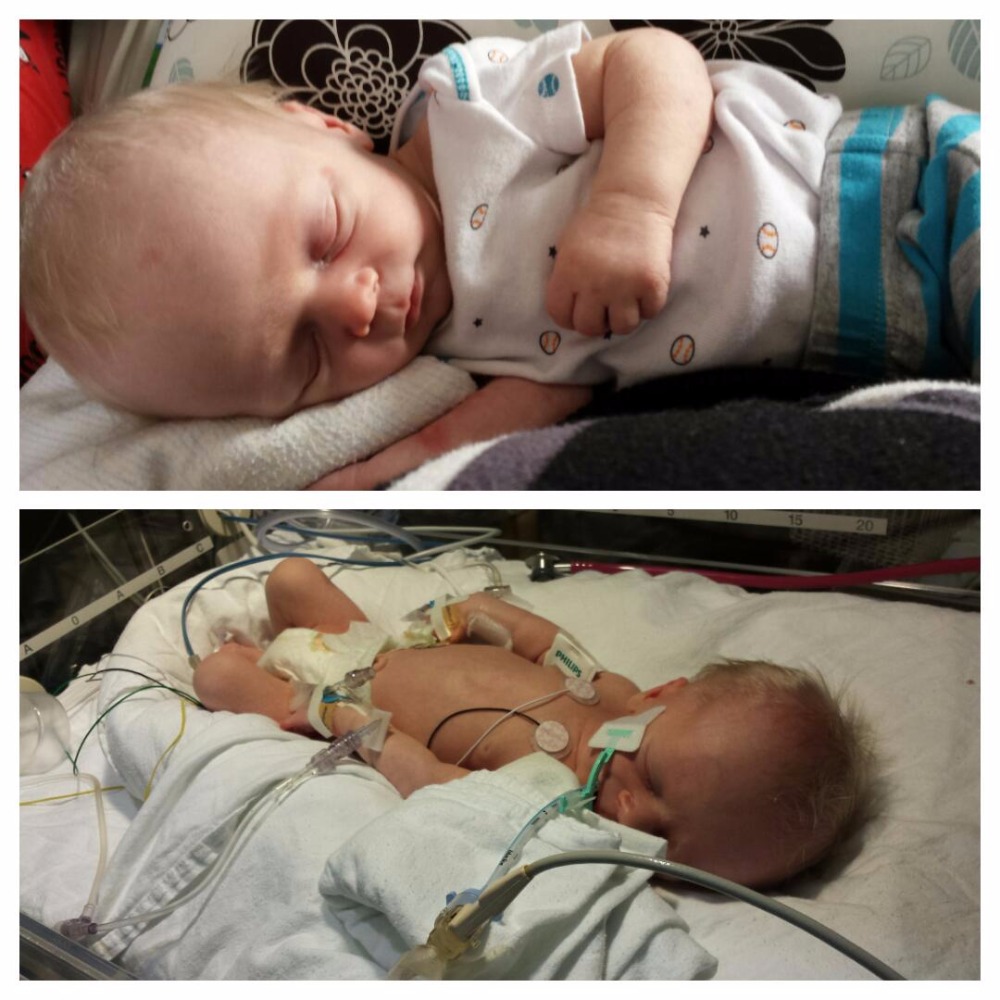
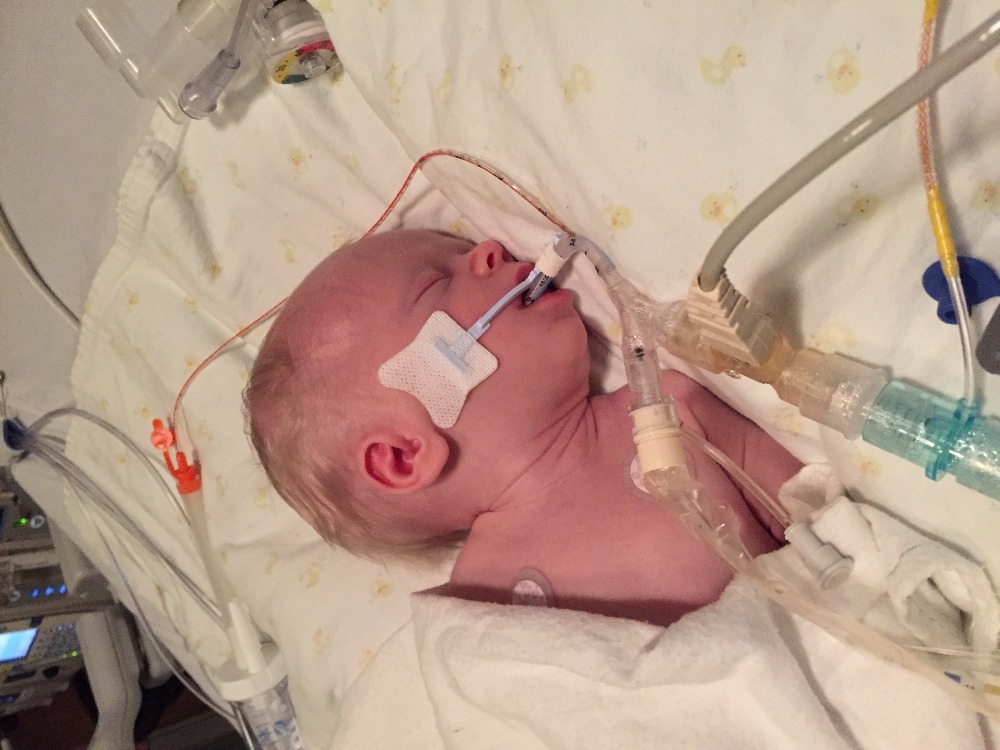
Karsen, our son, was diagnosed with Ohtahara Syndrome and Polymicrogyria. He will also need to go on a special Ketogenic diet for the rest of his life.
Right now both Mike (dad) and Mom (Karis) are in Vancouver, BC at BC Children's Hospital. Both have taken time off work to be with their son and it is unknown when Karsen will go home. Mike works as a cook and Karis is currently not working due to the birth of their son.
Karsen will need full-time care for the rest of his life as he will be dependent for his most basic care needs.
The money raised from this will go to Karsen's care, the equipment he will need and his medication and to help Mom and Dad be able to stay in Vancouver to be with Karsen.
As any parent knows it is devastating to find out something is wrong with your child. Ohtahara Syndrome has no cure. Please help make it possible for us (Mike and Karis) to both stay with Karsen and also help make Karsen's life the best that it can by donating to help with his care and medication. It is the hope for us that we will be able to provide the best quality of care we can for our son.
Ohtahara Syndrome (OS) is a rare epilepsy syndrome seen in neonates/infants. It is also known as early infantile epileptic encephalopathy or early infantile epileptic encephalopathy with burst suppression pattern. The course of Ohtahara syndrome is severely progressive. Seizures become more frequent, accompanied by delays in physical and cognitive development. Some children will die in infancy; others will survive but be profoundly handicapped. As they grow, some children will progress into other epileptic disorders such as West syndrome and Lennox-Gestaut syndrome.
Karsen was also diagnosed with Polymicrogyria . Bilateral forms of polymicrogyria tend to cause more severe neurological problems. Signs and symptoms of these conditions can include recurrent seizures (epilepsy), delayed development, crossed eyes, problems with speech and swallowing, and muscle weakness or paralysis. The most severe form of the disorder, bilateral generalized polymicrogyria, affects the entire brain. This condition causes severe intellectual disability, problems with movement, and seizures that are difficult or impossible to control with medication.